
A Rumored OM-3 Monochrome May Not Be Real… But it Should Be
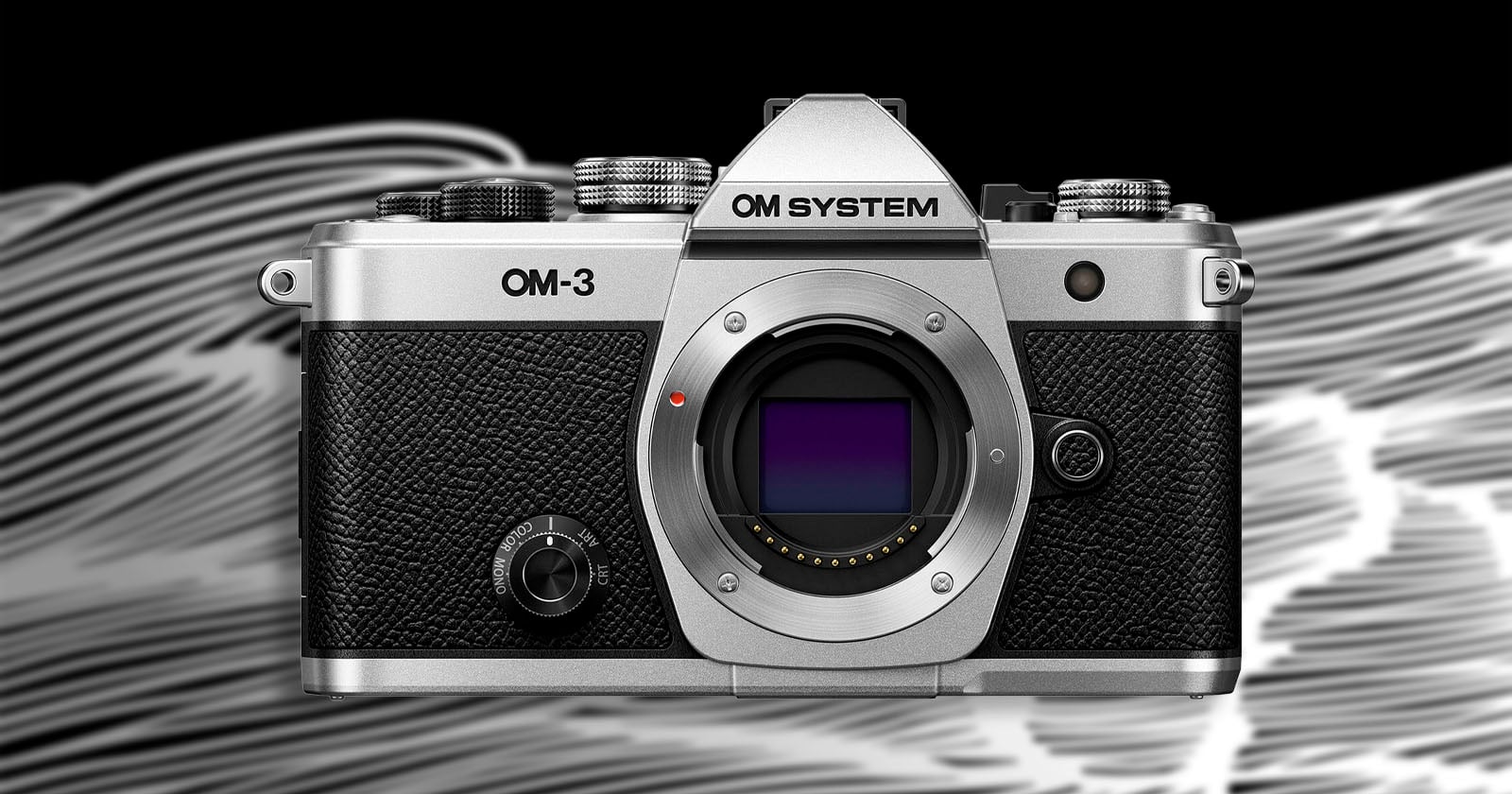
There’s a dubious rumor circulating about OM System launching an OM-3 Monochrome camera in 2026. While there are plenty of reasons to doubt the rumor, there are even more reasons why an OM-3 Monochrome is actually a really good idea.
4/3 Rumors describes the rumor as “wild but exciting,” and that language certainly covers it. I’m not too interested in determining how believable this rumor is, and am happy to leave it at “doubtful.” What I am interested in doing instead is discussing why OM should make an OM-3 Monochrome. It’s a great idea, and I sure hope OM Digital Solutions’ recent corporate shakeup has emboldened the company to take big risks, like releasing a black-and-white camera, for example.
It’s a good time to launch a monochrome camera.
Much like analog photography has experienced a massive resurgence, we are in something of a renaissance for monochrome photography, too. An increasing number of photographers want to slow down, shoot with purpose, and embrace an old-school photographic experience. In the realm of digital photography, it rarely gets more old-school than shooting with a dedicated black-and-white camera. Maybe “old school” is the wrong term. It’s timeless.
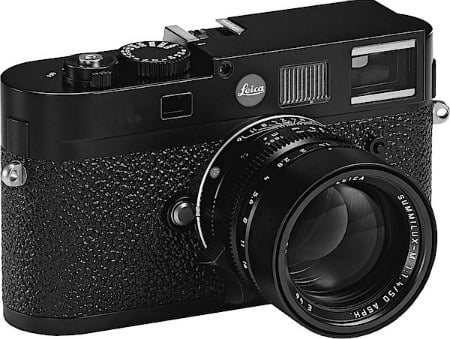
Most recently, Ricoh released the GR IV Monochrome, a black-and-white version of its best GR Series camera to date. Just months before that, Leica launched the Q3 Monochrom, the most premium monochromatic digital camera on the market today.
A few years ago, Pentax even debuted a black and white-only DSLR, the K-3 III Monochrome. At the time, I remarked how much the camera reflected Pentax’s willingness to take risks and march to the beat of its own drum. Sure, the Leica Q2 Monochrom existed, but that was really it.
Oh, how things have changed.
Everywhere you look, there are monochrome cameras. It’s not the gamble it once was; black-and-white cameras have found a successful niche. Granted, OM System isn’t averse to targeting small niche markets either, as the OM-3 Astro and OM-1 IR show.
All the monochromatic digital cameras released in recent years really run the gamut. There was a DSLR, two versions of Leica’s luxurious full-frame compact Q System, and an APS-C point-and-shoot in the GR IV Monochrome. Isn’t it time for another interchangeable-lens black-and-white camera, this time mirrorless? I think so.
The Leica Q3 Monochrom and Ricoh GR IV Monochrome are fantastic, of course. But they lack the versatility of an interchangeable lens mount. They are the embodiment of limiting. And while limitations can spur incredible creativity, it would be nice to have a modern mirrorless monochrome camera with a bit more flexibility.
The Micro Four Thirds System is full of with incredible lenses, from ultra-wide zooms all the way to professional, flagship telephoto lenses. While Pentax has plenty of lenses for its kinda-sorta discontinued K-3 III Monochrome DSLR, its system has nowhere near the level of variety as Micro Four Thirds, which includes OM System and Panasonic lenses, plus many third-party options. An OM-3 Monochrome would have access to the most lenses of any dedicated black and white digital camera to date, and that’s enticing to photographers who love monochrome, like PetaPixel‘s Chris Niccolls.
“Many photographers, myself included, love black and white photography enough to justify a dedicated camera that offers various tones of monochromatic imagery,” Niccolls wrote in his Q3 Monochrom Review last fall.
“Sometimes the journey really is the most important part of the experience, and if you love black and white photography, a dedicated camera just seems to fit right,” he echoed in his GR IV Monochrome Review earlier this year.
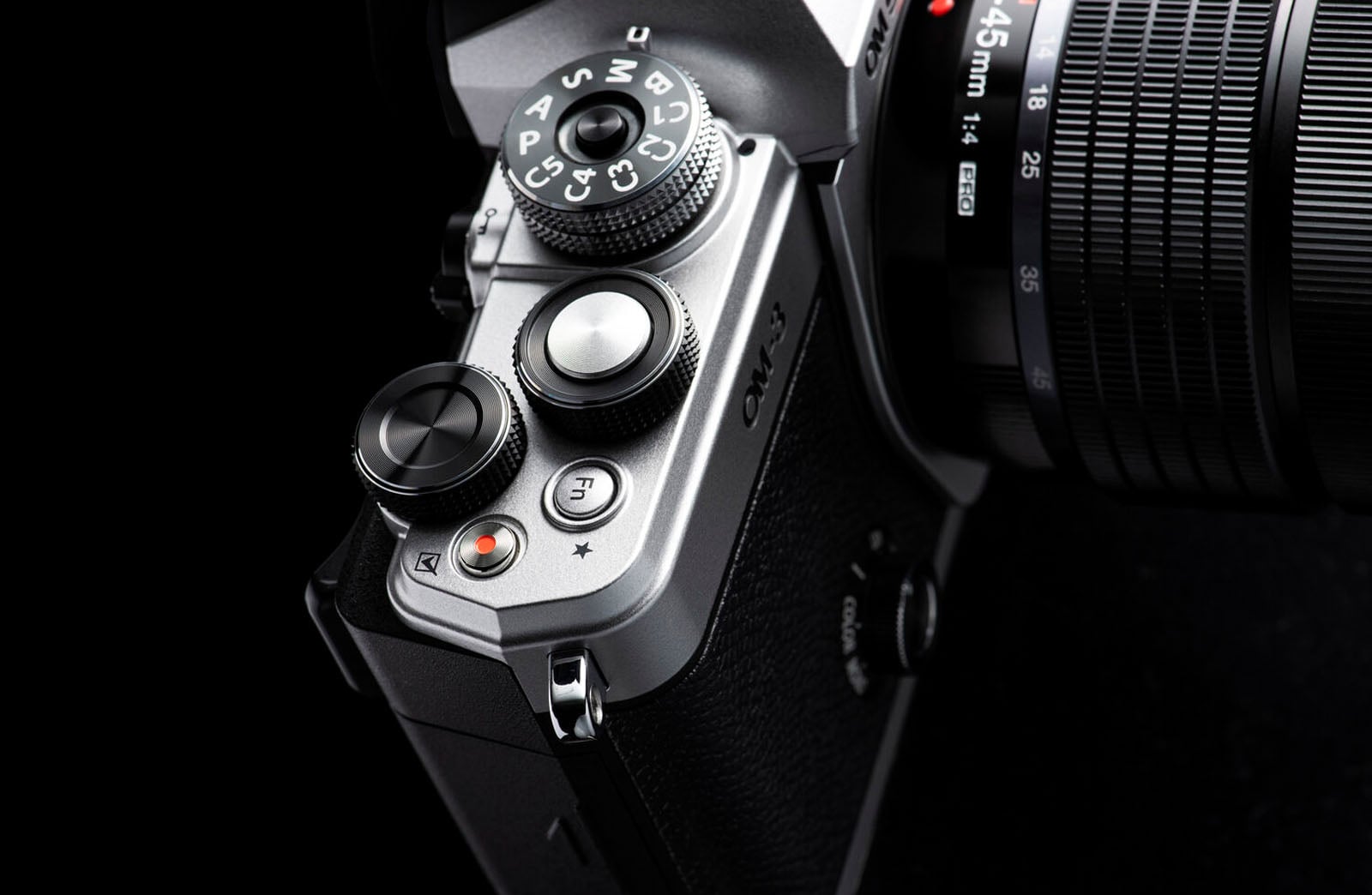
An OM-3 Monochrome would be fantastic. There’s plenty of water left in that well, and ample space in the market for a monochromatic Micro Four Thirds entry. I’m hard-pressed to think of a better candidate in the system than the OM-3, too. It’s a beautiful, vintage-inspired compact camera with lots of physical controls. It embraces photography’s past in form, why not function, too?
If OM System isn’t actively developing a black-and-white OM-3, it should be.
Image creditsHeader photo created using an asset licensed via Depositphotos.com.
Affiliate Disclosure PetaPixel articles may include affiliate links; we may earn a commission if you buy through one.