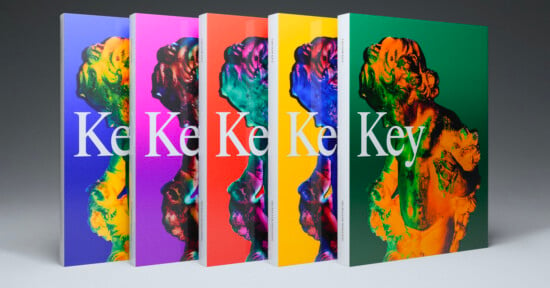
These Are the Sigma Foundation’s First Photography Books
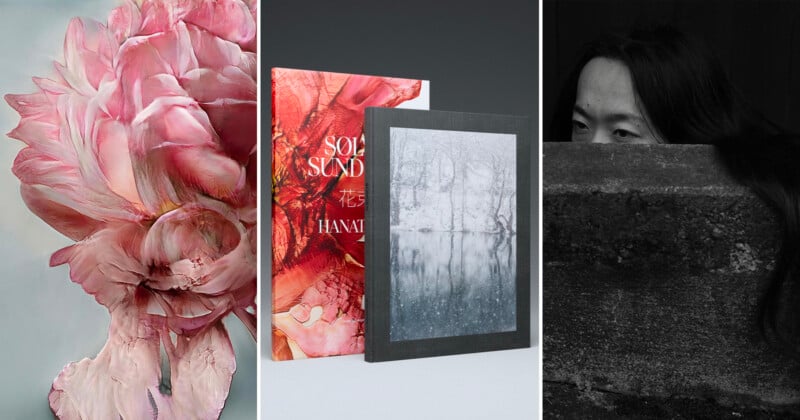
The Sigma Foundation has released its first two photography books, Hanataba by Sølve Sundsbø and Songen by Julia Hetta, marking the foundation’s debut publications. Together, the releases represent a significant step in Sigma’s evolving relationship with photography, shifting from product-focused storytelling to long-term cultural and artistic engagement.
Hanataba by Sølve Sundsbø
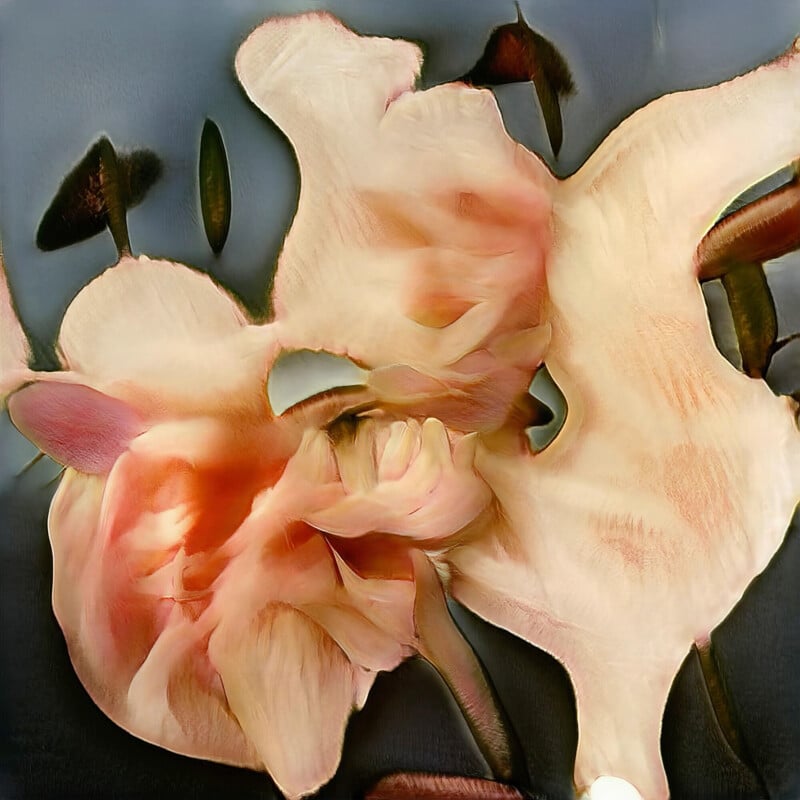
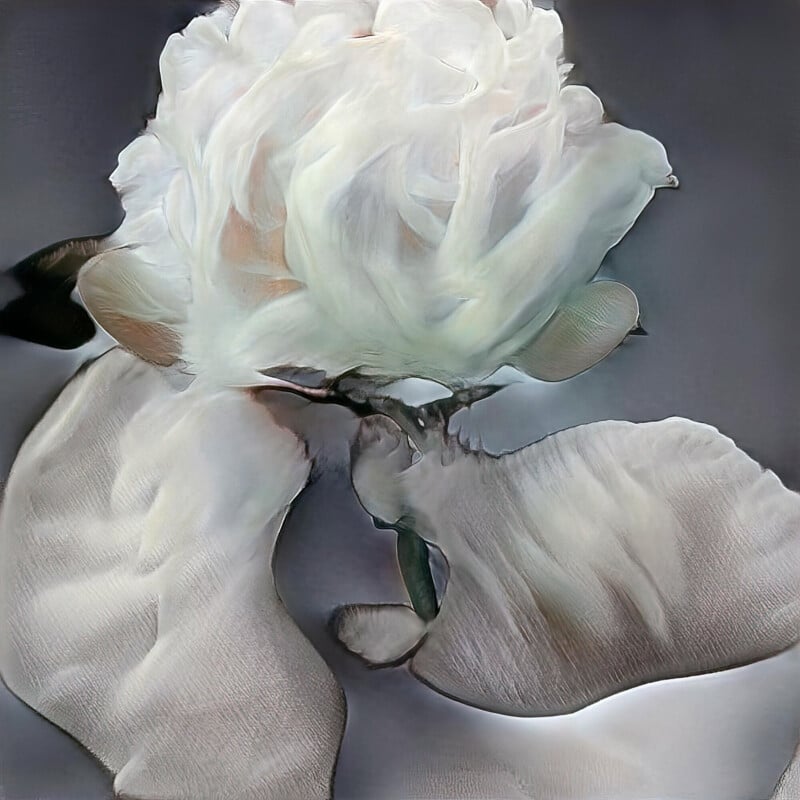
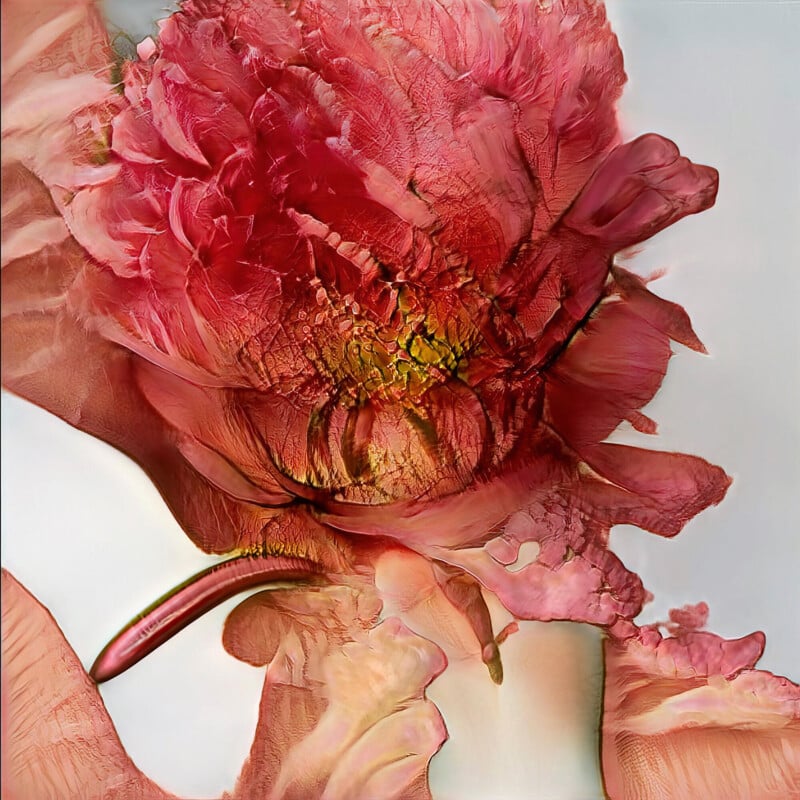
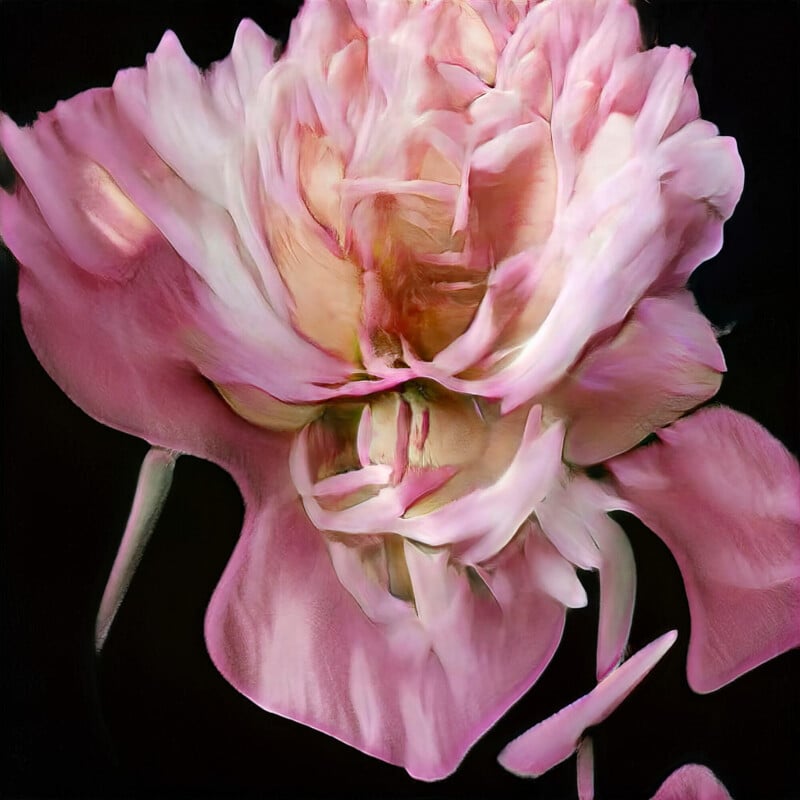
Created by internationally acclaimed photographer and filmmaker Sølve Sundsbø, Hanataba presents a body of work that explores imagined forms of life suspended between existence and invention. The images resist easy categorization, instead inviting viewers into a space where transformation, fragility, and permanence coexist.
“Sølve Sundsbø is inspired by sublimely beautiful forms of life which don’t exist. The result? Flowers of a sort, frozen between eternity and ephemerality, between fantasy and reality,” Sigma says.
Rather than functioning as a retrospective, Hanataba is conceived as a living work, visually presenting an abstract, painterly approach to macro photography that almost blends the two media. It reflects an ongoing inquiry into how photography can construct meaning rather than simply record it, aligning closely with the Foundation’s broader ambitions.
“Photography is about creating something, not capturing something,” Sølve Sundsbø says in conversation with Sigma Nordic.


Sølve Sundsbø and the Act of Creation
Born in Norway and based in London, Sølve Sundsbø has built a career defined by experimentation across photography and film. His work often merges digital processes with meticulous physical craftsmanship, resulting in images that feel both constructed and organic.
Central to Sundsbø’s philosophy is the idea that photography is an additive and subtractive process. He has described it as beginning with everything present, then removing what does not belong, a method that contrasts sharply with traditional notions of photographic realism. This approach is evident throughout Hanataba, where each image feels deliberate and authored. The work does not rely on spectacle; instead, it rewards close attention to form, texture, and subtle shifts in light.
“When you take a photograph, you start with everything and then you remove. That is where meaning begins,” Sundsbø says.
Trust, Reality, and the Power of the Photograph
A recurring theme in Sølve Sundsbø’s work is the inherent trust viewers place in photographs. Even in an era of widespread image manipulation, photography retains a unique authority that continues to shape perception.
Hanataba plays with this tension by presenting subjects that feel biologically plausible while remaining entirely imagined. The images invite belief, even as they quietly undermine it, encouraging viewers to question what they accept as real. This ambiguity is not presented as deception but as an exploration of photography’s psychological power, blurring the boundary between fact and fiction. The abstract work highlights how images carry meaning beyond literal truth.
“People believe photographs in a way they do not believe other images,” Sundsbø says.
“That trust is fascinating and dangerous at the same time.”
Songen by Julia Hetta
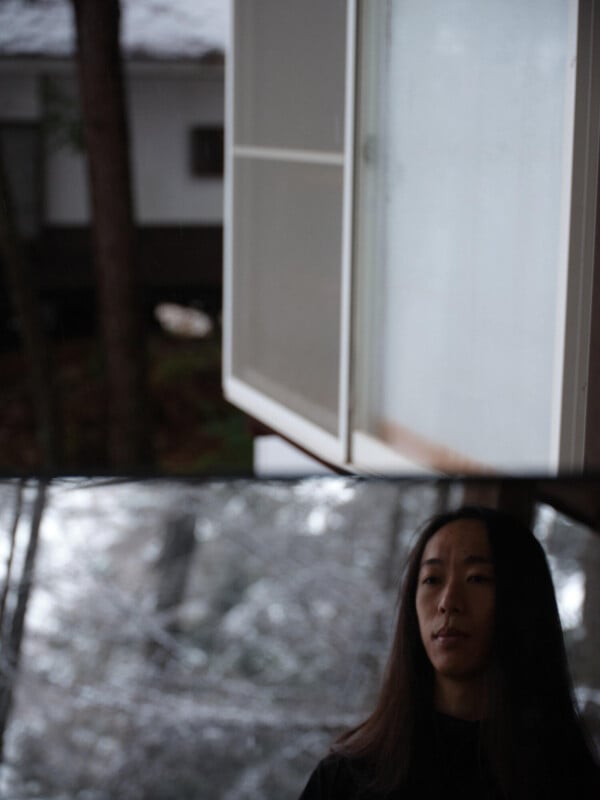
Released alongside Hanataba, Songen by Julia Hetta presents a markedly different yet complementary approach to photography. Where Sundsbø’s work explores constructed and speculative forms, Hetta’s photographs are grounded in stillness, emotional restraint, and a quiet attentiveness to time and presence.
“Julia Hetta, fresh from a residency in the Aizu region of Japan, presents a saga as true as it is poetic: a Japanese boy seeks the innermost spirit of Art, makes the long journey to Sweden – and ends up back in Japan,” Sigma says.
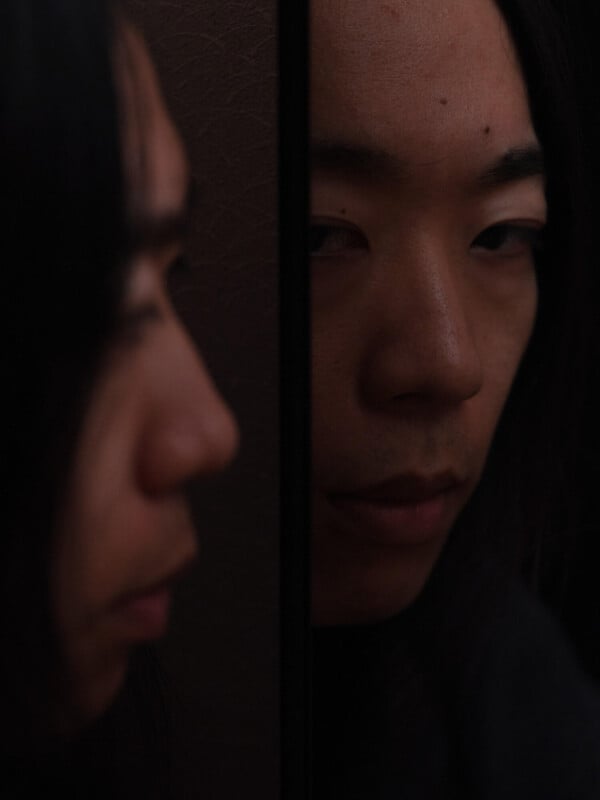


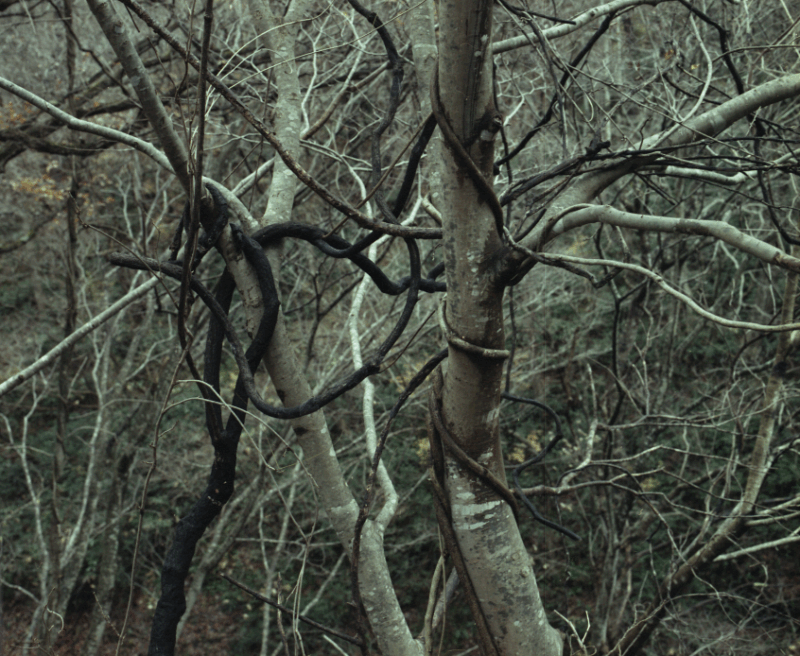
The images in Songen move between portraiture, interiors, and landscapes, often rendered with soft light and muted tones. Rather than directing interpretation, the photographs invite contemplation, allowing meaning to emerge slowly through atmosphere and subtle gesture. Faces, interiors, and natural elements are treated with equal care, reinforcing a sense of continuity between people and place.
Within the context of the Sigma Foundation’s first releases, Songen demonstrates how subtlety and emotional presence can carry as much weight as conceptual experimentation. Its emphasis on mood, memory, and quiet observation positions the work as an equal artistic statement alongside Hanataba.

A New Chapter for Sigma’s Cultural Mission
The Sigma Foundation was formally established on July 18, 2025, as a dedicated initiative to support photography as both an artistic and cultural practice. While Sigma has long been involved in festival sponsorships and educational initiatives, the Foundation signals a more focused and sustained commitment.
“The Sigma Foundation was founded by Kazuto Yamaki, president of Sigma Corporation, to support and promote photography as an art form. Sigma is a Japanese manufacturer of photographic lenses and cameras. A deep respect for the arts guides Sigma’s engineering, as the company continues to develop and innovate products that support the passion of artists,” Sigma says.
By launching with original photobook publications, the Foundation positions itself within the tradition of photography as a printed medium. The decision underscores the belief that books remain one of the most enduring and intimate ways to experience photographic work.
Hanataba is released alongside Songen by Julia Hetta, reinforcing the Foundation’s intent to collaborate closely with artists rather than act as a passive publisher. Each book is developed as an extension of the artist’s practice, not as promotional material.
“We want to support photography in a way that allows artists to fully realize their vision,” Sigma Foundation says.
Craft, Precision, and Sigma’s Artistic Legacy
Sigma’s involvement in Hanataba and Songen reflects the company’s long-standing emphasis on precision and craftsmanship. Founded in Japan, Sigma continues to manufacture all of its lenses and cameras at its Aizu factory, maintaining complete control over production.
This philosophy extends beyond hardware into cultural initiatives like the Sigma Foundation. The same attention to detail applied to optical engineering is evident in the design, printing, and presentation of the Foundation’s publications.
By supporting photobooks as lasting cultural objects, Sigma reinforces the idea that photography exists not only as technology but as a form of authorship and legacy.
“Photography deserves the same care in how it is preserved as in how it is made,” a Sigma Foundation spokesperson stated.
Looking Ahead
With Hanataba and Songen as its first releases, the Sigma Foundation sets a clear direction for its future. The emphasis is on long-term collaboration, artistic autonomy, and thoughtful presentation rather than scale or speed.
These publications suggest a model where corporate support and artistic integrity are not in conflict. Instead, they operate in parallel, allowing photographers to explore complex ideas with institutional backing.
As both books reach audiences through exhibitions and international book fairs, they stand as individual artistic statements and as a foundational moment in Sigma’s cultural mission.
“This is only the beginning,” Sundsbø said. “There is so much more photography can still become.”
Image creditsSigma Foundation, Sølve Sundsbø, Julia Hetta
Affiliate Disclosure PetaPixel articles may include affiliate links; we may earn a commission if you buy through one.