A New Epson RD Camera Could Succeed for the Same Reasons the R-D1 Failed
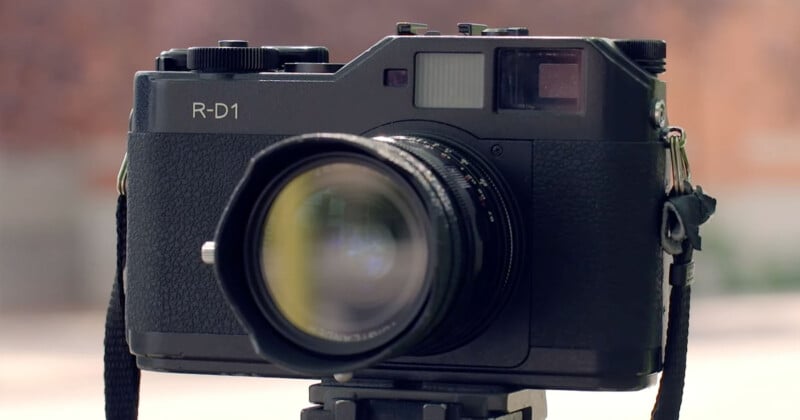
When my colleague Jordan Drake swiped the Epson R-D1 series of digital rangefinders out from underneath me in our recent Fantasy Camera Draft, I was disappointed. But my frustration also got me thinking about why the Epson RD should return and become more than just a quirky bit of digital camera history. The Epson RD series deserves better.
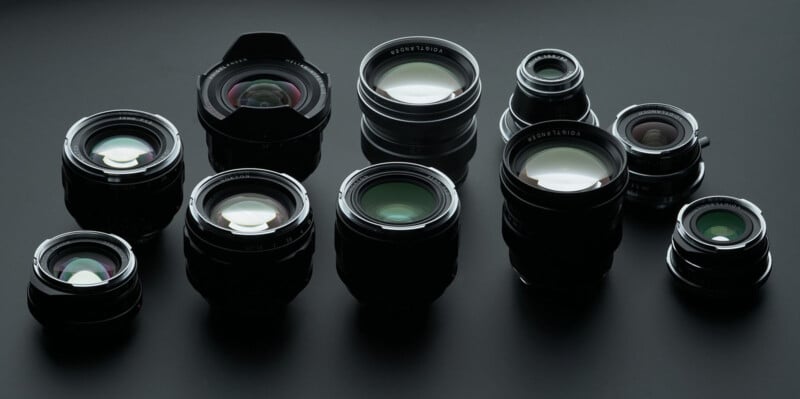
The Epson RD series cameras embodied a deliberate style of photography that, for many reasons, fell out of favor. However, modern photographers are hungry for the RD’s unique blend of tactility, impressive technology, and an intentional shooting style. Add in the fact that there are so many interesting third-party M-mount lenses that won’t break the bank, which was not necessarily the case over a decade ago when Epson discontinued the RD series, and I think it’s clear: Cosina and Epson should join forces once again and unleash the long-awaited (probably never coming) Epson R-D2 upon the world.
The Epson R-D1: The First Digital Rangefinder
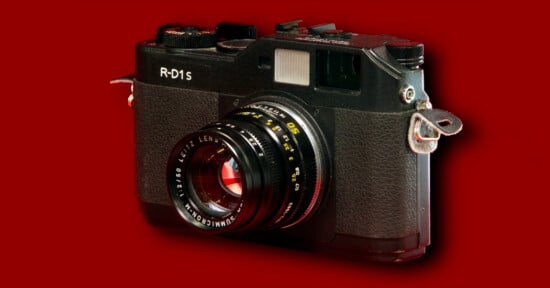
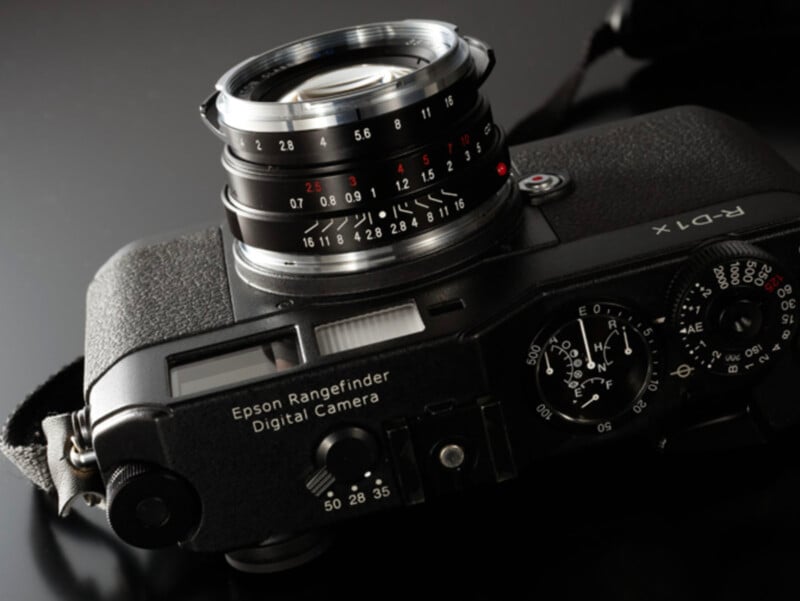
To see why the Epson R-D2 deserves to live, it is essential to look back at the R-D1 series, which included the original R-D1, the R-D1s in 2006, and the R-D1x and R-D1xG in 2009.
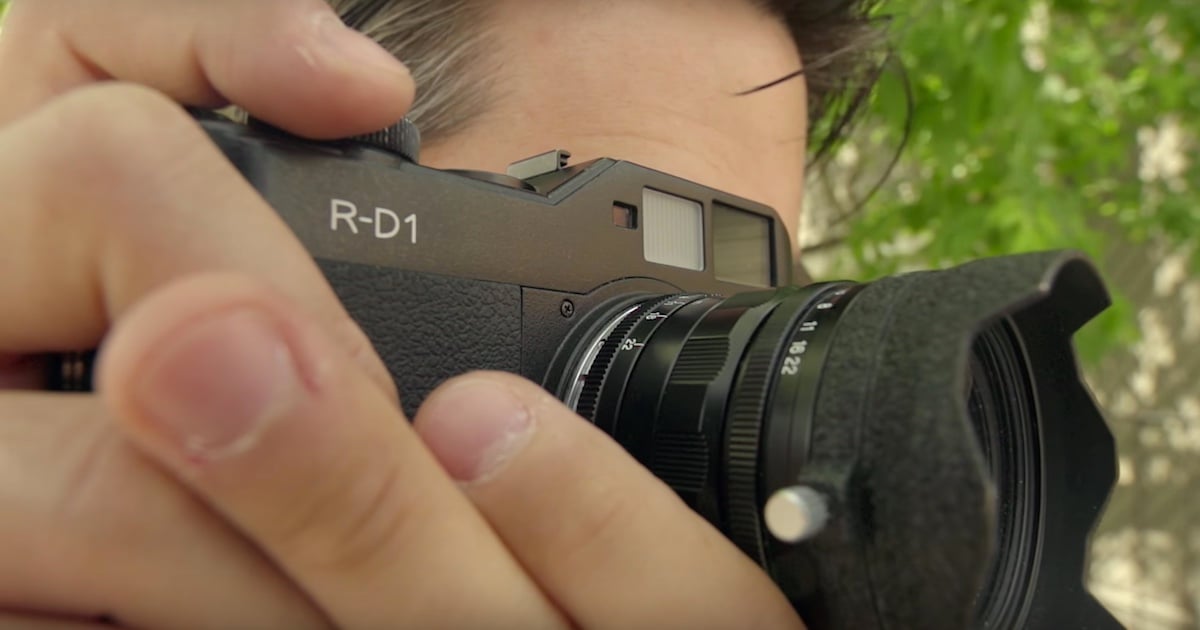
The original Epson R-D1 debuted in March 2004, and was actually the very first digital rangefinder camera — period. Leica’s first digital rangefinder, the lackluster but gorgeous Leica M8, wouldn’t arrive until 2006. The R-D1 was a joint venture between Seiko Epson and Cosina, which owns the legendary Voigtländer name and continues to make excellent Voigtländer lenses for many mounts today, including M-mount. Cosina provided the R-D1’s body, which is a Voigtländer Bessa R2 modified for digital photography.
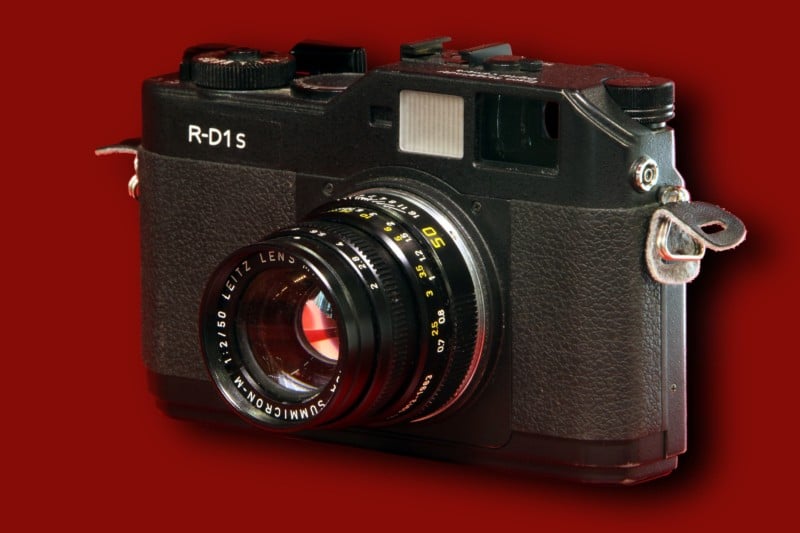
One of the coolest aspects of the R-D1 cameras is the direct result of the Bessa R2’s analog lineage. Unlike any digital camera then and to this day, the R-D1’s shutter is mechanically linked to the Bessa R2’s film advance lever, meaning that photographers must “advance” the camera every time they want to take a new shot. While that may sound tedious to some, many photographers want the benefits of a digital camera while retaining as much of the experience of a film camera as possible. A mechanically wound shutter was not so cool to a forward-thinking audience in 2004, but could be now to a younger generation of photographers who yearn to feel part of the photographic process without necessarily incurring all the costs of shooting and developing film.
An Old-School Photography Experience That Arrived Too Late and Too Soon
There are many reasons why Fujifilm’s most vintage-inspired digital cameras are extremely popular, and the old-school shooting experience is undoubtedly a significant one. The Epson R-D1 cameras took this experience to its limits in ways nobody has dared since. The Fujifilm Xhalf comes close, but even that quirky camera’s “film advance” level is not technically linked to the shutter and is only required to take new photos in specific modes. The Fujifilm Xhalf is very popular, by the way, and in no small part because of that specific specialty shooting mode that requires photographers to move its lever.
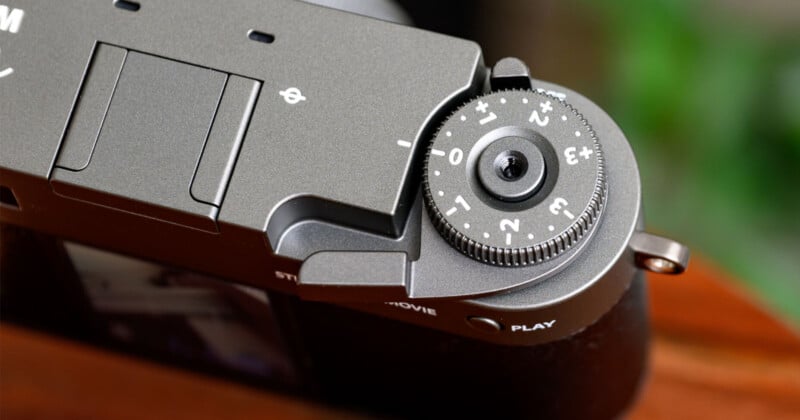
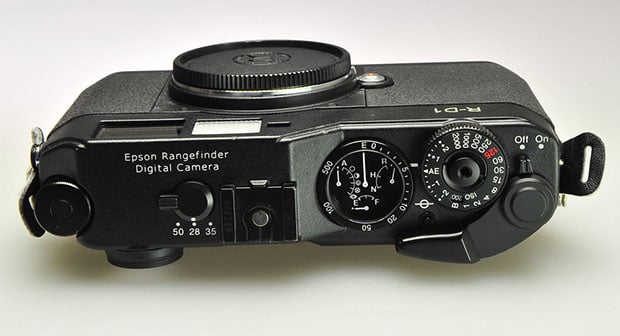
Just like I think the R-D1’s shutter advance lever was perhaps ahead of its time, so too were other aspects of its design. The camera had a rear screen that could be flipped around, hiding it from the photographer and providing a screen-free digital photography experience. The R-D1 also features an exquisite servo-driven top dial inspired by Seiko watches that displays the camera’s essential settings. I’m not sure a dial as beautiful as this one has ever appeared on a digital camera since.

Beyond its incredible design, the original R-D1 has (had) competitive imaging specs. The rangefinder sports a 6.1-megapixel APS-C CCD image sensor, which was actually pretty good in 2004. It can also use Leica screw mount lenses with an adapter, which was nifty.
Subsequent models — the Epson R-D1s, R-D1x, and R-D1x G — made some minor changes, although none major, hence why there was never an R-D2. Revised models added RAW+JPEG shooting (so photographers no longer had to choose one or the other), Adobe RGB support, long-exposure noise reduction, a larger rear LCD (which could no longer be hidden, by the way), and, in the case of the R-D1xG, a removable grip.

Why the Epson R-D1 Failed
If the Epson R-D1 series is so excellent, then why did it die? There are plenty of good theories.
Epson itself attributes the death of the RD-series to the overall shrinking of the camera market, which is reasonable enough, but doesn’t quite tell the whole story. Sales of the R-D1 cameras plummeted, and the camera market was struggling. Epson saw what it believed was the writing on the wall and discontinued its final digital rangefinder, the Epson R-D1x, in 2014. It’s reasonable enough, since few companies want to risk losing money on what is ultimately a fairly niche project.
There’s also the Leica-sized elephant in the room. The Leica M8 may not have been perfect, but it did feature a larger APS-H 10-megapixel sensor at a time when the megapixel and sensor-size races were in full swing.
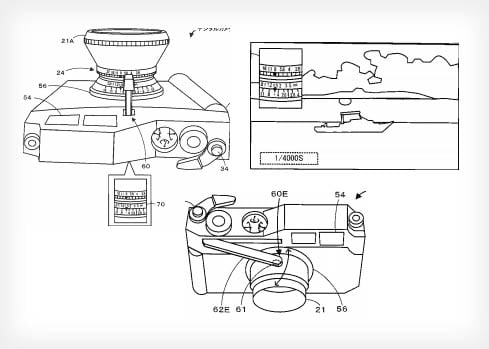
Epson was actually working on the R-D2 and made it quite far in the development process, but it was too slow doing so, and rapidly lost market share to Leica.
Then there’s the other major factor: the progression of digital photography. The Epson R-D1 arrived with the promise of blending photography’s past with its present, fully embracing analog heritage. Here’s the problem, though. While all that old-school style would resonate with photographers in 2025, it was received differently from 2004 to 2014. Photographers then were itching to embrace the future, rather than the past.
Even Leica, with its rich history and broad immunity to the mercurial whims of the photography market, was nearly killed by the arrival of digital photography. The Leica M8 arrived just one year after Leica was on the brink of total collapse. Leica is immensely successful, but it came close to outright failure. Seiko Epson had zero interest in flirting with disaster and plays by different, more fiscally conservative rules.
Why a New Epson RD Could Succeed
But some of the very same reasons why the Epson R-D1 series ultimately failed are why it could succeed today.
Let me be very clear: I don’t believe the Epson R-D2, or any other new Epson digital rangefinder, will ever see the light of day. I think the companies involved perceive it as too big a risk. Epson would need to rebuild an entire imaging division. Cosina would need to make new Bessa bodies, which it stopped doing a decade ago. That’s a huge ask. I’m not much of a gambler myself, but if I were, I would bet against a new Epson digital rangefinder at just about any odds.
However, wouldn’t a new Epson RD be marvelous?
Seiko Epson still exists. As of March 2025, it employs over 75,000 people worldwide and earned hundreds of millions of dollars in net income in the last fiscal year. Cosina, the other player in the R-D1 story, is still in business and still makes new Voigtländer lenses.
Perhaps even more importantly is what type of digital cameras do well today. Sure, the cutting-edge, professional cameras are still popular now, just like they were in 2004. However, as Fujifilm demonstrates as well as anyone, vintage-inspired cameras that celebrate photography’s heritage through analog-like controls, film-inspired color profiles, and a slower pace of shooting are not just still surviving, but thriving.
The Epson R-D1 series paved the way for very successful cameras far down the road, and unfortunately didn’t live long enough to see the full breadth of its impact on how people want to capture digital photos. The Epson RD deserves to be reborn with a new full-frame image sensor, the same classic design, and a select few modern improvements. An Epson R-D2 should arrive and walk the road its 21-year-old predecessor built.
Image credits: Photos by Chris Niccolls and Jordan Drake, unless otherwise noted