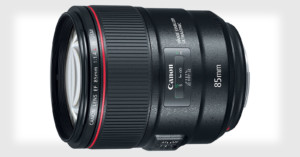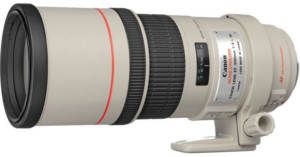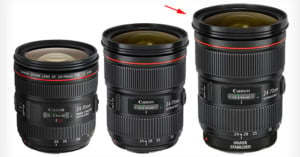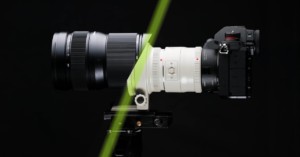
If you’re one of the many people who wanted both the convenience of having IS and the benefits of having f/2.8, here’s some good news: there is indeed a 24-70mm f/2.8 IS on the way. Read more…
Canon broke new ground in its lens-making this year by bringing image stabilization to non-L wide-angle prime lenses (the widest IS prime was previously the 100mm f/2.8 IS L). There are now three: lenses at the stabilized-wide-angle party: a 24mm and 28mm, announced in February, and a 35mm that was announced just last month.
According to new rumors, Canon will continue to spread its IS technology to non-L and non-telephoto primes next year. One that’s on the way is a replacement to the popular 50mm f/1.4. Read more…
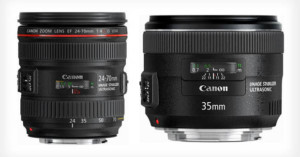
Canon’s two soon-to-be-announced lenses were leaked today by Japanese website Digicam info. The first one is, as suspected, the 24-70mm f/4 IS. The second one was more a surprise: it’s not a new 50mm, but a 35mm f/2 IS. Canon is continuing its new trend of building image stabilization into wider-angle lenses — a bit strange for still photographers, but great news for people who record video with their DSLRs. Read more…
When Canon unveiled the followup lens to its popular Canon 24-70mm f/2.8 L back in February, many photographers found it strange that the lens eschewed Image Stabilization even while two wide-angle prime lenses announced at the same time had IS. After all, a $2,300 lens that extends to 70mm on the telephoto end seems like it would benefit more from stabilization than 24mm and 28mm lenses. If you’ve been yearning for a “Brick” (as the 24-70mm used to be called) with IS, here’s some good news: the lens reportedly exists, and may already be floating around in the wild for initial tests. Read more…
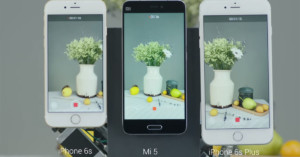
The company unveiled its new Lumia 920 phone today, which also carries the PureView name. It features a much more modest 8-megapixel camera, showing that PureView isn’t about the megapixels after all. Read more…
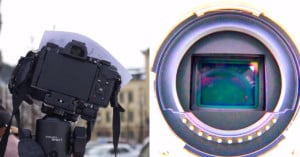
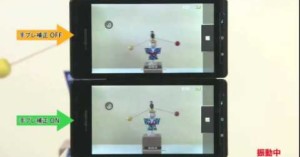
Sharp recently announced its AQUOS SH-01D phone, which is one of the few phones on the market that feature optical image stabilization. The phone is powered by Android OS, and features a 12.1 megapixel 1/3.2-inch CMOS sensor. The demo above shows how effective the stabilization is at canceling out small movements of the sensor.
We shared a video of Canon’s Image Stabilization technology in action in the beginning of the year, but that was on a pro telephoto lens and inside a glass display case. What would the same technology look like in a cheaper, consumer lens? Preston over at Camera Technica decided to find out, disassembling a Canon 18-55mm kit lens to capture this short video of the IS mechanism in action. I had no idea the thing used springs, did you?