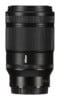
The Nikon Z MC 105mm f/2.8 VR S is a full-featured, weather-sealed macro lens that delivers outstanding edge-to-edge image quality for Nikon's Z-series full-frame mirrorless cameras.

The Nikon Z MC 105mm f/2.8 VR S is a full-featured, weather-sealed macro lens that delivers outstanding edge-to-edge image quality for Nikon's Z-series full-frame mirrorless cameras.
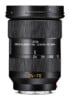
The Leica VARIO-ELMARIT-SL 24–70mm f/2.8 ASPH. is an incredibly well-built, very fast standard zoom lens that delivers superb image quality for L-mount camera owners, joining the Sigma 24-70mm f2.8 DG DN Art and the Panasonic Lumix S PRO 24-70mm F2.8.
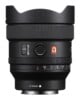
The Sony FE 14mm F1.8 GM is an outstanding ultra-wide-angle prime lens with a fast maximum aperture that's fully worthy of the premium G-Master branding.
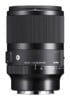
Sigma have hit back with a brilliant lens that's much, much cheaper than the Sony 35mm F1.4, especially in the UK where it's actually half the price.
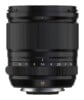
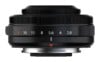
It may have taken Fujifilm rather too long to add a fast 28mm prime to their lens range, but now that it's finally arrived, we're happy to report that it's something of a must-buy if you like shooting either street photography or landscapes.
[T]he OnePlus 9 Pro can easily be placed in among the best smartphones there are currently on the market for photographers.
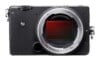
[T]here's a lot to like about the new Sigma fp L, but as with the original version, it remains a rather niche camera despite Sigma's best efforts to broaden its appeal.
So it's still not exactly cheap for what is after all only an F2.8 lens that's not so sharp at the edges, has a noisy AF motor and a rather convoluted lens hood implementation.
Its main selling points are its premium finish and excellent build quality, retro feel, plethora of controls, small size and weight, and fast auto-focusing.
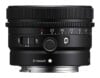
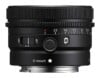
[T]he FE 40mm F2.5 G is our favourite out of the three small, retro lenses that Sony released all at the same time.
This lens is a great performer optically, being pin-sharp throughout virtually all of the frame, even when shooting wide-open at f/2.8.
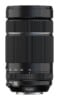
The new XF 70-300mm F4-5.6 R LM OIS WR is a logical addition to the Fujifilm X-series lens range, sitting between the shorter, cheaper Fuji 55-200mm and the longer, more expensive XF 100-400mm lenses in terms of both focal range and price.
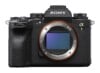
The new Sony Alpha 1 really is the best all-round, do-it-all camera on the market, whether you're a sports-shooter, wildlife-lover, landscape photographer or videographer.
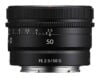
It's fair to say that the Sony Alpha camera system doesn't suffer from a lack of 50mm prime lenses.
[T]he new Sigma 28-70mm F2.8 DG DN Contemporary is a well-built, fast standard zoom lens that delivers excellent image quality in a very small, lightweight package.
With the launch of the GFX 100S, medium-format photography has never been quite so compact, portable, easy-to-use or versatile.
We can see this lens being a popular choice for a wide range of of photographers, who are likely to be pleased with the image quality, build quality and performance that it offers.
The new Leica SL2-S is a speedier, stealthier, more sensitive version of 2019's SL2 camera - we'll leave you to work out which one of those "s" words seems most appropriate for the "S" in SL2-S - we'd probably say all three.
This is a very lightweight, very compact standard prime lens for Canon full-frame mirrorless owners that delivers good image quality, at a price that certainly won't break the bank.
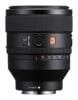
If you really love the 35mm focal length and you somehow still haven't got a 35mm prime in your collection, then we'd heartily recommend the Sony FE 35mm F1.4 GM as the best all-round 35mm lens for Sony Alpha camera owners.
There are now well over a dozen different 35mm prime lenses available for the Sony Alpha full-frame system, so how can the new Sigma 35mm F2 DG DN stand out from the literal crowd? Well, its main unique selling point is undoubtedly its superlative build quality and vintage feel.
If you’re a professional photographer who typically shoots subjects which would benefit from a very wide aperture 50mm lens, it’s a fantastic option to have.
The “problem” Nikon has is that the original Z7 was so good, that while the new Z7 II is also excellent, it’s not a huge leap forward from its predecessor.
Tamron have scored another hit with the 70-300mm F4.5-6.3 Di III RXD, and it's very much worthy of our Highly Recommended award.