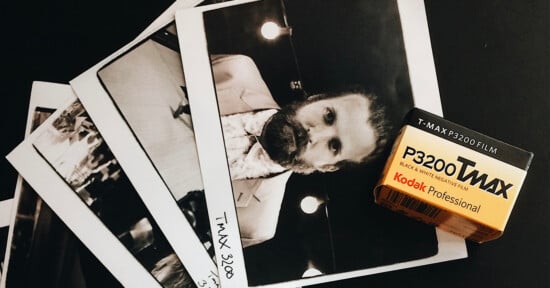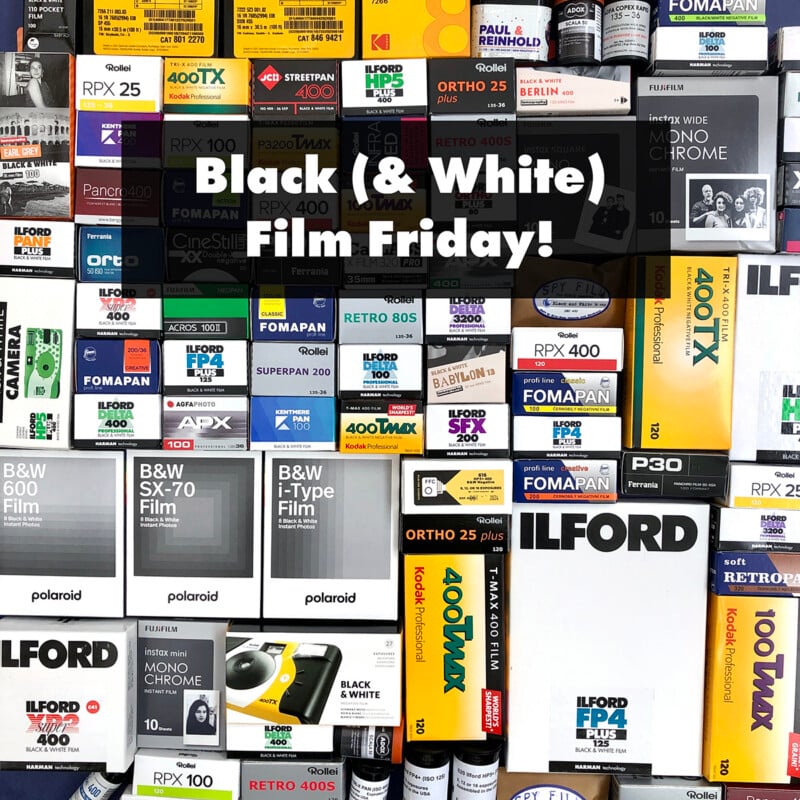
It is our largest (and most fun) Film Friday of the year: Black (and White) Film Friday! While our Film Fridays tend to spotlight a single emulsion, with this annual celebration we feature the entire selection of black and white film stocks that we have in our inventory. But before we dig in too far, it would be a good moment to explain our inspiration for Film Friday.
This story is brought to you by Blue Moon Camera and Machine in Portland, OR. Blue Moon offers film, development services, printing, and even an ever-rotating line of film cameras and lenses.
PetaPixel Members receive 10% off all lab services with Blue Moon: Join today!
Blue Moon Camera and Machine launched Film Friday publicly in 2019, but it had been an ongoing project of ours for several years prior to that. The film that started it all was Ilford XP2. See, we (the collective “we”, that is, as in all of us film photographers) have always had an amazing selection of films to choose from as we decide what to load in our cameras. This selection has evolved over time. Some years it has winnowed down, and other years it has actually expanded. But there have always been just so many films out there to make our work and art with. It is also true, however, that most of us gravitate to certain films. We find the emulsion we like, and we settle into it.
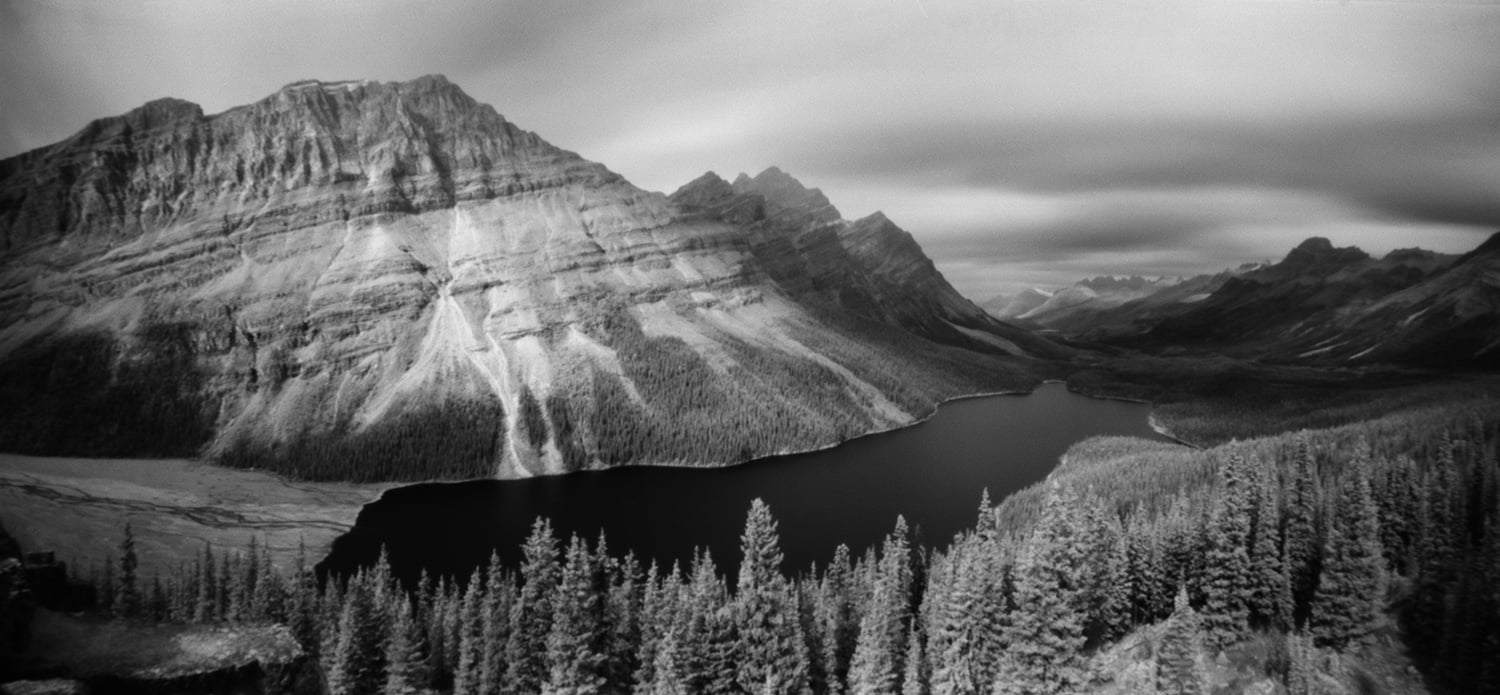
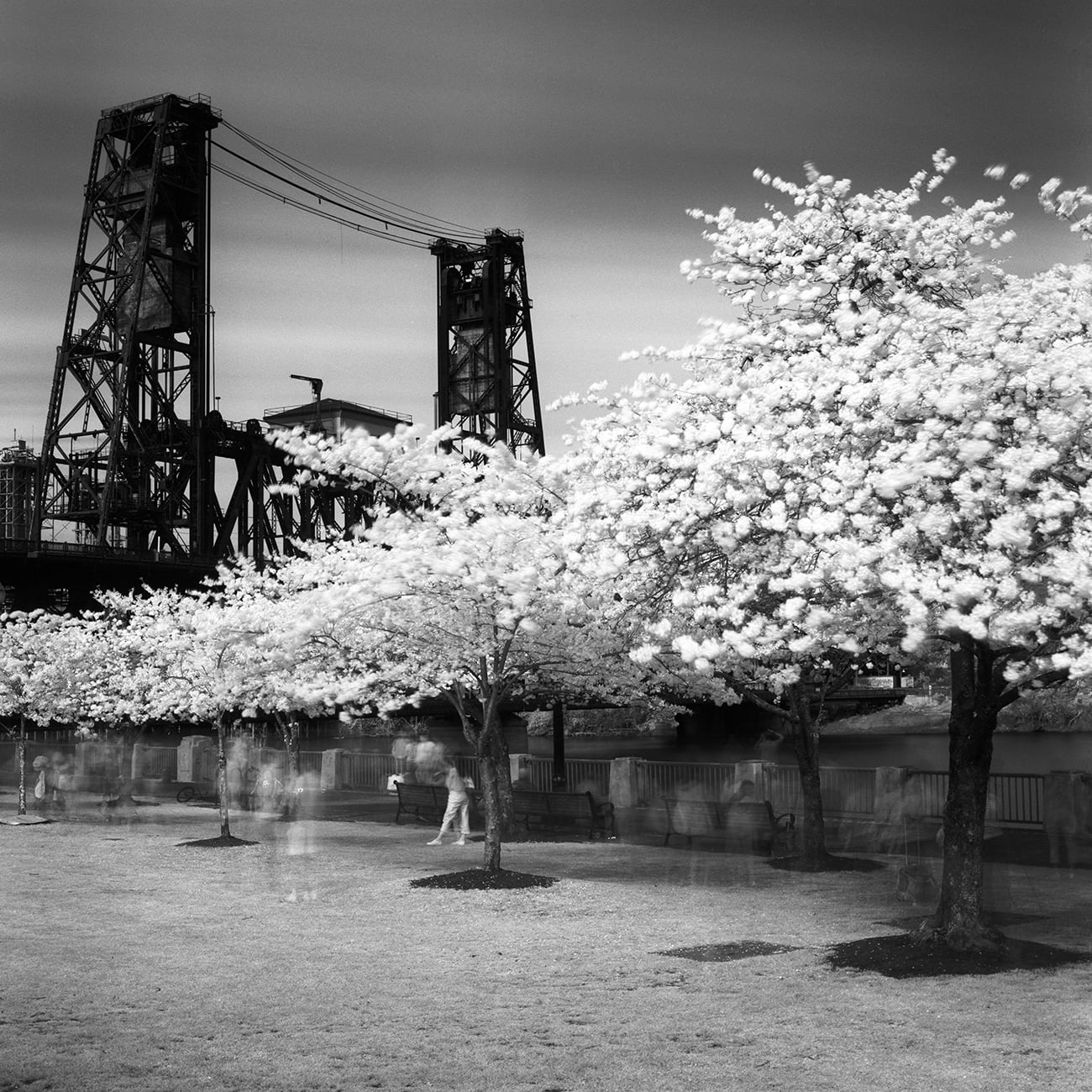
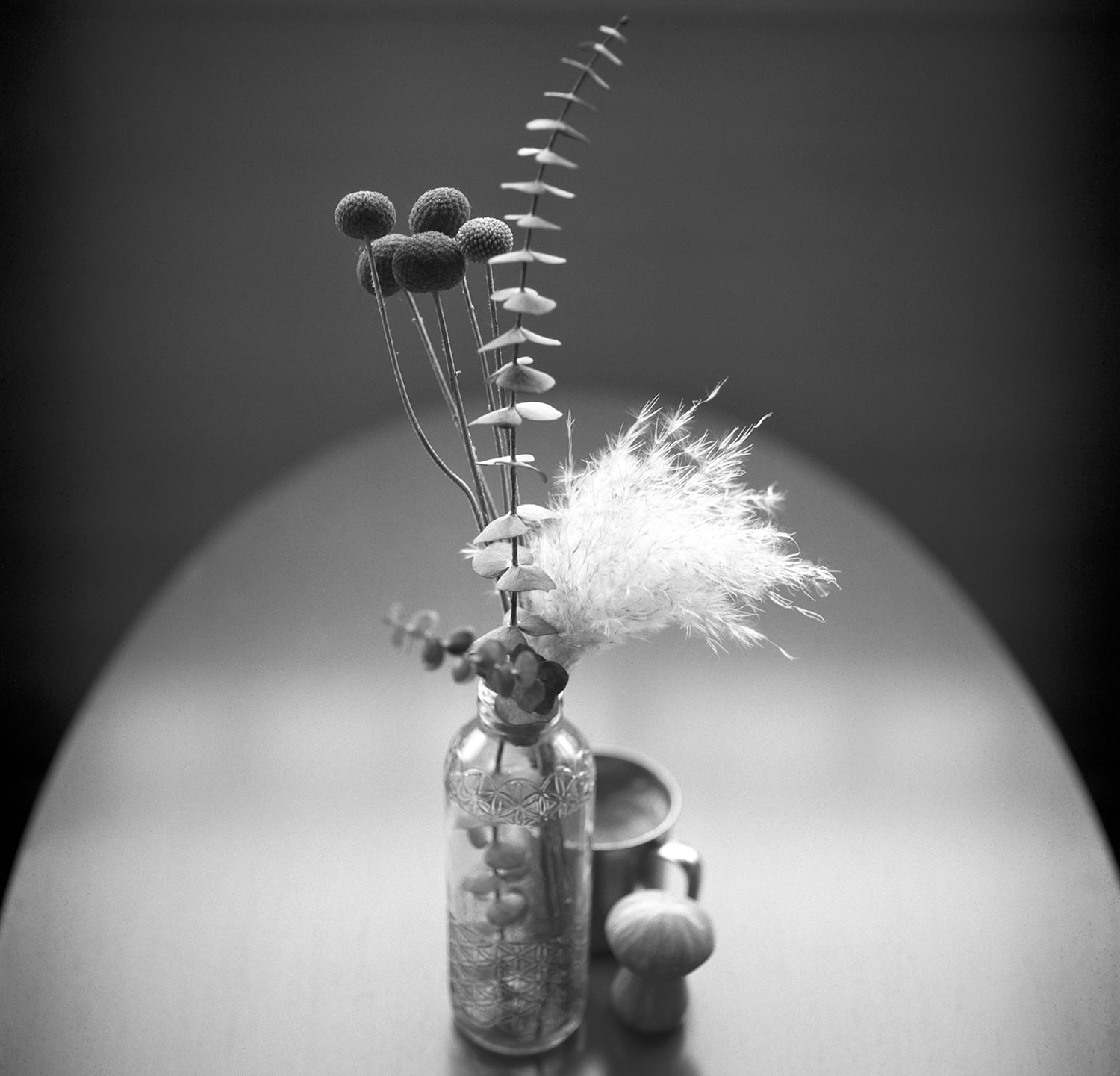
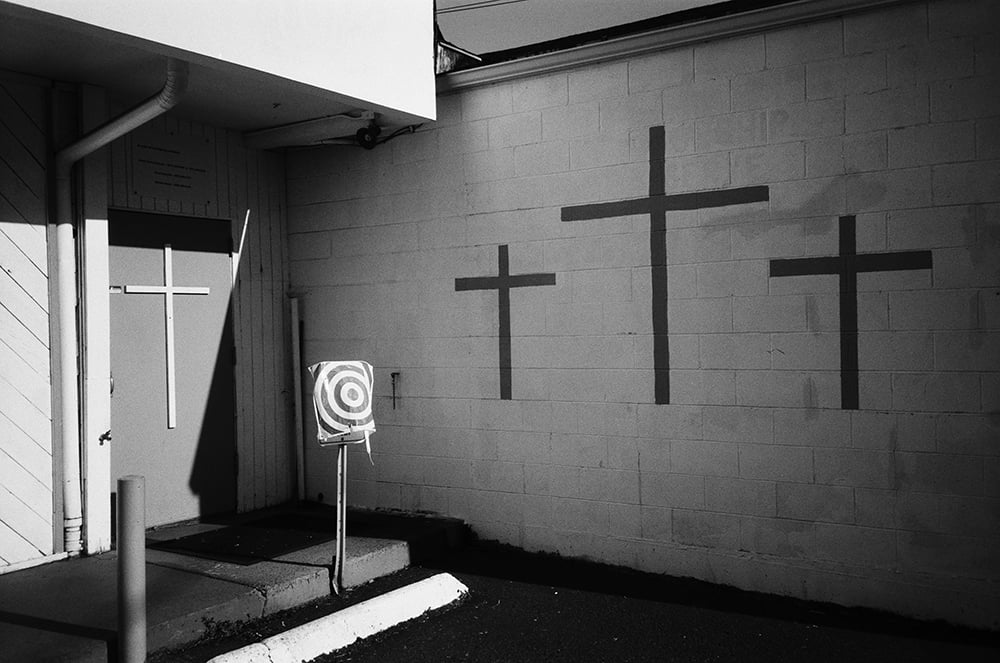

This is neither a good behavior nor a bad one—perhaps it is both; it is simply what we tend to do. And even when you work in an all-analog camera store, like Blue Moon Camera, you can fall into these patterns. And this is where XP2 comes in. Ilford XP2 was one of those films we never used all that much. To be honest, Kodak Tri-X and Ilford HP5 were our typical go-to film stocks. Yet every now and then we would find cause to shoot with a roll of XP2 instead.
This might happen two or three times a year. And each of those times we would get the negatives back and think to ourselves, “Wow, XP2 is a gorgeous film. Why don’t we use this stuff more often?” Of course, the answer is because we know what we know, and we like to stick with that. And thus we decided to set about changing this. We made it a personal project to not just shoot a roll of every film we carried, but actually use it repeatedly and get to know it. One film at a time we would go out for several months, working through multiple rolls, taking our time, learning each emulsion’s quirks and characteristics, and then coalescing those experiences into a collection of images and a written review. The goal was to pass along not just the knowledge and experience we had gained, but the inspiration as well.
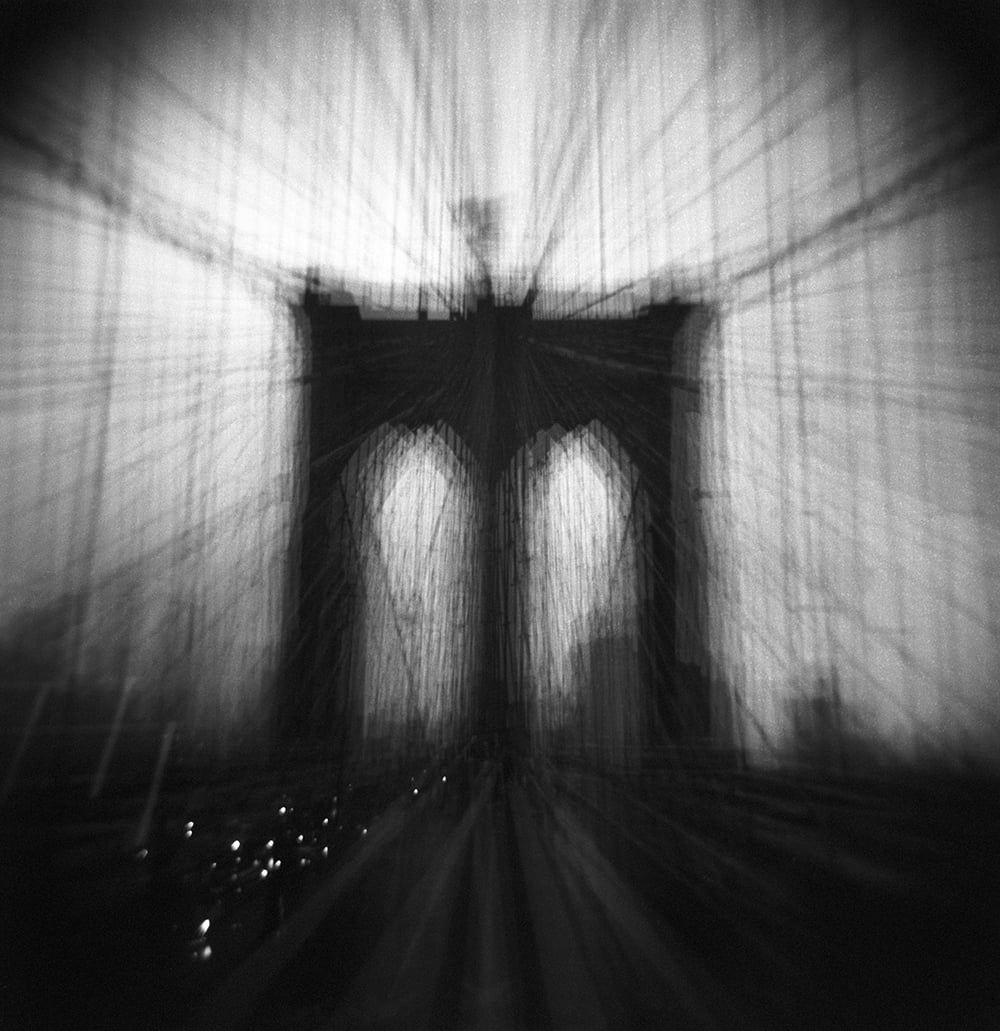

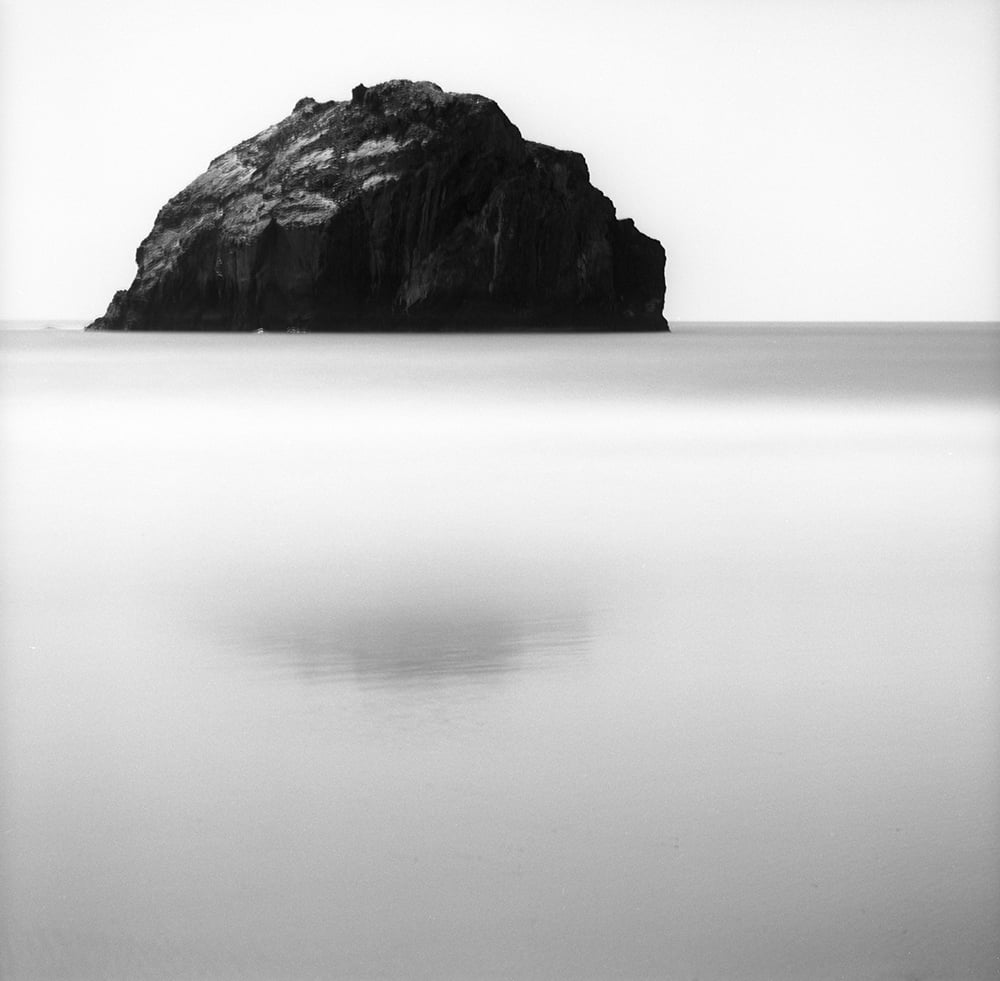
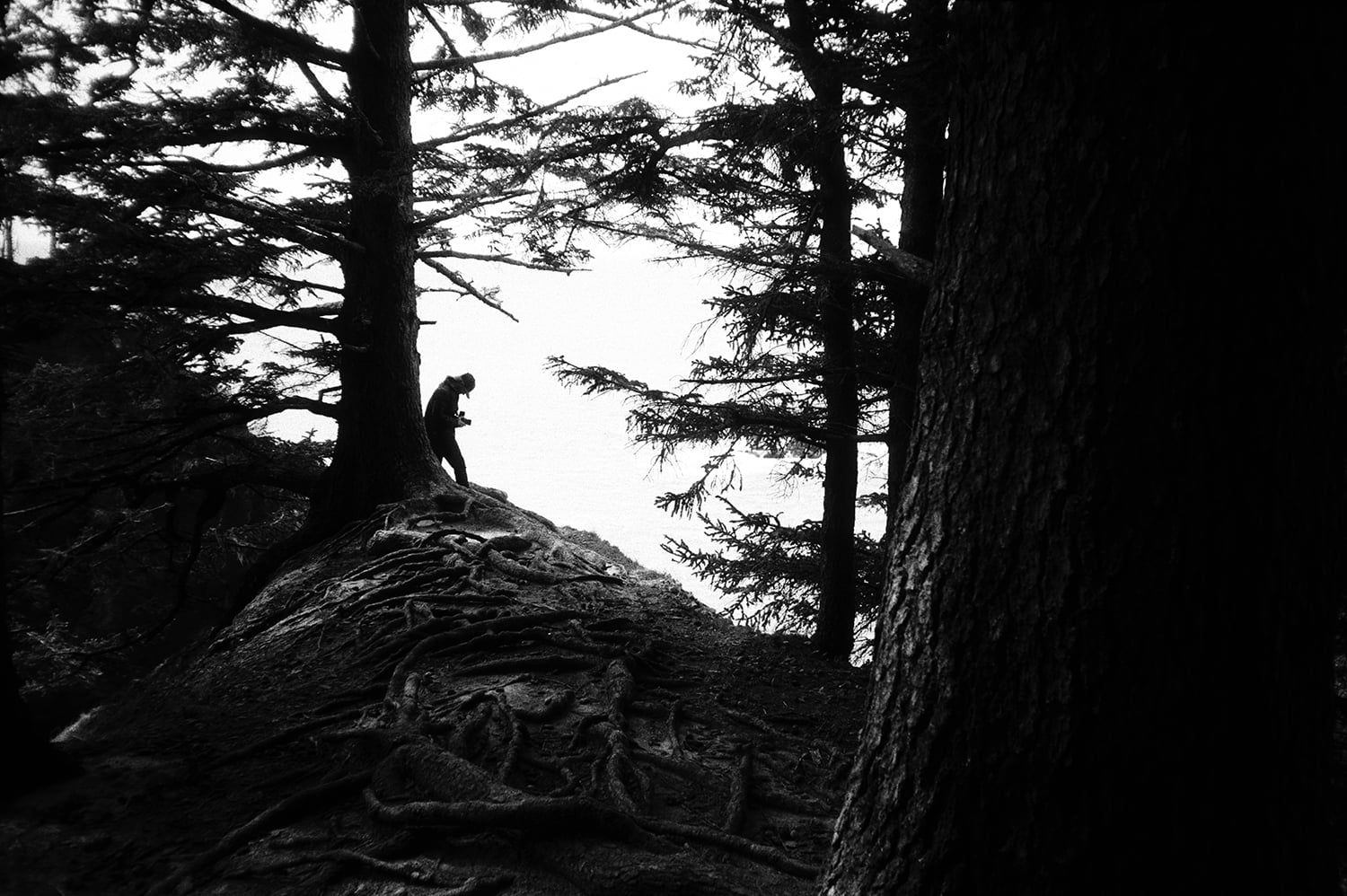

There is something to be said for working in depth and committing to a single film and knowing it like you know nothing else. But there is also something to be said about breadth and being familiar with all the myriad options open to you in your creative pursuits. And that is the beating heart of our Film Fridays. It is about celebrating the wealth of options open to us. It is about reminding ourselves that there are more films out there than simply Ultramax, Portra, or HP5. And of course, it is about learning and growing as film photographers.
So having said all that, we came up with the idea of Black (and White) Film Friday only a few years ago. Yes, it is timed to coincide with Black Friday, and yes, quite admittedly, there is a bit of a commercial gimmick built into that. But there is also more to our B&W Film Friday than the sales angle. Let us explain.
In a similar way to how many of us gravitate toward a select few film stocks, we have also noticed that, generally speaking, many film photographers lean toward color film photography. This is especially true with newer film photographers. A big reason is we see the world, and our lives, in color, so it is a natural or even reflexive deduction to photograph with color film. Time and again we have had customers at the counter ask for film recommendations, and we, in turn, ask if they are interested in color or B&W film. It is not uncommon for them to respond to that simple question with some surprise that they had not even considered black and white and had never even tried a roll of it. This is the thing with habits; they tend to fit so snugly we can forget they are even there.
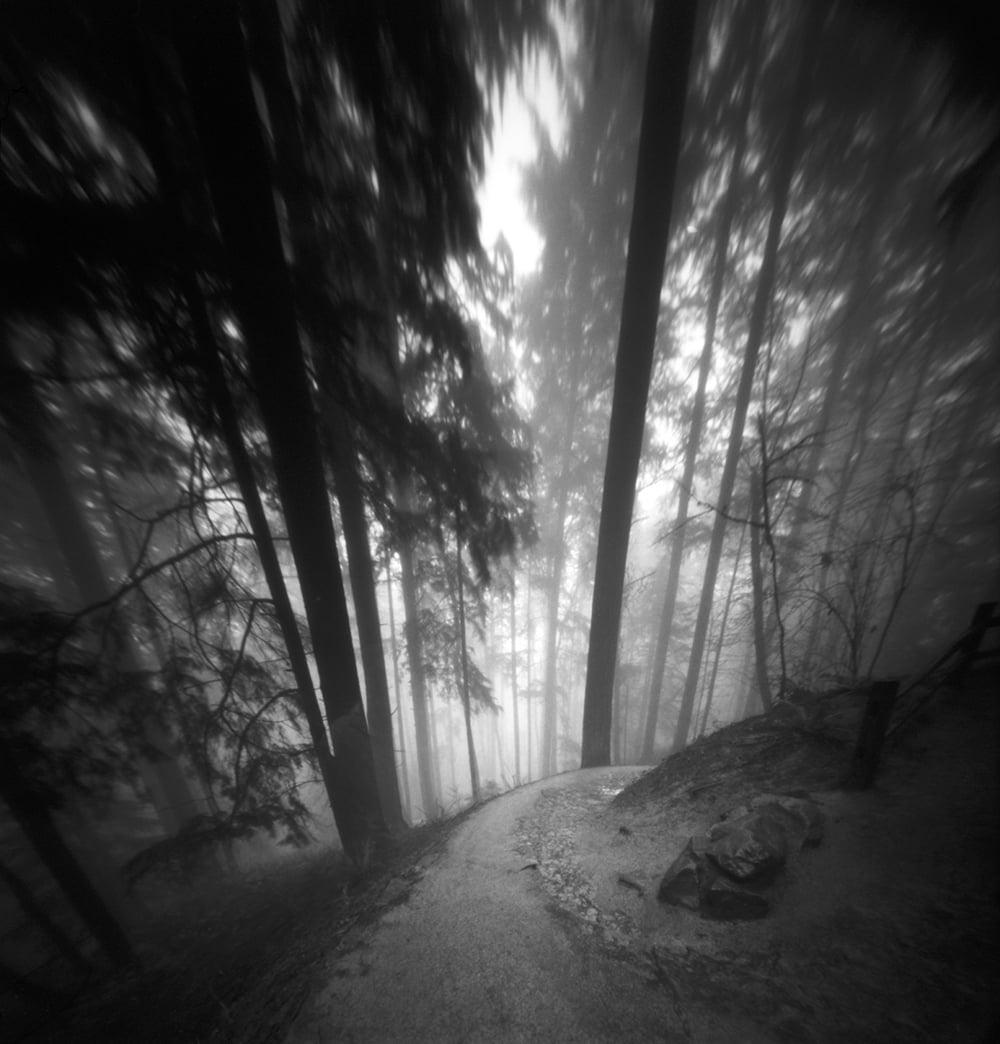
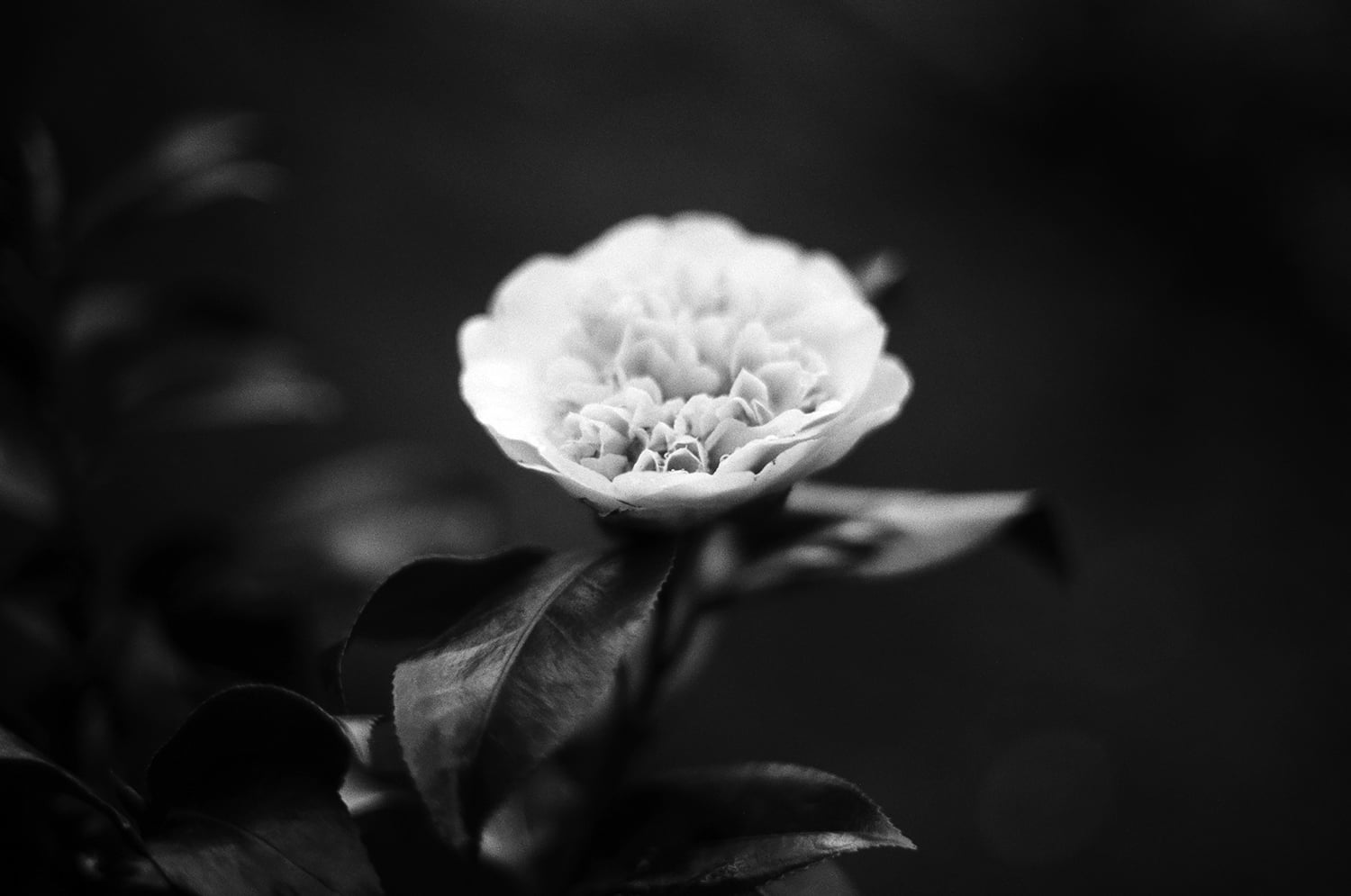
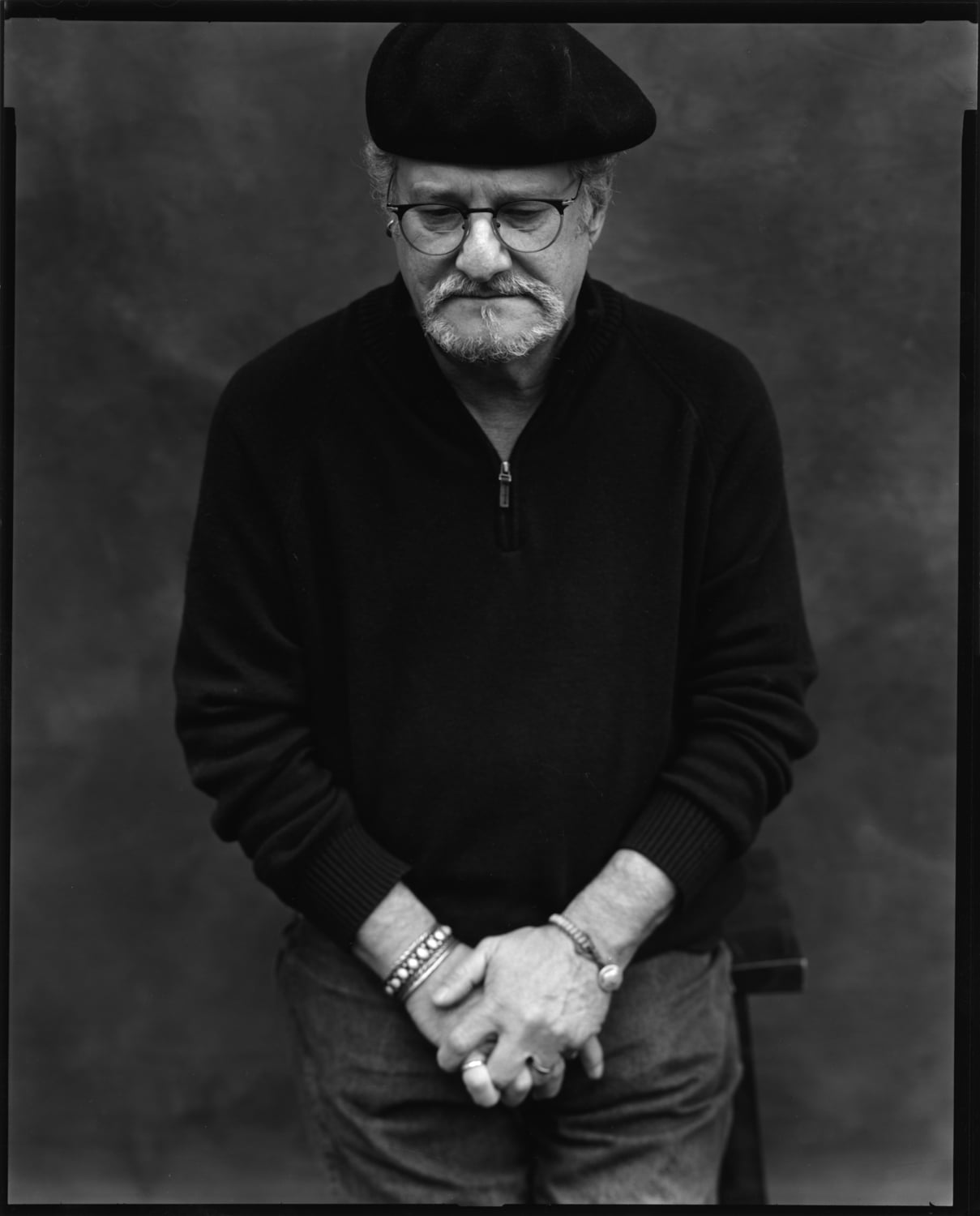
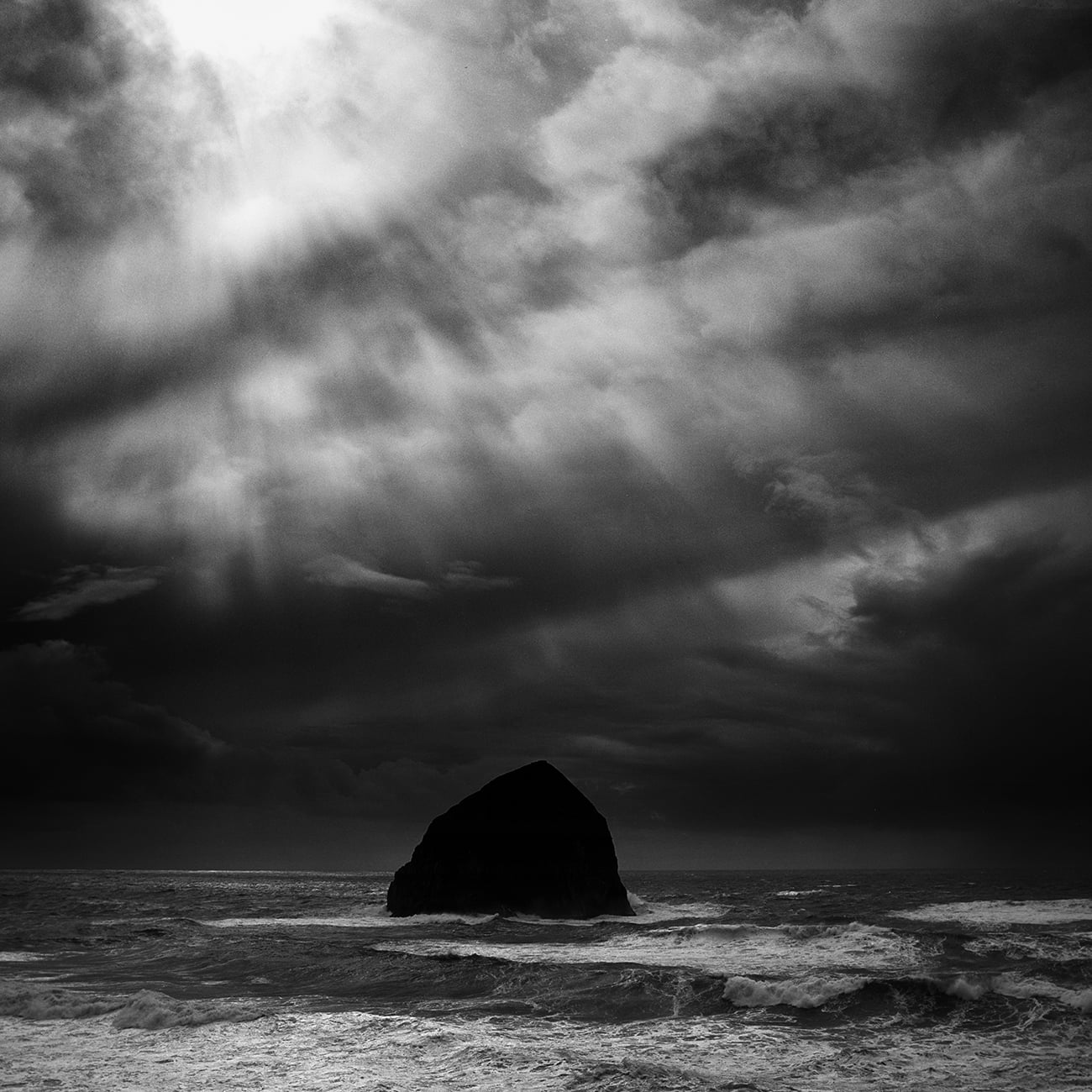
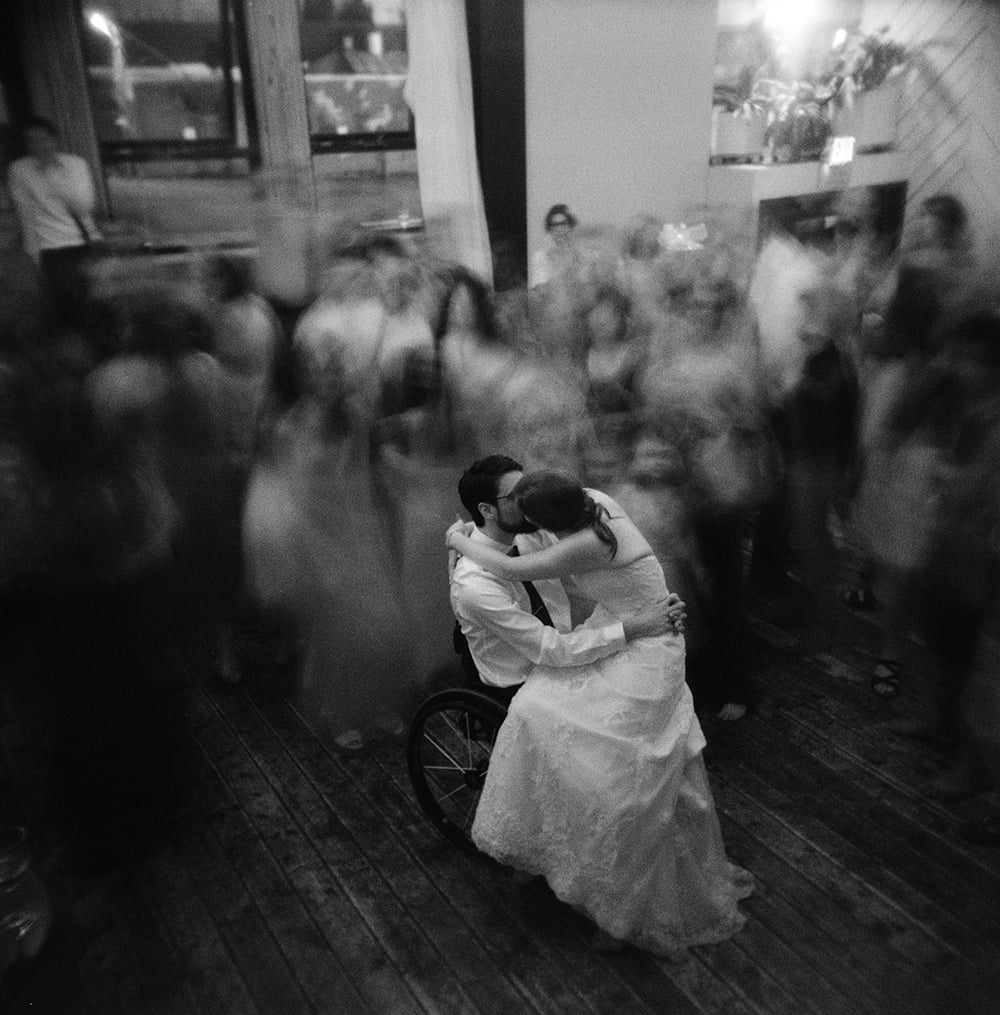
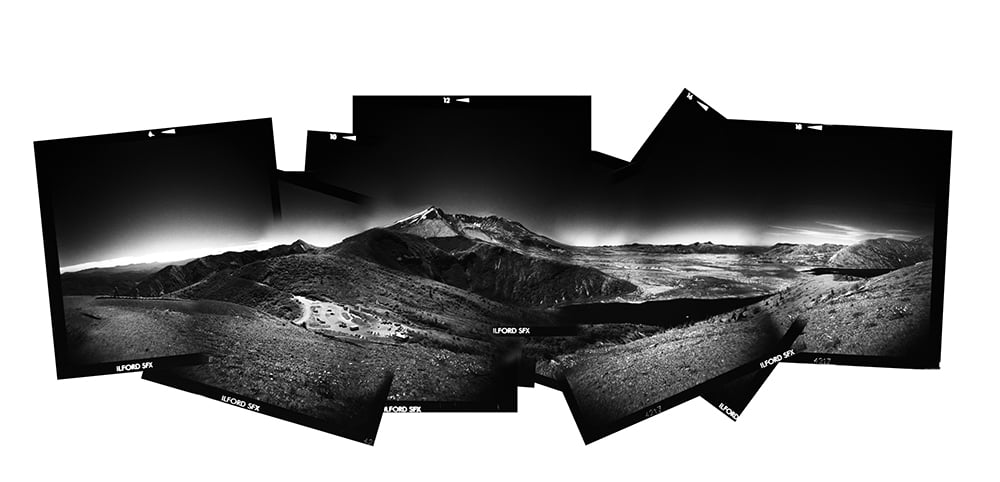
But B&W film should not be forgotten or overlooked. In short, there is a classic beauty and a timelessness that can only be captured with B&W film. It also simplifies the world in its way by converting colors that may otherwise be distracting into tones of grey and letting us make images about something other than the reds, oranges, yellows, greens, blues, and violets of the world.
Black and white allows us to focus on light, textures, relationships, shapes, patterns, grit, grain, and so many other elements (or ideas). It isn’t that you cannot do these things with color film—you can—but there is a directness with which B&W lets you approach these things. This is harder to understand via explanation than it is through experience. So we run our B&W Film Friday not just for the photographers who already love their black and white films, but also for those who have never stepped into those waters.
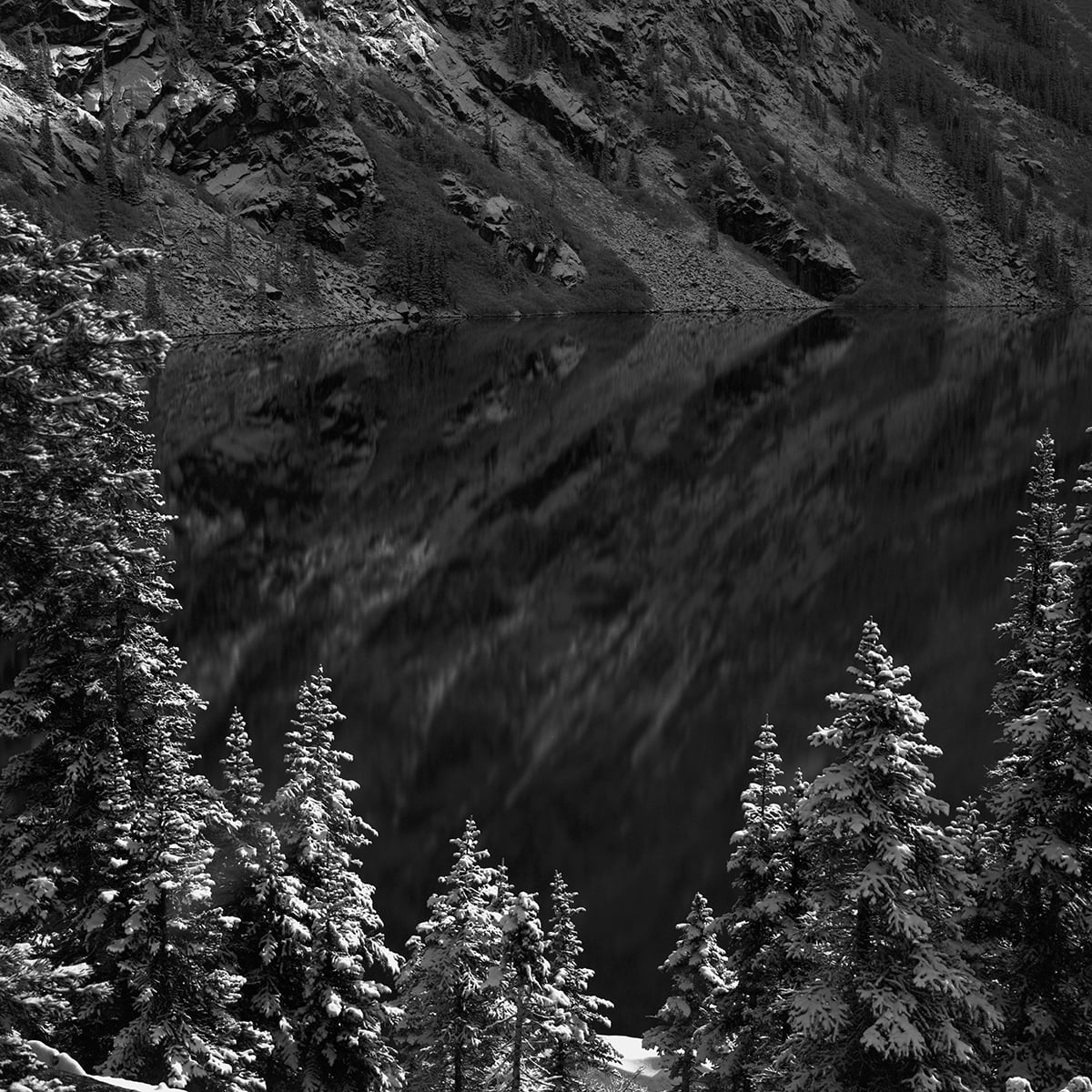

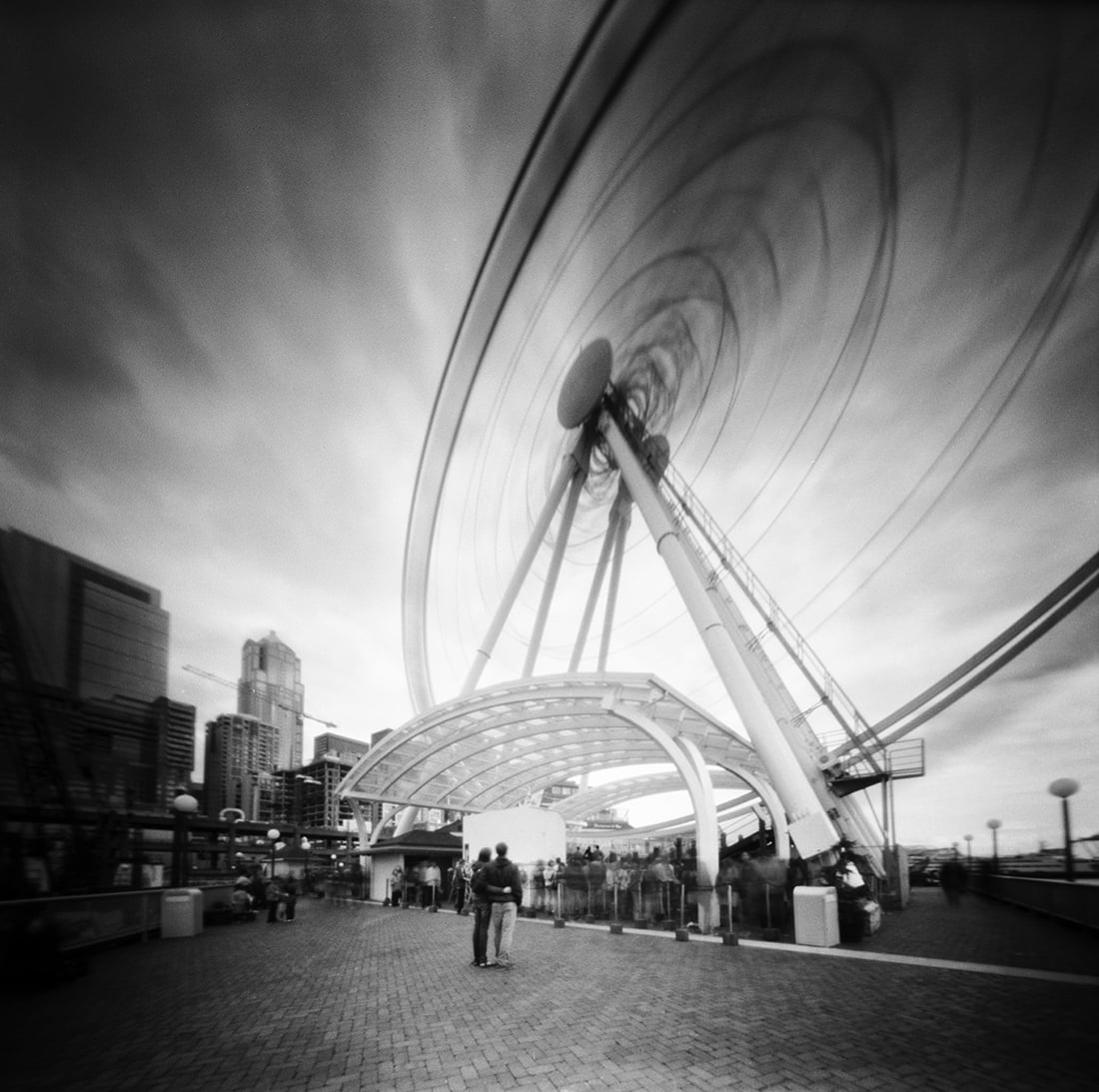
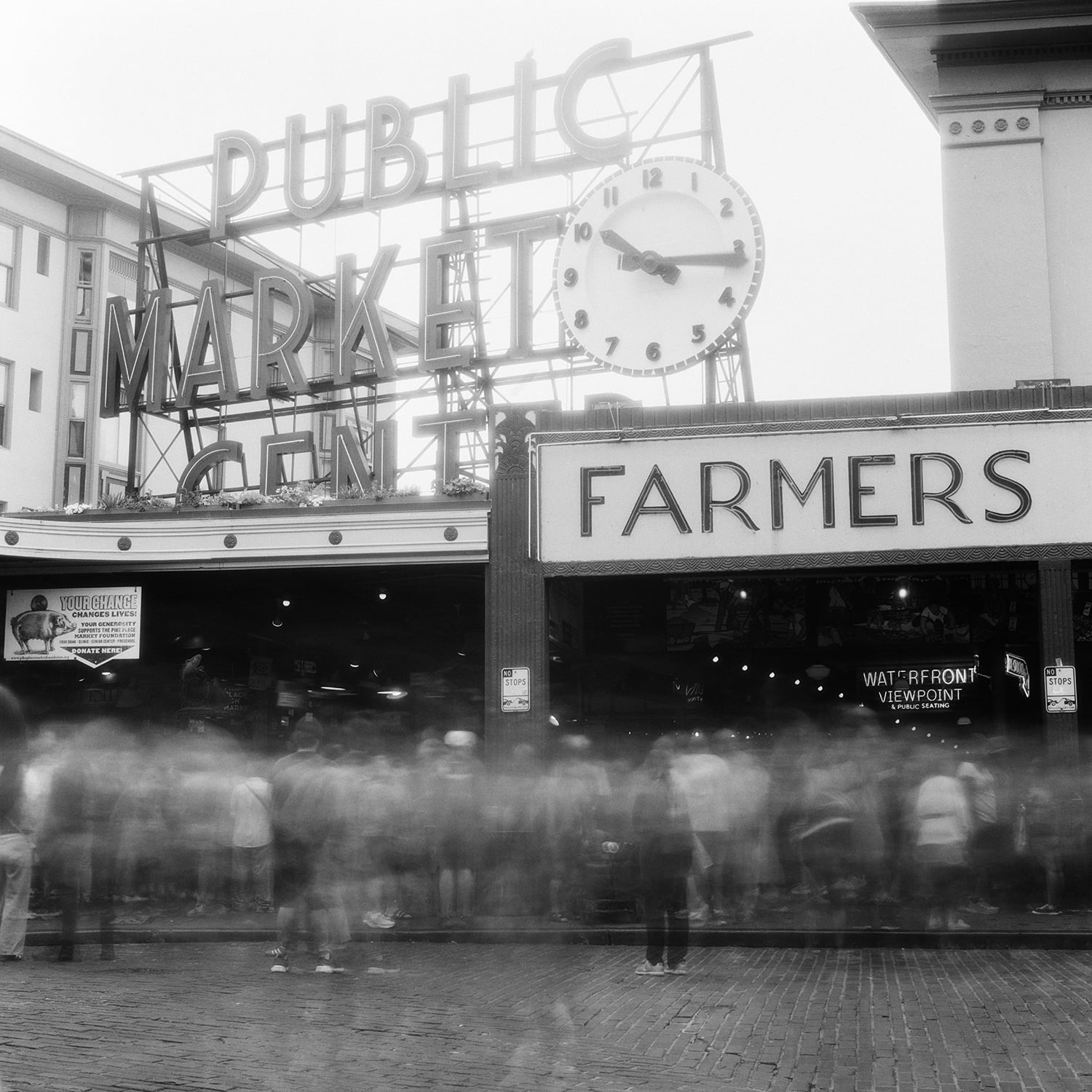
And there is a crazy variety out there to work with. There are more different types of black and white films than there are color films. We did a rough count, and once you eliminate all the different format choices and focus on just the different emulsions, we have at least 45 unique film stocks to try.
These films are mostly of the black and white negative type, but there are a few reversal films as well and also a couple of black and white instant films to keep in mind. Let’s repeat that number for emphasis: there are at least 45 unique black and white films in our inventory alone. And we don’t even carry every possible B&W film option on the market. That is easily in the 50s and maybe the 60s once you go out into the wider market looking for these films.

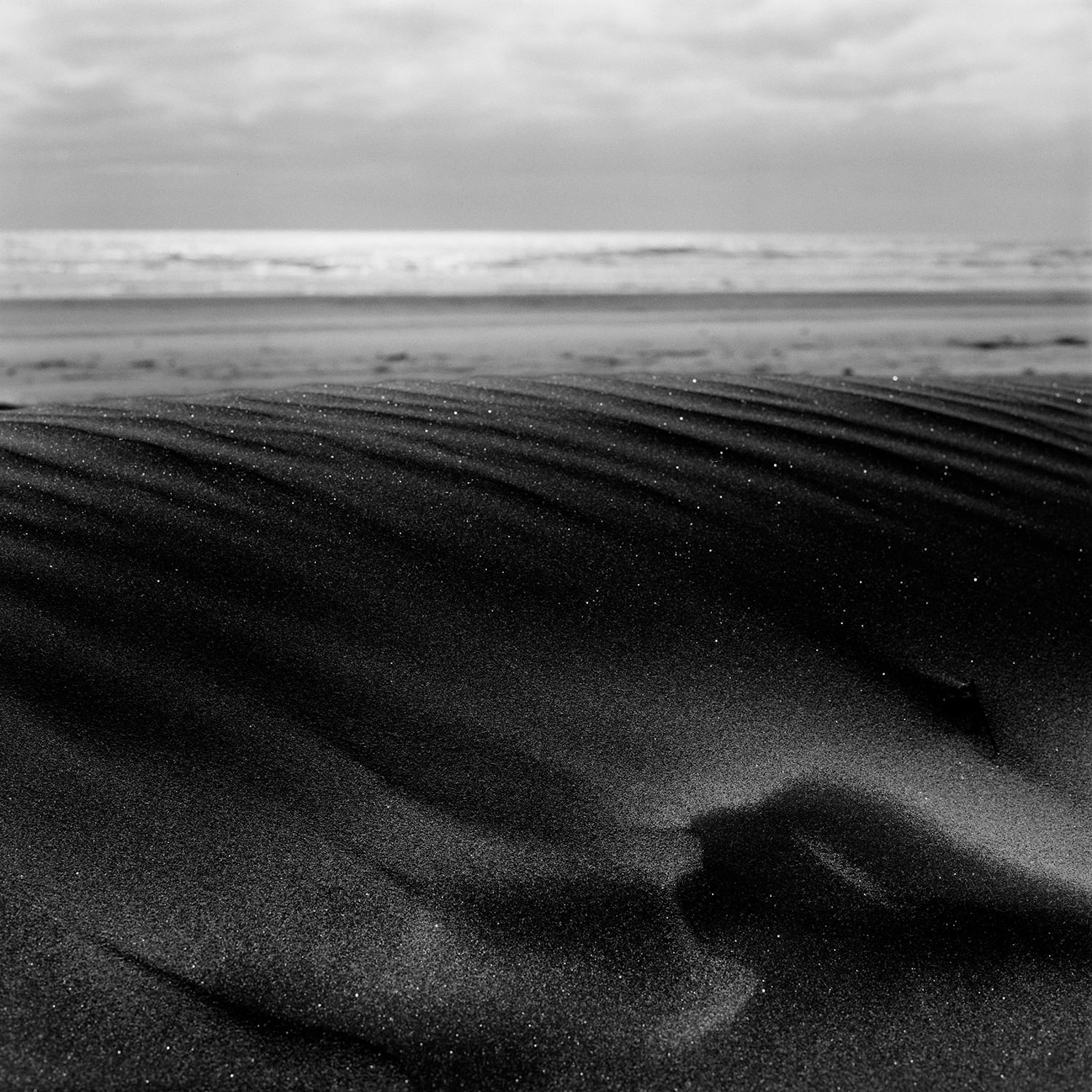
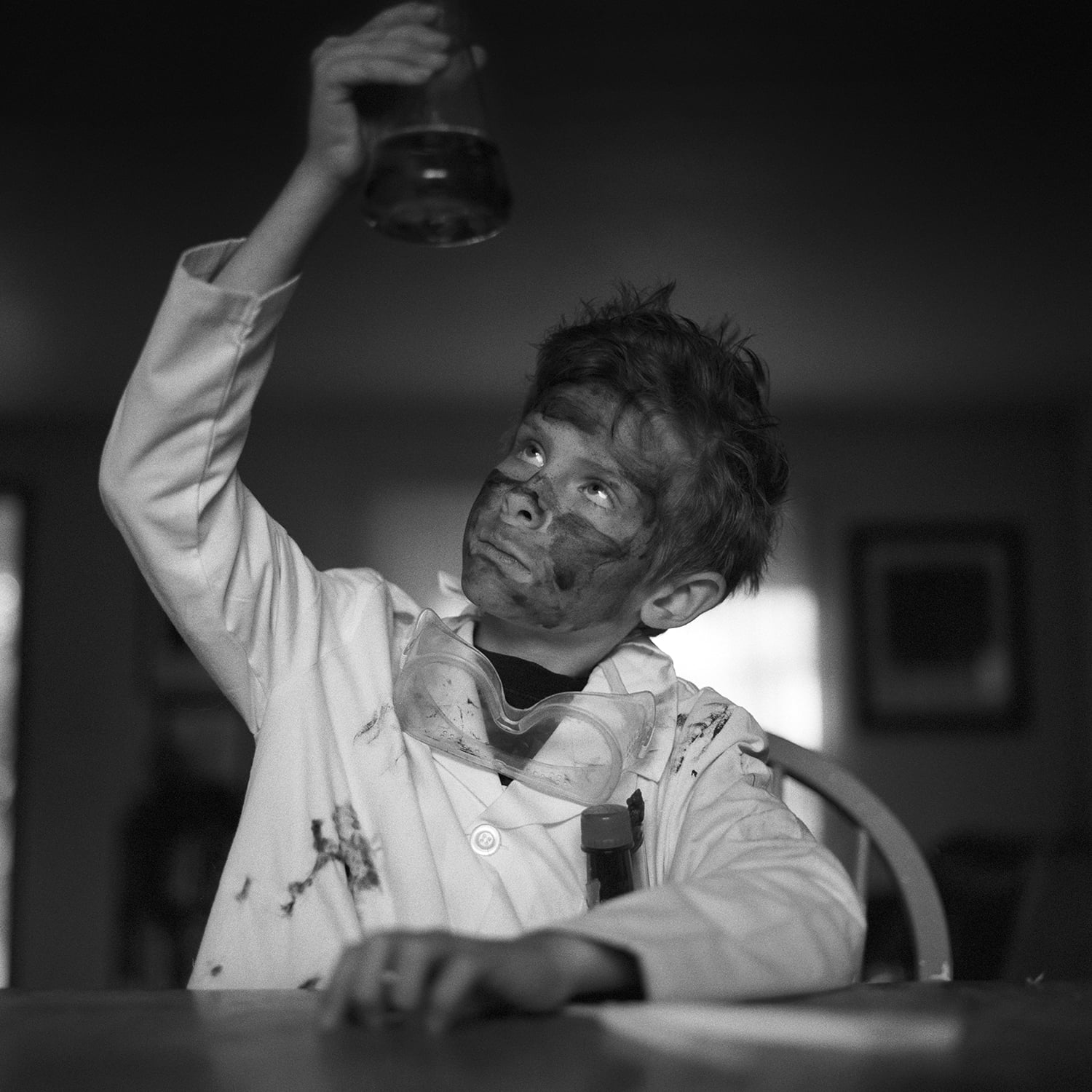
So what are you waiting for? That is a lot of film to try, and our guess is most of you have perhaps not even used half of these. So take advantage of this one day where you can pick up more of your favorite B&W film, or you can try something entirely new. We heartily recommend doing both. Visit our online store or come by our shop in St. Johns, Portland, Oregon, and get some film.
Image creditsAll photos are individually credited and come courtesy of Blue Moon Camera and Machine.
Affiliate Disclosure PetaPixel articles may include affiliate links; we may earn a commission if you buy through one.