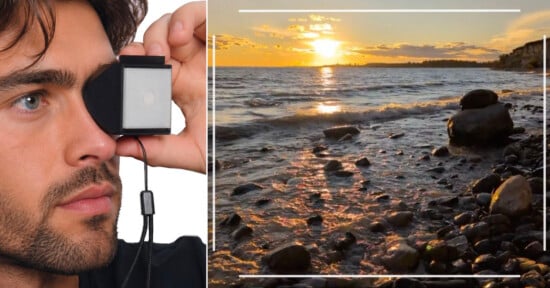
Photographer Sets World Record With Tiny Film Camera
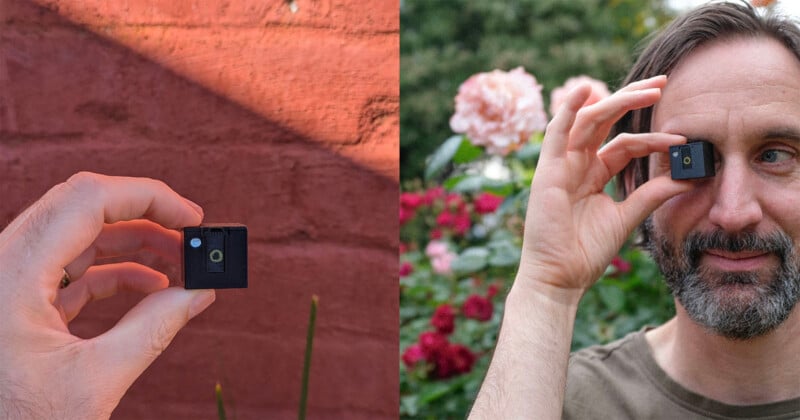
An art teacher and photographer has been given a Guinness World Record for creating the world’s smallest working film camera.
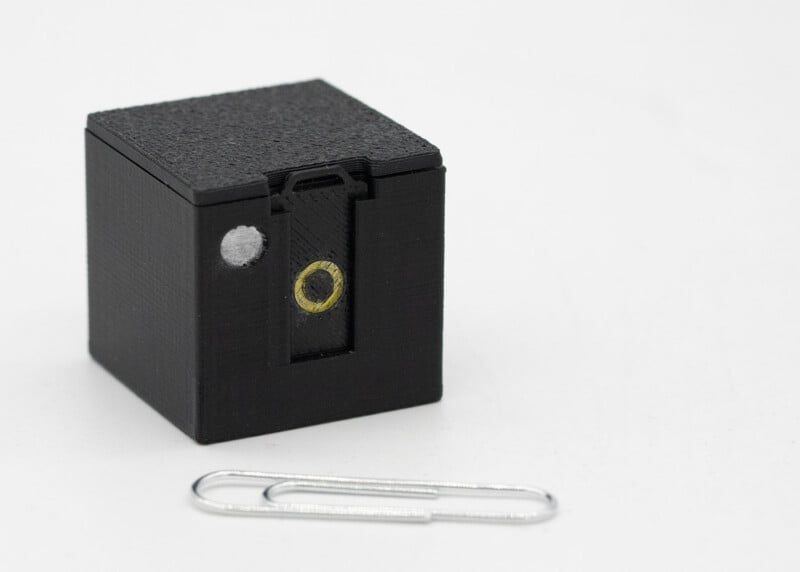
Measuring just 2.48 × 2.41 × 2.48 centimeters (0.97 x 0.94 x 0.97 inches), the design of the Pocket Obscura is based on one of the best-selling cameras of all time, the Kodak Brownie.
“The project took almost a year from the initial idea to the finished camera and official record attempt,” the camera’s creator, Luke Fazekas, tells PetaPixel. “There were plenty of hours spent designing, printing, testing, refining, and starting again.”
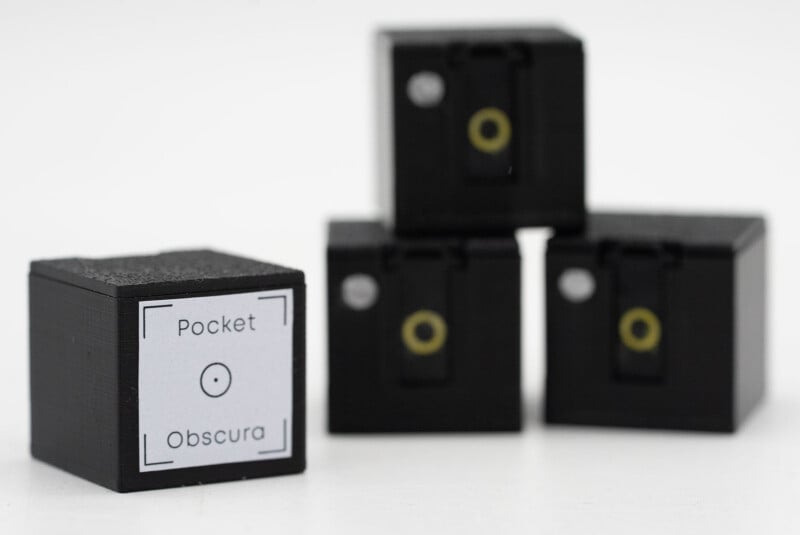
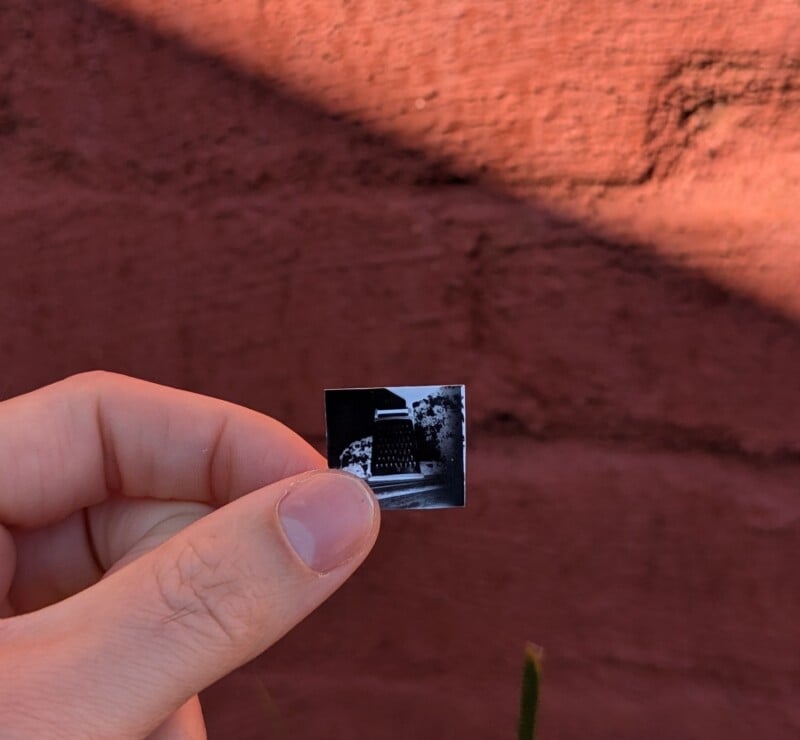
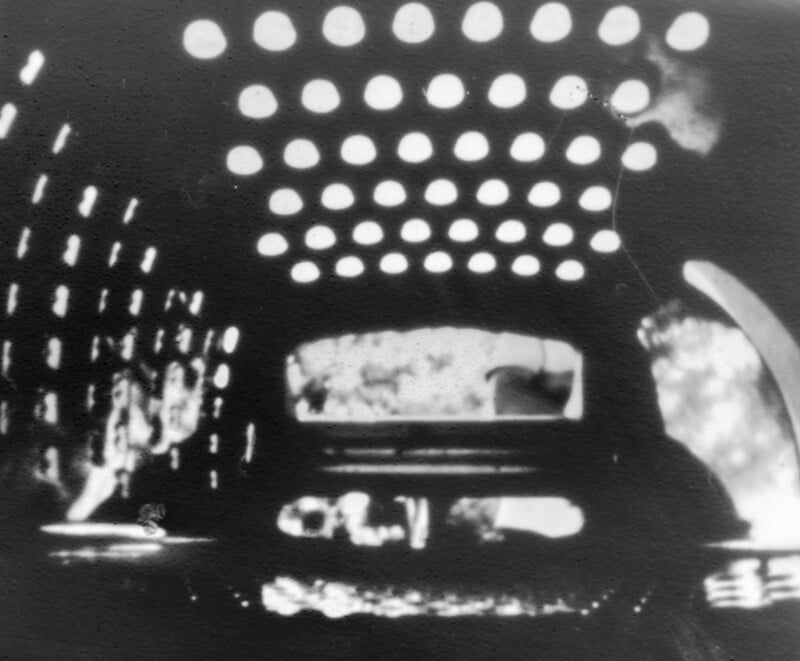
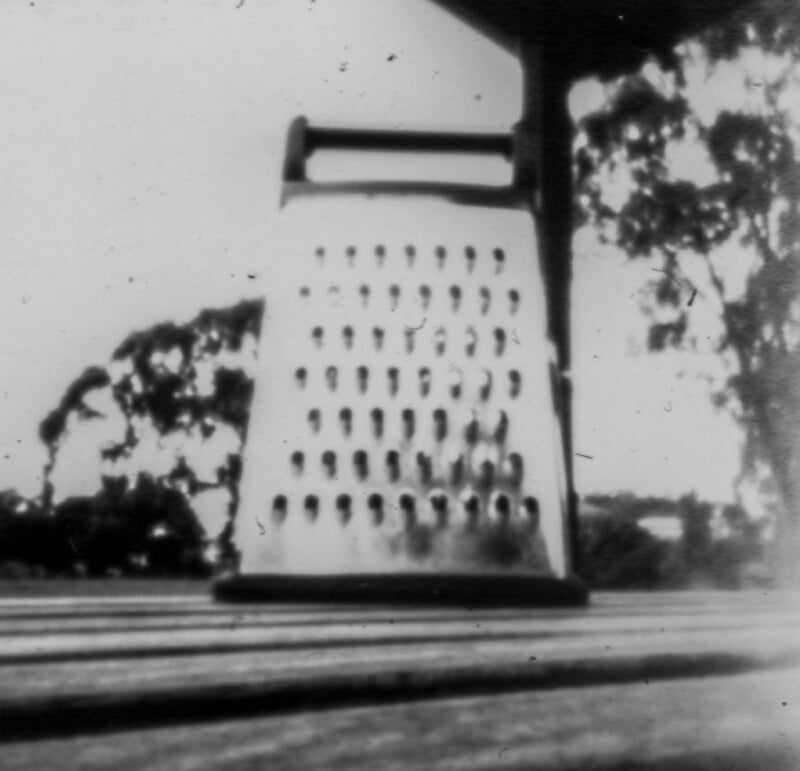
Fazekas, who is based in Melbourne, Australia, says that one of the biggest challenges was getting the minuscule camera to actually function and take recognizable photographs.
“The camera uses a tiny pinhole aperture rather than a conventional lens. I tried different pinhole aperture sizes, focal lengths, and camera dimensions to achieve the desired results,” he explains.
“Another challenge was getting the exposure right. The camera has a manually operated shutter, which I lift for a predetermined amount of time depending on the available light. With such a small aperture and no conventional lens, getting a consistent and well-exposed image requires plenty of testing and fine-tuning.”
Fazekas says he’s always been fascinated by analog cameras and the mechanics of how they work.
“The camera itself takes inspiration from the Kodak Brownie, particularly its simple box-camera design,” Fazekas says.
“The Brownie helped popularize photography by making cameras affordable and accessible to everyday people. I have always been interested in its influence and how such a simple design could have such a significant impact.”
Fazekas has previously 3D printed components and adapters for old film cameras that have long been discontinued. From that, he began wondering what the world’s smallest analog camera was.
“I began researching and was surprised to discover that, according to Guinness World Records, no such record existed. When I enquired, they sent me a measurement as a benchmark. The idea of being the first to attempt it was tempting, and what started as a bit of fun soon developed into a much bigger project,” he says.
“I really enjoy combining different creative disciplines, and this project brought together photography, design, technical exploration, and problem-solving.”
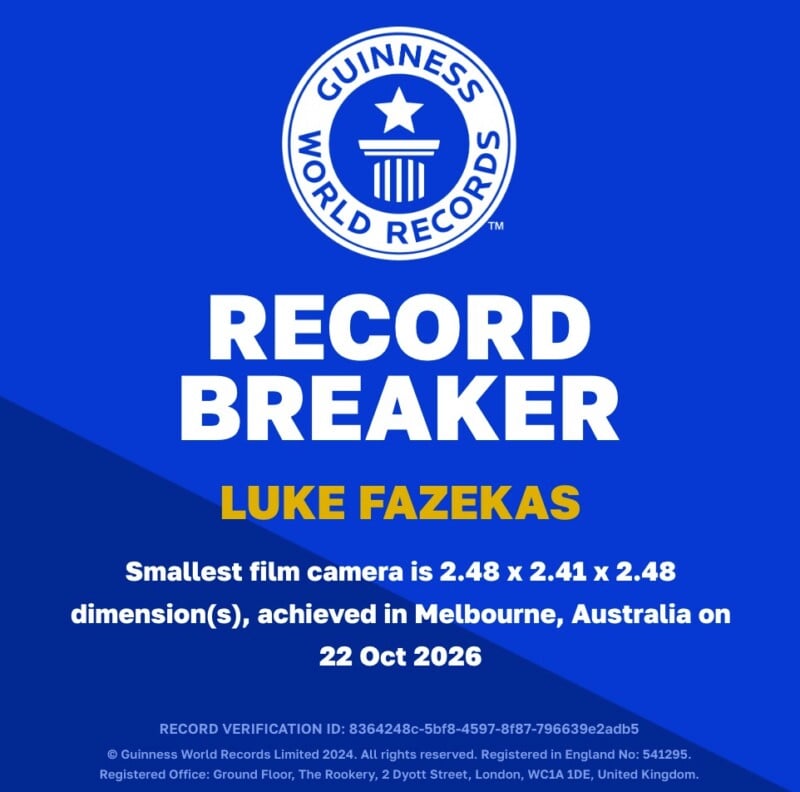
According to Australian Photography, Fazekas had to find a qualified metrologist — someone who specializes in the study of measurement — so that his Pocket Obscura could be measured to the nearest 0.01 centimeter.
“It is great to have the record officially recognized, but I do not think this is necessarily the end of the project,” Fazekas adds.
“To achieve the record, the focus was on the camera itself. Now that I can consistently produce recognizable images, I want to spend more time refining and improving the photographic results.
“I still feel that I have not quite achieved the perfect exposure, and perhaps that is something I will be chasing for a long time. That is part of the appeal of analog photography; there is always something to discover and improve.”
For many photographers, their first taste of film was via a pinhole camera, and Fazekas sees his creation as a potential educational tool.
“Coming from a visual arts teaching background, I love the idea that something like this can introduce students to photography through a combination of art, science, mathematics, and technology,” he says. “It demonstrates that you do not necessarily need sophisticated equipment to create something interesting.”
Image creditsCourtesy Luke Fazekas
Affiliate Disclosure PetaPixel articles may include affiliate links; we may earn a commission if you buy through one.