AI-Generated Food Photos are Causing Concern in Japan
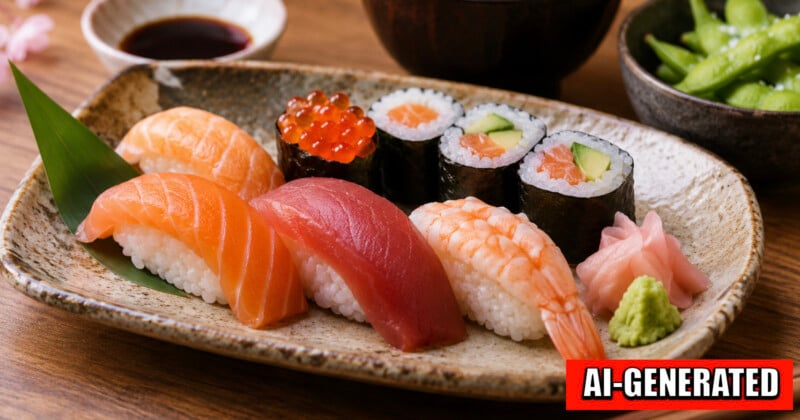
The growing use of AI-generated food images in Japan, a country with strict laws against misleading product photography, is raising concerns.
In much of the world, food photography on product packaging often exaggerates what is inside. But in Japan, it is illegal for companies to use misleading food photos on product packaging.
In Japan, food packaging must show the product exactly as it is even a tiny exaggeration is seen as misleading.
No fake ads.
No chemicals.
No adulteration.
Just pure honesty in every bite. https://t.co/kFKP0n9a1c— Dr. Rajeshwari Iyer (@RajeshwariRW) October 28, 2025
Japan enforces some of the world’s toughest packaging regulations. Companies must ensure that the photos on their packaging accurately reflect the actual product, and failing to do so can lead to legal consequences. Any discrepancy between a product’s image and the real item is considered misleading. Even minor exaggeration or embellishment can be treated as a violation.
Under Japanese law, photos on product packaging are treated as factual claims. If a photograph on a packet of crackers shows toppings arranged in a certain way, the crackers inside must match that presentation. The size, shape, and appearance of the product should closely mirror what is depicted in the image.
However, despite Japan’s strict standards for product photography, AI-generated food images are rapidly spreading throughout the country’s food and restaurant industry, prompting a backlash from consumers, according to recent reports.
An increasing number of food and beverage businesses are turning to generative AI to produce food images, menus, and promotional posters. The practice has frustrated some Japanese consumers, who say they deliberately avoid visiting restaurants that use AI-generated promotional images.
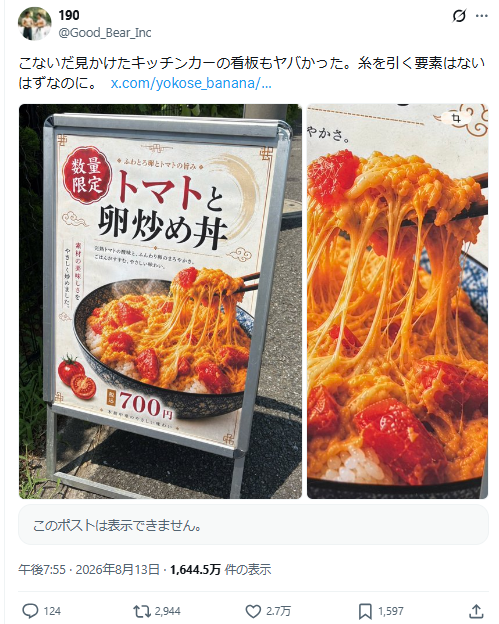
In one particularly example, a Japanese food truck went viral in the country after using AI images of a “tomato and scrambled egg rice bowl” that had a melted cheese pull look, despite the dish not having any cheese in it. Following online backlash, the food truck owner issued an apology and pledged to replace the AI images with real photographs.
Under current Japanese law, there is no requirement to disclose whether an image is AI-generated. However, in a country where the accuracy of product photography has long been subject to strict legal standards, the growing use of fake food imagery is raising questions about authenticity, consumer trust, and how far AI should be allowed to replace traditional photography and design.
Affiliate Disclosure PetaPixel articles may include affiliate links; we may earn a commission if you buy through one.