Photographers are Suing Uber Eats for Copyright Infringement Over Its Use of Their Food Photos
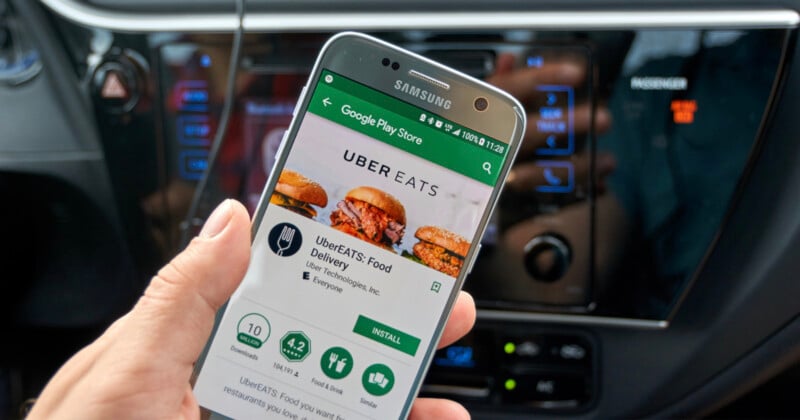
A group of food photographers has been given the green light to proceed with a copyright infringement lawsuit against Uber Eats.
Last year, more than 20 professional photographers sued Uber Technologies Inc., the parent company of Uber Eats, in the U.S. District Court for the Southern District of Florida. They accused the company of infringing their copyrights by displaying their food photographs without permission.
The photographers say they never transferred ownership of the images or permitted Uber to use them. However, they allege that Uber copied and used the photographs on its website to advertise and promote its business and sell its products and services. They also claim Uber shared the images with its employees, contractors, customers and business partners.
In April 2026, the judge dismissed some of the photographers’ claims for vicarious and contributory copyright infringement, as well as claims relating to dozens of unregistered photographs that were not adequately alleged to be foreign works.
However, in a recent ruling, Judge Beth Bloom of the U.S. District Court for the Southern District of Florida allowed the group of professional photographers to proceed with several of their copyright infringement claims against Uber Eats over their food pictures posted on the platform. According to a report by Bloomberg Law News, Judge Bloom rejected Uber’s argument that it cannot be held liable for images uploaded to its platform by third parties.
In its request to dismiss the lawsuit, Uber argued that the photographers had failed to establish who was responsible for uploading the allegedly infringing images. However, Judge Beth Bloom ruled that they had sufficiently alleged that either Uber employees or agents, or restaurant merchants, had uploaded the photographs. She also found that Uber’s alleged practice of reviewing images before publication, and its contractual right to reject, remove, or modify them, suggested it could prevent copyright infringement.
The judge also rejected Uber’s argument that the photographers had failed to demonstrate a direct financial benefit from the alleged infringement. The photographers argued that food photographs generate more clicks and orders on Uber Eats, increasing the commissions Uber receives. The judge found these allegations sufficient, saying the photographers did not need to demonstrate that each individual copyrighted image had generated additional sales.
Image creditsHeader photo licensed via Depositphotos.
Affiliate Disclosure PetaPixel articles may include affiliate links; we may earn a commission if you buy through one.