

Pioneering Female Photographer’s Work Discovered After Thousands of Negatives Found in Suitcase

The work of a pioneering female photographer, whose images remained hidden for decades until thousands of her negatives were discovered in suitcases, is being exhibited for the first time.
Violette Cornelius Rediscovered an upcoming exhibition at the Nederlands Fotomuseum in Rotterdam, the Netherlands, will bring together more than 200 works by Violette Cornelius (1919–1998), who was among the first generation of women to become professional photographers.
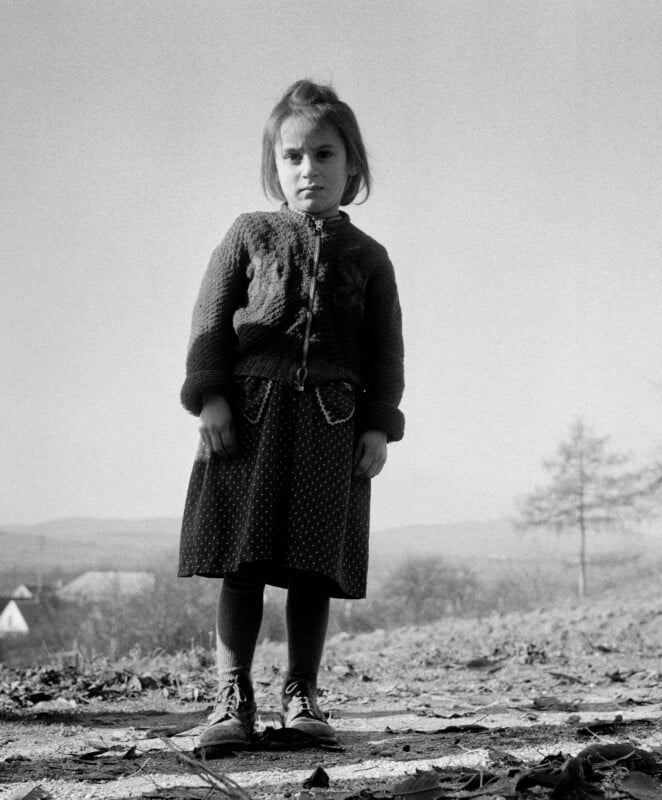

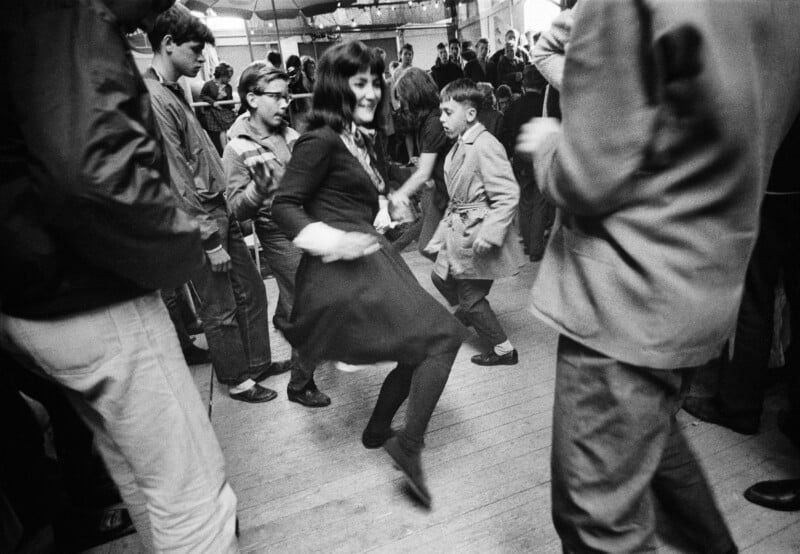
Based in Amsterdam, Cornelius was an active member of the artists’ resistance during World War II. She helped produce forged identity documents and documented the resistance movement through her photography. After the war, Cornelius worked in architectural photography, reportage, and photobooks. From the 1960s onward, she traveled to countries including Mali, Iraq, India, Yemen, and Peru, where she photographed the social impact of rapid urbanization.
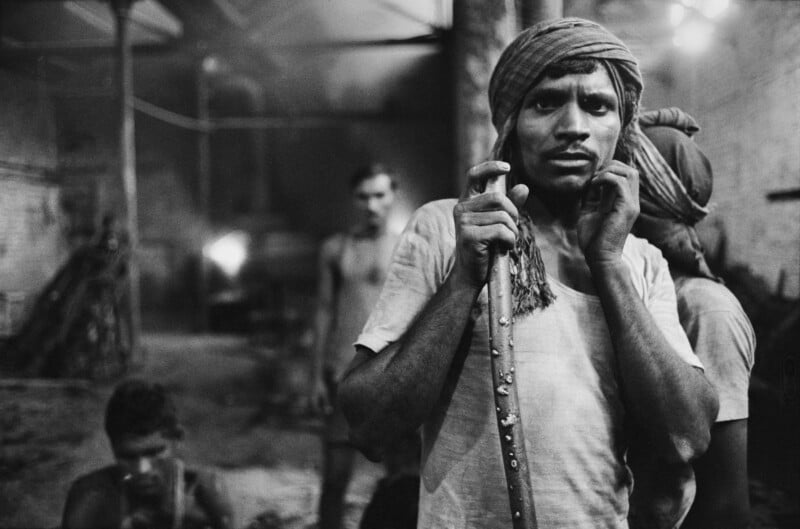
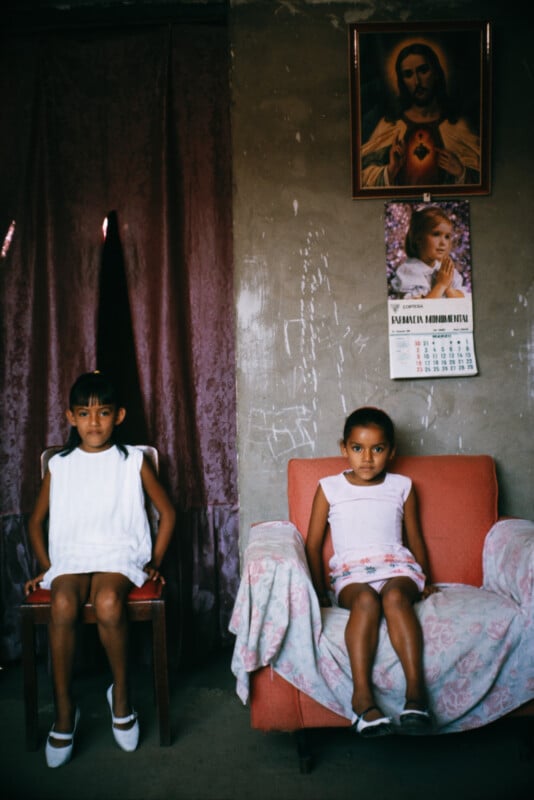
By living and working among the people she photographed for extended periods, Cornelius developed an intimate and personal style. However, much of her work, particularly her international reportages, remained largely unknown for decades.
‘We Were Astounded’
But in 2003, five years after Cornelius’ death, the Nederlands Fotomuseum received suitcases from her son containing thousands of negatives, slides, contact prints, and documents. A further discovery followed in June 2026, when five additional cases containing vintage prints, dummies, notes, and books were found.
Photo historians were astonished by the scale and quality of the photographs uncovered in Cornelius’ archive.
“We were astounded at the scale and quality of the work we encountered, work for which no place had yet been reserved in the canon of Dutch photography,” curator Loes van Harrevelt of the Nederlands Fotomuseum says of the discovery of Cornelius’ photo archive.

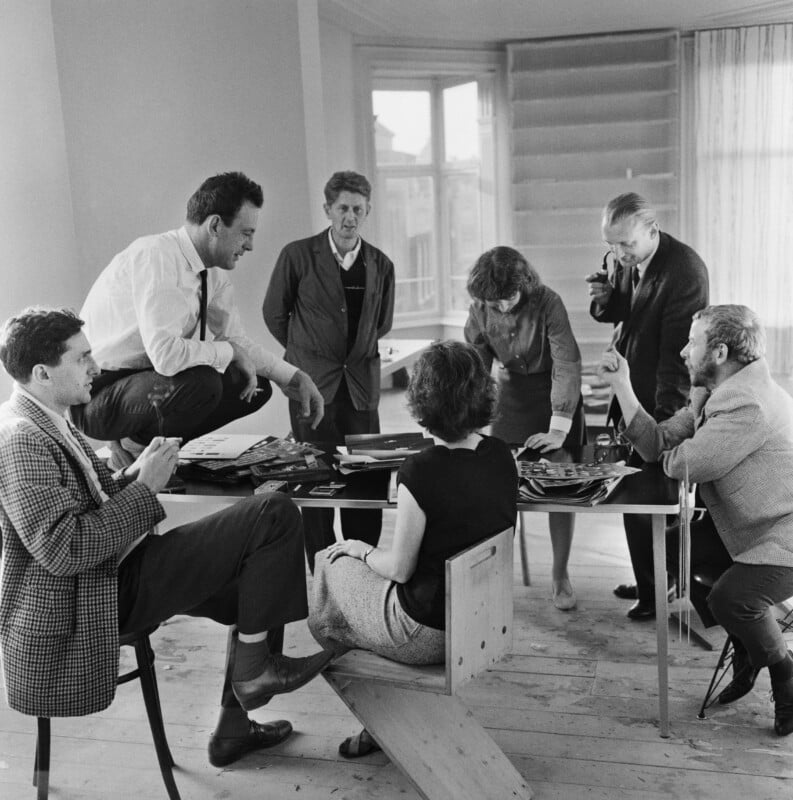
Cornelius’ photographs documenting resistance activities during World War II are now considered a unique visual record of the period. They have also been recognized as important heritage and included in UNESCO Nederland’s Memory of the World register.
Violette Cornelius Rediscovered will run at the Nederlands Fotomuseum from November 20, 2026, to February 28, 2027. The exhibition is the result of an extensive study of Cornelius’ life and work conducted by the museum and will feature more than 200 works. The exhibition will also coincide with the publication of the first monograph dedicated to Cornelius, bringing greater attention to a photographer whose work remained largely overlooked for decades.
Affiliate Disclosure PetaPixel articles may include affiliate links; we may earn a commission if you buy through one.