Sony World Photography Awards Honors James Barnor, Ghana’s First Photojournalist
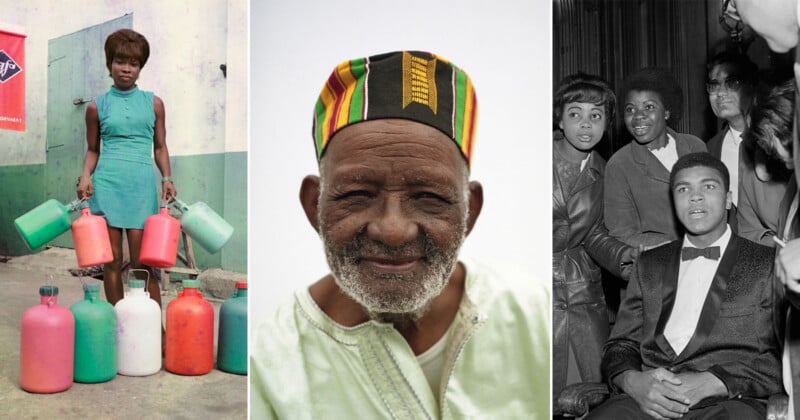
The Sony World Photography Awards and the World Photography Organization have revealed that photographer James Barnor is the recipient of the Outstanding Contribution to Photography title at the Sony World Photography Awards 2027.
This is a big year for the Sony World Photography Awards, as the renowned international photo competition is celebrating its 20th anniversary with some big changes. Likewise, it’s a significant honor for Barnor, who is considered Ghana’s first photojournalist.
“I am honored to receive this award. I was lucky to be born and brought up in a family of photographers, and I took full advantage of it to absorb as much as I could. When I opened my studio in Accra, I never imagined that my work would take me so far: through Ghana’s
independence, to London and back again,” James Barnor says.
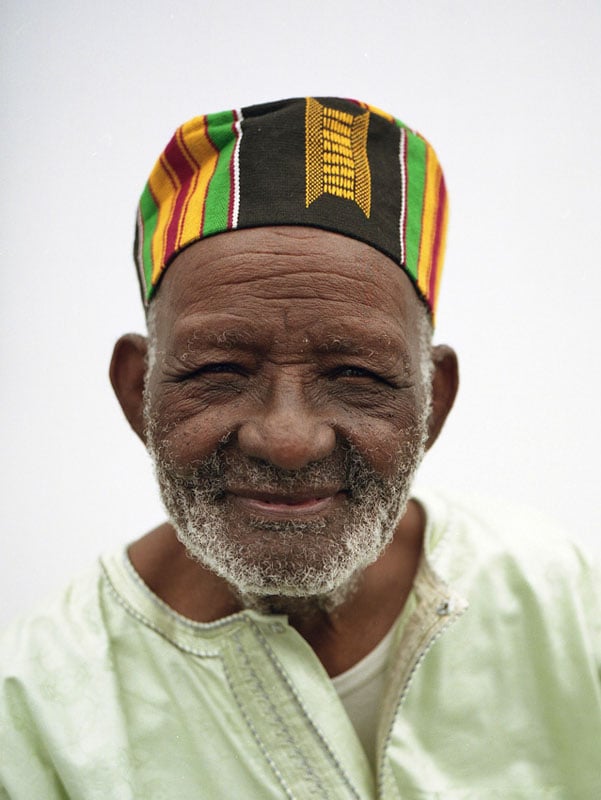
“My camera became my companion, and I have never regretted it. Wherever I went, I tried to learn so that I could share what I had learned. Today, that matters more to me than ever. Up and-coming photographers now have every chance to go even further, and I hope this exhibition will inspire them to stay curious, to tell their own stories, and to pass on what they know.”
Born in 1929, Barnor trained under his cousin, portrait photographer J. P. D. Dodoo. In 1950, Barnor became the very first staff photographer at then-new Daily Graphic in Ghana, right as the country was well on its way to winning independence in 1957, a massive societal and cultural shift Barnor captured along the way.
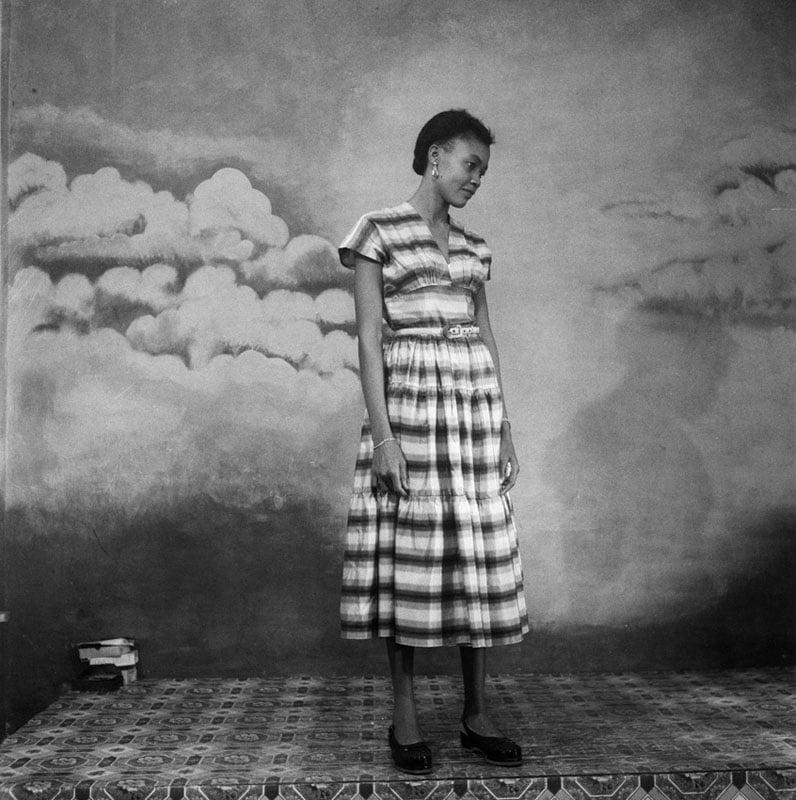
“As a photojournalist, he documented this moment in history through the eyes of those who lived it, from rallies and street parades to Kwame Nkrumah’s declaration of independence,” the Sony World Photography Awards says.
In 1953, Barnor opened the Ever Young studio in Accra’s Jamestown district, where he photographed all members of society, including students, officers, judges, political figures, and more.
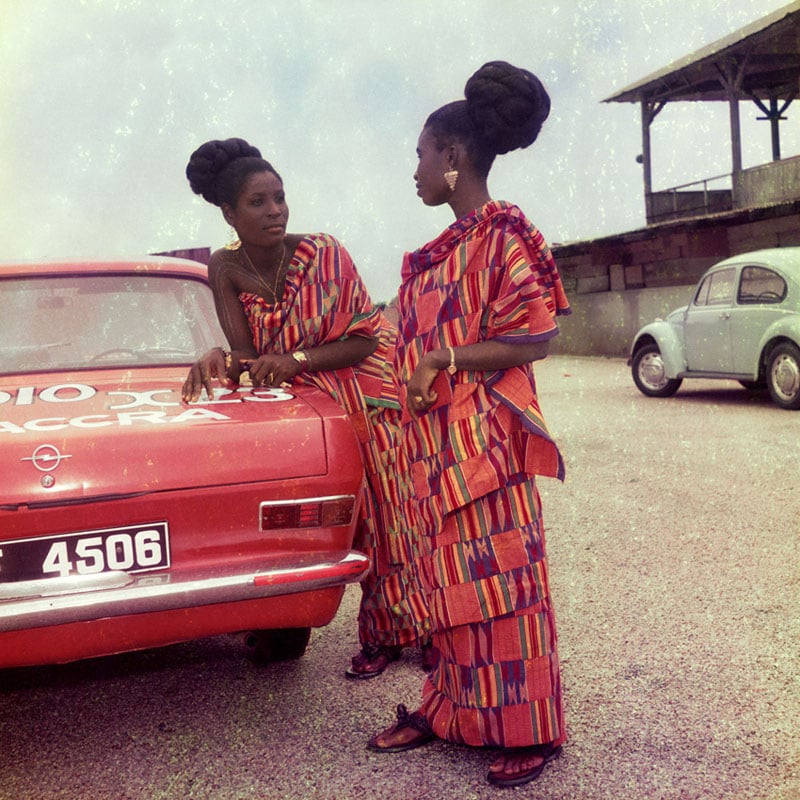
He moved to the United Kingdom in 1959 to further study photography at the Medway College of Art in Kent, then worked as a color printer at Color Processing Laboratories, a leading British lab.
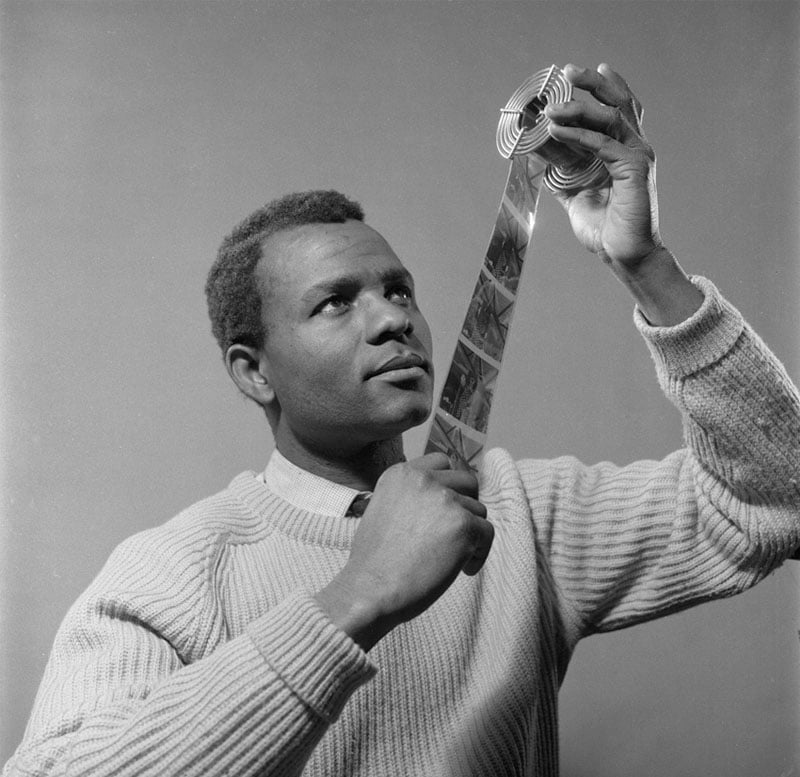
Around this time, Barnor also worked for Drum, an influential Black South African lifestyle magazine that was known for its anti-apartheid work. Barnor’s portraits of Black models and celebrities, which often graced covers, helped establish a visual language for the African continent and its diaspora.
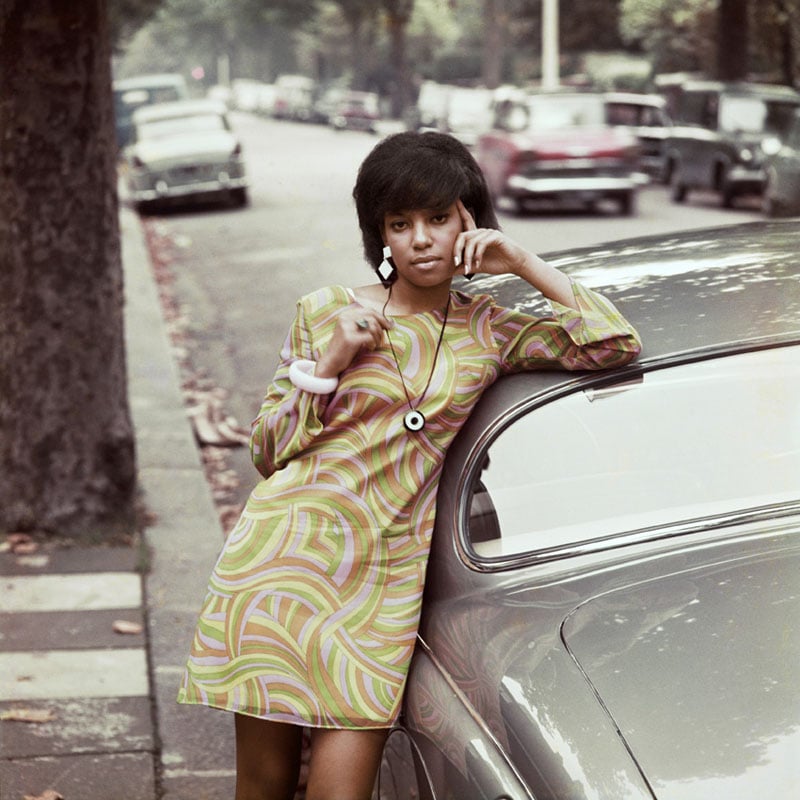
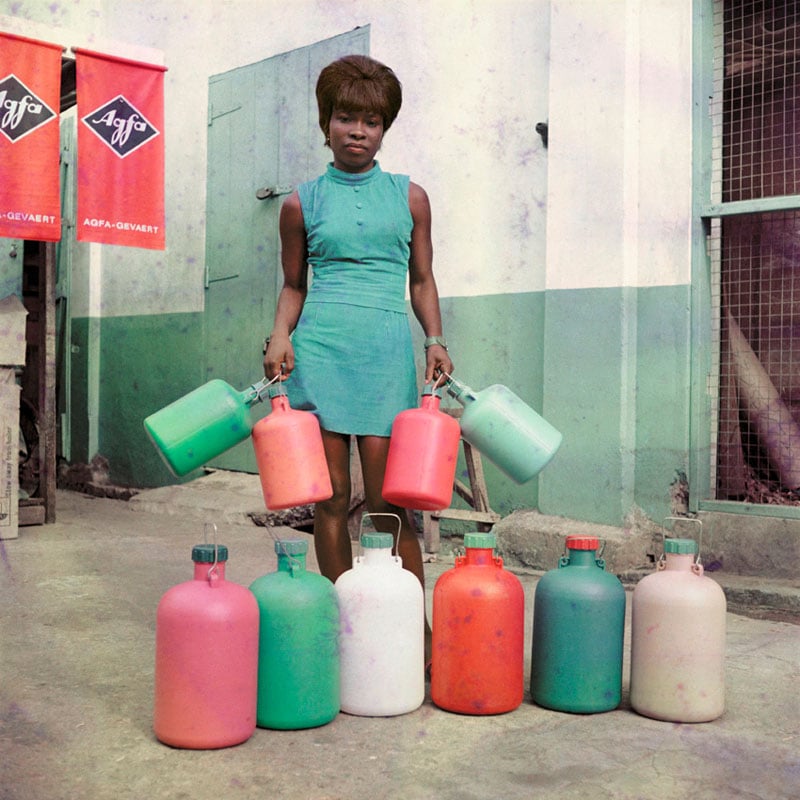
A decade later, armed with training from Agfa-Gevaert in Belgium and Germany, Barnor returned home to Ghana and opened the country’s first color processing lab, bringing color photography to a whole new audience. Barnor continued working as a photographer and photojournalist throughout this time, inspiring new generations of photographers in Ghana.
In the early 1990s, Barnor returned to England, where he still lives today. His work has been exhibited worldwide, including at MASI Lugano, the Serpentine in London, the Detroit Institute of Arts, LUMA Arles, FOMU Antwerp, and more. His work has also been featured at the Museum of Modern Art (MoMA) in New York City.
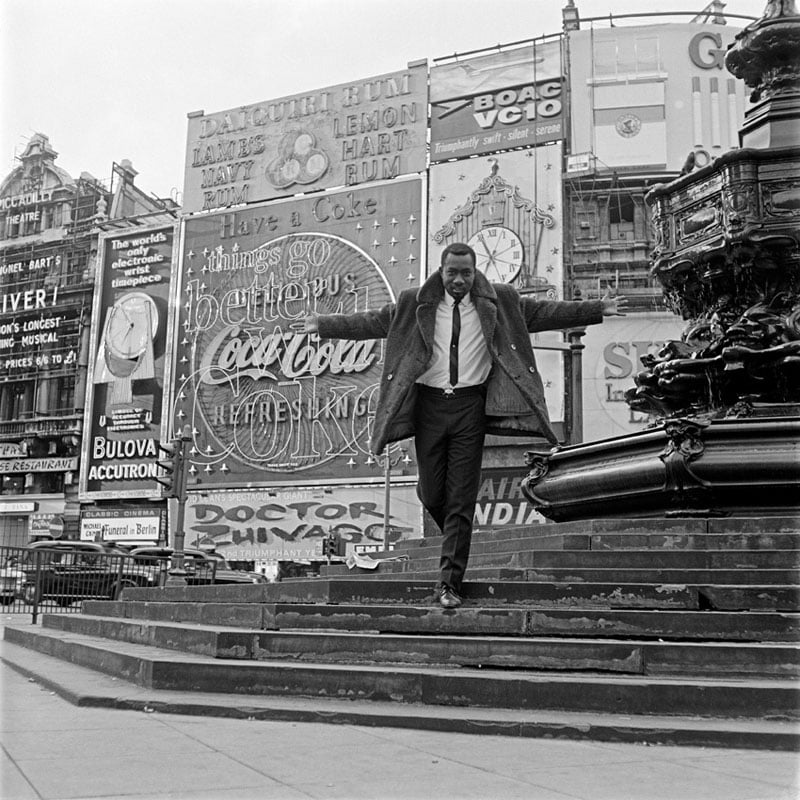
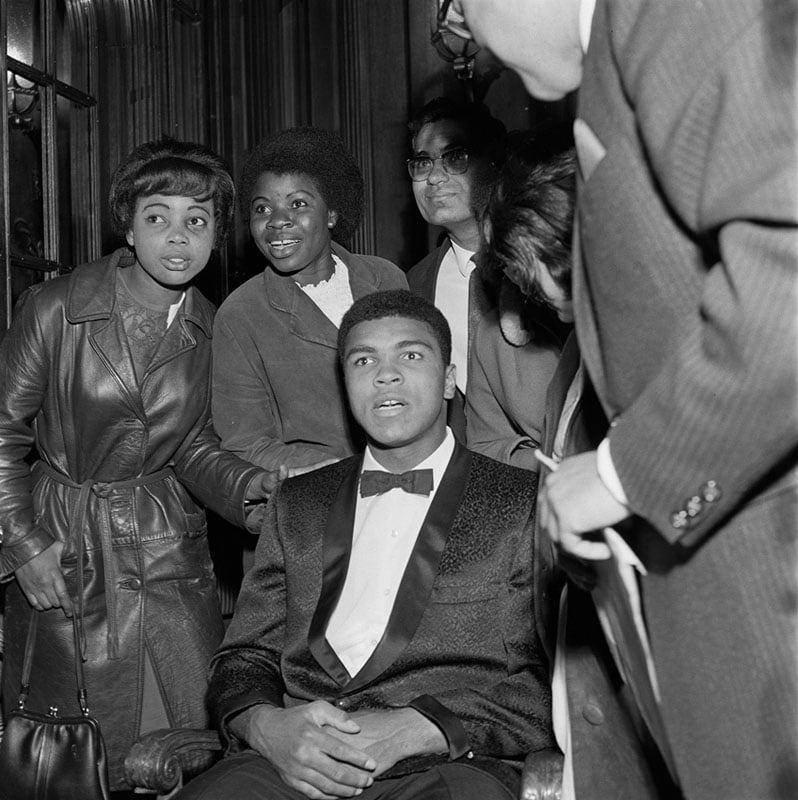
James Barnor joins an impressive list of photographers who have won the Outstanding Contribution to Photography award. Last year, Joel Meyerowitz won the honor, following Susan Meiselas (2025), Sebastião Salgado (2024), Edward Burtynsky (2022), Graciela Iturbide (2021), and Martin Parr (2017).
As part of the celebration, a retrospective of over 50 of James Barnor’s works will be shown at London’s Somerset House as part of the Sony World Photography Awards 2027 exhibition in April.
Image creditsSony World Photography Awards, © James Barnor, Courtesy Galerie Clémentine de la Féronnière