NASA Perseverance Mars Rover Sets New Record for Off-World Distance Driven
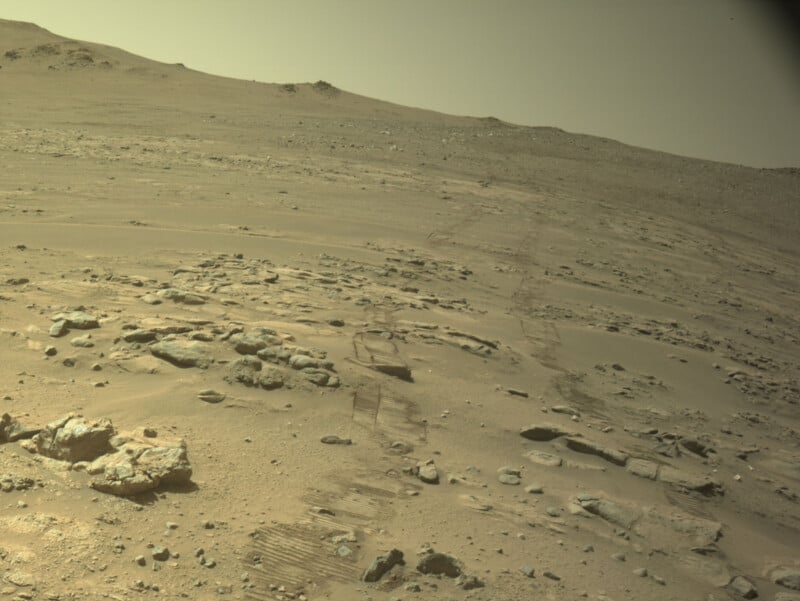
NASA’s Perseverance Mars rover has officially set a new record for the most distance driven by any vehicle on another world’s surface.
On Sunday, October 11, the Perseverance rover’s odometer hit 28.10 miles (45.22 kilometers), eclipsing the 28.06-mile (45.16-kilometer) record previously set by NASA’s Opportunity rover, which explored the surface of Mars from 2004 to 2018. Perseverance set the new record on the 2,006th sol, or Martian day, of its mission. It bested Opportunity’s impressive record in just five and a half years, a distance that took Opportunity nearly 15 years to achieve.
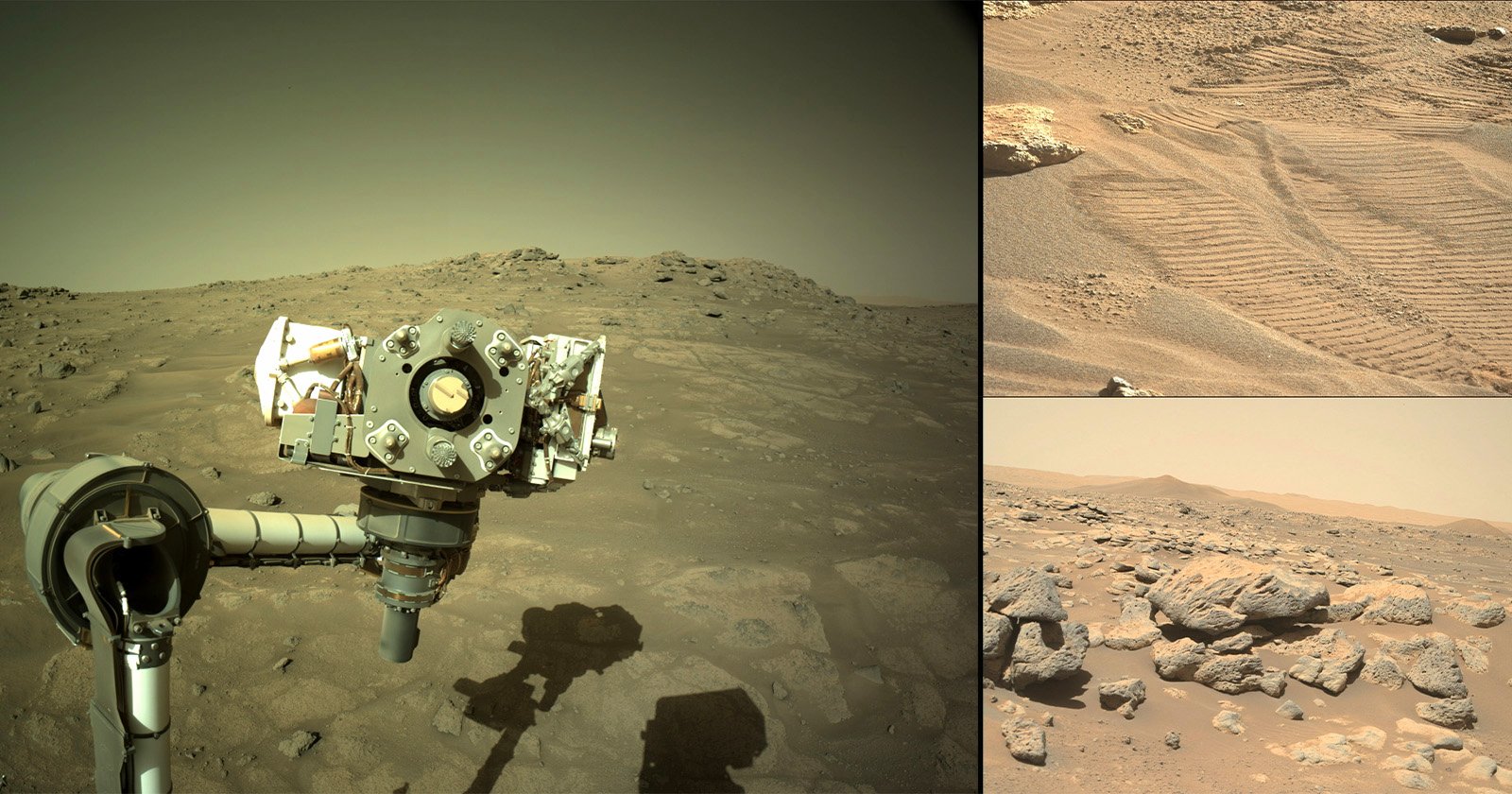
Perseverance set its record as it traveled toward an area of Mars called “Idubi,” near the western rim of Jezero Crater. The rover is there exploring what could be some of the oldest terrain humanity has ever explored in the solar system. Perseverance is exploring an area nicknamed “Lac de Charmes,” and the rocks here are so ancient that any equivalents on Earth are long gone, erased by erosion and plate tectonics. As NASA’s Jet Propulsion Laboratory (JPL) notes, Mars doesn’t have tectonic plates. Scientists hope to find traces of ancient hydrothermal systems in Idubi.
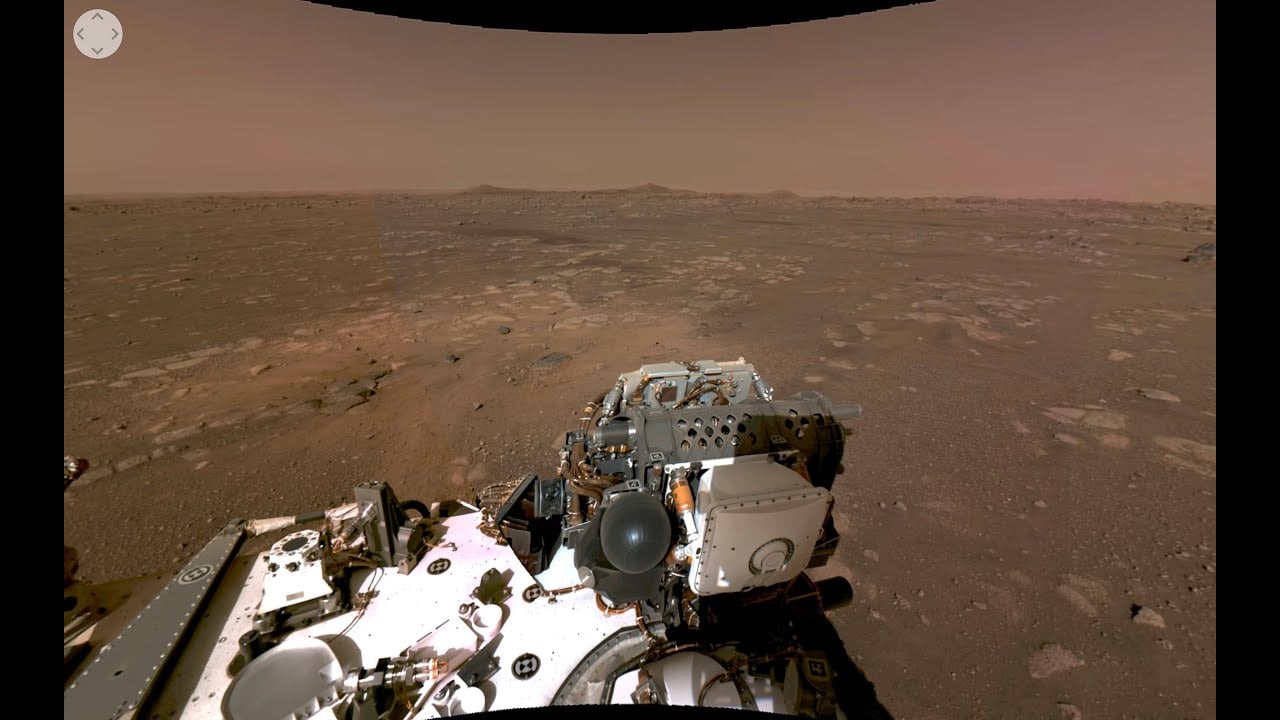
NASA JPL gives much of the credit for Perseverance’s new off-world distance record to the rover’s self-driving capabilities. The rover’s autonomous navigation system, AutoNav, captures photos while moving and build 3D maps of potential hazards. AutoNav uses these images to build a detailed course and move relatively fast across Mars’ surface. Perseverance can cover 1,351 feet (412 meters) in a single sol. Of the rover’s 28.06 miles of movement, AutoNav has powered 90% of it.
NASA says Perseverance processes 600,000 measurement points with every photo, compared to just 20 that NASA’s first Mars rover with AutoNav, Sojourner, captured.
“It is an honor to be working on Perseverance at a moment when the technology has evolved to the point that drives like these are routine,” says Steven Lee, the project manager of the Curiosity and Perseverance rovers at NASA’s Jet Propulsion Laboratory in Southern California.
“The original mission called for no more than 12.4 miles of driving. We’ve blown well past that, and with all mobility systems fully operational and favorable extended-ground-life test results, we expect Perseverance to keep adding to this record for many years to come,” Lee continues.
NASA recently approved a mission extension for Perseverance, guaranteeing it exploration time through the end of 2028.
“The rover that broke this record did so by making its own decisions about the path. Given the autonomy to just go, Perseverance is a better driver than the one that landed, and we’re not done,” explains Mark Maimone, deputy team chief for robotic operations on Perseverance.
“Our newest software teaches Perseverance to steer less and roll more, and to check its own position against orbital maps mid-drive. The next frontier is sunlight itself. Glare in the navigation cameras is why we park by mid-afternoon if we’re driving toward the Sun, and if we can teach the rover to see past those artifacts, every rover that follows gets a longer working day.”
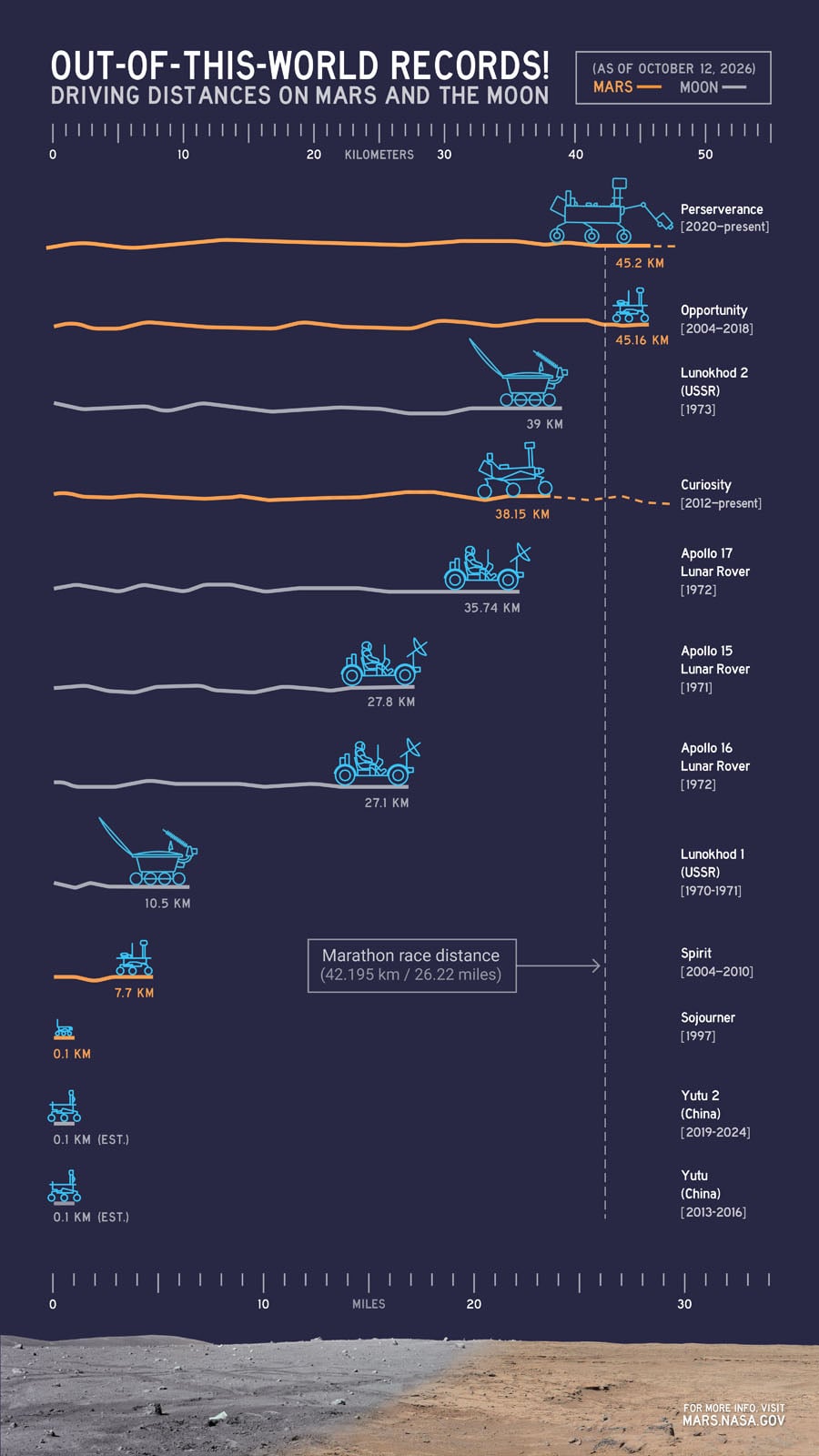
While much of NASA’s discussion of Perseverance’s new record compares the rover with other Mars rovers, humanity has also traveled quite far elsewhere. In 1972, Apollo 17 astronauts Gene Cernan and Harrison Schmitt traveled 22.2 miles (35.7 kilometers) on the Moon, and in 1973, the Soviet Union’s Lunokhod 2 rover covered 24.2 miles (39 kilometers) on the Moon.
As for where Perseverance is headed next, the rover is going to Rainbow Falls, a 328-foot (100-meter) wide block of ancient crust lifted by the same impact on the Red Planet that formed Jezero crater.
Image creditsNASA/JPL-Caltech
Affiliate Disclosure PetaPixel articles may include affiliate links; we may earn a commission if you buy through one.