OnePlus Exit Means Fewer Options in a Market Mired by Lack of Choice
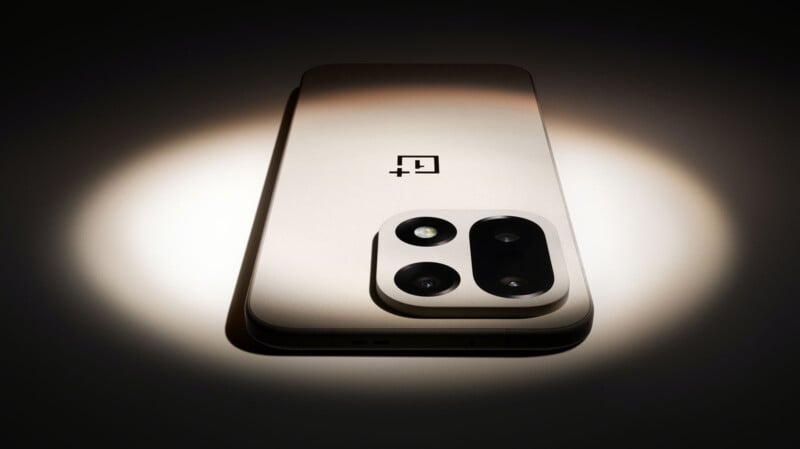
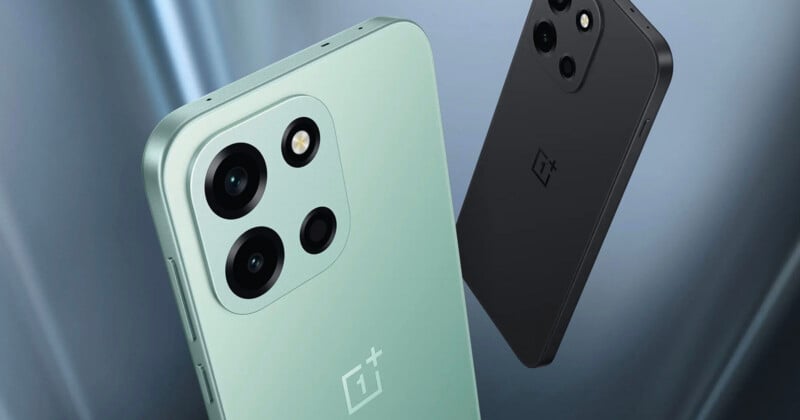
OnePlus has left the party. For a brand with a perpetual upstart status in a North American smartphone market that’s only getting worse by the year, OnePlus’ exit from North America and Europe is a loss by any measure, even if you find yourself wondering what I’m even talking about.
The writing was probably on the wall before this when Oppo merged with OnePlus and became the dominant entity in the arrangement. Both brands offered premium flagship phones essentially running on the same software — sometimes in the same markets, like China, India, and Europe — shifting priorities between premium and mid-range product lines.
“Never Settle” was long the defining slogan for OnePlus, and that’s exactly what Oppo is choosing to do by pulling OnePlus out of two of the world’s biggest markets. What follows isn’t totally clear but the brand itself isn’t dead. It will just live on elsewhere, likely with a greater focus on affordable alternatives.
How Did This Happen?
Founded in December 2013, it started out of the gate by offering more premium specs and design at a competitive price. The OnePlus One also ran through an invitation system as a sort of ‘build-to-order’ manufacturing strategy to manage demand. This all came at a time when the market was fairly broad, with far more choice than today. To put that in perspective, the One launched when brands like HTC, Nokia, LG, BlackBerry, and Microsoft were still in the game. Motorola, Sony, and Asus are still playing, but at a much reduced scale relative to that time.
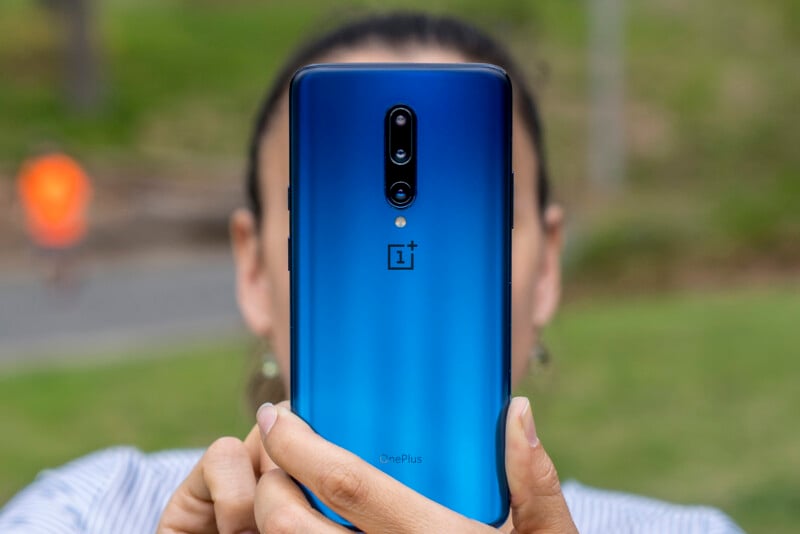
While the casualties piled up and newer brands started to emerge — Oppo, Xiaomi, Vivo, Huawei, Nothing — OnePlus went from focusing squarely on affordable and mid-range models to offering flagships as well, starting with the OnePlus 7 Pro in 2019. I reviewed that device at the time and found it a worthy competitor, in part because it paid real attention to camera performance. Top-line specs soon became the norm with every subsequent generation.
Then came the partnership with Hasselblad in 2021. More a consequence of the deal Oppo made with the Swedish imaging brand, bringing in that kind of storied expertise to the camera software and processing (Hasselblad didn’t make the lenses) signaled a serious push into mobile imaging.

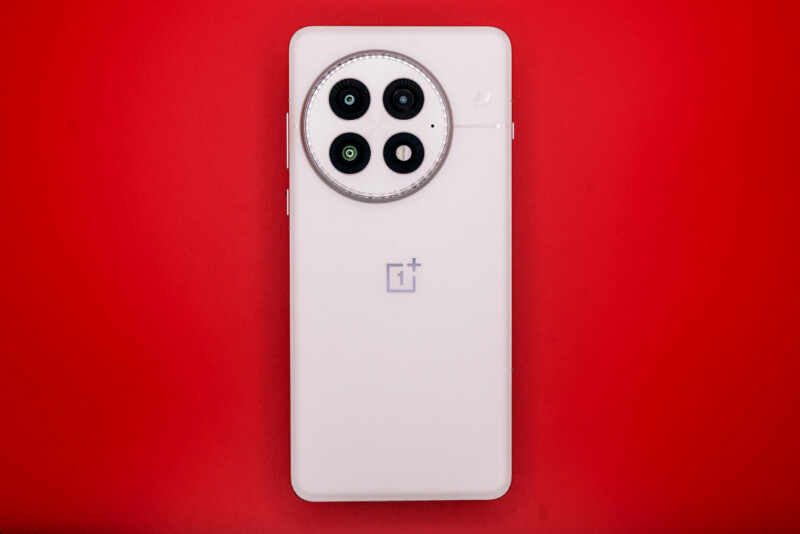
When the OnePlus 13 launched, including the big marketing push in Canada and the U.S. that came with it, I had the impression the company was trying to establish a lot more than a beachhead. It wanted to set permanent roots. To me, that phone’s camera system was one of the best of 2025, owing to better hardware and software processing working together. It was the device that brought MagSafe to the Android world (albeit through cases) and, along with other Chinese brands, made higher RAM and storage standard in ways Samsung and Google never did at the time.
But when the OnePlus 15 launched without Hasselblad in the mix only 10 months later, it was perhaps a sign that something was wrong. Why would Oppo choose to only hold that collaboration for its own devices? If it was an attempt to further delineate the two brands from each other, it failed. My own speculation, mind you, but while the 15 could still take good photos, it also took a step back from the strides seen in its predecessor. It wasn’t long after that rumors started to swirl of an existential crisis.
Support Issues
By “support”, I’m not referring to OnePlus customer support, but rather how the broader industry shunned the brand over the years. Carrier support in North America was either fleeting or nonexistent, forcing consumers in both countries to pay the full price for a OnePlus phone upfront. That’s one thing for an affordable or mid-range model, but a bigger commitment for an expensive flagship.
Unlike Asia and Europe, where carrier subsidies are far less common, Canadian and American users tend to shop through their carrier to get a new phone. Apart from brief spells with T-Mobile and Verizon, OnePlus could never crack the U.S. market in any sustained way. In Canada, no carrier ever offered a OnePlus device in its inventory. Thus, Best Buy, Amazon, and the OnePlus website became the primary options to get one.
From a business standpoint, that’s probably not sustainable long-term unless market conditions (and consumer behavior) change. The “Big 3” of Apple, Samsung, and Google benefit from the lack of carrier resolve to open things up, which is a key reason why they dominate the field. Almost certainly, they make sure to keep it that way, though I don’t have concrete evidence to back that up.

While anecdotal, I sometimes walk into carrier retail stores to gauge what staff tends to push most. The problem I find is they’re often young and only convey what they know, which are the very same three brands. Hence, even though a Motorola device is in that display case, it gets nary a mention because there’s an iPhone or Samsung device nearby. When I correct them on mistakes they make about product details or capabilities, they look at me with stunned surprise.
This is what OnePlus was up against. A wall of ignorance that simply doesn’t exist in other parts of the world. Hence, the irony: the land of capitalism is actually terribly entrenched in this industry. Stagnant, uncompetitive, resistant to disruption, and lacking true innovation, losing a player that strove to shake things up doesn’t help alter that.
A Legacy of Disruption
It feels a bit weird writing about a brand that will continue to exist as an obituary in the past tense, but at least OnePlus leaves something behind that North American users don’t even realize. In my opinion, OxygenOS has long been the best Android overlay (apart from stock Android on Pixel devices). Clean software like that helped build a loyal enthusiast community that valued usability over gimmicks.
It was OnePlus that first made 90Hz screen refresh rates a standard spec. It established super fast charging when competitors were still stuck on slower wired and wireless charging options. It routinely included a wall charger in the box for that reason.
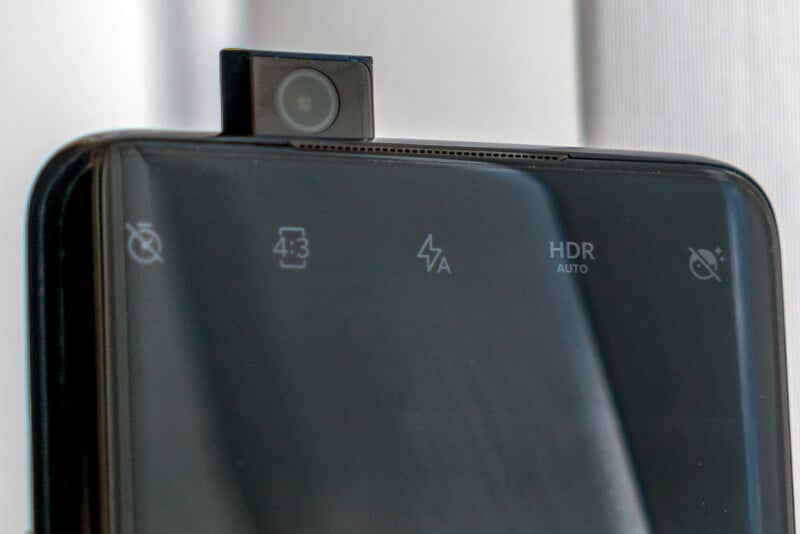
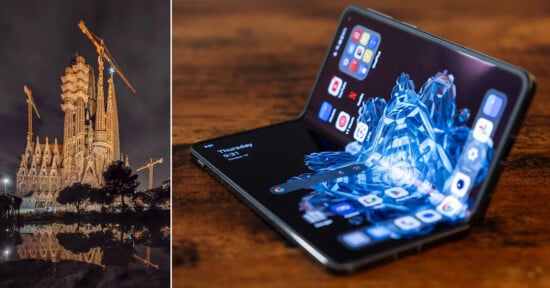
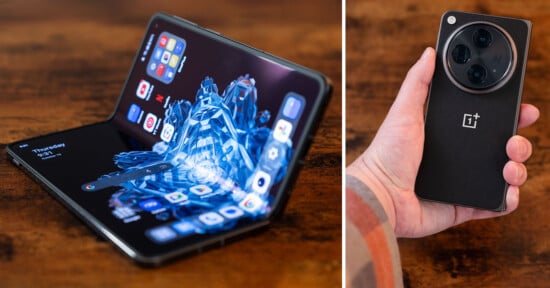
The OnePlus 7 Pro was the first phone to have a motorized pop-up front-facing camera to eliminate the hole-punch on the screen. It never recurred on later devices, but it was yet another sign of a company unafraid to bring out something different. It always offered great specs for a better price. Even its lone foldable, the OnePlus Open, still holds up today.
In other words, it consistently pressured the likes of Samsung, LG, HTC, Sony, and even Google to justify why their flagships cost hundreds more over the years. It challenged Samsung and Google in terms of camera performance, producing images that were better in some respects. Combining aggressive pricing, clean software, fast charging, and top-tier performance reshaped expectations for what an Android flagship could offer.
What Comes Next for OnePlus Users
If you live in a place where OnePlus is leaving, the company says it isn’t leaving you in limbo. It says existing phones will continue to receive software updates, security patches, and “applicable support.” Warranties remain valid, and the OnePlus support website will remain operational for repairs. However, it’s somewhat unclear who will actually handle those repairs in North America, given Oppo has no presence there. Current retail stock is also still available until it sells out, so this looks like more like phasing out than an immediate withdrawal.
If you have an eligible device, you can switch to Oppo’s ColorOS or revert to OxygenOS if you don’t like it. While you’re not “required” to make that switch, it’s not clear what happens should you choose not to. Older models ineligible for that switch will still get maintenance updates. There may be region-specific differences that apply here, but I can’t be sure until OnePlus or Oppo confirm. All told, OnePlus is affirming the multiple years of updates originally promised for those devices.
In Europe, the device support picture is similar, except for a smoother transition path. Since Oppo already sells phones openly across much of the continent and is expected to expand its own lineup to fill the gap OnePlus leaves behind, Oppo will reportedly maintain a stronger presence in Central Europe and the Nordic countries (Finland, Denmark, Sweden, and Iceland) even as the OnePlus brand steps back more broadly.
The OnePlus N6 was recently launched in India, though future flagship models may or may not go there. In China, it’s business as usual, as the announcement doesn’t affect operations there.
An Unfortunate End
It’s always sad when a company that tried to tie innovation to its products decides to pack up and leave. When OnePlus launched its partnership with Hasselblad in the OnePlus 9 series, it put resources behind the idea that both a flagship and mid-range phone could take photos worth caring about. At a time when computational photography was all the rage, OnePlus managed to emphasize things like 12-bit RAW capture, color science, and deeper manual controls. Rivals had to take color science and manual controls more seriously. Is it a coincidence that Samsung introduced Expert RAW after? Or that Google brought in manual controls to its Pixel lineup?
It popularized ultra-fast charging technology when everyone else treated a full day’s charge as an unavoidable inconvenience. It kept a physical alert slider on its phones long after most manufacturers decided hardware switches were old-fashioned. OxygenOS will always be among the gold standards for what a fast and clean version of Android could look like when it’s not stock.
OnePlus came to be as a “flagship killer”, targeting bigger brands that charged more for less. You don’t need to have personally owned a OnePlus phone to appreciate what that all means. Competition is how features become standard rather than premium, and OnePlus undoubtedly had a hand in that. Stepping away from two massive markets may have a lasting effect for everyone who benefits from market disruption.
Affiliate Disclosure PetaPixel articles may include affiliate links; we may earn a commission if you buy through one.