How Photographer Kristi Odom Connects to Wildlife Through Her Camera
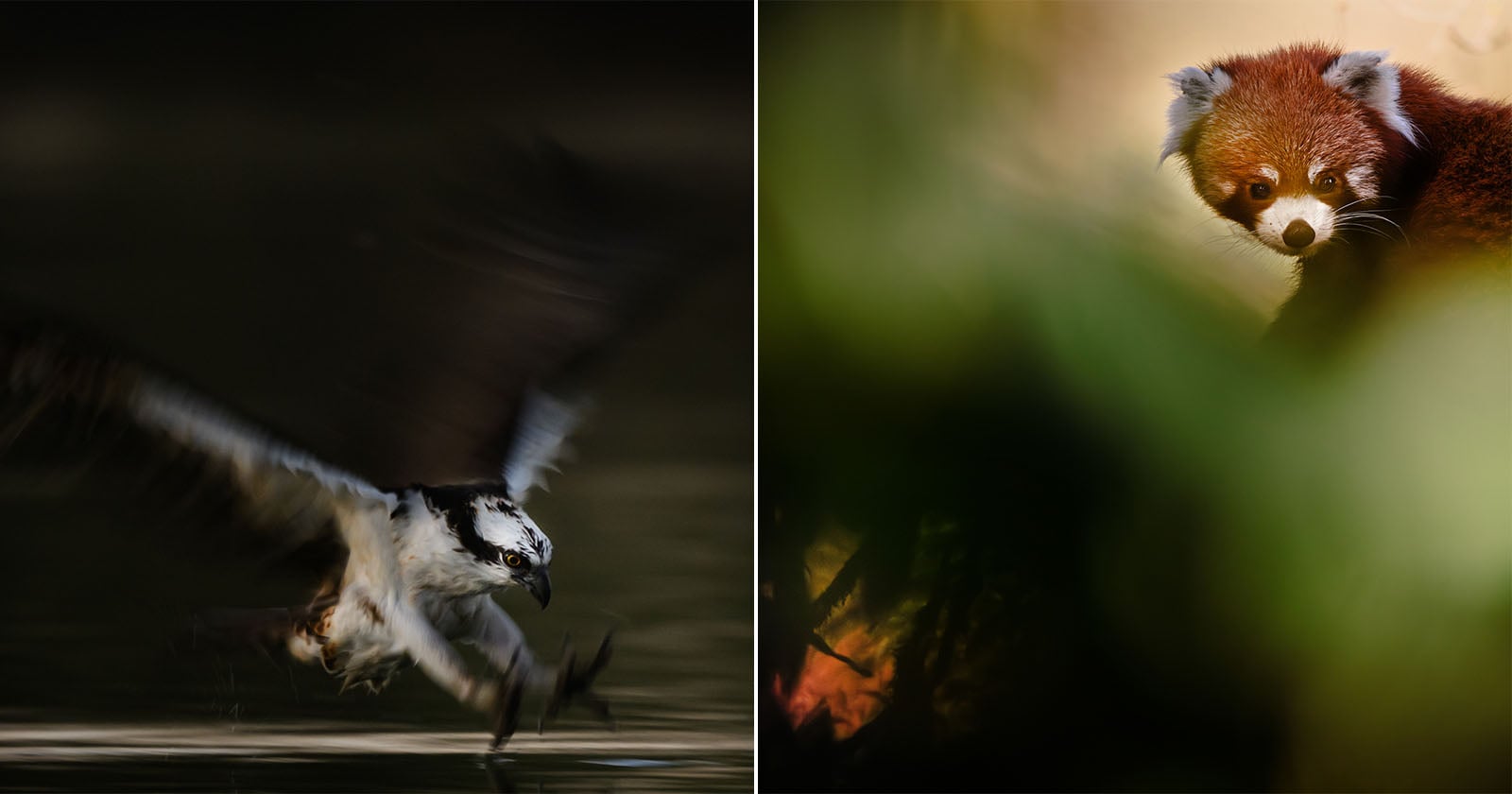
Photographer Kristi Odom recently joined the PetaPixel Podcast to talk all things wildlife photography, including what photographers and others can learn about nature. What photographers learn from nature can undoubtedly make them better, more creative photographers.
Connecting to Nature Through a Camera
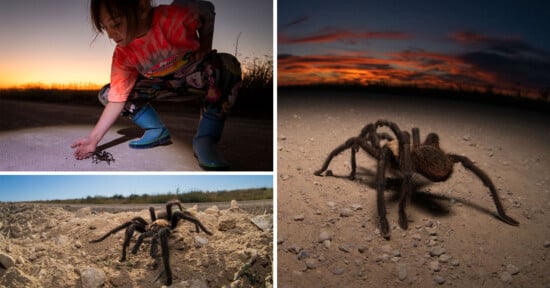
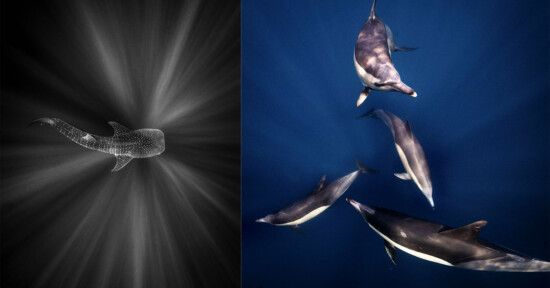
“I love using my camera to connect deeply with nature,” Odom tells PetaPixel. “Whether I’m discovering patterns in the macro world or trying to understand how a snake slithers, I’m constantly learning. When I ask myself, ‘What am I feeling?’ the answer is often movement.”
For Odom, she shows this movement in different ways in photos and, more recently, in filmmaking. On the photo side, Odom says that every technical choice she makes with her camera settings is inherently artistic.

“Aperture determines what elements are in focus to tell your story. Shutter speed decides whether you freeze a moment or emphasize movement. ISO influences the texture of the image,” the Nikon Ambassador explains.
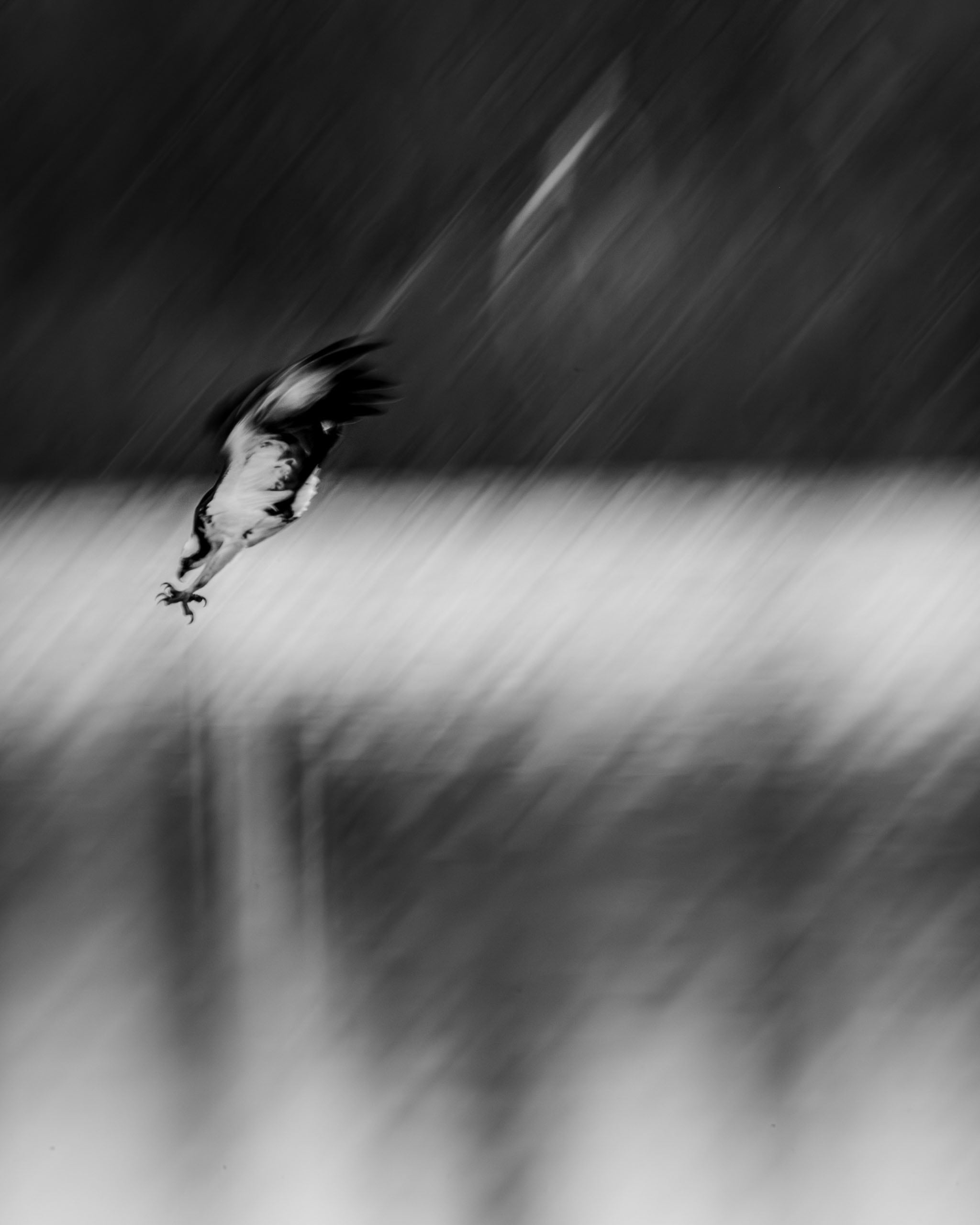
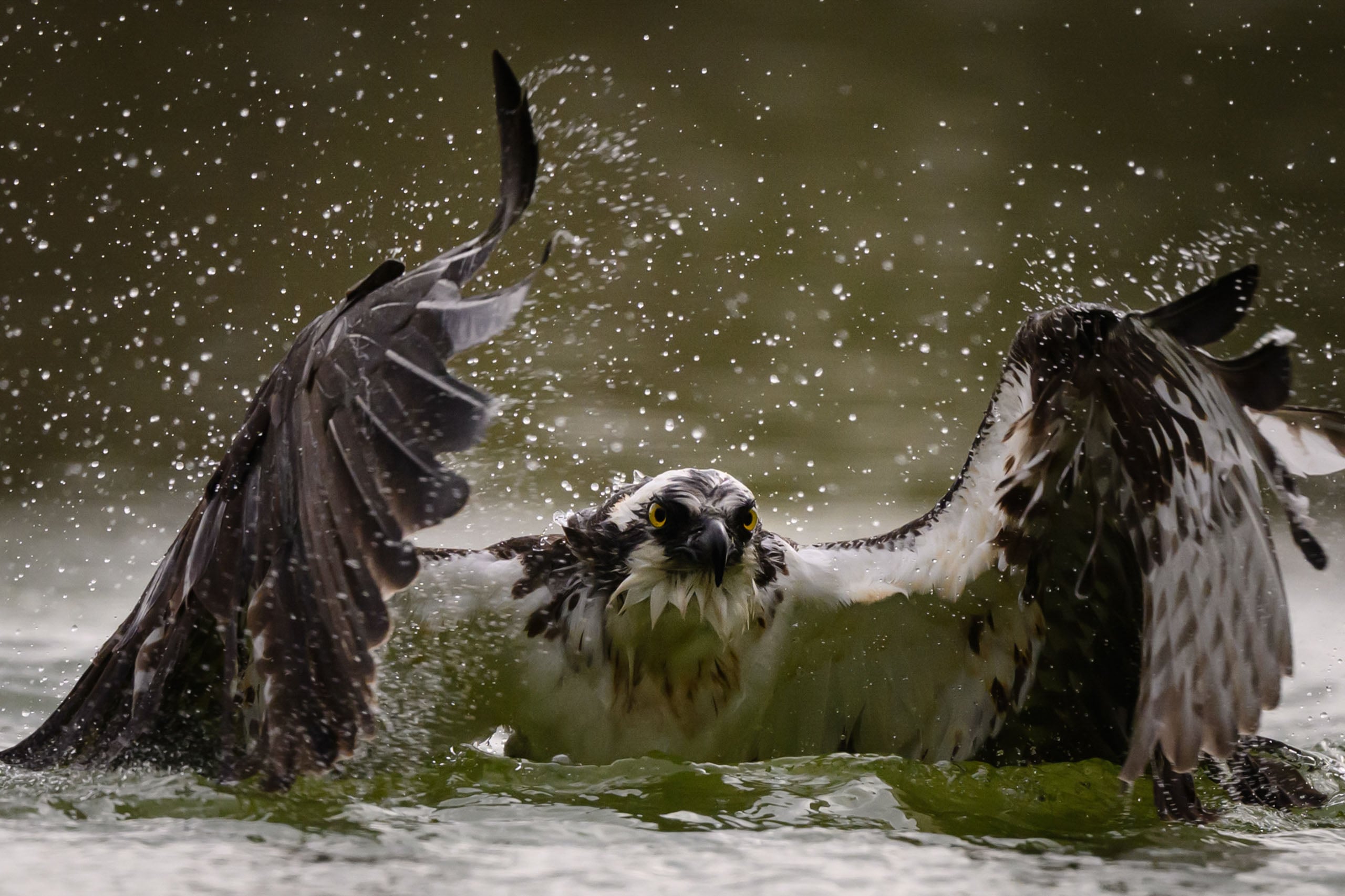
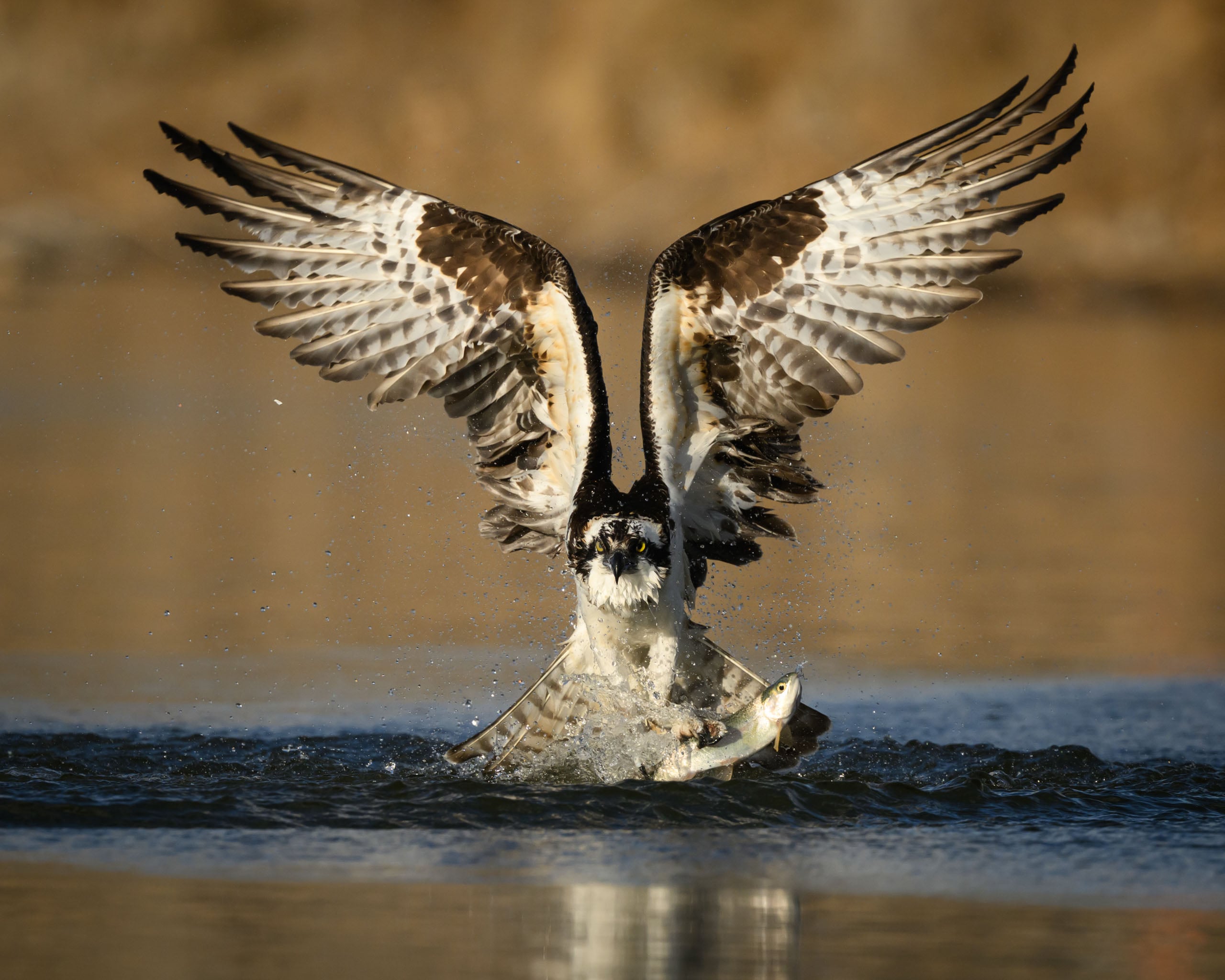
In optimal conditions, everything is possible. Photographers could freeze action, use a fast aperture, and keep their ISO low. That would be conducive to a traditional wildlife photo. Those action sequences are frozen in time and almost impossibly detailed and sharp.
Creatively Subpar Conditions Into Incredible Photographs
But the real world is rarely optimal, and Odom is not one to pack up her gear when conditions aren’t perfect.
“Sometimes you just don’t have the light to get certain shots. Maybe the action happens early, or you have a lens that doesn’t let in too much light,” Odom says. “Instead of just not shooting, this is an opportunity to do something different and creative.”
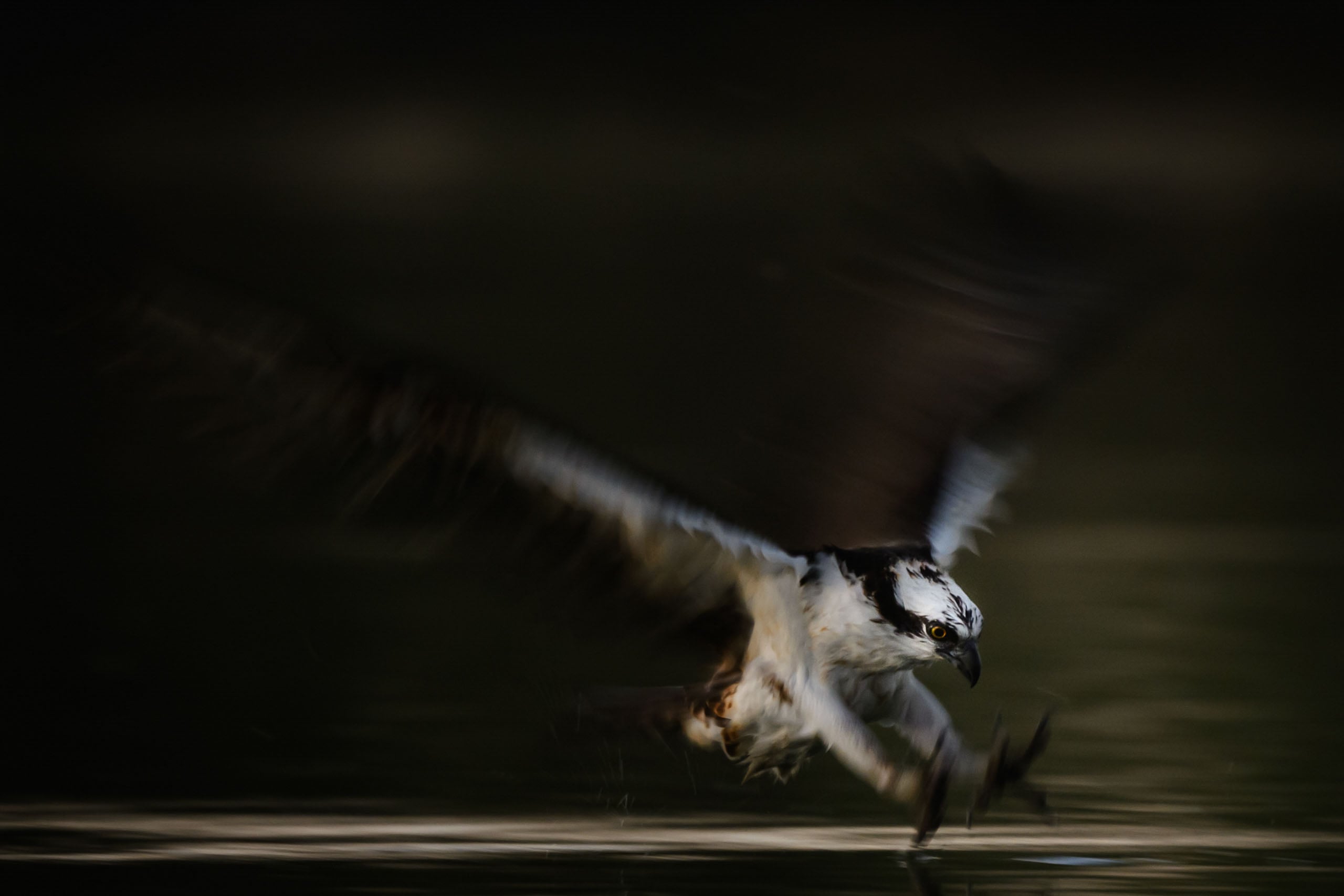
Odom offers many great examples of this in her latest YouTube video on capturing more creative photos of the osprey, a classic favorite among bird photographers. Ospreys are a captivating animal, frequently diving feet-first into the water and emerging, water spraying everywhere, with a fish in their talons. They’re an incredible animal.
You’d think that osprey should always be photographed with a fast shutter speed to freeze that action they are best known for, but Odom shows that there is so much more that photographers can do and, in so doing, separate themselves from the pack.
“I spent over 20 days this year photographing the Osprey dive. I saw many photographers not taking a photo while they dove right around them. They would make comments about how the light wasn’t there. My camera would be the only one clicking away,” Odom recalls.
When some fellow photographers grew especially curious, they’d ask Odom about her settings and come away more confused than ever — 1/60s exposures and unusually low ISO settings for the lighting conditions.
“I got some funny looks and the questions stopped. It was the look of, ‘She definitely doesn’t know what’s doing,'” Odom says.
Absurd assumptions about one of the world’s most accomplished wildlife photographers, no doubt, but it speaks to how deeply ingrained certain ideas of what a wildlife photograph is among some photographers. These are the concepts Odom hopes to challenge.
“Most of these photos totally failed,” Odom admits. “But I got a few that I loved that showed the crazy feel and movement of these raptors at their high-speed dive.”
Limitations As Fuel
Arguably, creative, distinctive approaches to wildlife photography can tell an animal’s story even more powerfully. The movement of wildlife is such a huge part of the story, and ultra-fast shutter speeds are not always the best choice for capturing that movement. Shutter speed is an important tool for photographers, including wildlife photographers, and it is often overlooked.
For Odom, there is also a practical consideration. While she is armed today with the best Nikon Z cameras and Nikkor Z mirrorless lenses, she says she got her start in wildlife photography with a 70-200mm telephoto zoom she used for wedding photography.
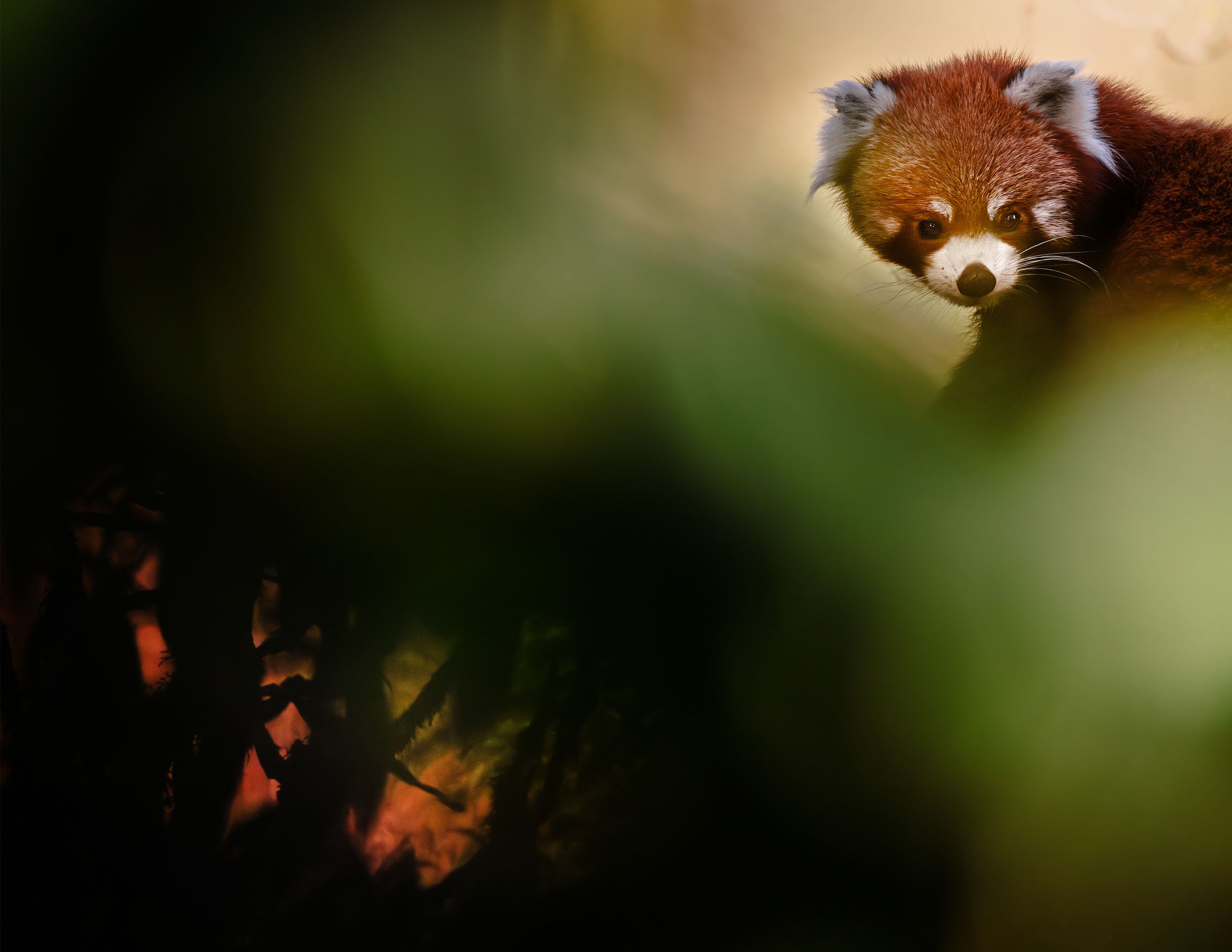
“For me, it was about time, patience, learning my subjects, and photographing them over and over again,” Odom says.
This lens, while very capable, is not a traditional wildlife lens. It is much shorter. Odom had to adapt, and that meant capturing less traditional wildlife photos. The environment played a bigger role in the frame.
“Everything you put in the frame is part of the story of the image,” Odom says. “It is easy to get stuck looking at the main subject, but paying attention to how everything comes together will make you a stronger photographer. I’m constantly thinking about the background.”
These days, even though she has the long lenses that help make it easier to frame her subjects and control the background, Odom certainly hasn’t lost her commitment to patience in the field.
She often lies on the ground to get a better angle, and she spends considerable time studying animal behavior to give herself the best chance of success.
“Where is the pika’s path as it carries flowers back to its den, and how can I position myself so that it doesn’t get lost in the rocks? How is the wind blowing, and how will that affect the direction an osprey takes off after a dive?”
These are the things Odom thinks about all the time in the field.
“The more I understand, the more I can get into the right spot where the story comes together inside the frame.”
Three Questions Wildlife Photographers Should Ask Themselves
“I am constantly asking myself three questions when I take a picture,” Odom explains.
“What do I see?
“What do I feel?
“What can I eliminate?”
Odom says the first question helps her think harder about the subject and the story of the scene.
The second question is where her artistic voice comes in.
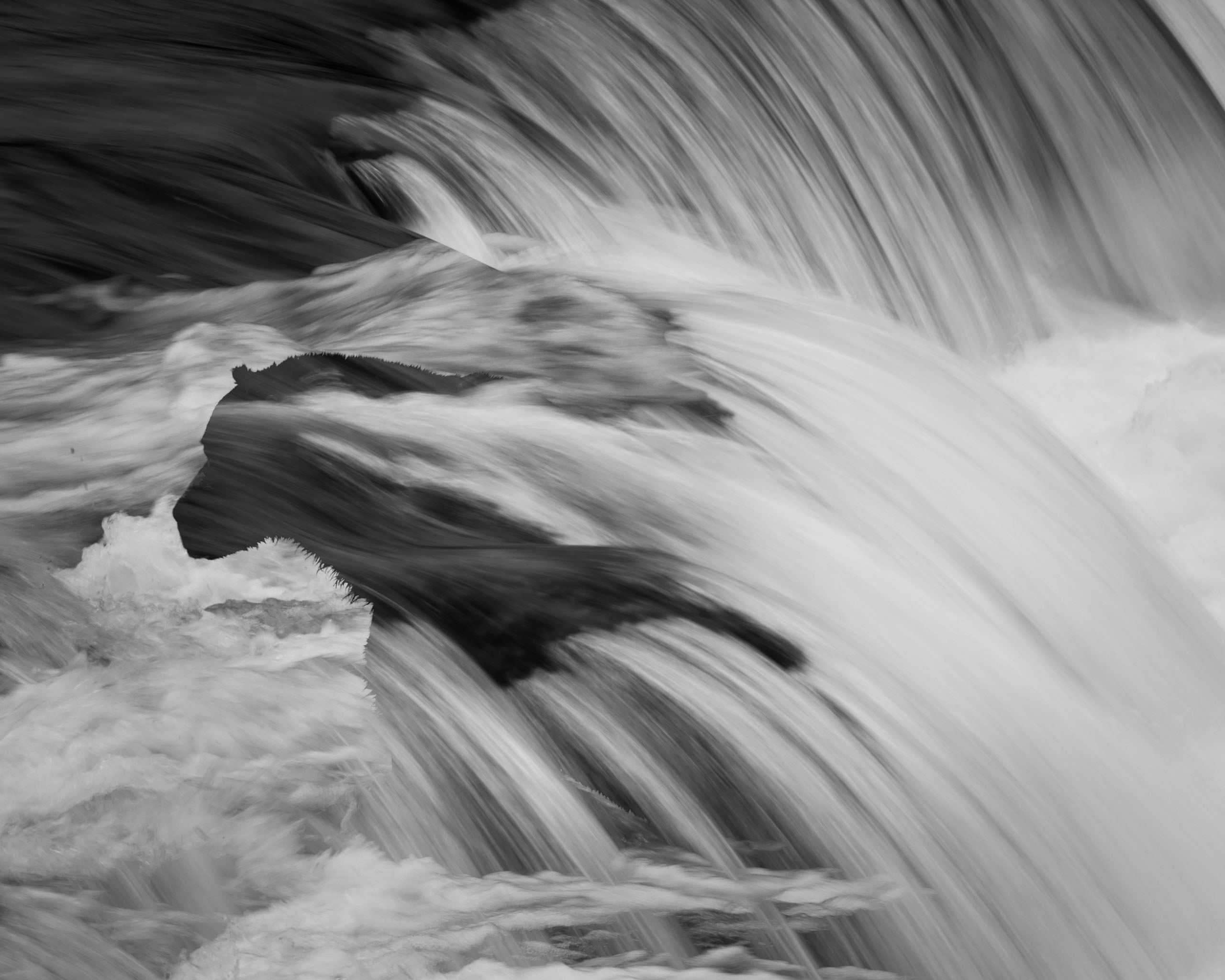
“Do I feel chaos and movement? If so, then maybe I find a way to incorporate that into the scene, possibly by slowing down my shutter to show movement, or a larger depth of field to show my subject and its environment.”
The final question is perhaps the most important of all.
“Everything you put into that frame can take away from the main subject,” Odom says. This means that everything that remains should contribute to the overall effectiveness of the shot. Deciding how to overcome any potential distractions requires experience, patience, and creativity.
Black and White Wildlife Photography
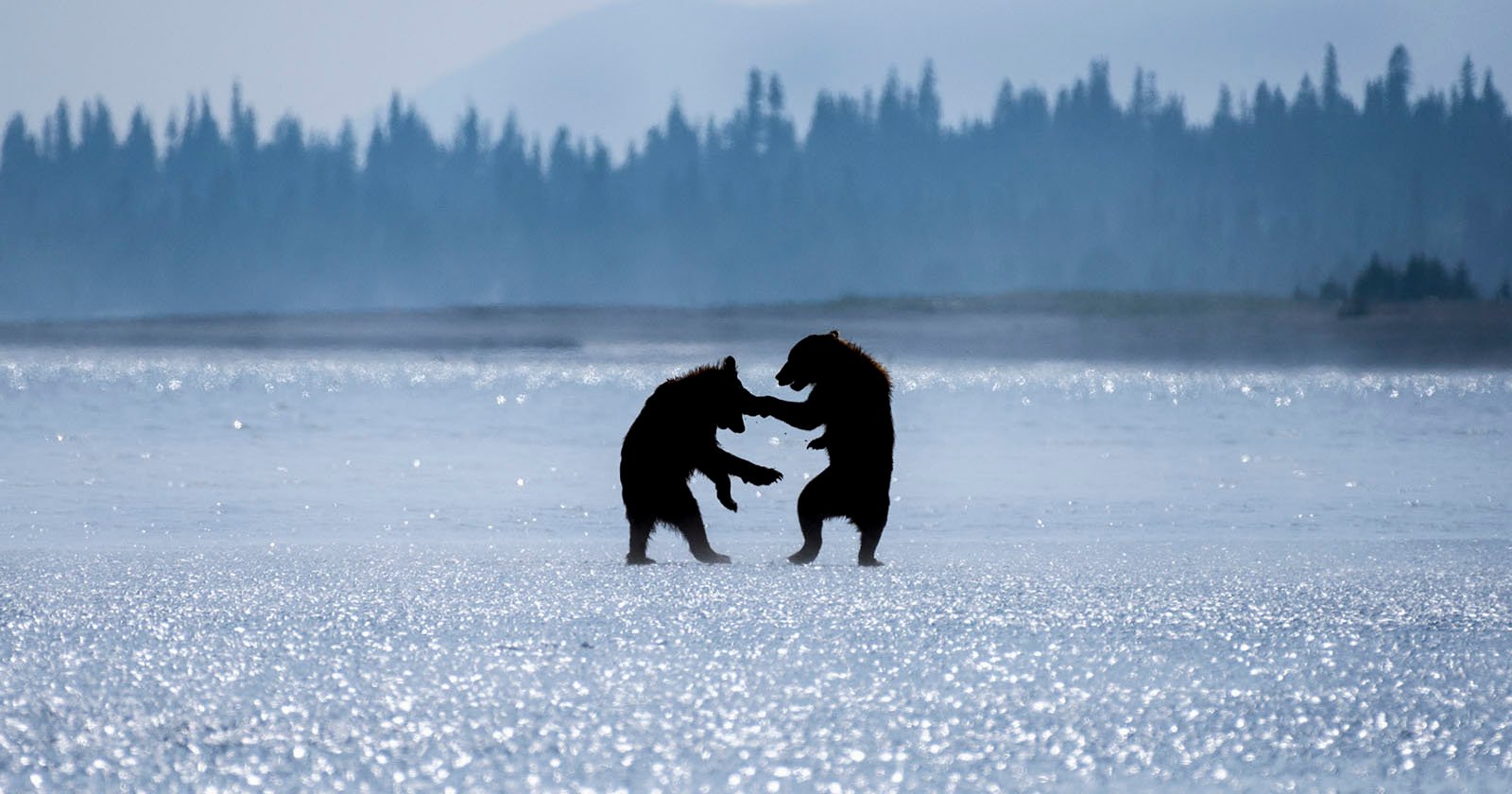
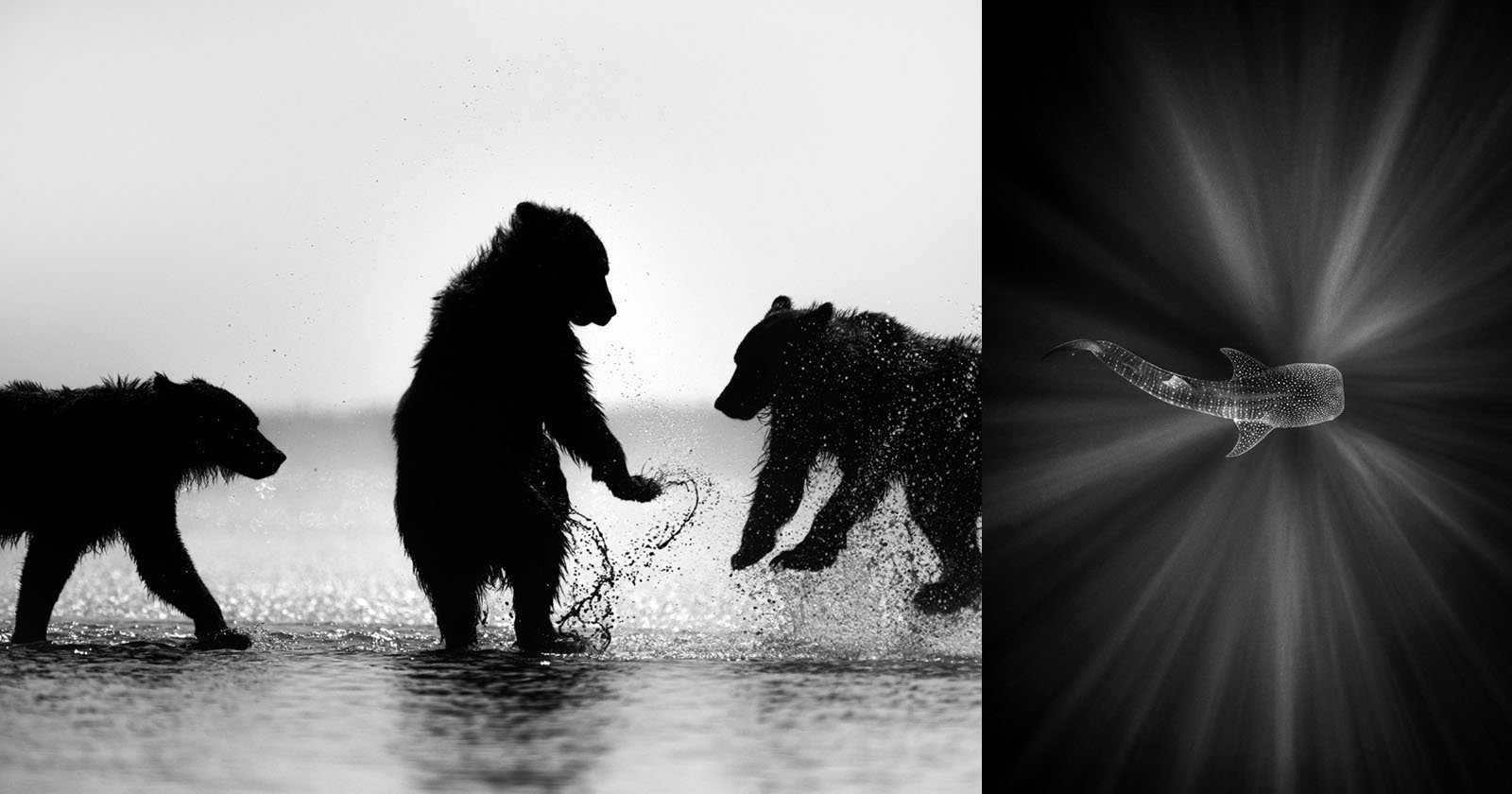
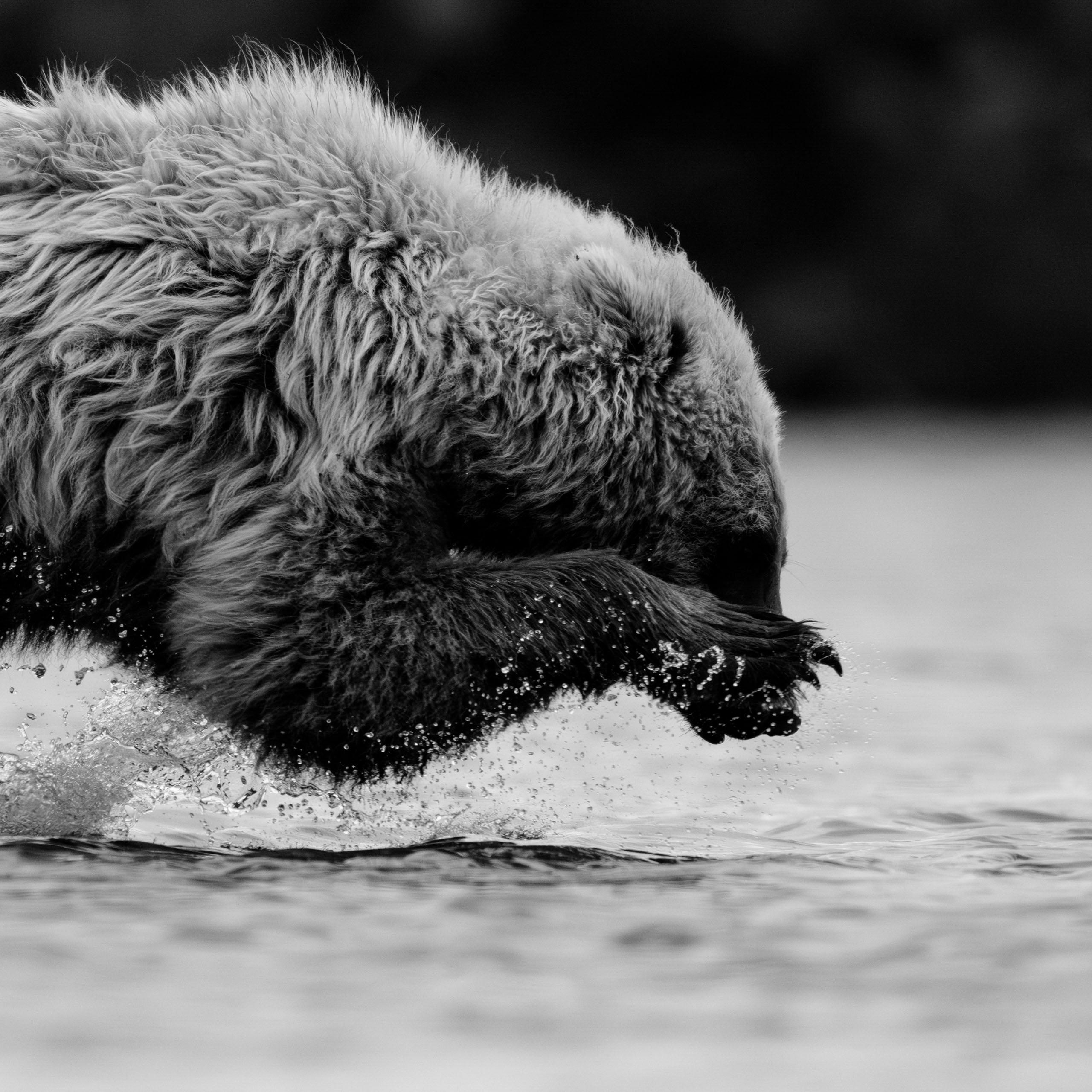
Sometimes Odom takes something else out of the frame in her wildlife photography: color. She is giving up what she describes as an “incredibly powerful” element.
“I developed my love for black and white when I ran the darkroom at Georgia Tech. I studied the masters, learned to dodge and burn, and started photography with Tri-X film in a camera I inherited from my grandfather,” Odom says. “Black and white taught me to see light, shadow, texture, and mood, and I don’t think that has ever left me.
“Color is incredibly powerful. It has an amazing ability to create emotion. Just look at how brands use color or how cinematographers build entire moods around a color palette. But sometimes color isn’t helping the story I’m trying to tell. Sometimes it’s distracting from it.”
When that happens, and Odom believes color isn’t contributing positively to a shot, she’ll remove it.
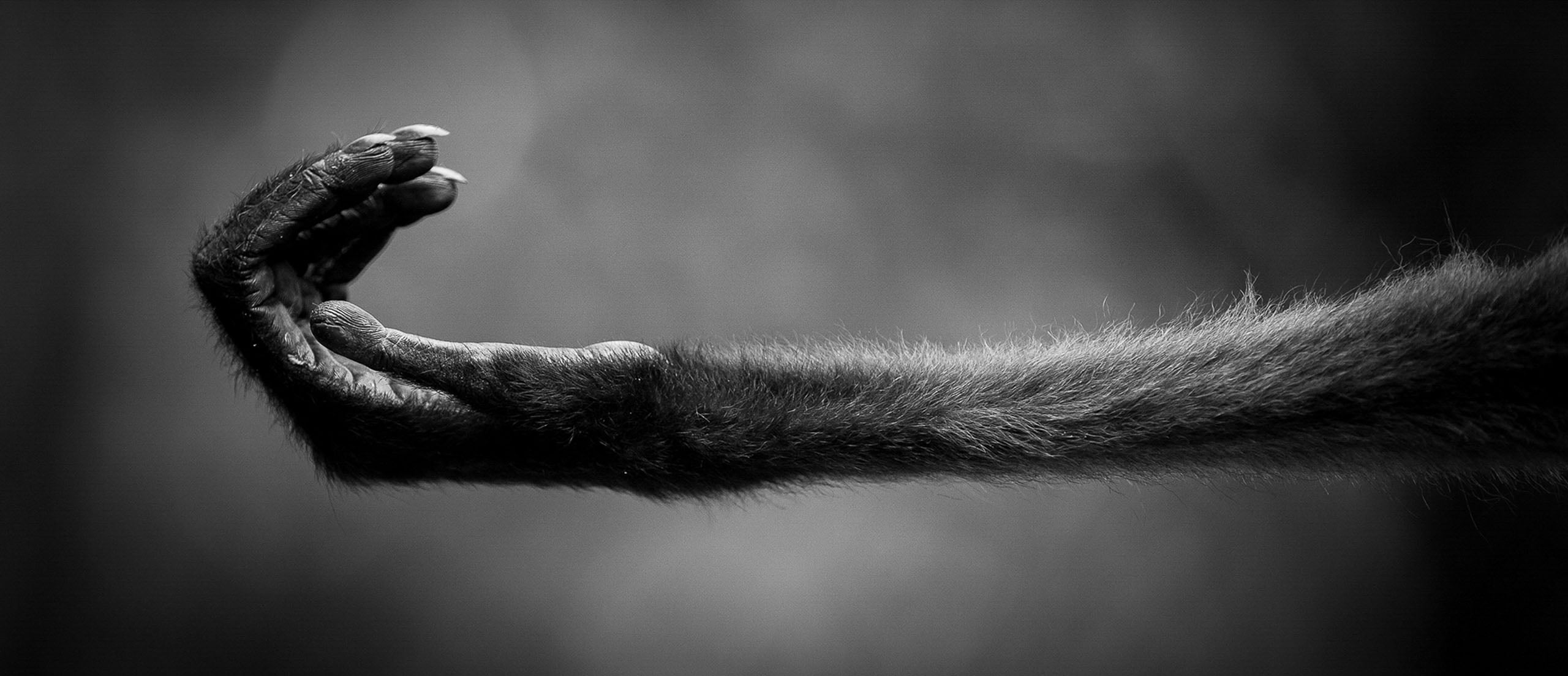
“By removing color, the viewer pays more attention to the expression, the gesture, the quality of the light, and the relationship between highlights and shadows. It simplifies the image and lets those elements carry the emotion.”
Without color, only the foundation of the photographic medium itself remains, Odom says.
Always a View Toward Conservation
While Odom is probably best known for her still photography work, she has increasingly used video as part of her broader storytelling ambitions.
At first, Odom used video just for social media, sharing neat little moments in nature with her followers. Things like slow-motion videos of bees and action sequences of animals diving into water are fun to see, of course.
“Unexpectedly, those short videos led to people asking me to create videos professionally,” Odom says. “That grew into producing conservation shorts for nonprofits.”
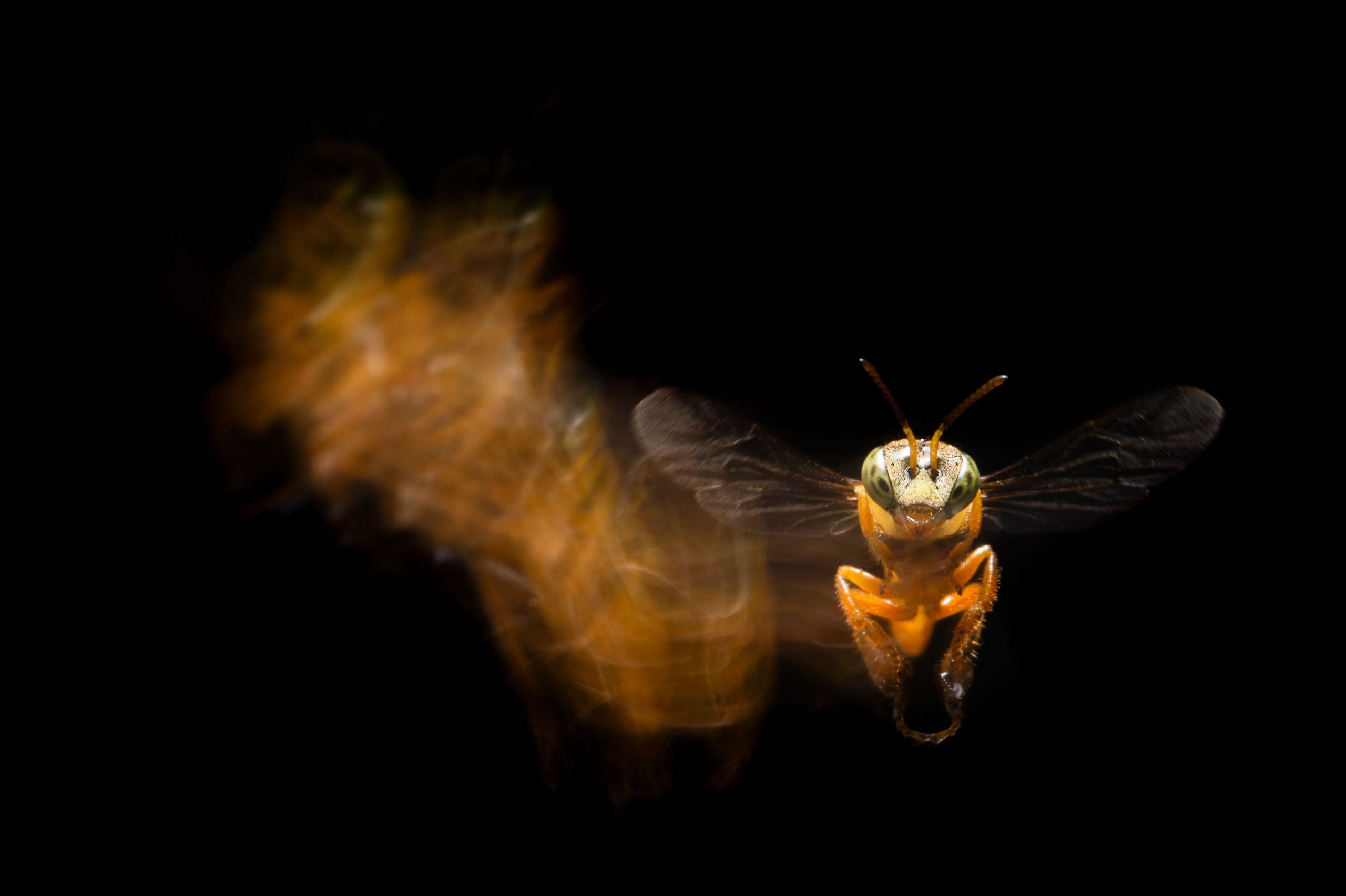
Her background in public speaking also became involved, and today Odom regularly creates films that are shown at fundraising events for the conservation groups she works closely with.
“Together, those films and presentations have helped raise more than a million dollars to protect wildlife and wild places,” she says. “That’s probably what I’m most proud of in my career.”
“Video is such a different way to tell a story, and I love that. It still amazes me that with today’s cameras, it’s often just the flip of a switch, and suddenly you’re on a completely different creative journey,” Odom adds.
Odom is not only contributing directly to conservation work herself, but inspiring many others to follow in her footsteps.
“Passion is contagious, and photography gives us an incredible way to share what we love. A camera can communicate awe. It can show wonder, curiosity, and appreciation,” Odom says.
“I had a woman in one of my workshops share a polar bear photo she had taken with her grandchild. Not only did that child suddenly think their grandma was the coolest person ever, but they connected over how incredible polar bears are,” Odom remembers.
“A simple moment of excitement and curiosity, especially for a child, can spark a lifelong love of nature. That passion might inspire someone to care more, to become a scientist, an artist, a conservationist, or simply someone who makes choices that help protect our planet.
“And if nothing else, it created a meaningful connection between a grandmother and her grandchild through wildlife.”
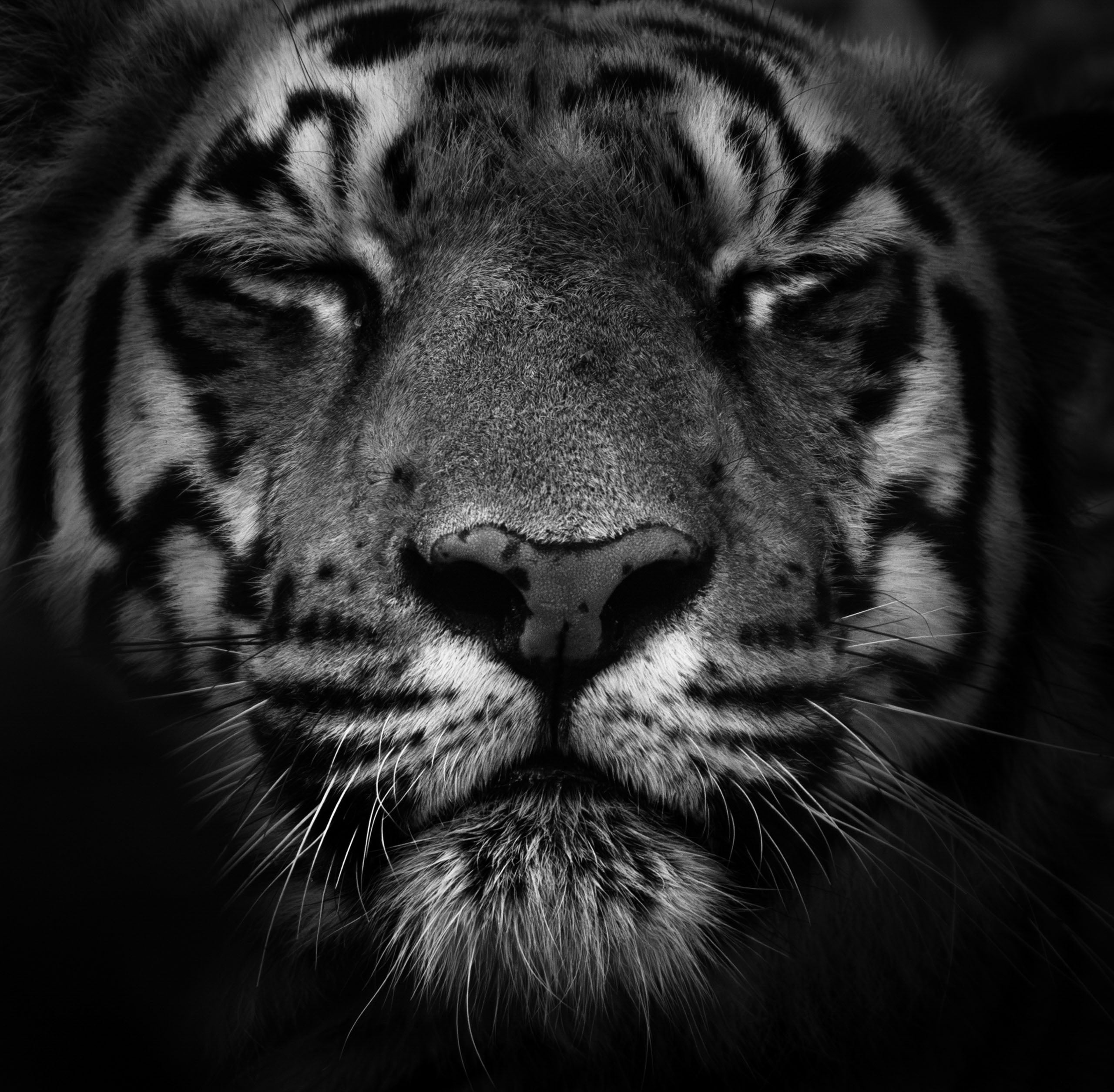
Odom is adamant that you don’t have to be a professional photographer to make a huge difference.
“You just have to care enough to celebrate this amazing planet and its wildlife and share that passion with others,” she says.
“The world needs passionate people. It needs storytellers. We have this incredible tool that can help people fall in love with our planet, and when people care about something, they’re much more likely to protect it,” Odom says. “That’s why education and mentorship mean so much to me. I want to help people create stronger wildlife photographs and films, but even more than that, I want to help them slow down, become curious, and build a deeper connection with nature.”
Building that connection with nature is one of the most satisfying and compelling parts of wildlife photography. While no question, nailing the shot and getting an awesome frame is an incredible rush, sometimes the process, enjoying nature, is the best part.
Image creditsKristi Odom
Affiliate Disclosure PetaPixel articles may include affiliate links; we may earn a commission if you buy through one.