
OnePlus Is Officially Dead in the US and Europe
After days of rumors and reports, Android smartphone maker OnePlus has officially announced that it is, in fact, leaving North America and Europe and will no longer release new phones in those markets.
The company describes the decision as the result of very careful, long-term thinking, and not an urgent or fast-paced move.
As Android Authority reports, the move is part of Oppo’s, OnePlus’ parent company, global product strategy to serve the right market with the right product, the companies say.
It’s easy to believe that the end of OnePlus (mostly) has been in consideration for a long time, since reports emerged in January that OnePlus was shutting down. At that time, OnePlus North America told PetaPixel that it was continuing to “operate with full guarantee of users’ after-sales support, software updates, and rights commitments.”
It wasn’t exactly a firm denial that OnePlus may be getting the axe. What OnePlus said seven months ago about after-sales support remains true today, as OnePlus again reiterated that it will continue to support existing customers. However, the precise mechanisms by which that will happen are not yet clear.
As The Verge notes, European users could conceivably receive service through Oppo itself, but Oppo doesn’t operate in the US.
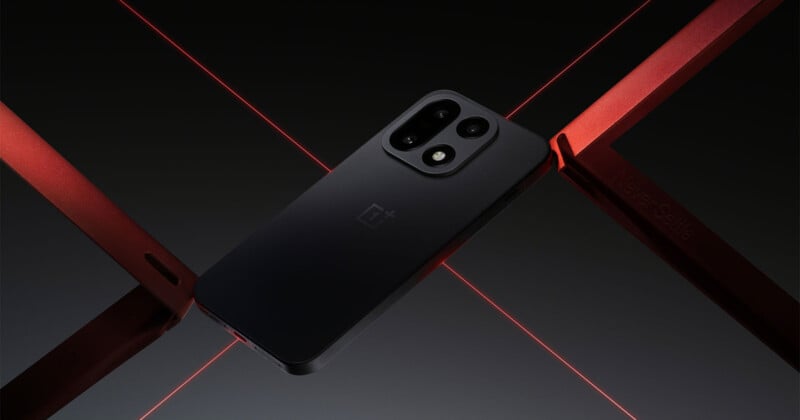
OnePlus India, on the other hand, was adamant in January that any claims of its demise were patently false, calling reports to the contrary “unsubstantiated.” It appears that OnePlus India will be surviving for now.
However, Bloomberg reports that its sources suggest OnePlus will leave India as soon as next year, leaving China as OnePlus’ only market.
PetaPixel’s Take
First things first, this is an unfortunate outcome for the people who work for OnePlus North America and OnePlus in Europe. Hopefully, at least some of them will be able to transition to exciting new roles with Oppo or its other brand, RealMe, but there’s no question that this restructuring will come with human costs.
Beyond that, this is also generally bad news for photographers, although arguably the bad news started with OnePlus’ most recent one, the OnePlus 15. The OnePlus 15, while relatively capable overall, lost much of what made OnePlus’ prior smartphones such compelling choices for photographers. OnePlus tried, and ultimately failed, to beat out the big flagships on the market. But it wasn’t for a lack of innovation and extremely competitive features and performance.
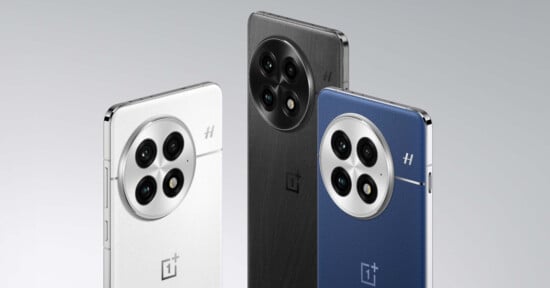
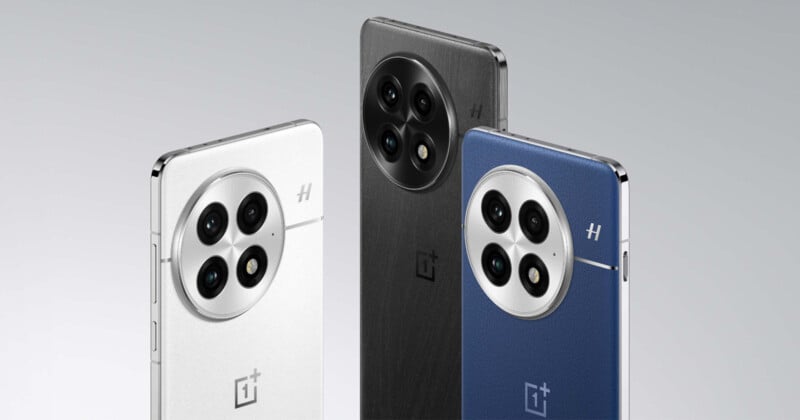
The OnePlus 15 lost the Hasselblad-engineered camera system of its predecessor, the outstanding OnePlus 13, and with that, it lost much of its charm and high-end performance. OnePlus had always prioritized the photographic experience, and suddenly, it didn’t.
It did not seem that the OnePlus 15’s shortcomings would be a flash in the pan, either. OnePlus signaled a significant strategic shift last fall with its last smartphone to launch in the United States, and if the company had continued to operate, the next device would very likely have made the same stumbles. The OnePlus basically became another Oppo phone, raising the question, “Why have OnePlus at all?”
It was a real fall from grace for OnePlus, which for at least a little while was a very legitimate competitor to the big dogs in the smartphone space. Arguably, OnePlus was doing many photography-related things better than Google and Samsung.
But it didn’t pay off; OnePlus’ market share in the US never got very high. As WIRED reports, OnePlus’ market share fell from 1.8 percent of the US market in 2021, which is obviously not very high to begin with, to 0.1 percent last year. Last year, just Apple and Samsung combined for 80 percent of the market, for reference.
For the United States in particular, which already lacks easy and official access to so many of the Android phones doing interesting things, like the excellent phones from Xiaomi and Honor, for example, losing OnePlus hurts even more.
Image creditsOnePlus
Affiliate Disclosure PetaPixel articles may include affiliate links; we may earn a commission if you buy through one.