
We Are Living in a Panoramic Film Renaissance
In just an eight-month period, no fewer than three new medium format panoramic film cameras hit the market. I’ve used them and am ready to render my verdicts on each, but there can be no doubt: we are living in a panoramic renaissance.
This all started last August when Custom Camera Building (CCB) announced a range of new medium and large format film cameras, including the CCB 617C. One month later, the Sasquatch 617 was announced. The following April, Exposing Engineering announced the VZ-6617. All three cameras have the same basic premise, but approach the experience of panoramic film photography slightly differently. As such, this comparison isn’t so much about determining which one is better, but rather explaining what type of photographer will get the most benefit out of each.
But, at their core, these are all plastic rectangular boxes with a large format lens attached to a protruding cone. Medium format film is inserted on the left side, dragged over and across to the right, and advanced with dials on either end. Where they differ is in how they approach film management, framing, and general usability.
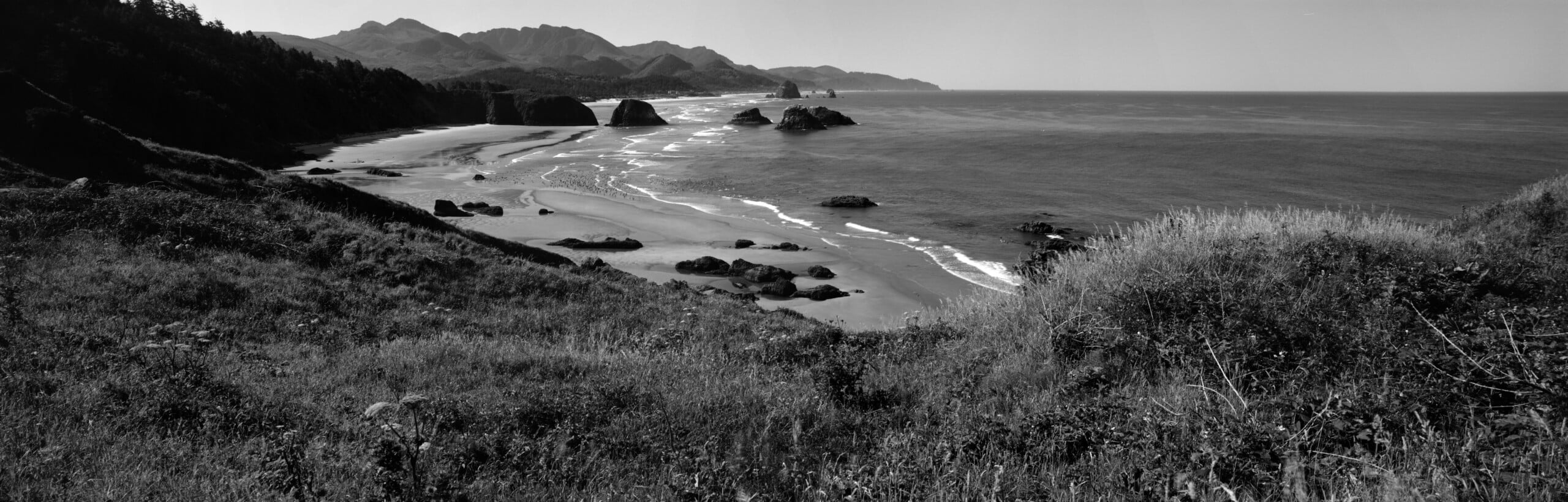
It’s also worth noting that in all three cases, no lens is included with these cameras. Because these work with vintage large format lenses, photographers are asked to acquire their own. Each of these makers supports different lenses, so make sure you’ve checked compatibility before pulling the trigger on KEH, Blue Moon Camera, or eBay.
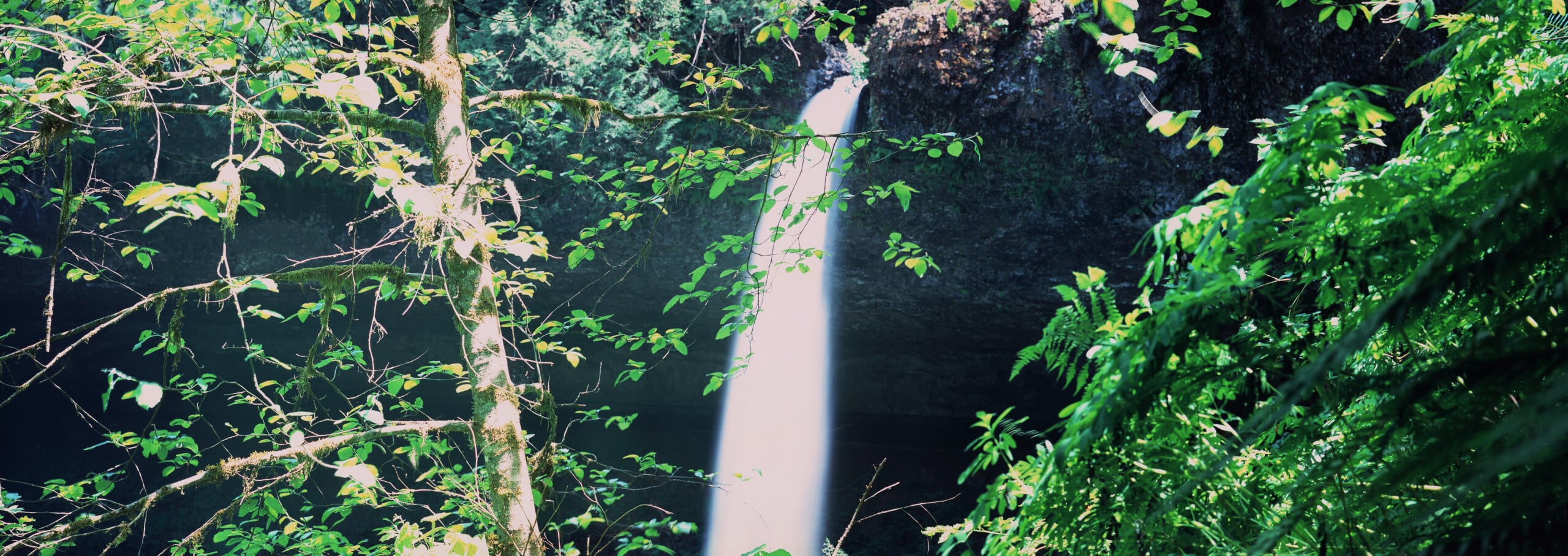
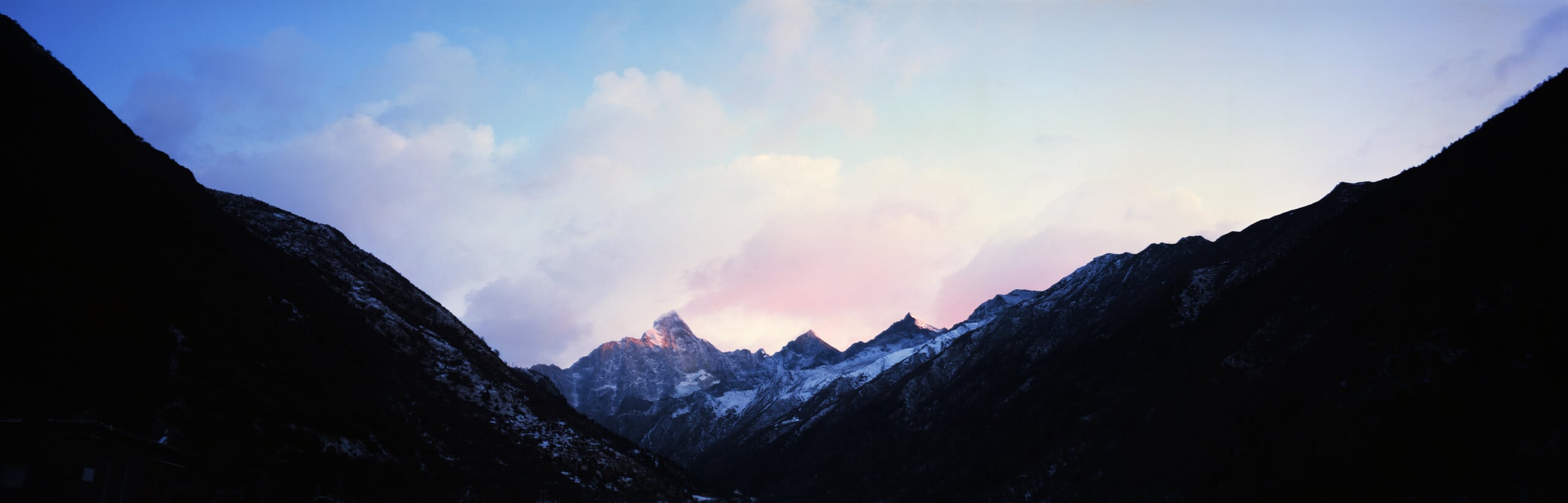
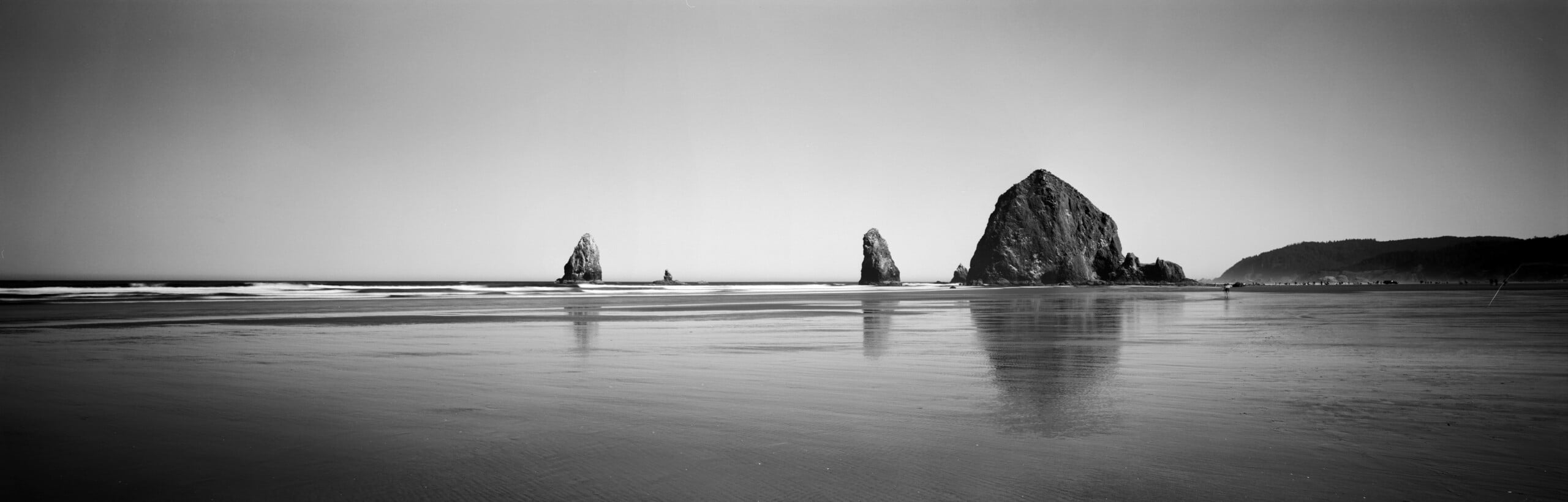
I used a Schneider Kreuznach Super Angulon 90mm f/8 with the Sasquatch and VZ-6617, while I paired the CCB 617C with the Caltar II-N 90mm f/6.8 MC.
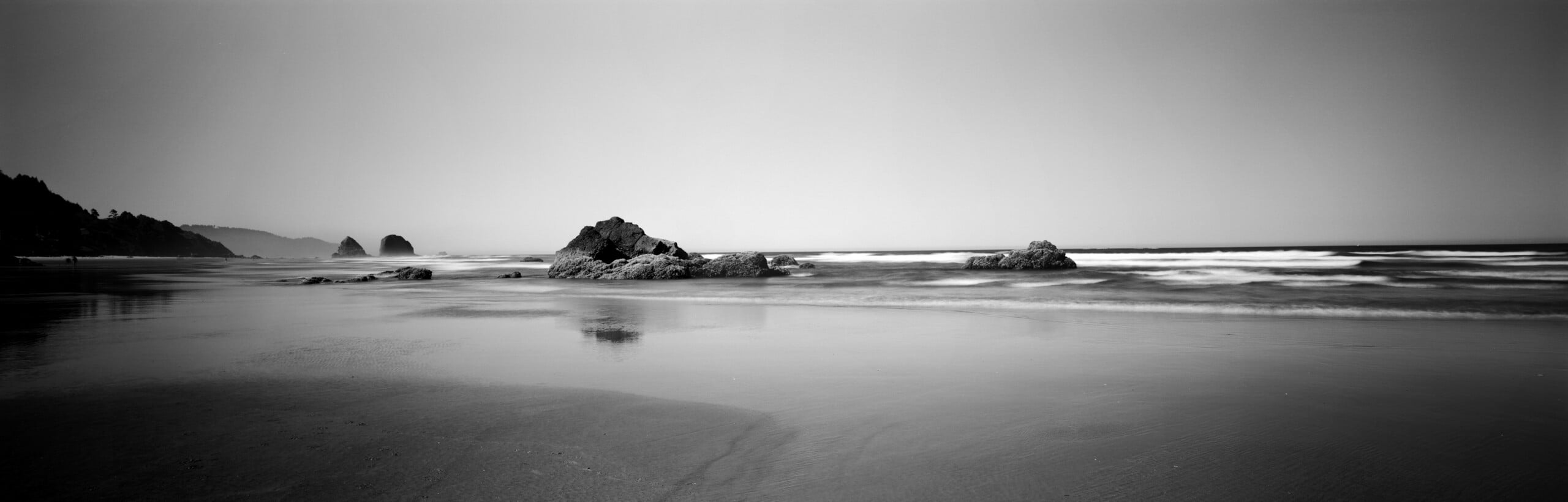
Of note, a 90mm large format lens translates to a full frame equivalent of 28mm left to right, and about 50mm top to bottom. These lenses are very sharp and were made to be used at higher apertures, so they excel at f/22, which certainly helps keep things in focus.
CCB 617C Review: For the Highest Success Rate
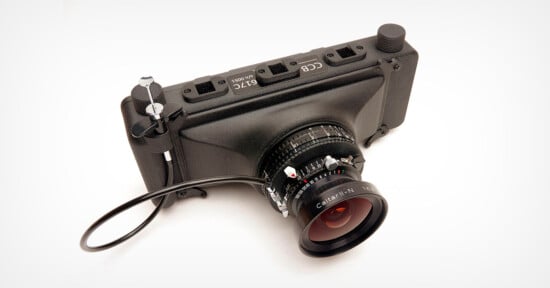
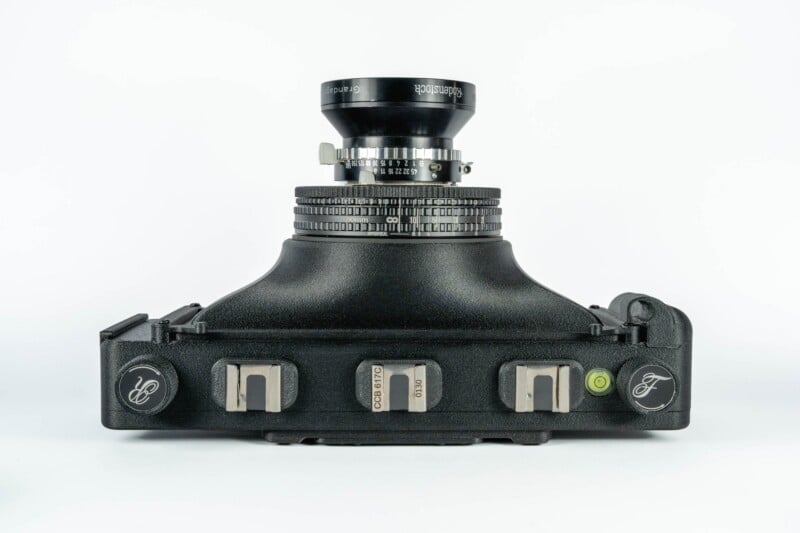
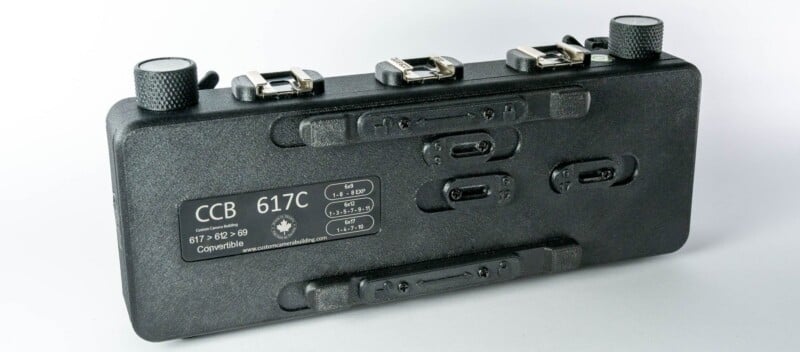
The CCB 617C was the first of these cameras to come to market, so it’s as good a place as any to start. First, the CCB features three top-mounted cold shoes, a spirit level, and an interchangeable back that includes an aluminum light shield that slides in between the lens and the film plane.
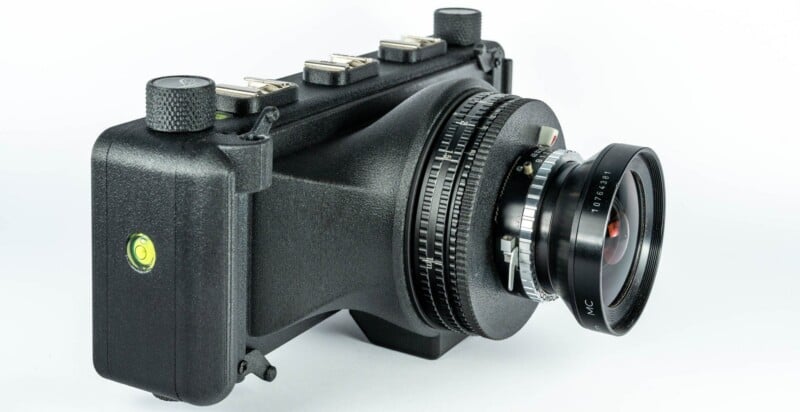
The reason this metal shield is important is in the way CCB approached the “viewfinder.” Since the film is locked inside the camera and there is no prism like you would find on an SLR, a lot of photographers new to this medium would immediately ask, “So how do you see what you’re shooting?”
While it is possible to use a viewfinder app on a smartphone and mount it to one of the cold shoes, CCB includes two ways to see what a frame looks like. One is a tiny, fiddly, very inaccurate optic-less viewfinder that slides into the central cold shoe. I immediately lost this tiny piece of plastic, but I wasn’t too broken up about it because it was not very accurate even when you manage to look through it at the perfect angle and distance. Instead, CCB suggested that I use the ground glass back to catch focus and see a scene.
To do this, you first need to insert that aforementioned light shield, then remove the whole back of the camera from the cone and lens. You can then attach the ground glass back and open the lens shutter to cast an upside-down and backward view of the scene onto that ground glass. Because you’re seeing exactly what the lens is seeing, this is an extremely accurate way to see a scene and, as such, I had the highest success rate with this camera.
The downside is that not only does this increase the size of the kit you need to carry, it also introduces a number of factors that could go wrong if you’re not careful. If you forget to close the shutter back down, you’ll expose your film the second you replace the back and remove the light shield. You could also completely forget to remove that light shield. These add to the other complications of using a wholly analog camera, like exposing a scene incorrectly, forgetting the speed of the film you’ve got inserted, or aligning the film incorrectly inside the camera.
Speaking of film alignment, the CCB features a set of gates on the back of the camera and a “map” or sorts that shows where the numbers on the back of the medium format film need to align in order to ensure you aren’t accidentally overlapping frames. If you get the numbers wrong or align them to the wrong gate, the photo is likely ruined. Luckily, CCB’s placement of that instruction graph is front and center, so it’s difficult to get this wrong so long as you’re halfway paying attention.
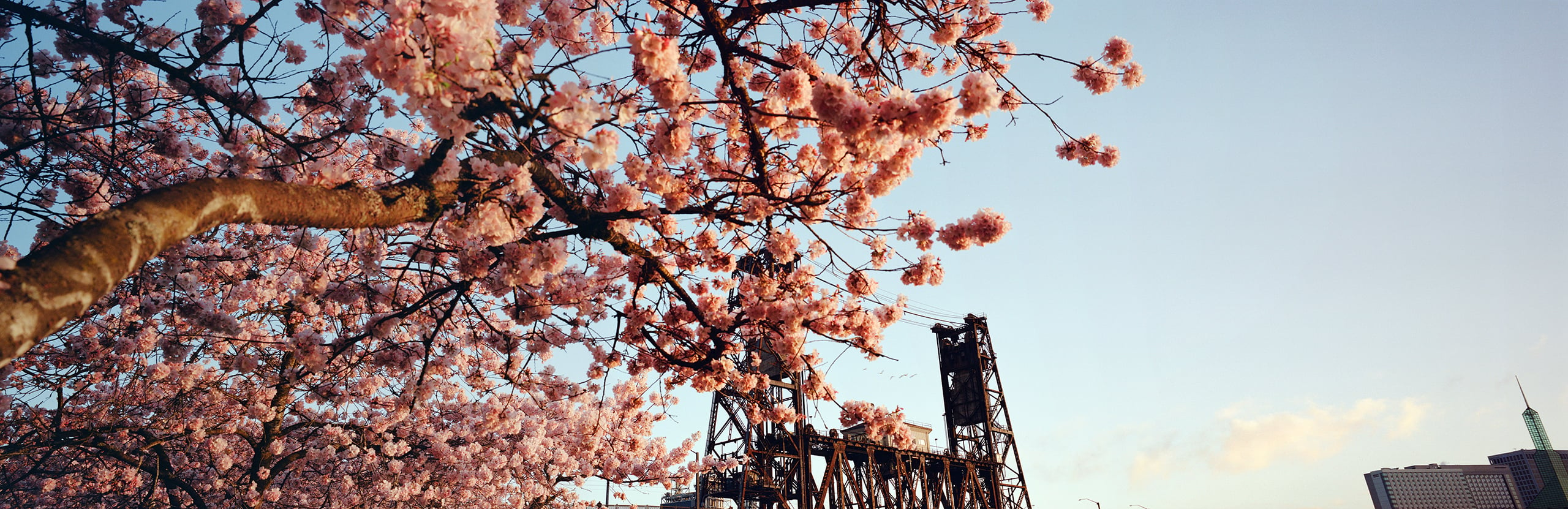
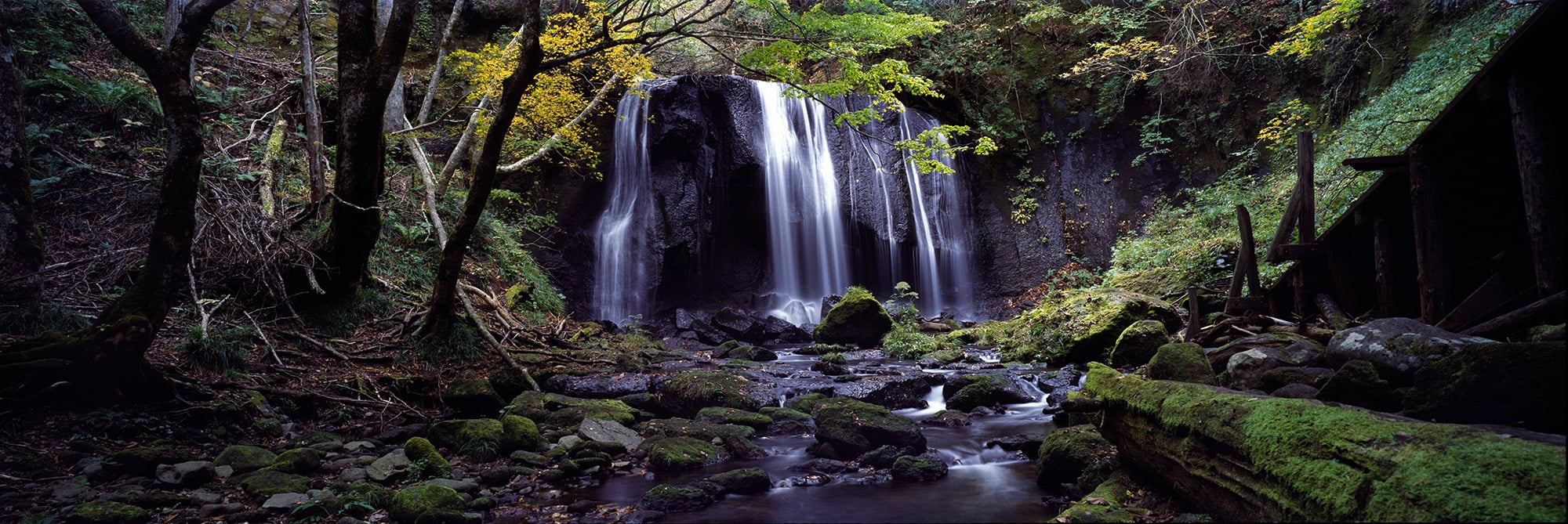
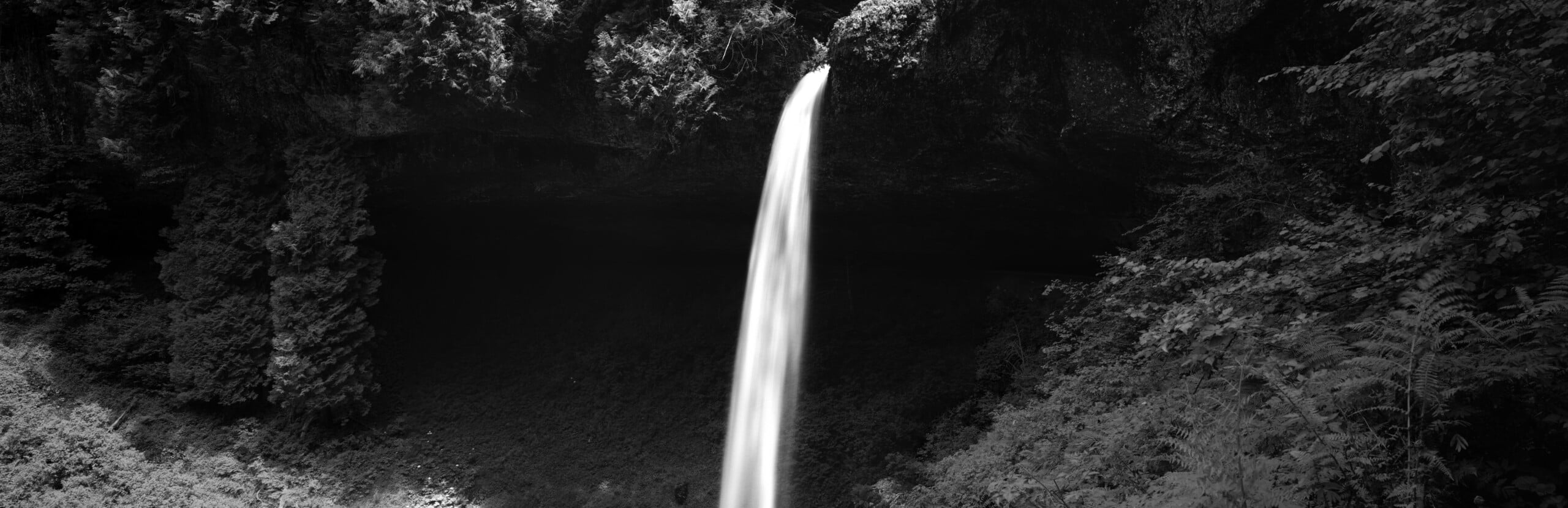
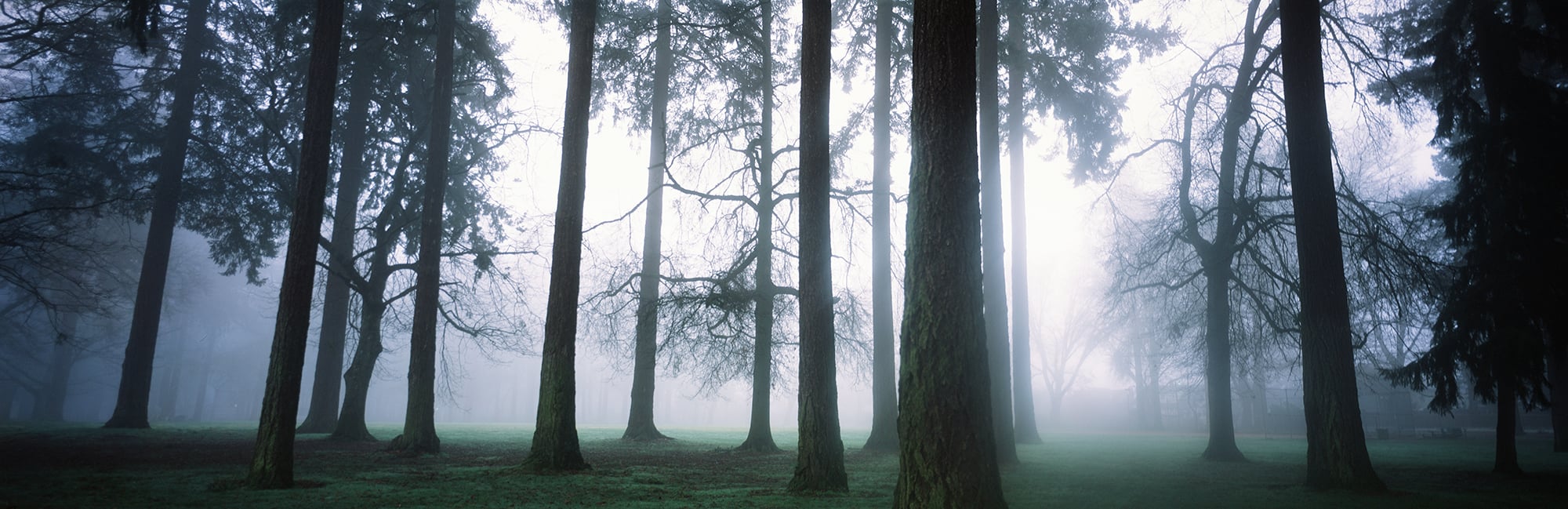
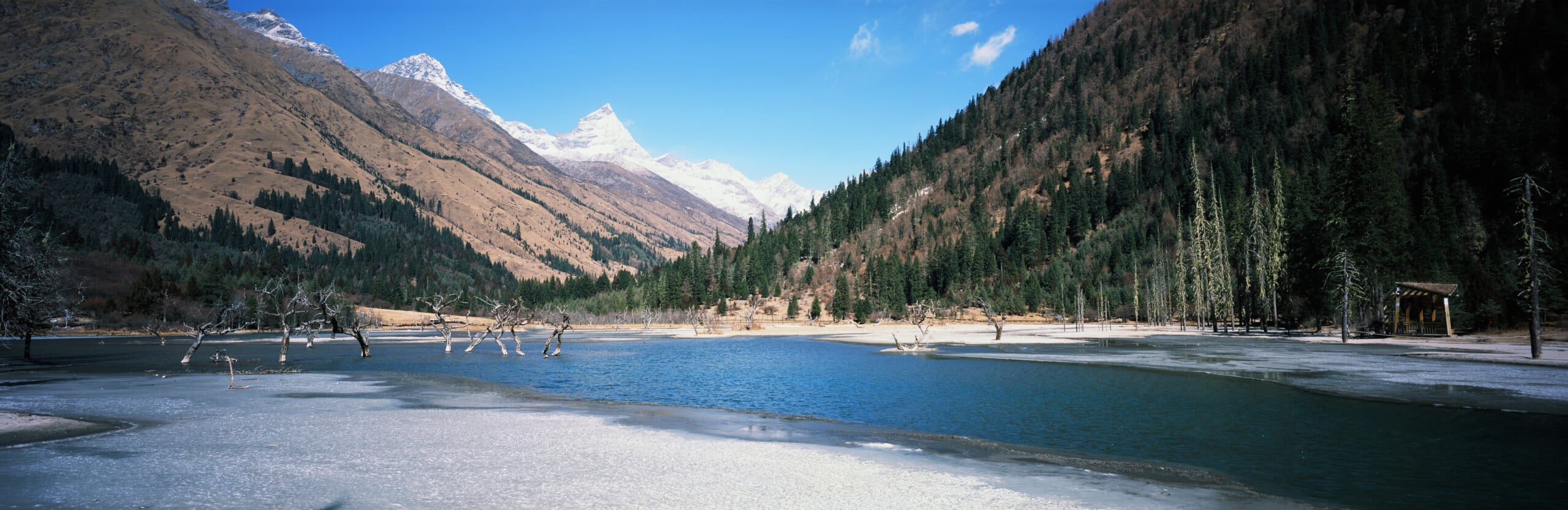
If you have all the time in the world and don’t mind carrying a checklist (just like a helicopter pilot does on startup), then the CCB-617C is likely the most accurate way to get consistent photographs. The downside is that there are more parts to carry and, as mentioned, taking a photo is not a quick process at all. Chris Niccolls waited nearly 10 minutes for me to take the photo below, for example.

The Custom Camera Building 617C camera costs $562, and the camera’s full lens compatibility list can be found on the company’s website.
Sasquatch 617 Review: Trimmed Down and Travel Ready
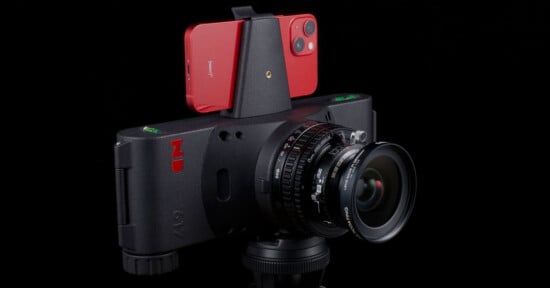
The Sasquatch 617 takes what the CCB 617C does and cuts off all the fat. This is a simplified experience for relatively fast, low-stress panoramic photography, but the experience might be a bit too slimmed down for some. The camera features no cold shoes for mounting and no spirit levels. I don’t miss the level too much because I can rely on my tripod’s, but the lack of cold shoes means I had to get inventive with Velcro in order to mount my laser rangefinder and light meter to the top of the camera.
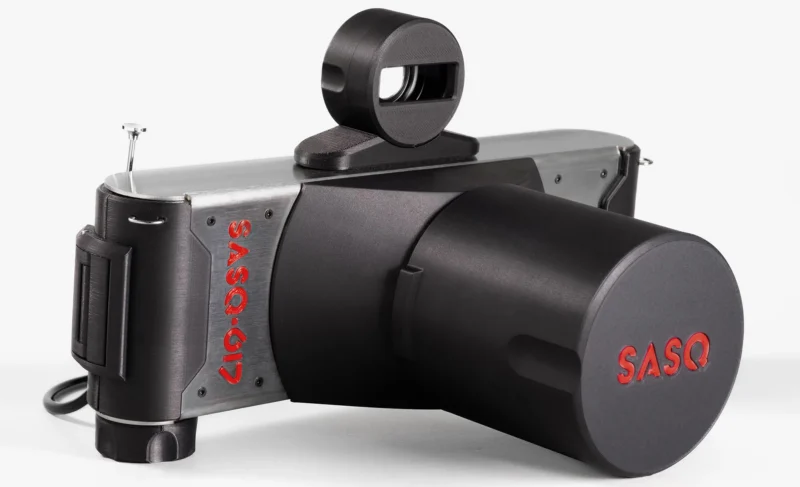
What Sasquatch does better than both of the other panoramic options here, though, is with its viewfinder. The company designed a real viewfinder with optics in it that magnetically attaches to the exact same position on the top of the camera every time. I have found the field of view presented through this palm-sized diopter to be extremely accurate to what the lens captures to the degree that I have absolutely no qualms about trusting it fully. This is an excellent viewfinder, and it eliminates the need for a viewfinder app or ground glass back.
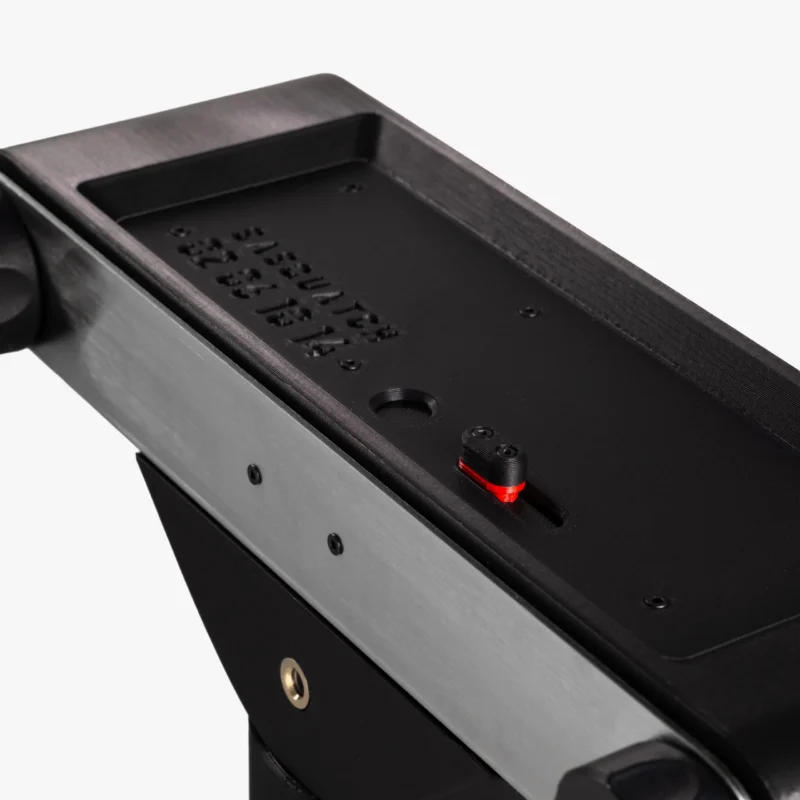
Sasquatch also includes a cable release that magnetically attaches to the back so you could hand-hold the 617 and use it like a modern camera — I’ve done it. The photo below was snapped quickly, hand-held (the light leak was my fault, not Sasquatch’s).
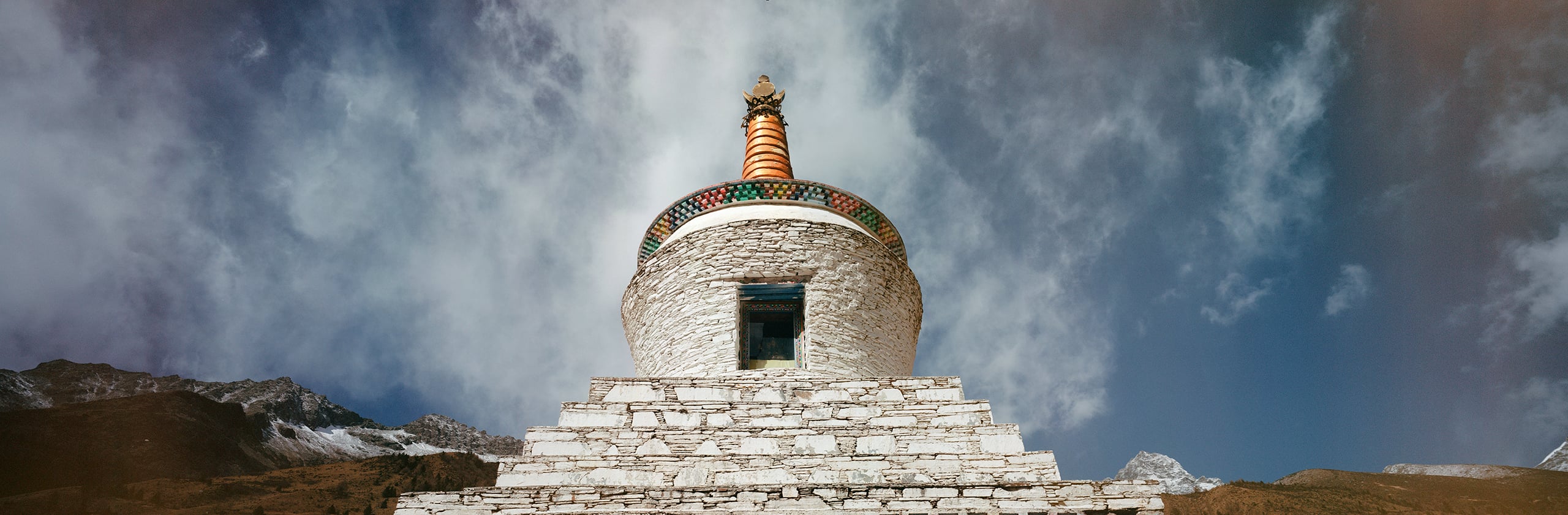
I really like the back of the Sasquatch as well since it is designed to operate like a traditional film door. It snaps open, swings on a hinge, and snaps closed. The advance dials on the sides of the camera are also well designed. I like that they are located on the bottom of the camera to keep the top clean, and they are nice and big, which makes them easy to grip and twist.
That back door also has a single sliding window that shows the numbers on the back of the film, and right next to it are the alignment numbers to assure you don’t accidentally overlap frames. This is the simplest, best implementation of all these cameras because it’s so dead simple, it’s basically impossible to mess up.
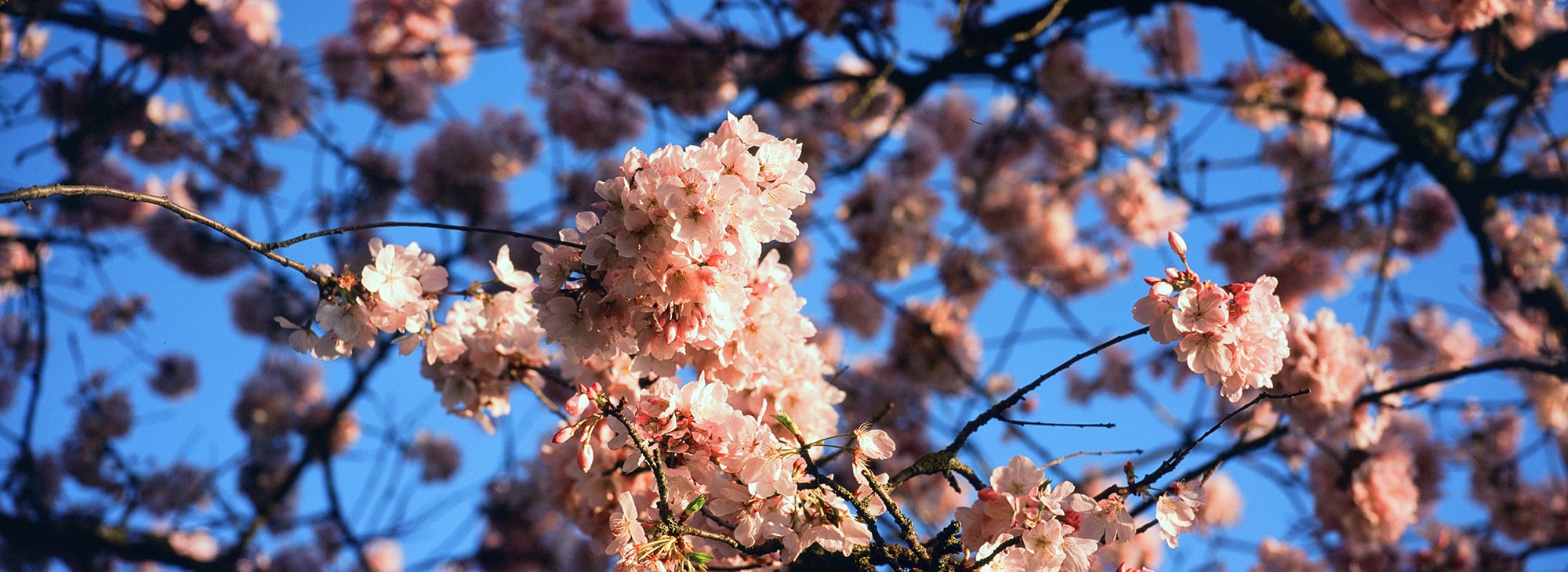
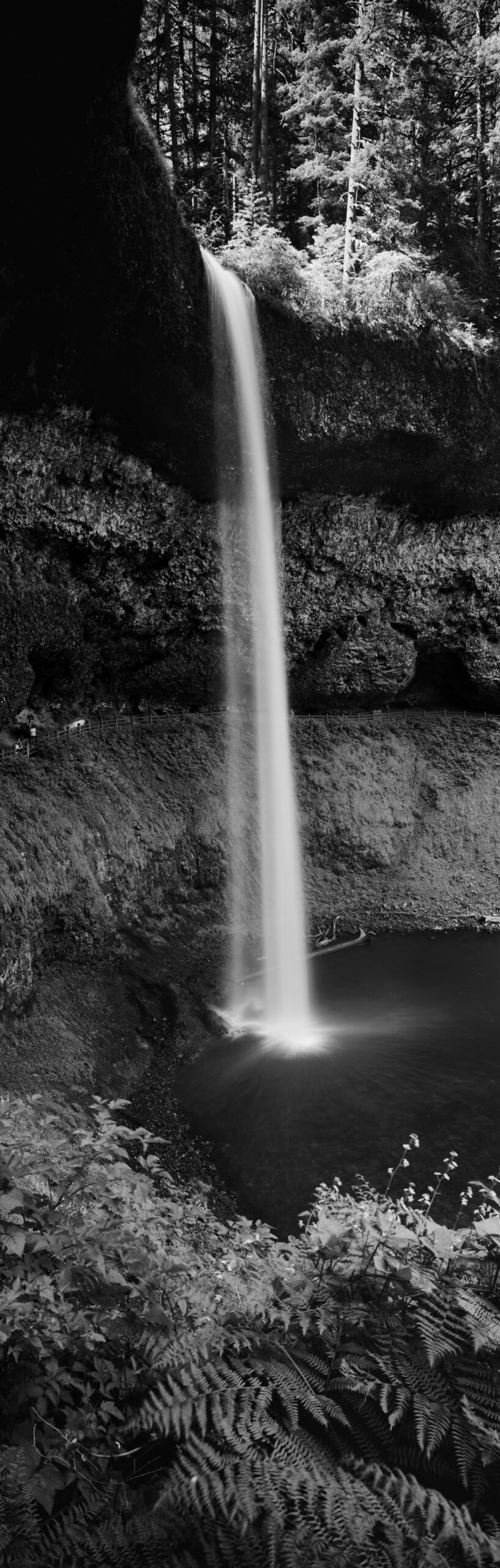
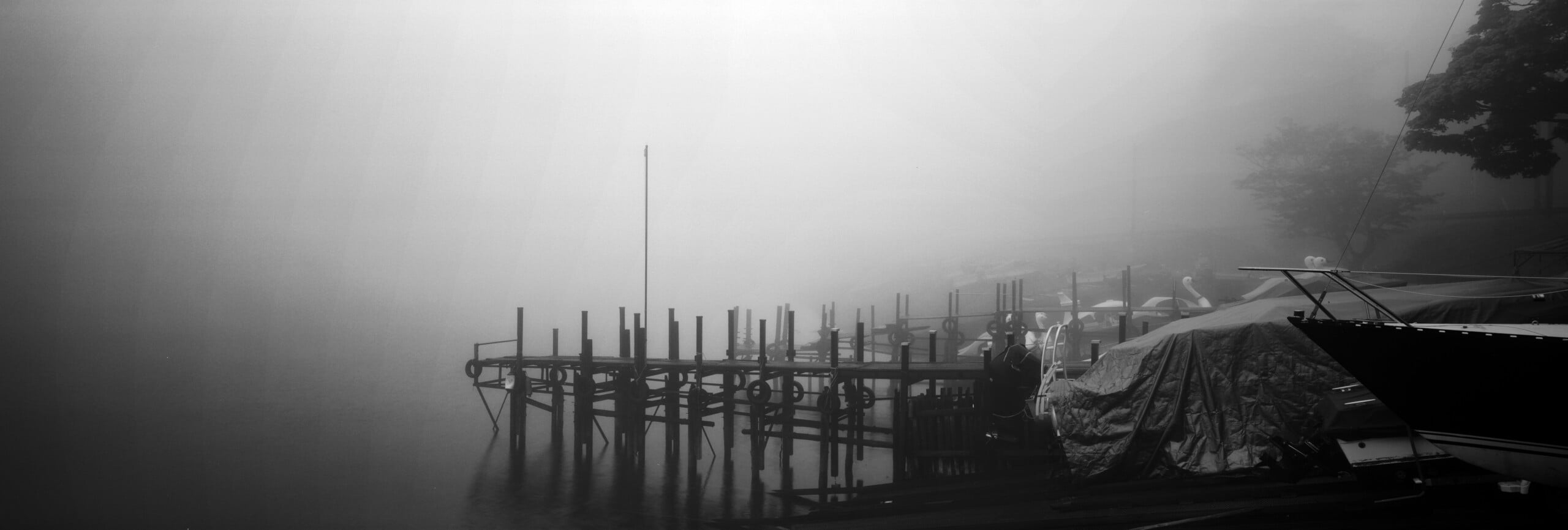
Finally, the Sasquatch 617 is the only camera in this group that comes with a lens cap. It’s a plastic cone that slips over the entire lens assembly and locks in place with a slight turn, keeping the fragile parts of this system safe even when the camera is jammed in a bag. That cap plus the steel shell around the camera body makes me feel like I can be rougher on this system than any other, which means I feel more comfortable taking this camera on more adventures.
If I have one complaint, it’s that the Sasquatch cone doesn’t feature distance markers painted directly on the focusing ring. Instead, it just has a series of dots that correspond to different distances that I, frankly, cannot remember. That’s why I always have the user manual with me in my bag so I can quickly reference what the dots mean. It’s such an irritation that I basically never shoot anything other than infinity. I have spoken to the Sasquatch team about this, and they agree it’s not the best design and mentioned they could put actual distance markers on it, so it’s possible those of you who buy this camera today won’t have the same issues that I do.

The Sasquatch 617 is available for $580 (and that includes the viewfinder, cable release, and lens attachment collars).
Exposing Engineering VZ-6617 Review: The Most Versatility
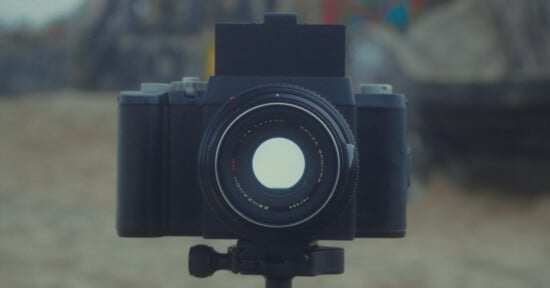
The VZ-6617 is the most recent of these cameras and has more in common with CCB’s design than it does Sasquatch’s. This is a big, hefty camera that is covered in spirit levels (it has three) and cold shoe mounts (also three). Francis, the designer, wanted this camera to be the one and only medium format camera anyone could ever need, so it features not only interchangeable front cones but also a novel internal gate system (called the Variable Zone Film Gate) that allows photographers to shoot multiple frame sizes from 6×6 through 6×17 in stepless increments.
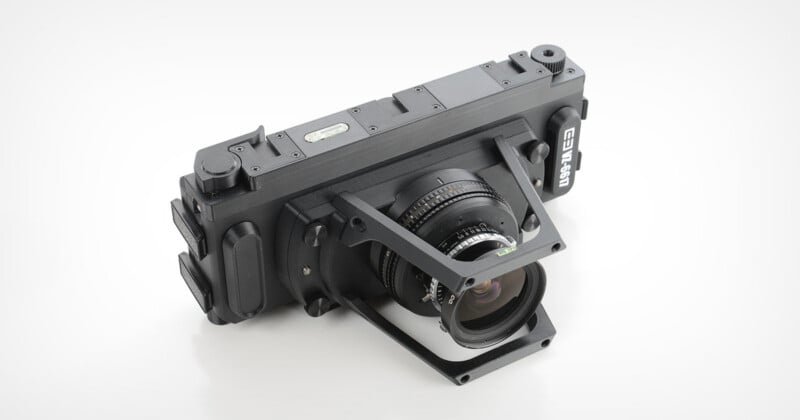
The design follows a look that is reminiscent of the Fujifilm G617, with a pair of U-shaped bars on the top and bottom of the lens, which protect it from banging into things. Like the Sasquatch, it also features a magnetically attaching cable release.
The VZ-6617 also provides three ways to view a scene: dedicated shoe-mount viewfinder, ground glass back, and a shoe-mounted smartphone app. I did not get a dedicated viewfinder, so I can’t speak to how good it is, and the ground glass back option wasn’t available at the time of review either. Seeing as I experienced those two on the other cameras, however, I was game to try out the viewfinder app experience, especially since Exposing Engineering worked directly with Second View to give maximum support to this system.
What I can say is that this was my least favorite way to view a scene, as I felt I was never quite getting exactly what I was hoping for, even though I really love the Second View app for its light meter and reciprocity correction.
While the VZ-6617 is the most versatile of these options, it is therefore also the most confusing. Instructions for where to advance the film if you choose to mix and match aspect ratios feels like a task that requires a master’s degree in engineering.
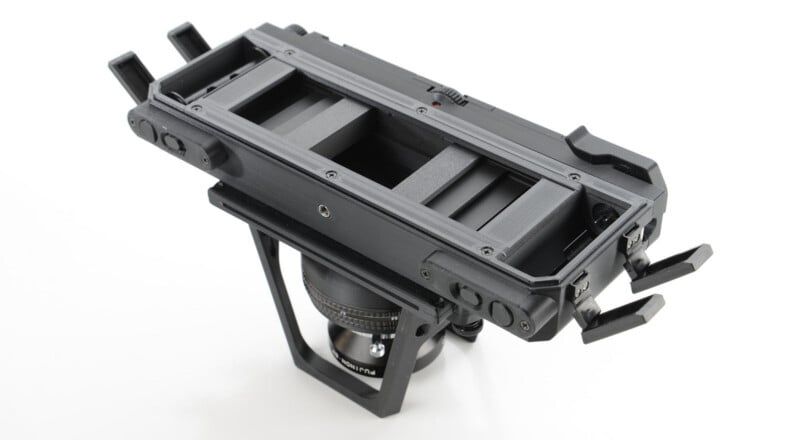
Additionally, the frame number window guide, while easy enough to follow, isn’t visible on the back of the camera like it is for both the CCB and Sasquatch cameras. Unfortunately, it’s found on the bottom of the camera, which means it’s not intuitive or easy to see when you are actively advancing film.
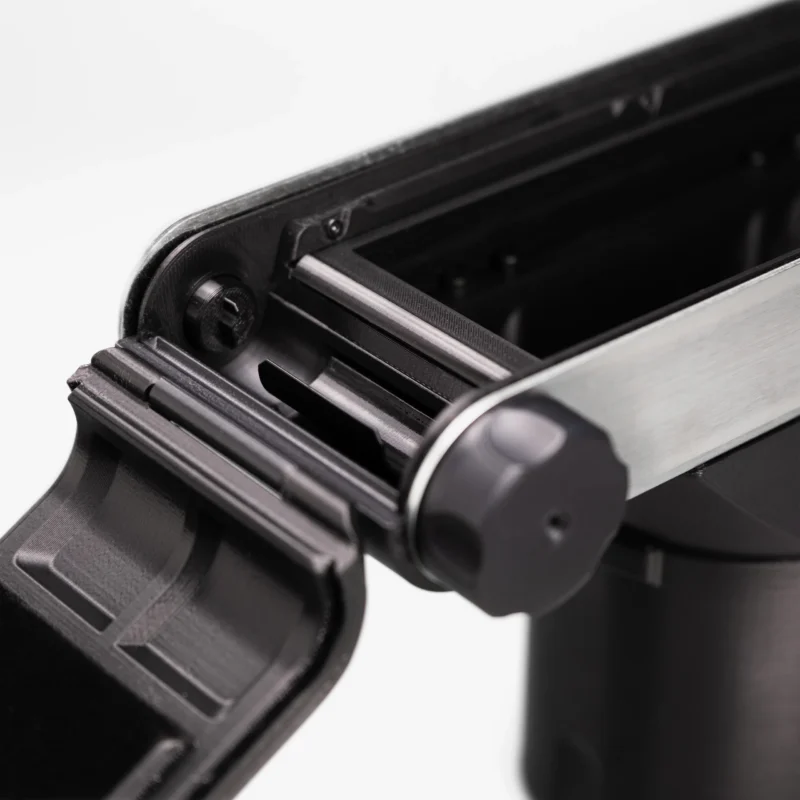
You do get actual distance markers on the lens cone, which is great, but the film advance knobs don’t feel good to use. They’re pretty thin, and half the knob is blocked, so you sort of have to pinch and wind in small bursts, which isn’t particularly comfortable. I probably wouldn’t have noticed so much if the Sasquatch knobs weren’t so noticeably better.
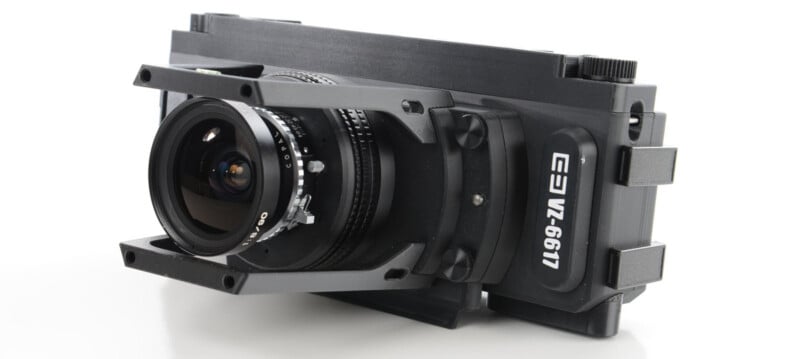
What I really like about the VZ-6617 is that it can be one camera that can do it all. It’s the absolute best option of these three for a photographer who wants to enjoy panoramic photography but doesn’t want to only shoot panoramic. That doesn’t happen to be me, but I can certainly see other photographers gravitating to this system because it combines four or five medium format cameras into one.
At the time of publication, the VZ-6617 wasn’t available to purchase directly from Exposing Engineering yet, as it was still in the crowdfunding stage (it was successfully backed, however). That said, it will retail for $549 and will include the camera body and a 90mm focal length lens cone. Adding the optical viewfinder and the magnetically attaching cable release increases the investment to $649. Given that the cable, at least, feels necessary, it’s fair to look at the cost of this camera as $649.
To Each Their Own
Hopefully by this point, you can see how while all three of these cameras are starting from the same base idea, each will appeal to a different photographer. Personally, the Sasquatch 617 is the one that finds its way into my camera bag most often. I travel a lot and want to have a camera that can fit into my kit without too much fuss and is rugged while also being lightweight.
I never want to be using medium format for anything other than panoramic, so the versatility of the CCB 617C and the VZ-6617 isn’t especially important to me. I really like the optical viewfinder, the design of the film door, and the film advance knobs.
But all three of these cameras are well made and successfully achieve their design goals. Whichever you choose, you’ll find yourself yearning to get into the field and fire off some frames.
Image creditsUnless otherwise noted, all photos by Jaron Schneider
Affiliate Disclosure PetaPixel articles may include affiliate links; we may earn a commission if you buy through one.