The FPV Drone Footage From Ukraine Is Unprecedented
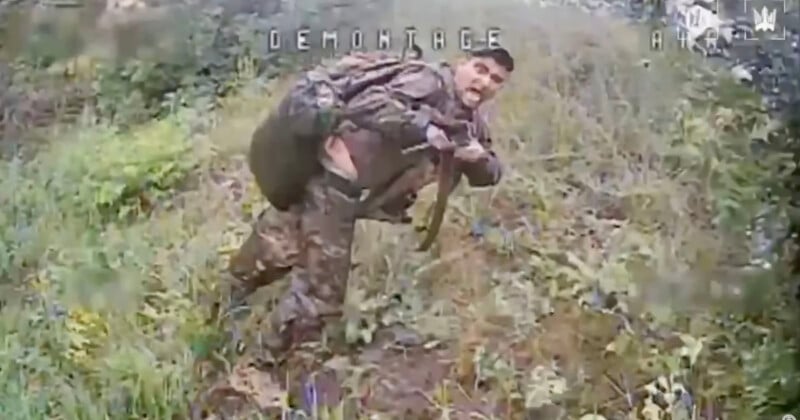
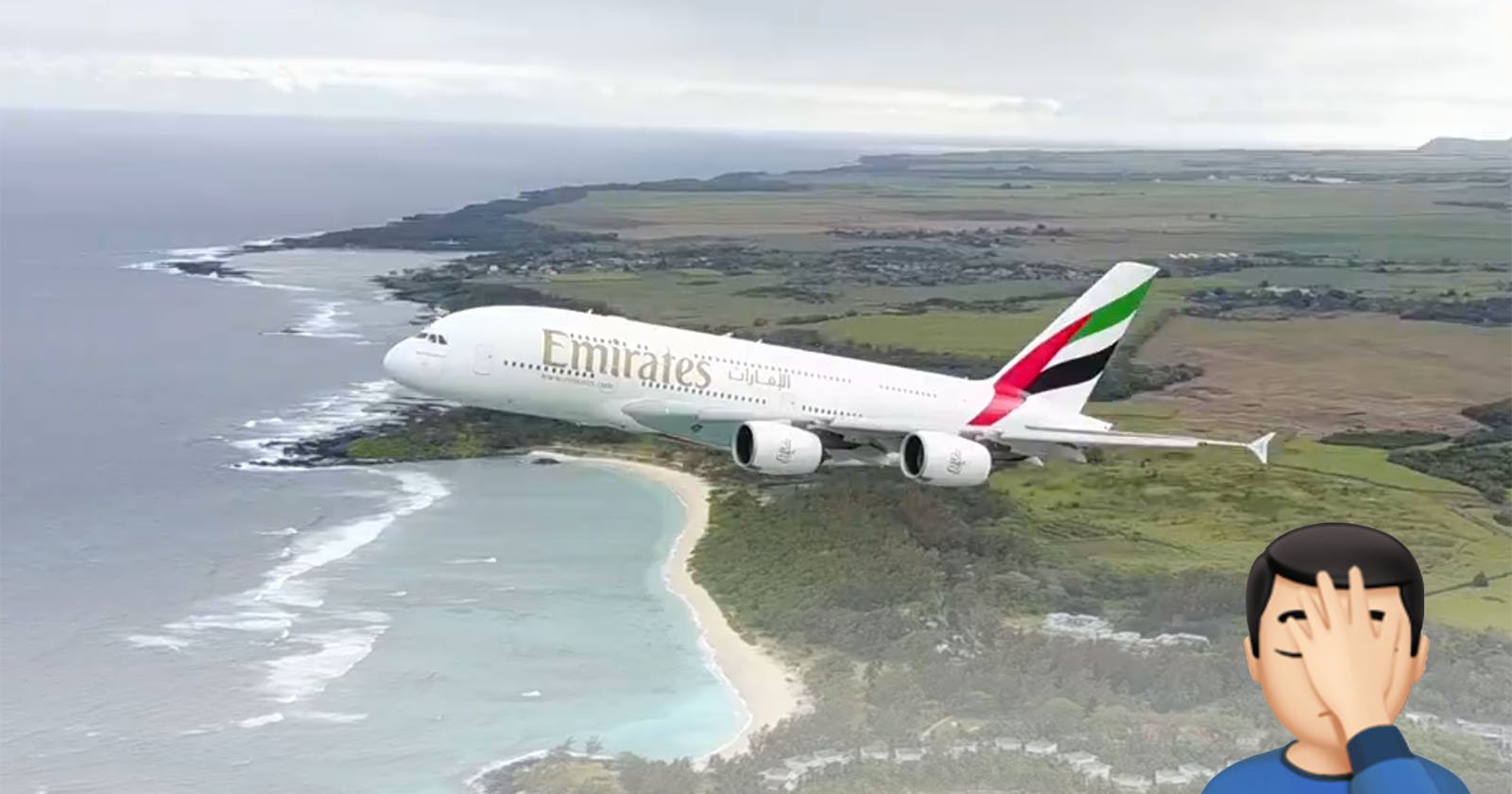
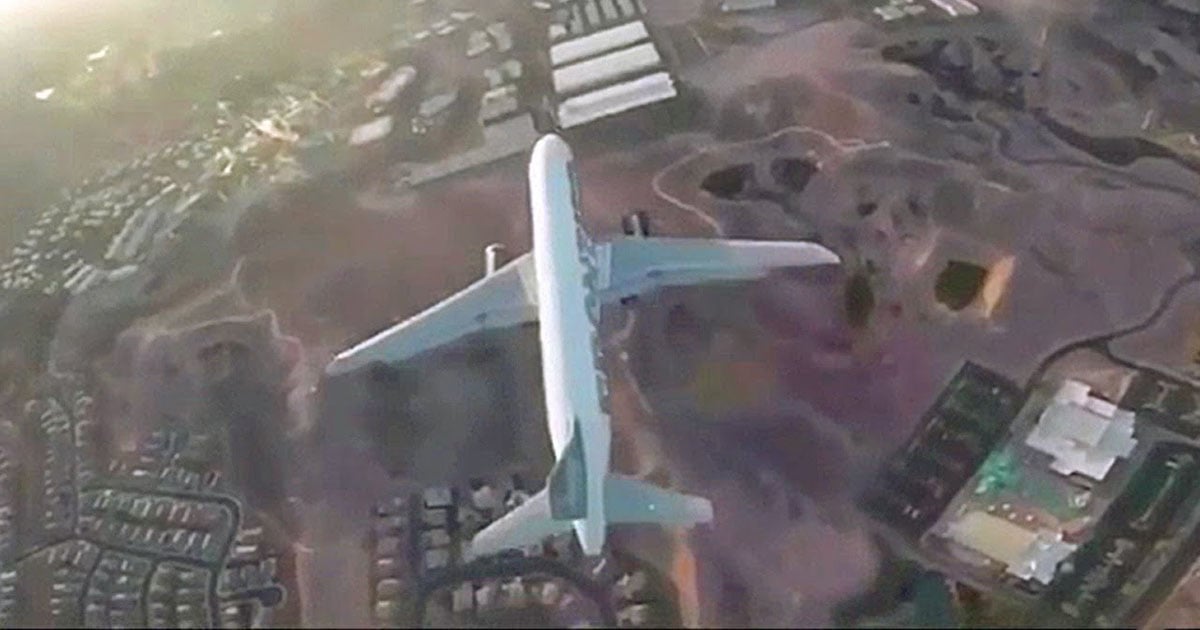
Which drone video that you have watched will stay with you the longest? There’s been some great ones, like that bowling alley video a few years ago or beautiful shots of Iceland. But they don’t compare to the avalanche of videos coming out of the Ukrainian frontline, many of which show a human being’s final moments.
Warning: Some may find this article upsetting.
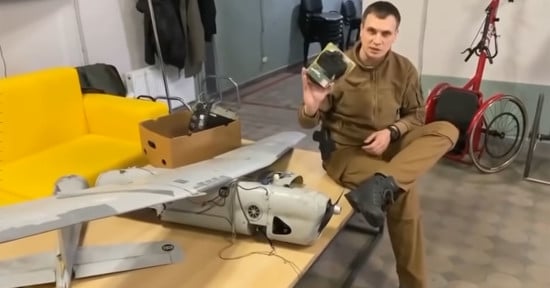
Back in 2024, PetaPixel reported on how cheap, FPV drones were being used kamikaze-style to alter the reality of warfare. The constant threat of aerial attack from a small, consumer device means that the invading Russian troops can no longer gather in large numbers and must move across the Ukrainian “kill zone” in groups of no more than two, often just by themselves.
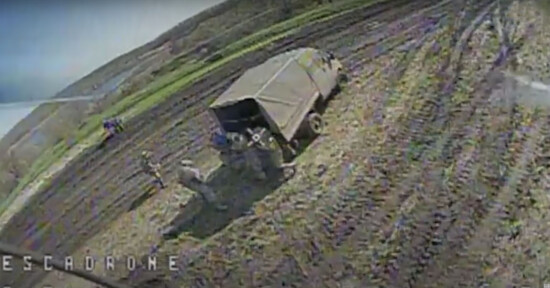
It’s a dystopian reality in which Russian troops are ordered to push into enemy territory toward a set of coordinates as they are hunted by eyes in the sky. Ukraine is using surveillance drones to spot the invaders, then sending FPV kill drones rigged with explosives that are either controlled by radio signal or via a very long, ultra-fine fibre-optic cable that trails behind the drones. Reuters reports that some of the Ukrainian pilots are in the kill zone themselves, hidden underground or inside a building.
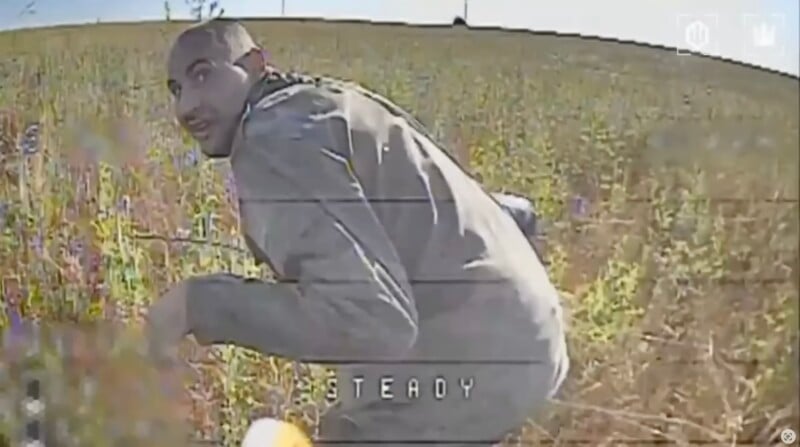
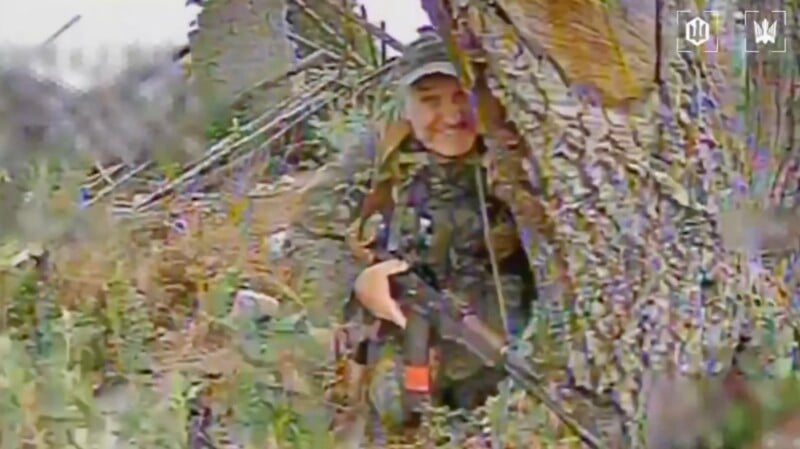
The pilots have no qualms sacrificing one, two, three, or even half a dozen drones in the pursuit of a single Russian soldier’s life. Footage of successful strikes is often shared by Ukrainian regiments on apps like Telegram. These haunting videos sometimes show the whites in a Russian soldier’s eyes as they realize the game is up; some of them spend their final moments shooting at the unmanned aerial vehicle (UAV), some of them lie on the ground with their hands clasped in prayer.
Close observers of the war, which is now in its fifth year, have noted that these videos have been proliferating for the past six months. There is so much death and destruction that an estimated 30,000 Russian troops are being killed every month; that’s more than the number of soldiers arriving on the frontline. Despite this, Russia continues to grind forward in Ukraine by drawing on its much larger population. President Putin is reportedly preparing a mass mobilization of troops for September.
But what does this type of warfare and the resulting videos mean for the drone industry itself? For working photographers, they’re a way to capture landscapes from above and have become a vital piece of kit. But for many, drones are seen as killing machines — this perception could get worse.
Manufacturers, such as DJI, have already found themselves navigating export controls, sanctions, and concerns over how commercially available aircraft can be repurposed for military use. Future generations of drones are likely to incorporate more restrictions, while governments may look more closely at who can buy them and how they are used.
Features once prized by filmmakers — better obstacle avoidance, lower latency, longer flight times, and more reliable communications — are now being refined under the pressures of modern warfare. In NATO exercises, small Ukrainian drone teams keep beating allied forces.
Drones are still seen as tools for creatives, for now anyway. But will they continue to be viewed that way if the defining images of this decade aren’t cinematic fly-throughs or sweeping landscapes, but the final moments of soldiers hunted from the sky?
Affiliate Disclosure PetaPixel articles may include affiliate links; we may earn a commission if you buy through one.