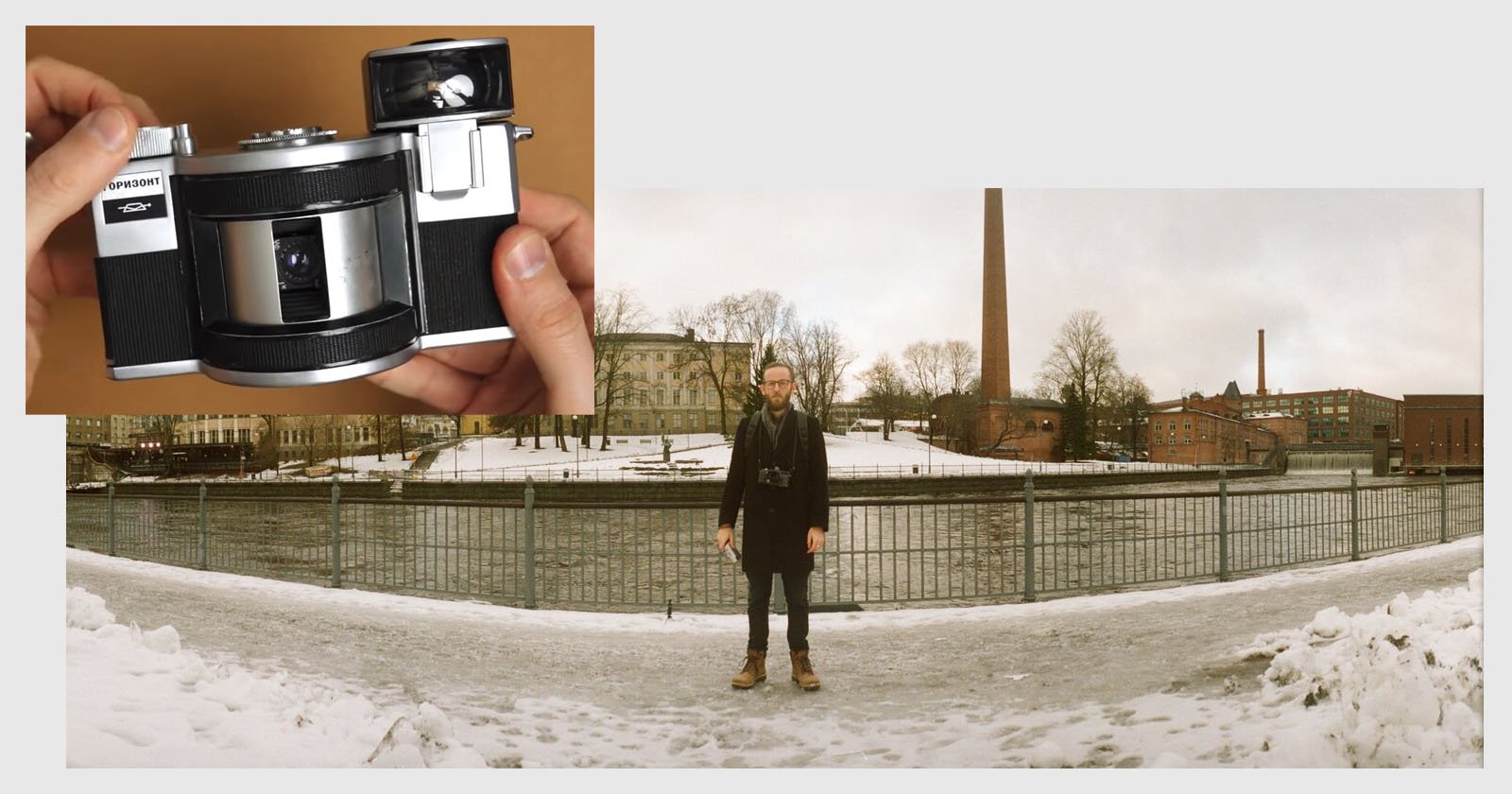
It’s Time for a Panoramic Fujifilm X100: It Would Be a Huge Hit
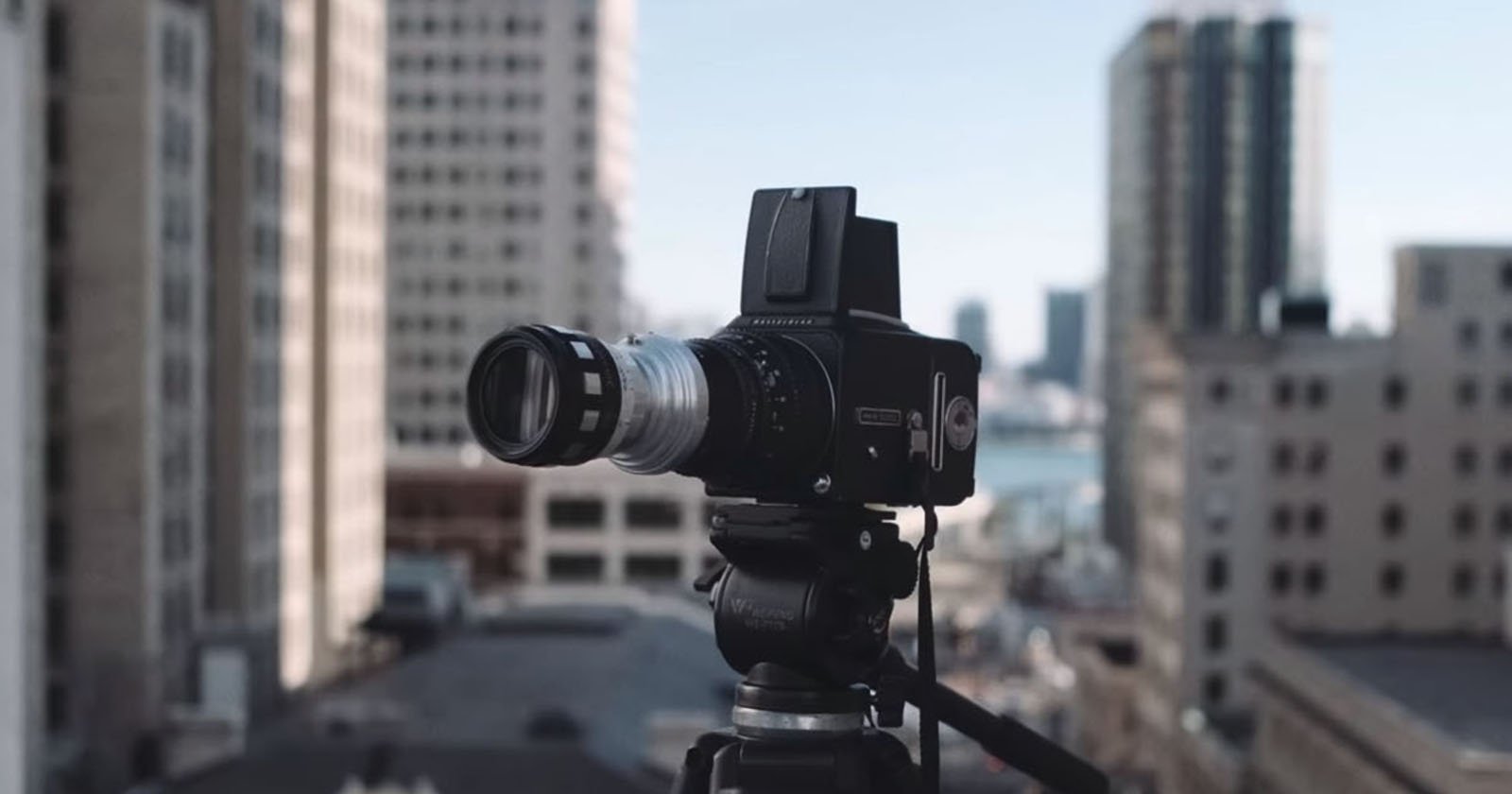
For the past year, I’ve been focusing mainly on panoramic photography. It started with the Hasselblad XPan, which led me to purchase the Fujifilm TX-1, and even made me go further into the 3D printed 120 format world with Sasquatch, CCB, and Exposing Engineering. But that’s all analog, and digital photographers deserve an option, too.
It is actually flabbergasting to me that, despite how beloved the Hasselblad XPan is, there has never been a dedicated digital panoramic camera. We have sensors of all sizes and in multiple shapes, yet no company has decided to create a tool that mimics the XPan experience since production of the system was discontinued in 2006.
The closest most photographers will come to a digital panoramic is what is created on the iPhone, and that’s just the worst. The distortion and perspective of that type of panoramic just doesn’t look great. Photographers deserve better than that.
Part of me understands that most companies wouldn’t have any interest in pursuing a panoramic digital camera because it would be seen as too niche. But Fujifilm has no excuse: it is the king of niche. The Instax Mini Evo Cinema, the X half, the X100 series, the entire GFX line (including the GFX100RF), the FinePix series (particularly the DSLRs), the list goes on. Fujifilm makes cameras that inspire joy, and that often means specializing in products to appeal to small groups of users.

“We’re trying to keep this photography world interesting, I would say,” Yuji Igarashi, General Manager of Professional Imaging Group, Imaging Solutions Division, Fujifilm Corporation, told PetaPixel at CP+ 2026. “So more than experimenting, we just want to deliver the possibility for users to have fun.”

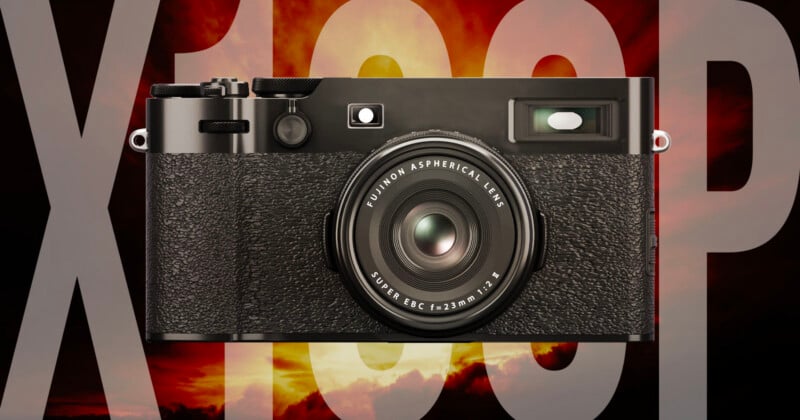
What I propose isn’t even an experiment, but a proven success. It would also most definitely qualify as fun. With that spirit in mind, I’m making an official plea: give us a panoramic digital camera in the spirit of the TX-1 and put it in the X100 line. I’ll even give you the name for free: the X100P.
The TX-1 and Fujifilm’s Legacy of Panoramic
For those unfamiliar, the TX-1 and the extremely limited successor, the TX-2, were Japan-only versions of the Hasselblad XPan. As part of its collaborative manufacturing agreement with Hasselblad to produce the XPan, Fujifilm requested that it be allowed to sell a version of the camera with its own branding on it only in Japan, while the rest of the world would know it under Hasselblad branding.

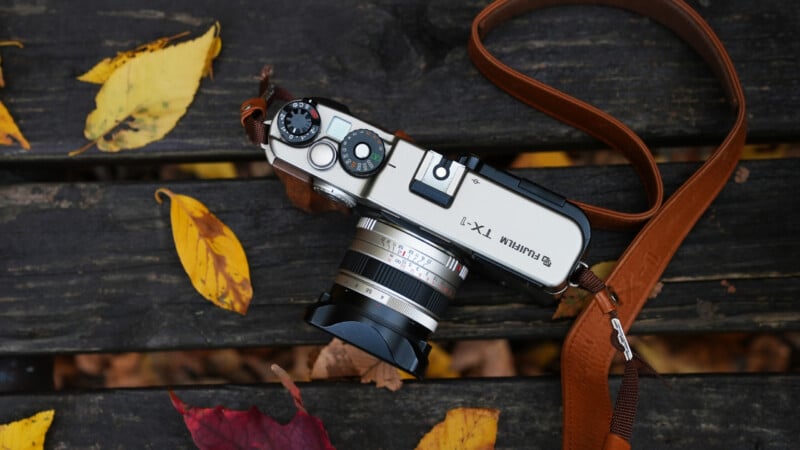
I argue that what Fujifilm made for itself is among the most beautiful cameras ever made. The TX-1 is an absolute stunner. Rather than the all-black that the XPan features, the TX-1 is a mix of titanium (or champagne, if you must) and wood that proved to be timeless. But this camera doesn’t just look good, it presents a wholly different photographic experience.
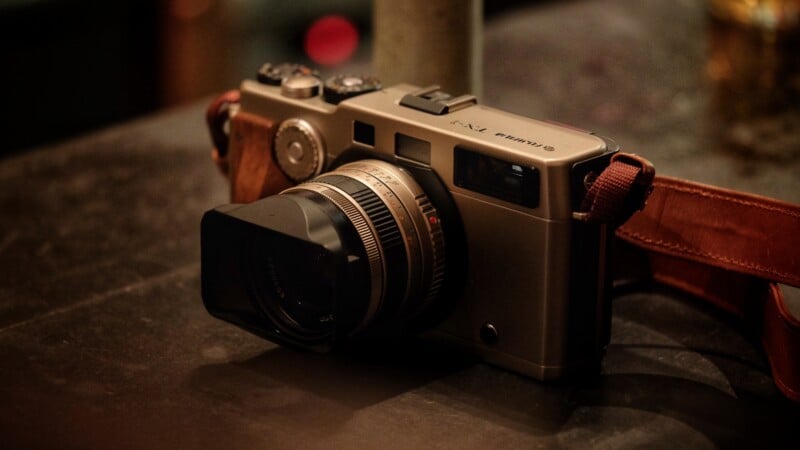
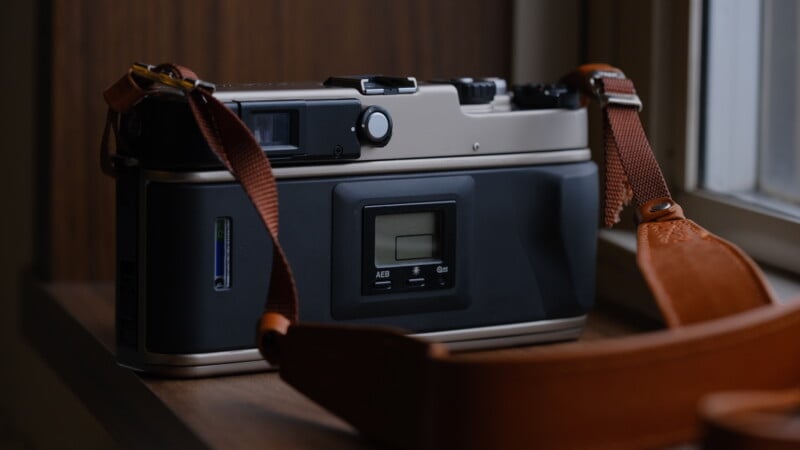
“They say the camera you use doesn’t matter, and the photographer is the most important thing for a photo. I agree to a large extent, but also, enjoying your camera is a huge part of feeling inspired enough to actually go out and shoot,” David Imel wrote on Fujilove back in 2020.
“I think the Fujifilm TX-1 is the most beautiful camera created, and by god does it inspire me to go out and shoot… While I’ve collected a few different film cameras over the last year, almost strictly because of fascination with their designs, I still use my Fujifilm TX-1 the most. It’s the most enjoyable camera I’ve ever used, and I can attribute my love of film photography to it directly. Because of this, I can say Fujifilm kicked off both my love of photography in general and more specifically, film photography in the last year. And for that I’m forever grateful.”
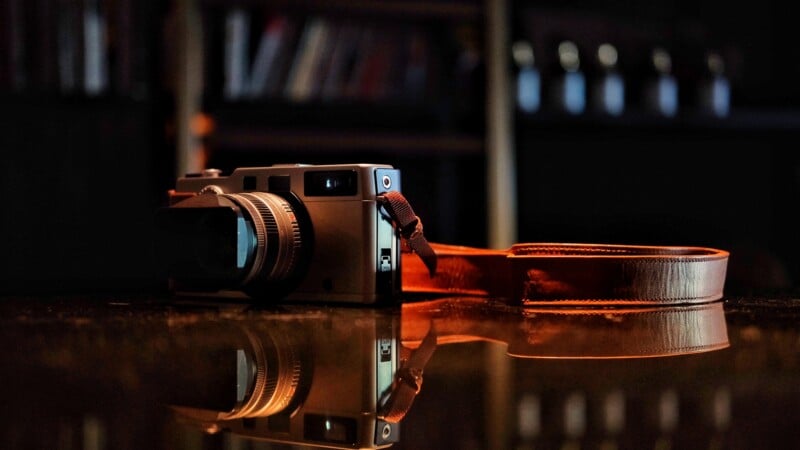
David spread that love for the TX-1 to me, and just last month, it spread further to PetaPixel‘s Sarah Teng. The three of us all agree: this camera is special. We also agree that it is a tragedy that more photographers don’t get a chance to experience it.
Fujifilm has every capability to right this injustice.
The Case for an X100P
I’ve made this argument before, and I’ve even posed it to Fujifilm’s executives and designers directly. Take the same body style of the XPan and TX-1 and put two Fujifilm 40-megapixel APS-C sensors side by side in it.
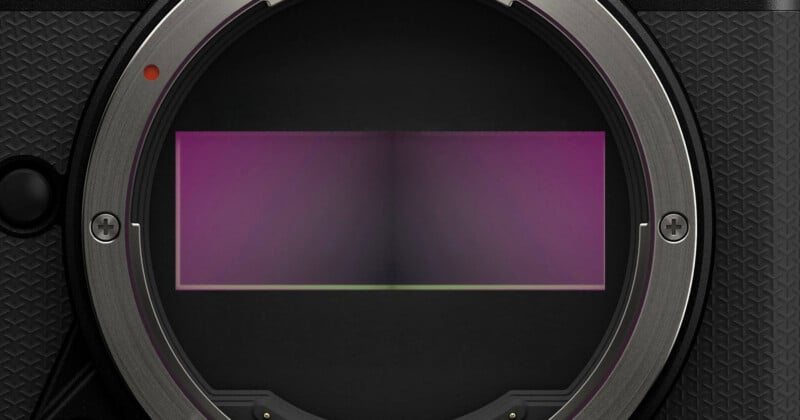
This would allow for the creation of 80-megapixel panoramic photos captured through a single oversized lens, just like Fujifilm had to do with the TX-1, where those lenses have, effectively (at least horizontally), medium format coverage. However, it did not result in a lens mount that is anywhere near the size of 120 format lenses, probably because of a smart application of flange distance. It wouldn’t be quite the same in this case since it’s not two 35mm frames side by side, but much smaller APS-C frames, but there would be the expectation of an oversized lens.
I believe that a modern, digital panoramic camera can be made in the spirit of the X100 series to simplify production. While yes, I would absolutely love an interchangeable lens system like the TX-1, I recognize that’s very expensive. This camera would require specialized optics, and those would only work with this camera, so it really doesn’t make sense to do it in 2026.
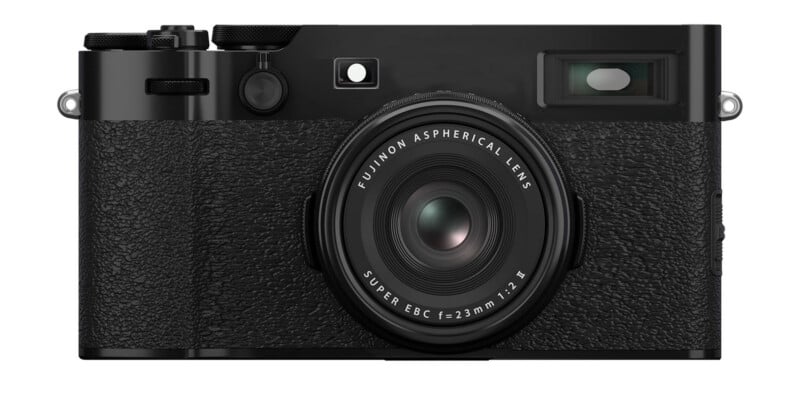
So, a fixed-lens system is the way to go.
“But Jaron, you can just crop any photo to be panoramic, why do you need a dedicated camera?”

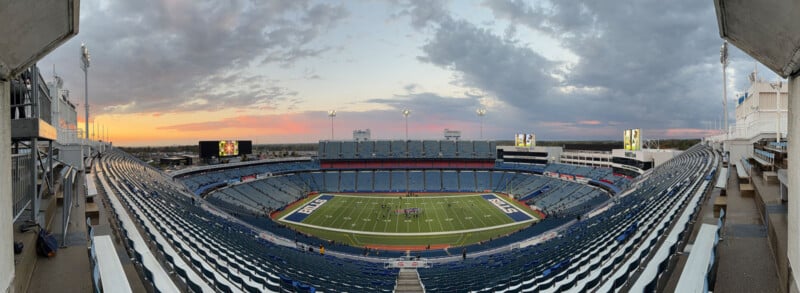
I take issue with this stance because it just feels wrong to me to throw away pixels like that and say “it’s panoramic.” Sure, you can absolutely shoot panoramic-style photos with the Fujifilm GFX100RF, but it’s not the same, and it certainly doesn’t feel the same. It doesn’t make you, as a photographer, shoot differently or think differently.
Beyond that, it’s inarguably different. We did the math:
Placing two 40-megapixel Fujifilm X-Trans CMOS 5 image sensors side by side would measure 47 x 15.6mm, which is a 3:1 aspect ratio with a total imaging area of 733mm2.
One 102-megapixel GFX image sensor measures 43.8 x 32mm, which is a 4:3 aspect ratio with a total imaging area of 1,401mm2, however we’re assuming a panoramic discussion so we’ll need to crop that. Cropped to roughly the same aspect ratio using the built-in 65:24 panoramic crop (2.7:1 aspect ratio), that is approximately 43.8 x 16mm with a total imaging area of 700mm2.

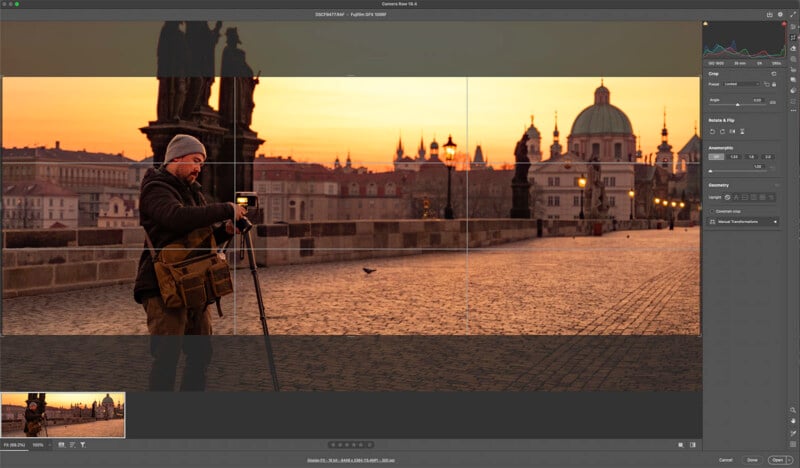
Two APS-C sensors side-by-side would give a photo measuring 15,456 x 5,152, or 79.6 megapixels. The cropped GFX sensor produces 11648 x 4304 photos, which is a mere 50.1 megapixels.
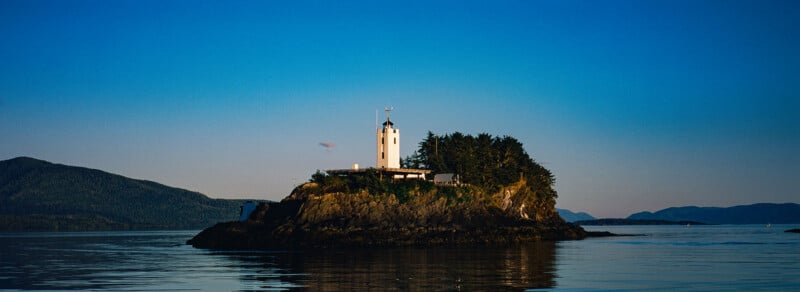

Clearly, this dedicated panoramic digital camera would be worlds better at the task it would be best suited for than the existing GFX100RF. It’s no contest.
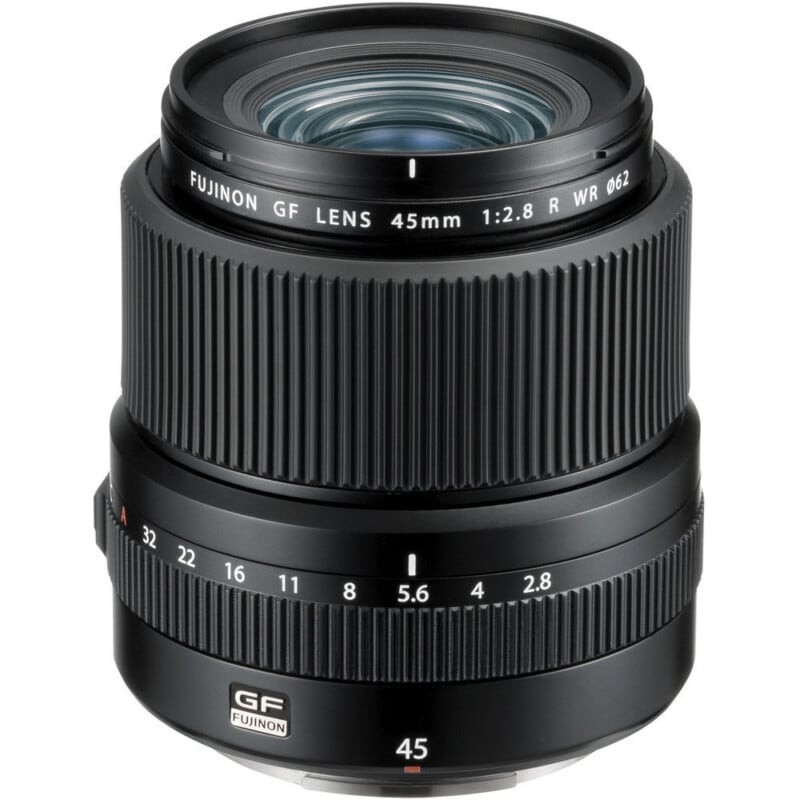
We also estimate that the image circle of this proposed panoramic sensor would be 49mm, which any GF lens could cover. I suggest using a version of the GF45mm f/2.8 on this X100P, which would be equivalent to 39.3mm f/2.45 on a full-frame sensor. Obviously, that conversion is a little more complicated when we look at this unique panoramic format, but we’re just going with it for now for the sake of simplicity.
I will even make the engineering of this lens easier: we don’t need it to be that fast. Just like the XPan and the TX-1 lenses all start at f/4, I argue that whatever lens Fujifilm creates for this system can do the same. The 40-megapixel sensor has excellent dynamic range and ISO performance, so being a bit slower to start wouldn’t bother me one bit.
This panoramic camera wouldn’t just be a panoramic camera, either. I would expect it to work just like the XPan and the TX-1, and allow photographers to toggle a switch that would allow them to take a standard 3:2 aspect ratio frame, should they desire. That would turn this proposed X100P back into a 40-megapixel camera with an equivalent 67.5mm lens. Once again, that gives this camera a unique feature, because what fixed-lens system gives photographers the ability to shoot with a lovely mid-telephoto portrait length like that?

This camera wouldn’t need IBIS, and I imagine removing it would free up a ton of space in the body, which would make designing this so much easier. It would benefit from Fujifilm’s excellent hybrid OVF/EVF, so we’d want to keep that (even though making it a true rangefinder would be awesome, it doesn’t make a lot of sense financially, and autofocus is highly valued, so we’ll cede this and allow modernity to step in). Seeing a widescreen, panoramic rear LCD would be super cool, too. A film simulation dial would be very much at home on this camera, as would the other manual dials that Fujifilm cameras are known for. If you really wanted to strike at the heart of analog lovers, Fujifilm could stick the ISO dial on the front of the camera to mimic the one on the TX-1. It does look very cool.

Look, I’m flexible on the dials and button layout for this proposed X100P. To me, get the sensor and the lens right, and the rest falls right into line. There isn’t a ton of need to re-engineer the horse here — Fujifilm’s TX-1 is already a fantastic starting point.
A Panoramic X100 Just Makes Sense
As mentioned, I did float this idea to a lead Fujifilm designer, and the response was interest, but he also expressed trepidation that building such a camera would end up being too expensive. Two sensors effectively double the price of one of the most expensive parts of the camera.
I don’t care.

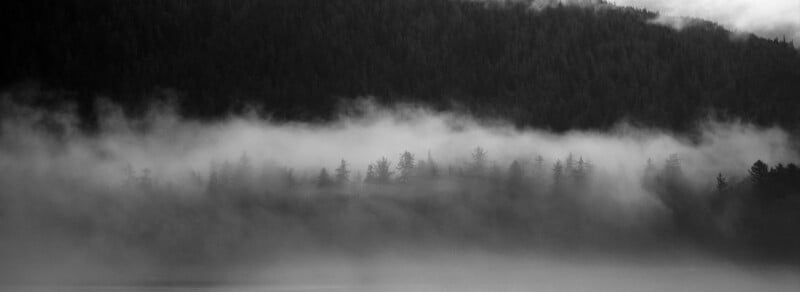
We already have specialized, highly expensive cameras on the market — just look at the Sony a1 II that costs over $6,000 now. I can gesture wildly at the entire business model of Leica as another example of expense not mattering. I understand that this isn’t going to be an affordable camera, but neither is a used TX-1. Doubling the cost of an X100 VI seems very reasonable to me for the kind of experience this camera would give photographers.

If fun, unique cameras are as important to Fujifilm as it says they are, then there is no reason not to try this. Photographing in panoramic is one of the most rewarding experiences as an artist I’ve ever had, and I desperately want more photographers to have the chance to try it.
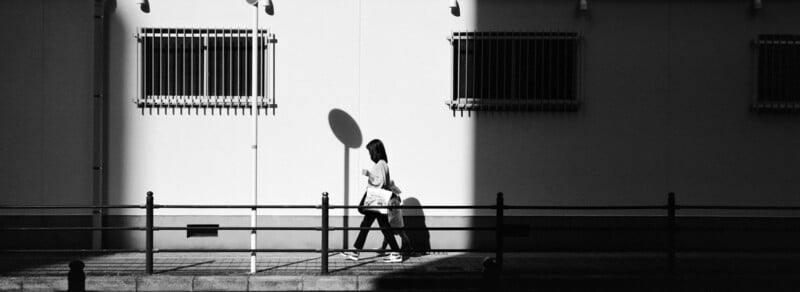
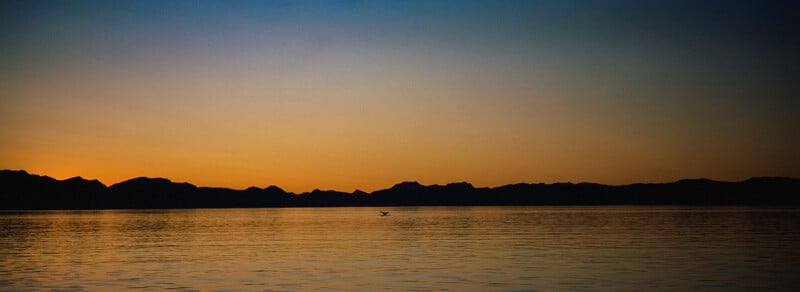
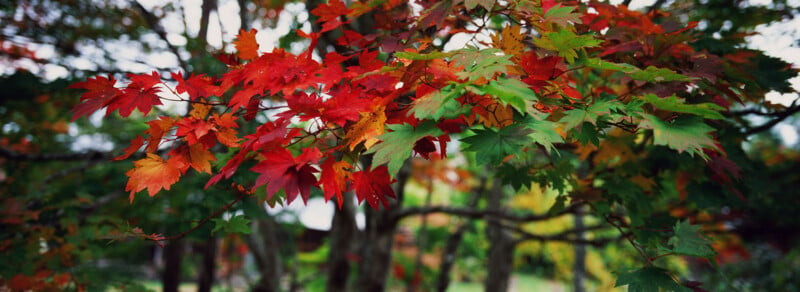
Image creditsPhotos of the Fujifilm TX-1 by David Imel. Mockups made from official Fujifilm product photos. All others, unless otherwise noted, by Jaron Schneider and captured on the Fujifilm TX-1 or Hasselblad XPan.
Affiliate Disclosure PetaPixel articles may include affiliate links; we may earn a commission if you buy through one.