
Why VSCO Believes Its New $500 Subscription Is Worth it for Pros
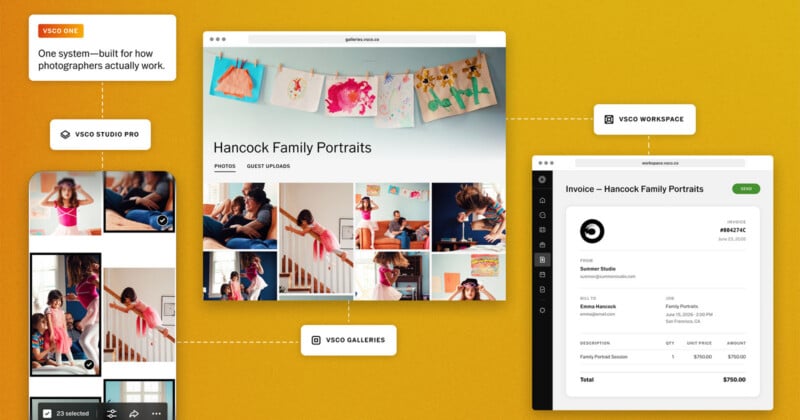
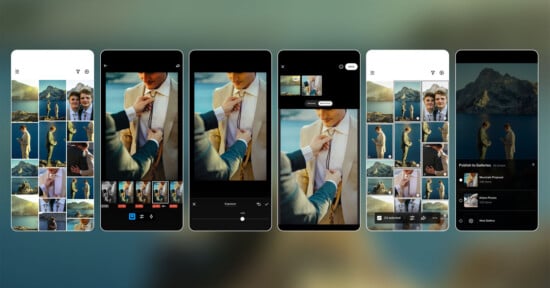
Alongside Studio Pro, its new photo editing platform designed for high-volume working photographers, VSCO announced VSCO One, and it’s getting a lot of attention, and not only for good reasons.
VSCO Studio Pro has attracted quite a bit of criticism because it launched only on iOS and doesn’t yet include RAW editing support. While a macOS version is in the works now and RAW file support is coming soon, it lacks the features that justify the “Pro” in the name at this point.
Some of the criticism has also stemmed from confusion about Studio Pro’s cost, an entirely predictable outcome given how many different things VSCO offers, including a Studio Pro app, a Pro subscription that is different but related, and now VSCO One, designed for pros.
VSCO One, announced simultaneously with Studio Pro, is $499.99 annually, leading some online to erroneously believe that Studio Pro costs $500 a year. Studio Pro does not have to cost money. The free version includes batch editing, capture capabilities, and some presets without any premium subscription. But full feature access requires a separate VSCO Pro membership, which is $5 per month when billed annually, for a total of $60 per year.
So What Is VSCO One?
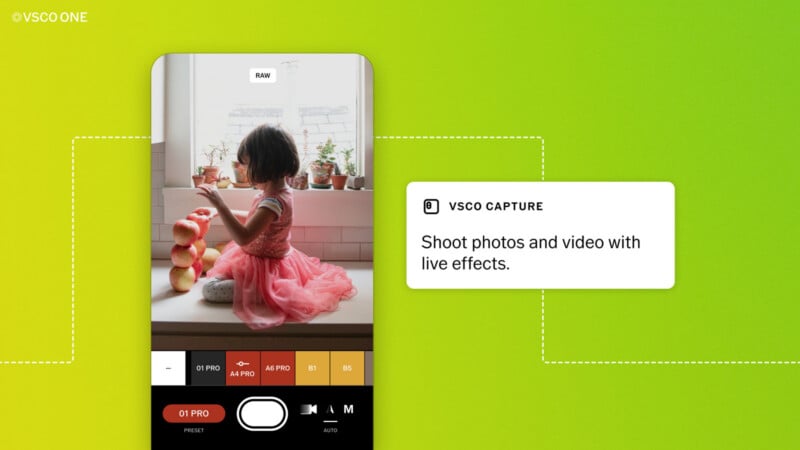
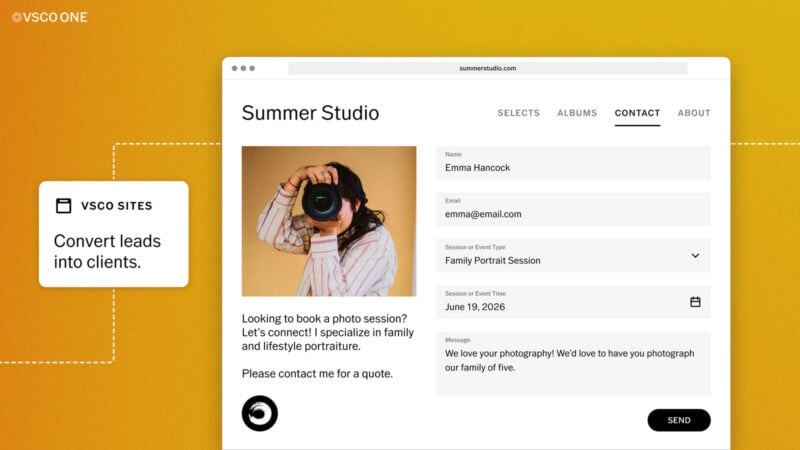
VSCO One includes Studio Pro, but One is not required to use the new editing app. VSCO One also includes the rest of VSCO’s business-centric offerings, including Galleries for client delivery and gallery sharing; Workspace for client management, scheduling, and invoicing; Sites for portfolio creation; Canvas for AI-powered moodboards; the Capture camera app; and access to The Freelance Photographer, a platform dedicated to business education, coaching, and professional development.
While a lot of these may not be useful for most photographers, including enthusiasts or professionals with relatively low volume and short client lists, that is not who VSCO has built the new VSCO One for.
“VSCO One introduces a new category: the Connected System for Photographers,” the company says. VSCO adds that its new subscription is for a full photography workflow: “create, deliver, [and] run your business.”
Whether that is worth $500 per year depends on the individual. However, VSCO’s pitch argues that many professional photographers now spend more than that annually on editing software, gallery delivery services, CRM, and their portfolio website, and these are typically separate tools that don’t necessarily work together.
“This fragmented approach creates unnecessary costs, repetitive work, duplicated functionality, and constant context switching to maintain disconnected workflows instead of focusing on their craft and clients,” VSCO claims.
So far, the reaction in the photography community has been mixed, at best. There’s no question that part of the negative reaction has been driven in part by people confusing VSCO Studio Pro with VSCO One, believing that the mobile editing app costs $499.99 annually. However, it is true that VSCO Studio Pro, despite the “Pro” in its name, does not currently support RAW editing or have a desktop version. Even though those are in development, they aren’t here yet, and VSCO One attributes part of its value proposition to VSCO’s new photo-editing app.
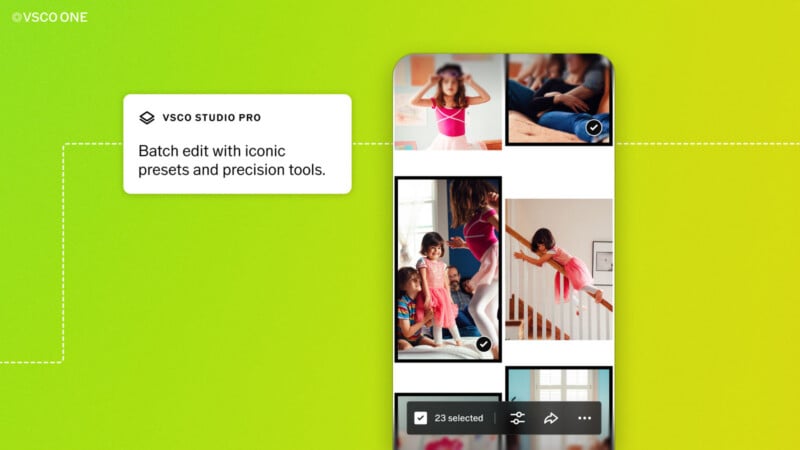
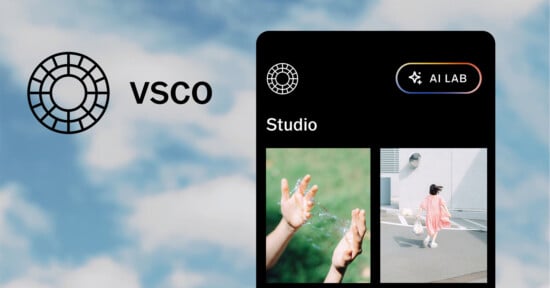
Then there are the other parts of the VSCO One platform that aim to justify its cost. VSCO’s Pro subscription ($5 per month when billed annually) already includes complete access to all the features inside the new Studio Pro app, VSCO Galleries, VSCO Capture, VSCO Canvas, and AI Lab. So what does VSCO One add to incentivize photographers to leap from $60 to $500 a year?
The real meat and potatoes of VSCO One’s price comes down to two costly parts: VSCO Workspace and access to The Freelance Photographer.
VSCO Workspace was a separate offering in VSCO’s portfolio, and it comes in Solo, Boutique, and Studio tiers, each differing by user count and brand access. The cheapest option, Solo, supports two users and one brand, plus limited booking templates, and is $22.49 per month when billed annually, so $270 a year. The Boutique and Studio tiers are $378 and $540 annually and add more user and brand access plus automation tools.
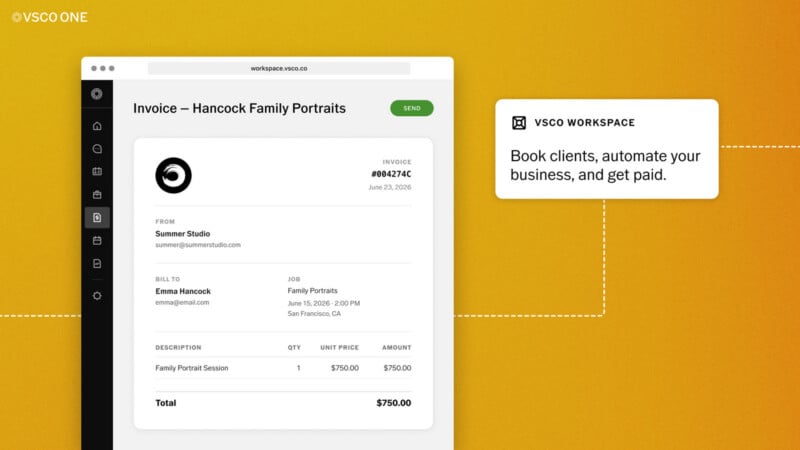
Now, “was” is doing a lot of heavy lifting here. With the arrival of VSCO One, the company is ending Workspace as a separate subscription. VSCO One subscribers will get the equivalent of the Boutique tier, which was previously $378 per year. Current subscribers can keep their VSCO Workspace subscription for now, although VSCO says this may change depending on customer needs and overall response to its product offerings.
That said, a new free tier of VSCO Workspace is being added. This includes core business management tools, like setting up a contact form and contracts, limited brand setup, and more. The free tier doesn’t include advanced workflow tools or automation capabilities, though.
Further, VSCO acquired The Freelance Photographer last year, and that is also part of VSCO One. VSCO One members get Video on Demand and live events (webinars) to help them acquire and sharpen skills for pitching, pricing, and booking jobs. This subscription would typically cost approximately $250 per month.
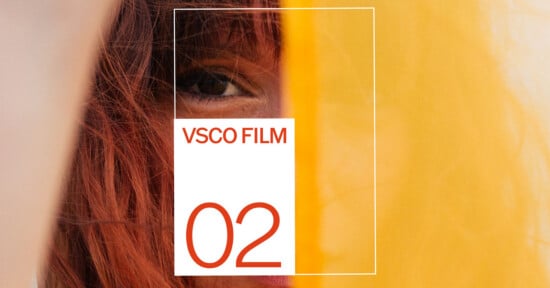
Another aspect of VSCO One that the company believes gives its new subscription significant value is the inclusion of VSCO Film. VSCO Film Presets are available for Adobe Lightroom, Adobe Camera Raw, and Capture One. These are not to be confused with the VSCO presets included with the company’s standard paid subscriptions. Those are for use within VSCO’s own editing platform and are not available as presets for external editors like Lightroom.
VSCO temporarily brought back some of its most popular Lightroom presets earlier this year, although the company was very clear at the time that this was a limited-time offering. It appears this was a test run for what’s happening with VSCO One now.
There are a few other bits and bobs worth mentioning as part of the VSCO One launch. There’s a 30-day money-back guarantee with a full refund, so users aren’t fully committed until they set up the system and see whether it meets their business needs. VSCO Galleries’ promised desktop app is also arriving alongside VSCO One. Further, VSCO Sites will now support custom domains and a contact form, so users can better integrate their site and brand with VSCO One’s Workspace tools.
PetaPixel‘s Take
There is a lot of info here and much to consider, so it is no surprise that last week’s coverage of VSCO Studio Pro and VSCO One led to some confusion. It’s very important to disentangle the two products VSCO announced simultaneously, although it is easy to see why that’s challenging. VSCO is trying to do a lot of things at once with a lot of different, similar names. VSCO has a “Pro” subscription tier, for example, which includes Studio Pro and all its paywalled features, but Pro is a subscription to multiple things, while Studio Pro is an editing app. It’s confusing.
VSCO Studio Pro is a new, separate, free-to-use and paid-to-upgrade editing platform designed with high-volume professional photographers in mind. It promises batch editing and export capabilities that aim to make it easier to process and share work quickly. As of now, it is only on mobile, although a macOS version is coming later this year. Further, it currently lacks RAW image support and the robust editing tools professional photographers expect.
Most importantly, it is not $500 a year. It is free, although access to all the features do require a paid VSCO Studio Pro subscription, which costs $60 per year or $5 per month.
VSCO One undoubtedly arrives with a sort of sticker shock. For most photographers, $500 a year on software is a non-starter and makes no sense. That’s entirely reasonable because VSCO One is not for “most photographers.” Users who don’t take full advantage of VSCO One’s Workspace tools, including client relationship management automation and access to the professional development resources inside The Freelance Photographer, are exceedingly unlikely to get anything resembling full value from a VSCO One subscription. It’s a lot of money, but those specific types of tools and resources are also quite expensive elsewhere.
It is a bit of a shame to see VSCO Film Presets for Adobe Lightroom return behind such a tall paywall again. In fairness, VSCO said in February that the Film 02 presets were only available for download for a limited time, so it didn’t rug pull anyone. However, to see Film 01, Film 05, and Film 07 presets return, but not for VSCO Pro subscribers, is disappointing. Those alone are hardly justification for having VSCO One, but a lot of users would sure love to get their hands on them.
VSCO One is a lot of money. Is it too much money? Well, that will depend on the person. There’s no question that for most people, the answer is in the affirmative. It is too much. It’s always tricky for a company with a fairly diverse user base, including many people who either spend no money on VSCO or maybe just a few bucks a month, to pitch something with a premium price tag. VSCO is very clearly targeting the professional photography market in a way it hasn’t before, and it will be very interesting to see whether it clicks with enough users.
VSCO One is trying to fill a void and deliver a truly end-to-end photography workflow for professionals. What’s not yet obvious is whether there’s a void there that truly requires filling, and whether VSCO’s current slate of software adequately fills it, especially on the image-editing side.
There’s a long way to go before catching up to the editing capabilities of something like Lightroom, a go-to app for many pros. It remains to be seen whether VSCO will truly become a one-stop shop for professional photographers, or if it will just remove some of the friction of working as a photographer, albeit at a hefty price.
VSCO One wants to be the “one system photographers have been asking for,” so let’s see if it is. It is, at the very least, refreshing to see a company so dedicated to providing real photographers with actual tools they need to do meaningful, income-generating work. It’s a far cry from what some other software companies in the space have done in recent years.
Image creditsVSCO
Affiliate Disclosure PetaPixel articles may include affiliate links; we may earn a commission if you buy through one.