Photographers Reveal the Most Painful and Hopeful Images They’ve Ever Taken
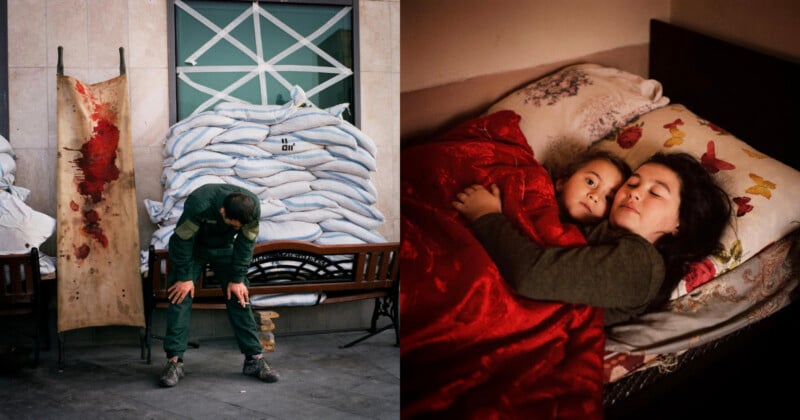
20 photographers looked back through their archives to choose the most painful image they had ever taken and the one that gave them the most hope for a new exhibition.
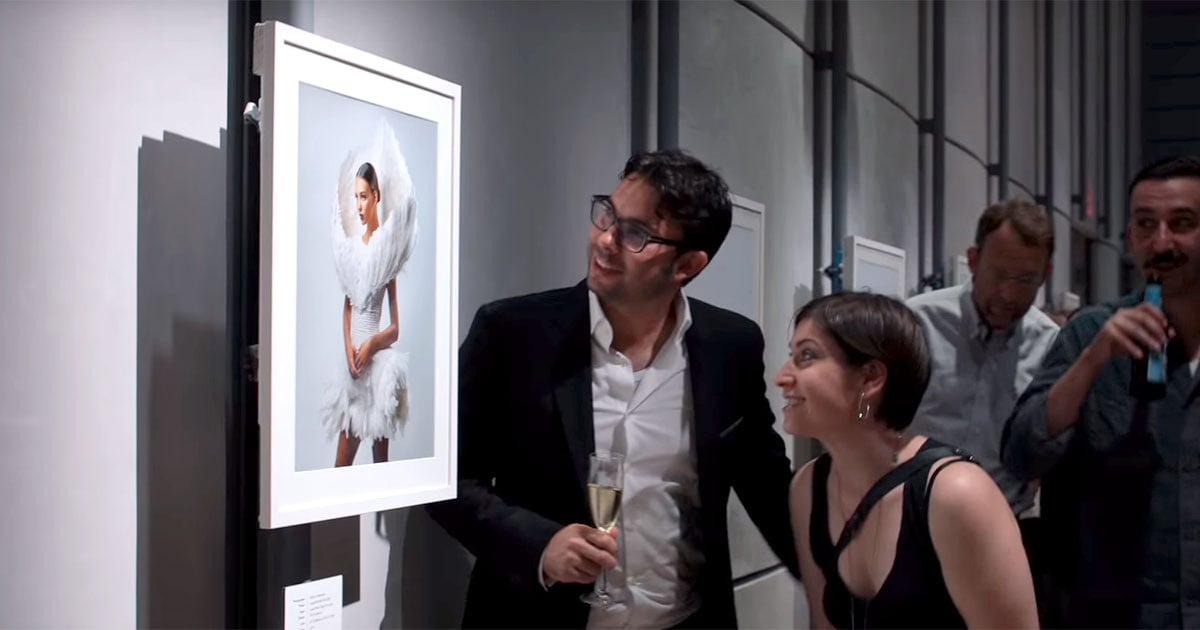
Created by Alfredo Jaar, who is considered one of the most socially active artists of his generation, Inferno & Paradiso is an immersive slide-projection exhibition running at the Photo Elysée in Lausanne, Switzerland, until November 1, 2026.
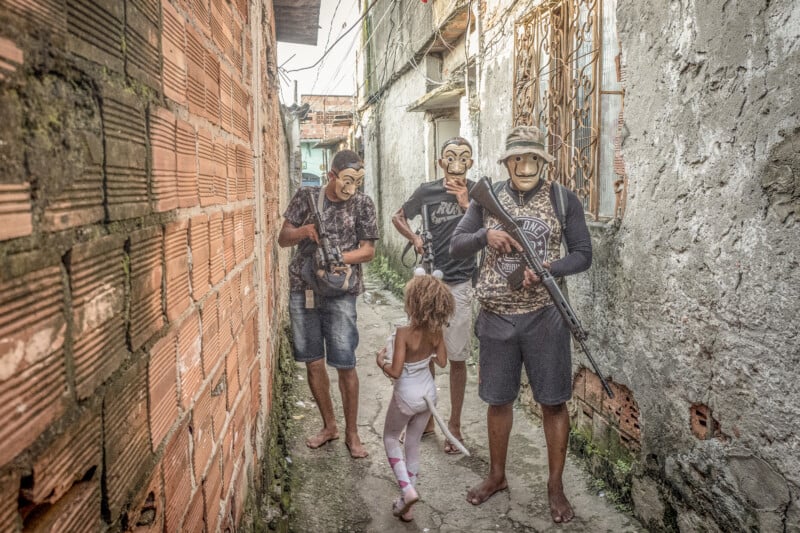
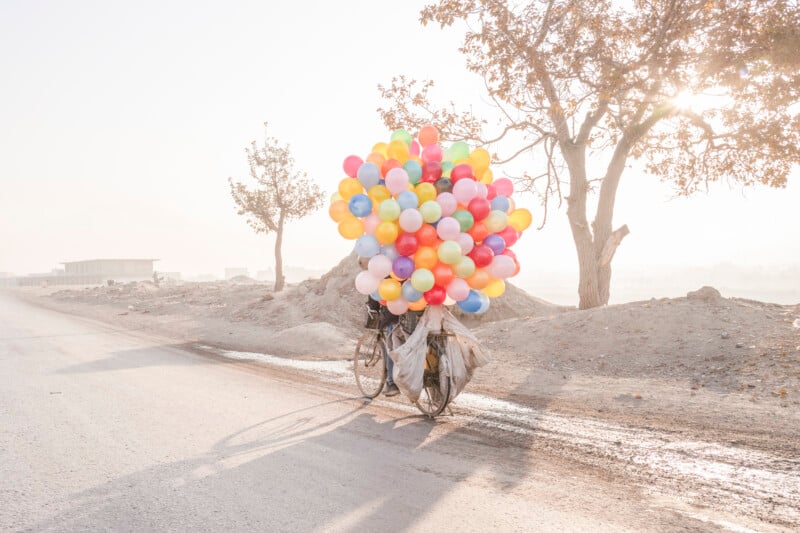
The exhibition presents 40 photographs taken by 20 reportage photojournalist selected by Jaar for their ability to capture the complexity of human experiences in the modern era. He asked each photographer to choose two images: the most distressing photograph they had ever taken and the one that represented the greatest sense of joy and hope.
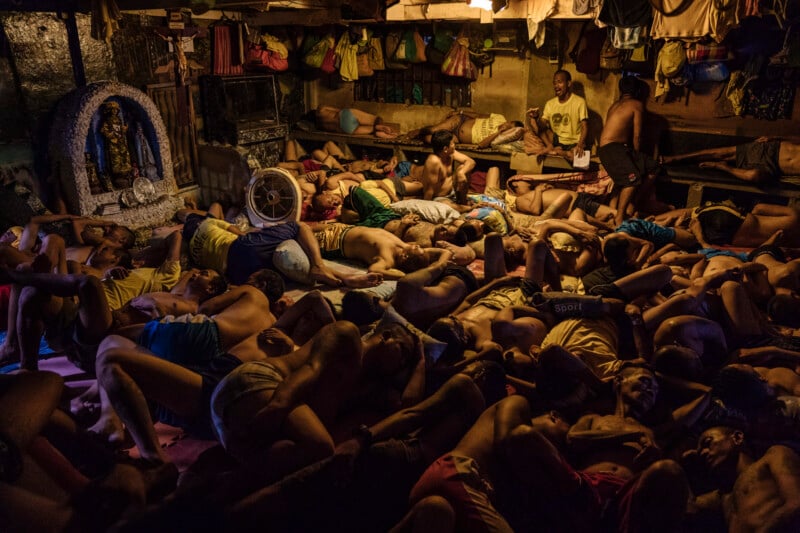
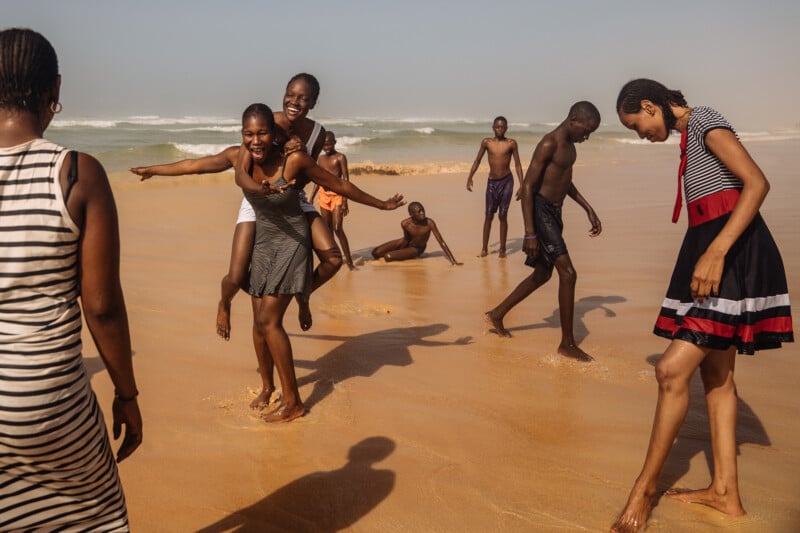
The selected images document crises and conflicts around the world, including Ukraine, Argentina, Gaza, New York, the Congo, and the Philippines. Alongside scenes of suffering, the exhibition also highlights moments of happiness and resilience, exploring the contrast between the darkest and most hopeful aspects of human life.


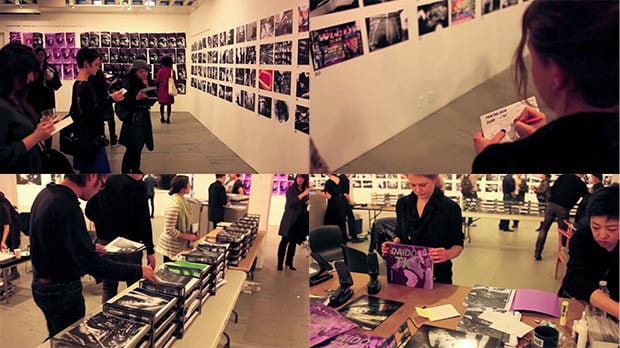
In Inferno & Paradiso, visitors enter a darkened room where the photographs are projected in 20-minute cycles. Images connected to hope and joy are shown together, followed by images focused on suffering and hardship. The format immerses visitors in each theme for 20 minutes at a time.

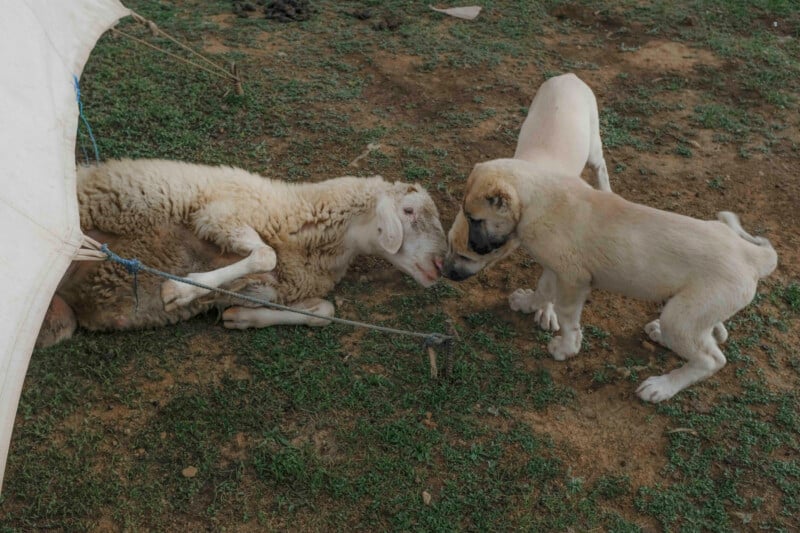
The exhibition challenges the idea that people have become numb to the constant stream of images showing suffering around the world. Instead, it suggests that the greater issue is often the way people are presented in those images, with viewers frequently seeing anonymous figures rather than individuals who can share their own experiences and stories.
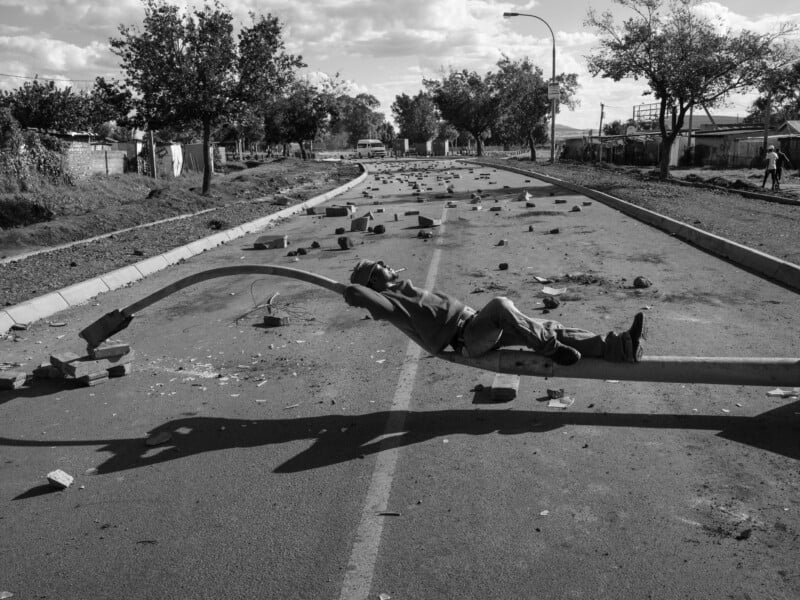
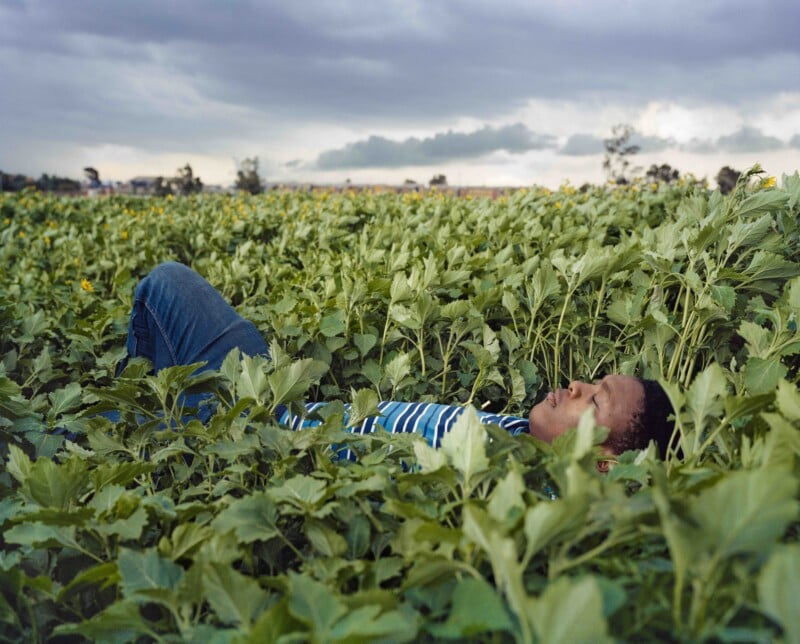
Jaar’s Inferno & Paradiso also asks visitors to consider how they respond to images of suffering and hope, and what meaning they take from them.
Inferno & Paradiso runs at the Photo Elysée in Lausanne, Switzerland, until November 1, 2026.
Affiliate Disclosure PetaPixel articles may include affiliate links; we may earn a commission if you buy through one.