Photographers Are Tired of Big Cameras
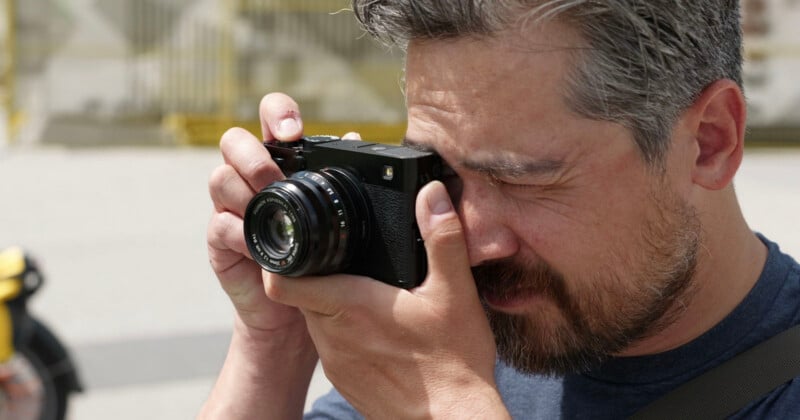
We were sitting on a train between neighborhoods in Osaka, Japan, when Chris Niccolls turned to me. “I’m thinking of buying a new camera,” he said. I was shocked. Chris, who has a different camera in hand every week because of his job as a reviewer, actually wanted to own one. “I want something small.”
After getting over how happy I was to hear that Chris was so enjoying photography again that he wanted to buy a camera of his own, I was pretty surprised to hear what it was he was actually interested in purchasing. He had been, at least to my knowledge, happy and perfectly served by his Sony a7R V for several years. Even just last year, I would hear him tell others that it was his favorite camera.
But since then, something had clearly shifted in his mind. While the a7R V is a fantastic camera, it’s not small (and neither are the lenses). I also found it interesting that when he told me what he was currently considering wasn’t the Sony a7R VI, but instead a Fujifilm X-E5. Chris had just finished reviewing Sony’s long-awaited successor to what was his favorite camera, so it spoke volumes that it wasn’t currently at the top of his list to own.
Chris has not stopped bringing up the X-E5 for several weeks now. He was texting me about it just yesterday. It is clearly in his head, with the main reason being that it combines two factors that are of the utmost importance to him: compact size and good image quality (in that order).
Notice that I did not say excellent image quality: just good. Just good is, well, good enough.
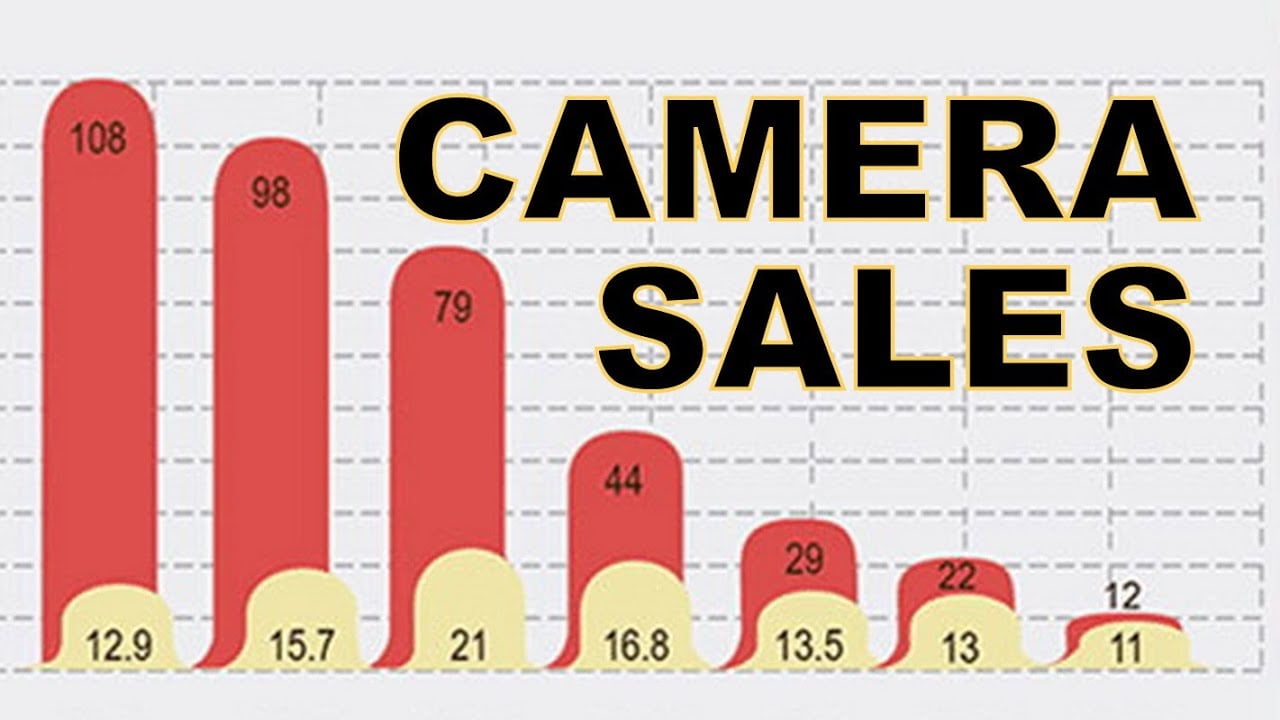
It’s fair to say Chris is not alone in his shifting mindset around photography: users are craving compact. Based on CIPA shipment data, small cameras are wildly popular, specifically those with built-in lenses.
“Built-in lens digital camera shipments have outpaced 2025’s numbers in the first four months of 2026. 2026’s monthly numbers have thus far been 136%, 117%, 119%, and 148% of 2025’s numbers,” Jeremy Gray writes in his report from this morning. “Built-in lens camera shipments in April, not historically a super strong month for overall digital camera shipments, would have bested 11 months in 2025.”
Manufacturers shipped an astounding 246,430 fixed-lens compact cameras in April alone — that is 25% of all cameras shipped in that period. There are not very many fixed-lens cameras currently available new on the market, so seeing them continue to grow and represent a significant portion of all camera shipments is really telling of what photographers in 2026 want: small.

Compare that to the trends on the interchangeable lens market, which is dominated by full-frame options, and while the numbers are good, they don’t show the same level of cosmic growth and demand seen in the compact space. Sales are steady, but not growing dramatically.
From new, younger photographers all the way through more experienced shooters, gaining the advantage of a smaller camera is beginning to outweigh image quality in importance, especially when the gap between the various crop sensor options and full frame is not nearly as wide as it once was. All modern cameras are capable of taking beautiful photos with tons of dynamic range and beautiful color rendition. If a photographer can get 90% of the way there for half the size and price, that ends up being more than a worthwhile tradeoff.
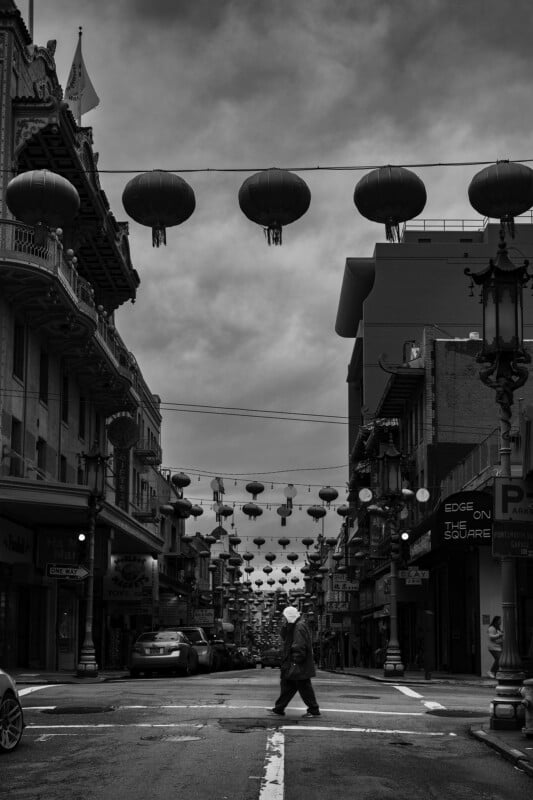
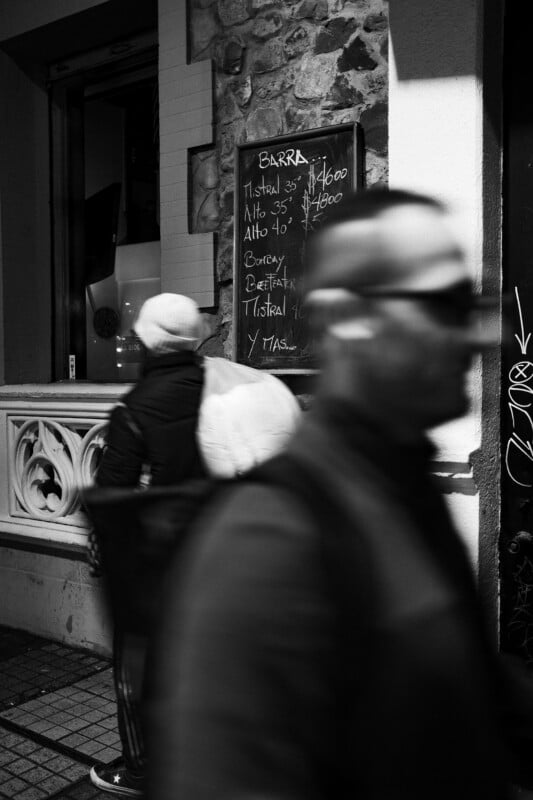
Everyone, across age groups and skill levels, is getting tired of big, heavy cameras. If a smaller camera gets them close enough, or even, as I said earlier, “good enough,” they’re going to pick it.
What use is the utmost image quality if it prevents you from enjoying your time with it? Much of what new photographers want is something they can carry with them all the time, and that most certainly does not describe the latest full-frame cameras from Sony, Canon, or Nikon.
This trend is unlikely to slow down, meaning the camera industry is going to start seeing even more compact camera options enter the market in the coming months and years. There will always be a place for something like a Fujifilm GFX or a Nikon Z9, but the mass market wants something much, much smaller.
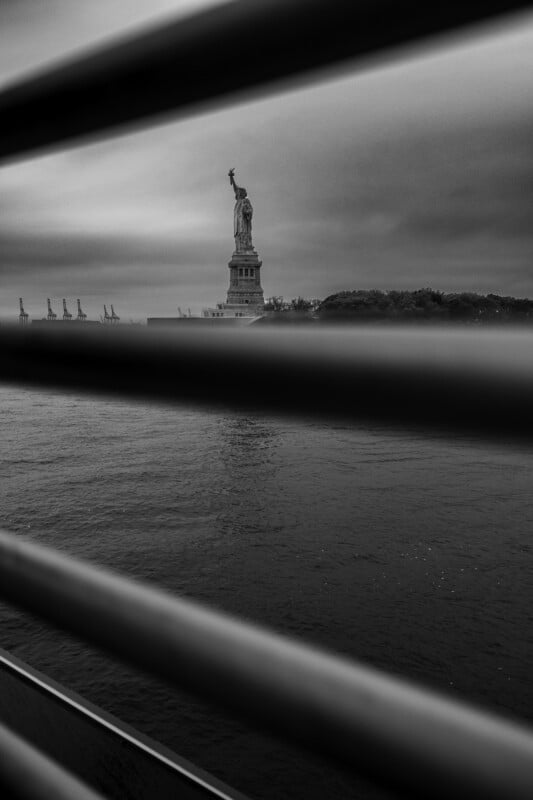
Last year, I bought a Fujifilm X100VI. That was the first time I had purchased a new digital camera in close to a decade, and I picked it for the same reasons Chris is interested in the X-E5: it’s small and has good image quality. Perhaps Chris has been seeing how happy I’ve been with my purchase, and perhaps it has come with how heavy it is to carry a full-frame camera on his shoulder, but it is a small example of the greater industry shift away from high image quality and tons of megapixels to experience and convenience.
I, for one, am totally on board with that.
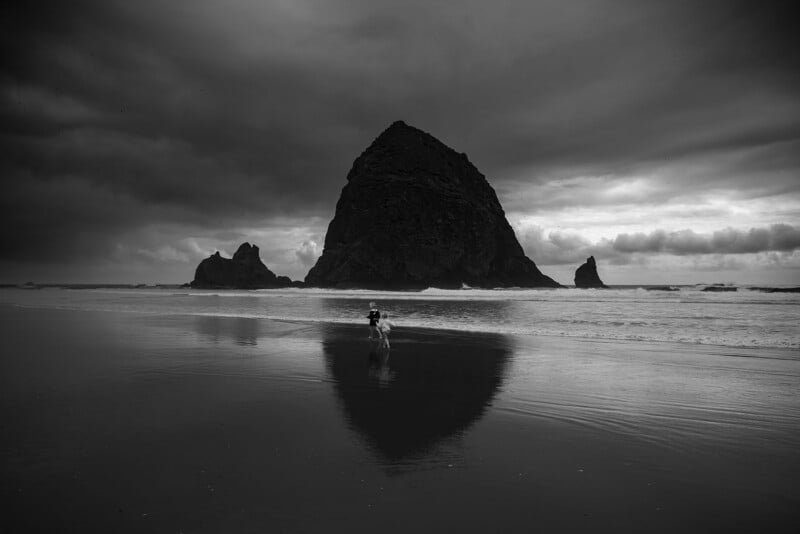
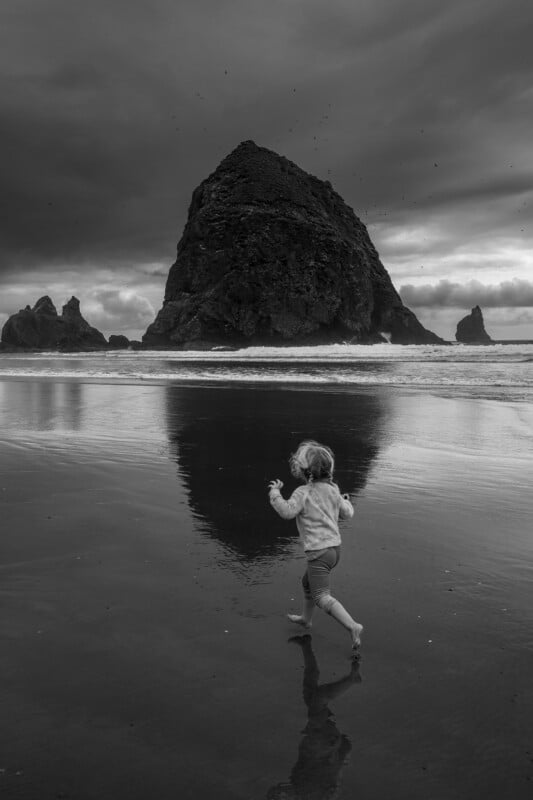
Image creditsHeader photo by Jordan Drake. All other photos by Jaron Schneider and captured on a Fujifilm X100VI.
Affiliate Disclosure PetaPixel articles may include affiliate links; we may earn a commission if you buy through one.