Stunning Science Image Maps the Magnetic Fields Between Galaxies
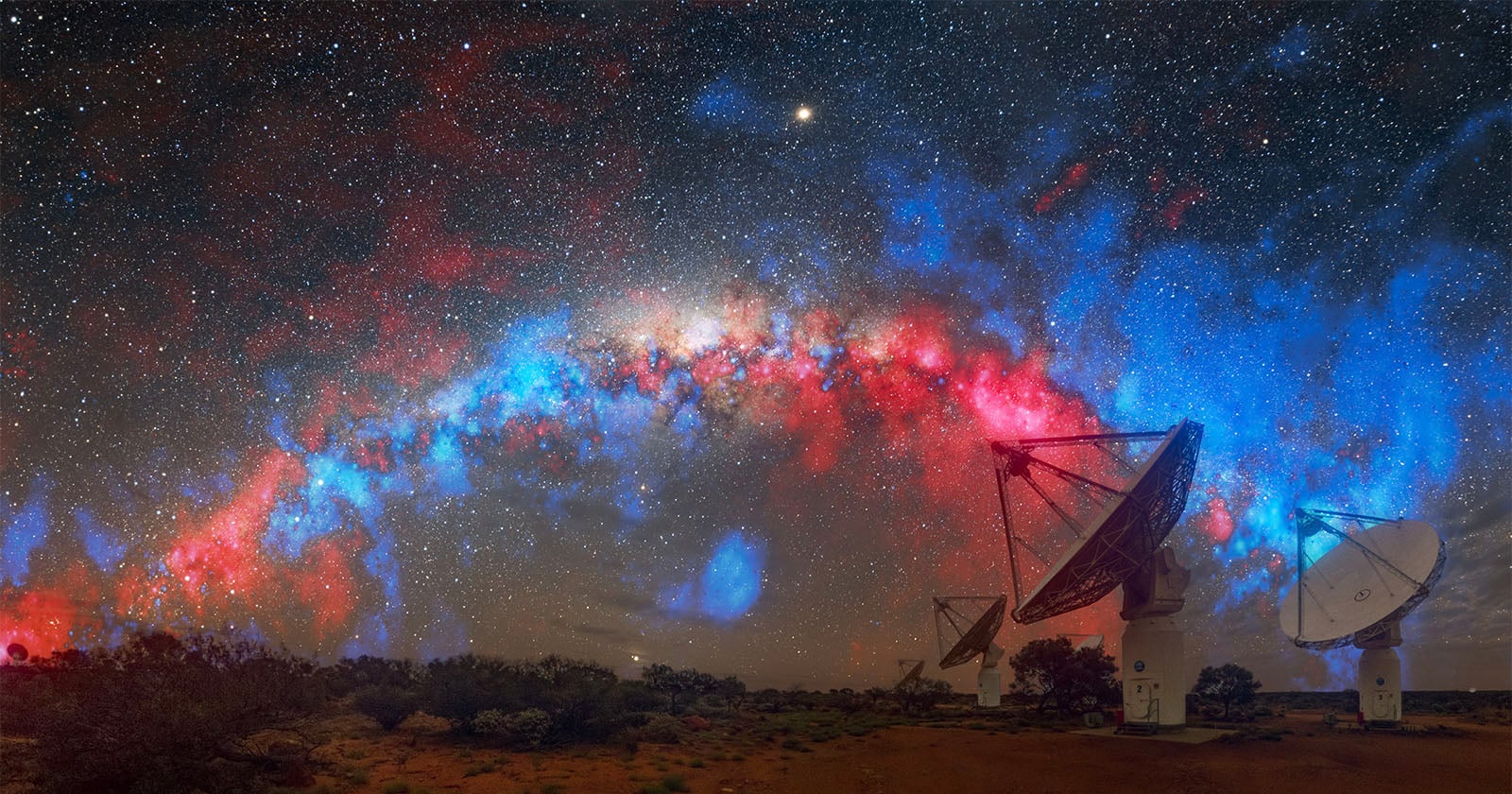
Researchers in Australia have created the largest map of cosmic magnetic fields ever assembled, revealing the invisible forces that shape galaxies across the Universe.
Magnetic fields influence how galaxies grow, how matter moves through space, and how the Universe has evolved over billions of years.
To better understand this phenomenon, researchers from CSIRO, Australia’s national science agency, and the SKA Observatory (SKAO), used massive radio telescopes to build the map, which is five times larger than all previous maps combined.
“For the first time, we can investigate fine details of the material between nearby stars, and study a huge number of distant galaxies,” says lead researcher Dr Alec Thomson in a statement.
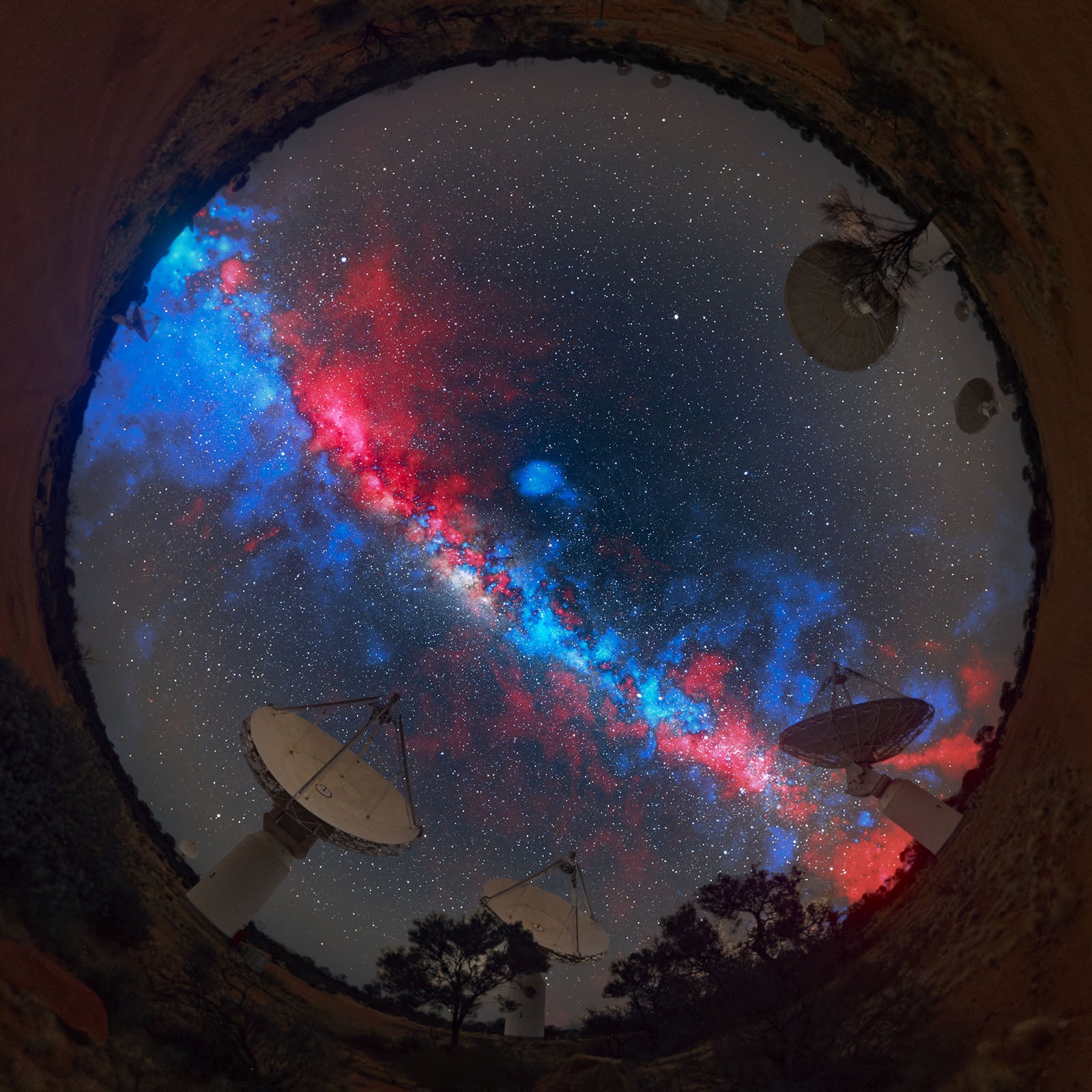
The researchers hope that the map and the data will enable other scientists to better understand how energy moves across the Universe. IFLScience explains that when light passes through magnetic fields, it is twisted in specific directions and becomes polarized.
“Polarized light has a number of interesting use cases, including in 3D cinema, where the glasses allow only certain types of polarized light through each lens, providing slightly different images for each eye and creating the illusion of volume,” writes Dr. Alfredo Carpineti for IFLScience.
The map is called SPICE-RACS. The red and blue show where the magnetic fields are located as well as their relative strength.
“We collected rotation measures from every galaxy detected in Rapid ASKAP Continuum Surveys (RACS) – nearly four million galaxies – and reprocessed this original data from ASKAP [radio telescope] to retrieve the full picture,” Dr Thomson says.
A magnetic image of this size and scale was previously out of reach, but new technologies such as ASKAP’s large field of view and unique dish rotation system, combined with the ability to process huge amounts of different data, have unlocked this new chapter of astronomical investigation.
“For the past 20 years we have been working with essentially the same data set, which didn’t even cover the southern sky. Now, we can finally answer some big questions with a much better picture of the Universe’s magnetic structures,” says Professor McClure-Griffiths, SKAO’s chief scientist.
“With the information we now have on magnetic fields throughout the Universe, we can study things like how magnetic fields affect the galactic-scale interaction of our own Milky Way and its neighbors, the Magellanic Clouds. We can even potentially find the answer to questions like when did magnetic fields first appear in the Universe? We had once thought it would be impossible to answer these questions. I’m excited to say that is no longer the case.”
Image creditsCSIRO/Alec Thomson et al./Alex Cherney and Tom Fowler/Sam Moorfield
Affiliate Disclosure PetaPixel articles may include affiliate links; we may earn a commission if you buy through one.