Massive 3,200 Megapixel Camera Will Take 700 Photos Every Night for 10 Years
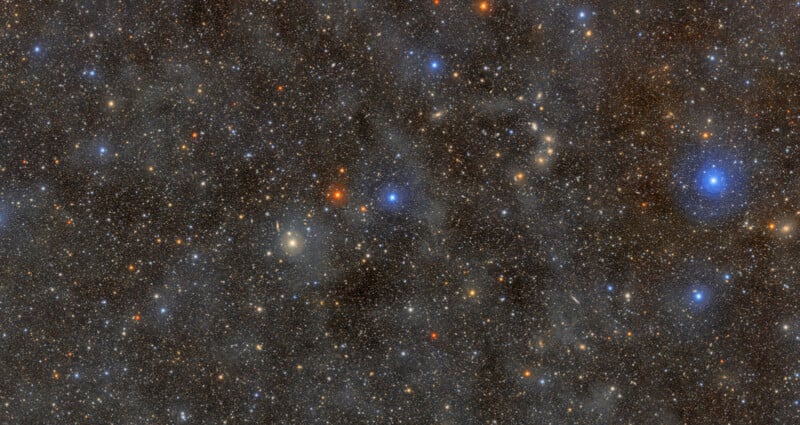
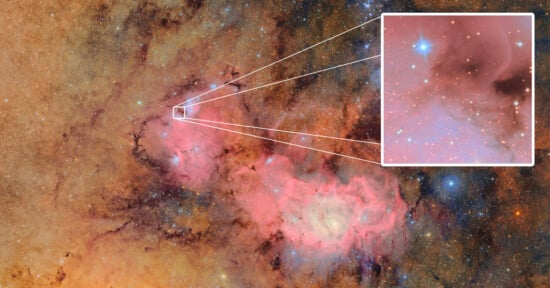
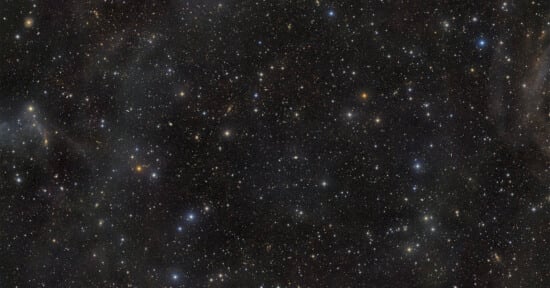
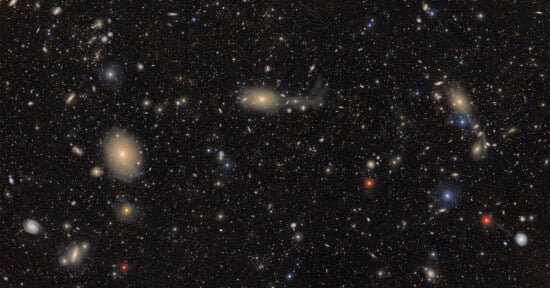
The monumental Legacy Survey of Space and Time at the NSF-DOE Vera C. Rubin Observatory has officially begun, launching a 10-year mission that marks a new era in astronomy.
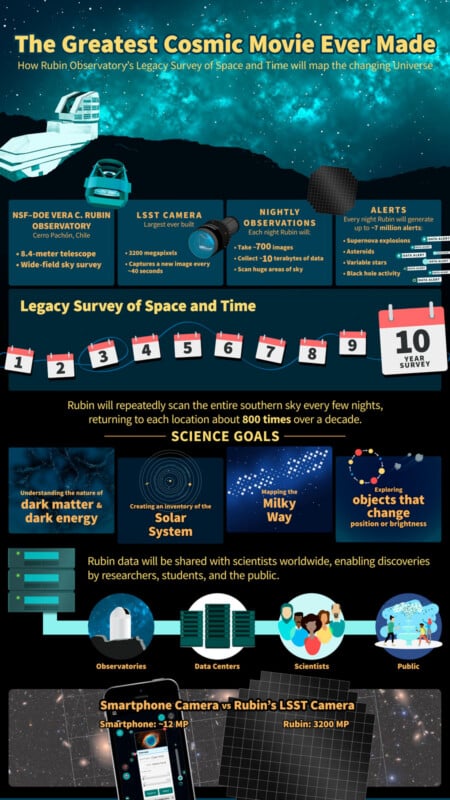
The LSST camera at the Vera C. Rubin Observatory in Chile is the world’s largest camera, capable of capturing 3,200-megapixel photos every 40 seconds.
Leveraging its massive image sensor, comprised of 189 individual CCD image sensors, the Legacy Survey of Space and Time will create the most comprehensive record of the Universe in history, NOIRLab explains.
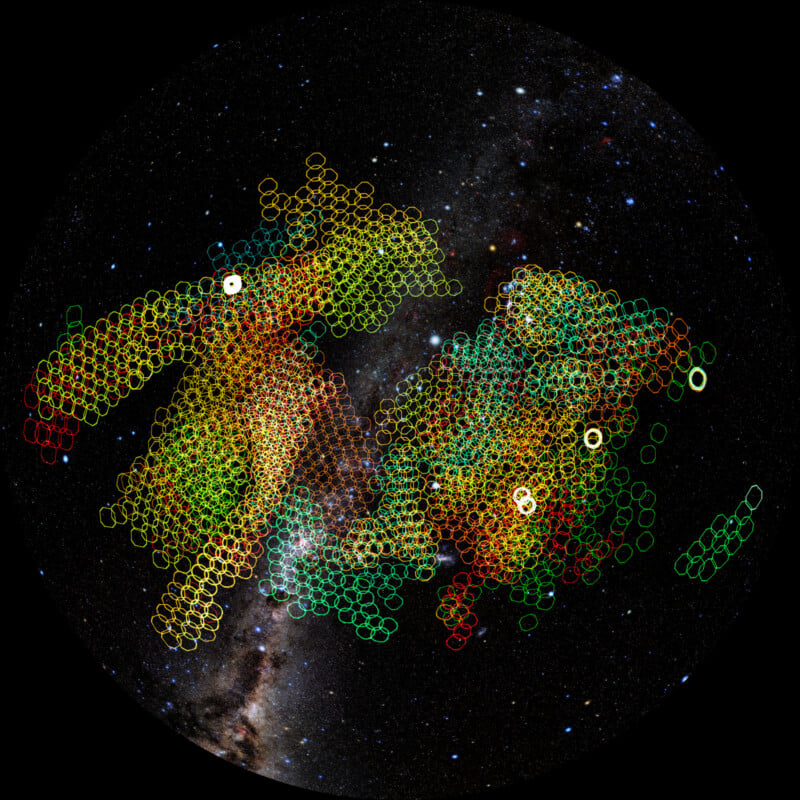
Over the next decade, Rubin will observe the entire southern sky every few nights, creating an ultra-wide, extremely high-resolution time-lapse record of the Universe, one massive image at a time. As NOIRLab explains, this mission is the culmination of many years of tireless work by people all around the world.
While the incredible Rubin First Look event last June was exciting, delivering beautiful photos, the Legacy Survey of Space and Time is the most significant part of Rubin’s mission.
This is a huge deal, as the quotes below from key team members illustrate.
“Today, we begin filming the greatest cosmic movie ever made,” says Brian Stone, who is performing the duties of the NSF Director. “This moment reflects decades of vision, innovation, and the power of federal investment in science through the U.S. National Science Foundation and the Department of Energy. Every night, NSF–DOE Rubin Observatory will expand the frontiers of knowledge and strengthen America’s global leadership in science and innovation.”
“With the launch of the ten-year Legacy Survey of Space and Time, NSF–DOE Rubin Observatory is opening a new window on the Universe. It is embarking on a mission that will redefine modern cosmology and astrophysics,” adds Darío Gil, Under Secretary for Science at the U.S. Department of Energy.
“With its world-class design and tools, Rubin Observatory will capture the dynamic nature of our cosmos and reveal unimagined insights into our Universe’s biggest mysteries, from our own Solar System to the very structure of the Universe. By seeking to understand the enigmatic phenomena of dark energy and dark matter, we are not just observing the stars; we are striving to grasp the fundamental laws that govern our existence,” Gil continues.
“It is amazing and humbling to be here at this time and place as we start the Legacy Survey of Space and Time, after more than two decades of incredible work by our dedicated team,” explains Bob Blum, Director of Rubin Observatory at NSF NOIRLab. “Rubin Observatory is for everyone; the LSST will change how we do astronomy and astrophysics, allowing researchers anywhere to participate in cutting-edge science.”
“It’s taken 20 years of hard science, engineering, and more to get to the point where we can call ‘action’ as we start rolling on this blockbuster movie of the Universe,” says Phil Marshall, the Deputy Director of Rubin Operations for SLAC.
“The decision to officially begin the LSST was made after a period of system optimization and a careful operational review of technical readiness, data system performance, and scientific validation,” says Željko Ivezić, Head of LSST.
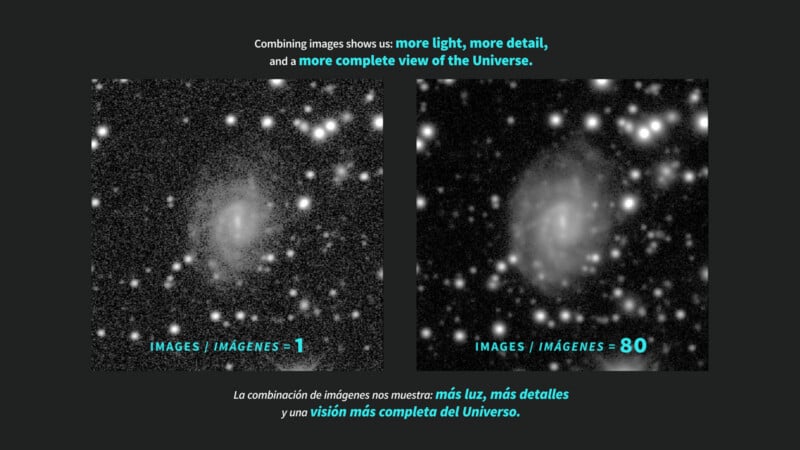
Rubin is primed and ready to bring the Universe to life in all-new ways, uncover pulsating stars, explosive supernovae, and ancient galaxies, and help scientists unravel the mysteries of dark matter and dark energy.
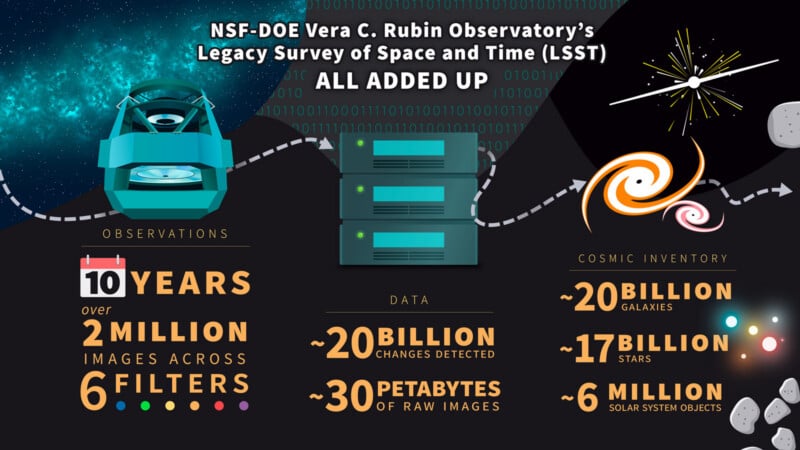
Rubin will take about 1,000 photos every night and return to each area of the sky about 800 times during the survey, providing an unprecedented look at diverse cosmic processes. Every night, Rubin collects about 10 terabytes of photos.
The telescope will look deep into the distant Universe, but it’s also the most powerful telescope ever built for studying the Solar System. Rubin will help astronomers create the most detailed census of the Solar System to date, including its millions of asteroids and comets. In about a month and a half, during optimization surveys, Rubin discovered more than 11,000 never-before-seen asteroids.
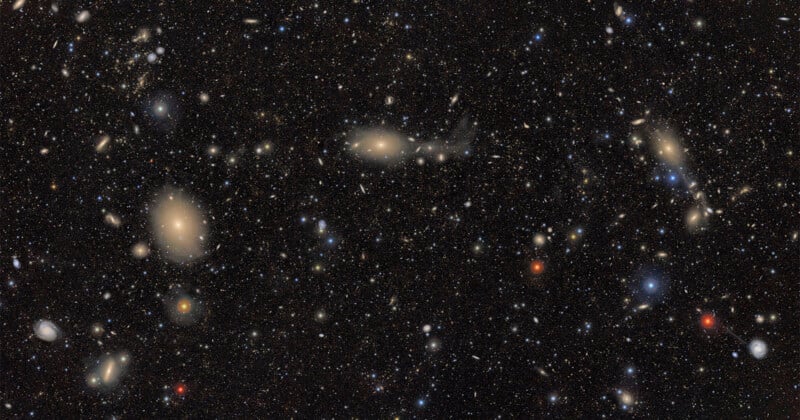
When the Legacy Survey of Space and Time is complete, Rubin’s dataset will include billions of cosmic objects and trillions of individual measurements. It will be the most comprehensive and accessible dataset of its kind in human history.
And the work begins right now.
Image creditsNSF–DOE Vera C. Rubin Observatory/NOIRLab/SLAC/AURA
Affiliate Disclosure PetaPixel articles may include affiliate links; we may earn a commission if you buy through one.