Canon RF 20-50mm f/4 L IS USM PZ Hands-On: Surprisingly Good for Photos
One of my favorite zoom lenses of all time is the Sony 20-70mm f/4. Just the fact that a versatile range can be coupled with an ultra-wide-angle field-of-view brings a lot of convenience to the camera bag. I don’t mind the moderate f/4 aperture either, and the size and weight are kept to a minimum because of it. So when Canon released a 20-50mm f/4 L PZ lens alongside the R6 V, I was excited to try it out. This lens is doubly fascinating due to its hybrid photo and video design, and should offer something for everyone.
However, the lens is not quite ready for full testing, and the version we received was a pre-production lens, so what I can report about it is limited. Still, I was eager to get a feel for how this lens will operate, and there are some definitive results we can glean from using this new optic in the field.
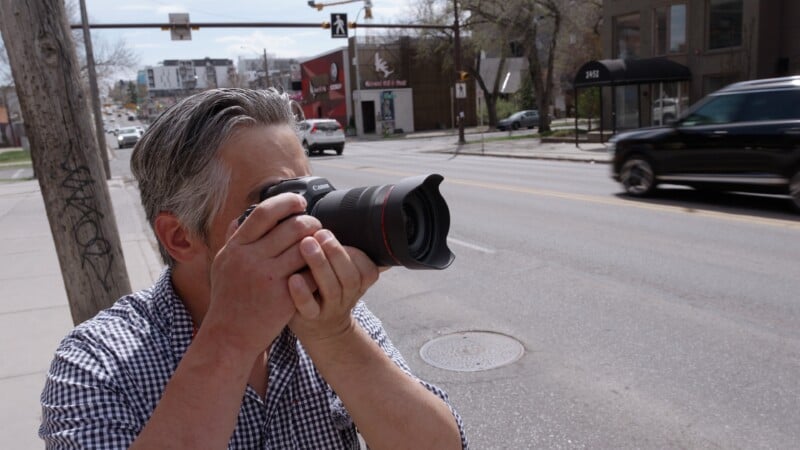
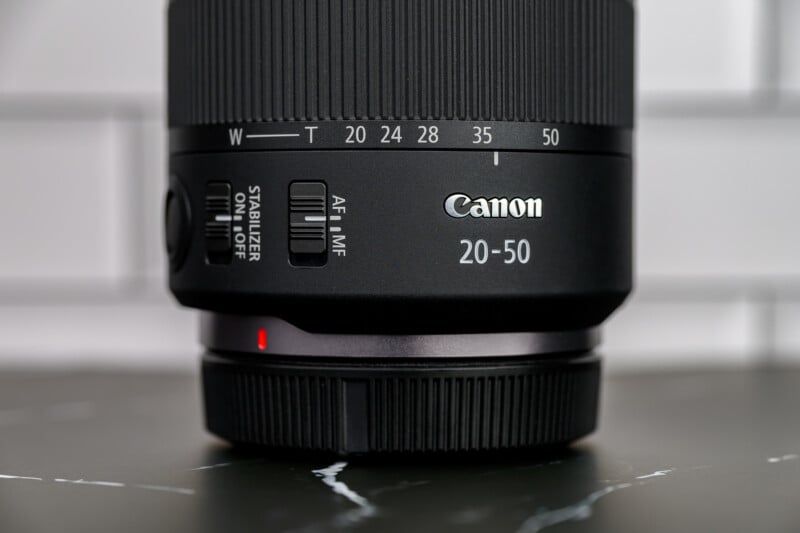
Canon RF 20-50mm f/4 L PZ: Smaller Than Expected
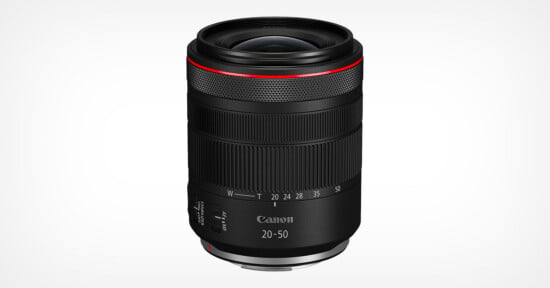
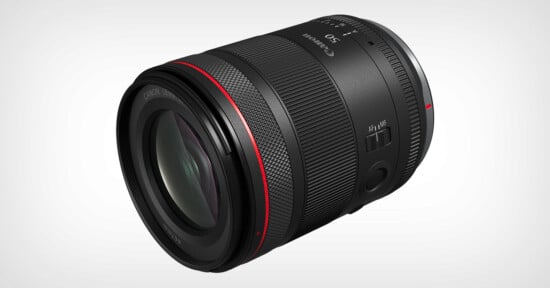
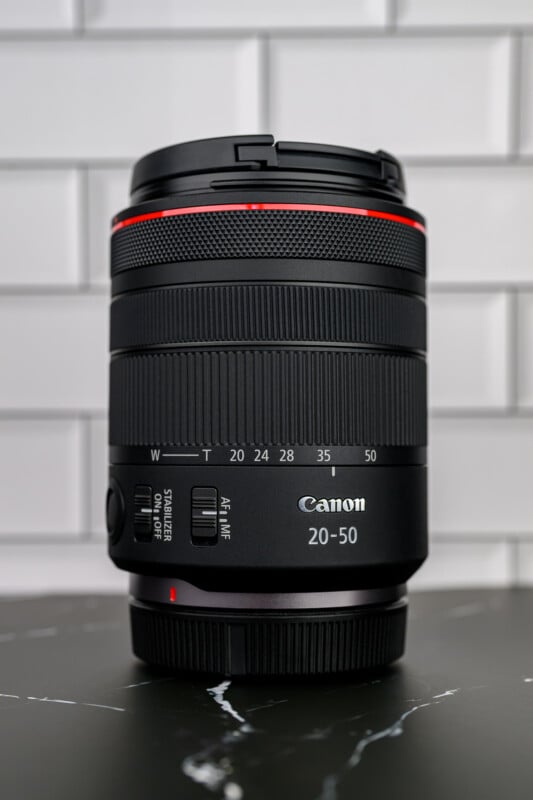
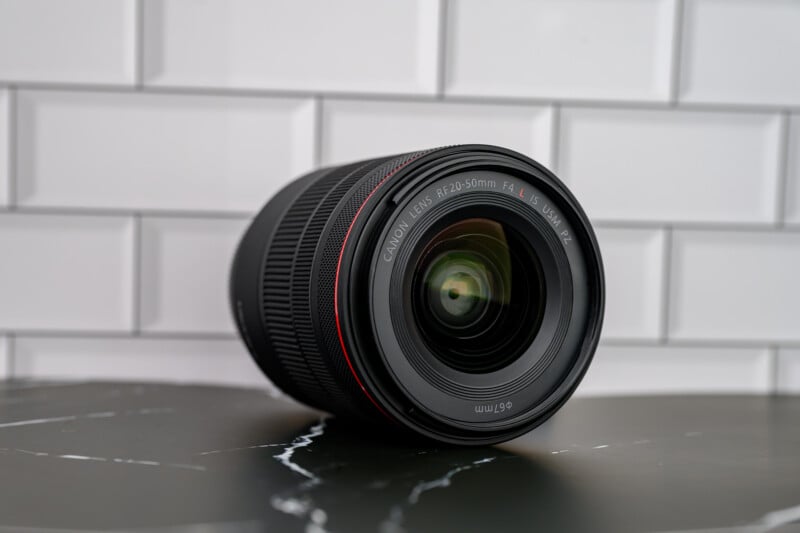
The 20-50mm is quite compact with a 67mm filter mount on the front end and a weight of only 14.8 ounces (420 grams). Make no mistake, though, because this lens is a professional L-series lens and is fully sealed against the elements. It also has plenty of controls that can be customized.
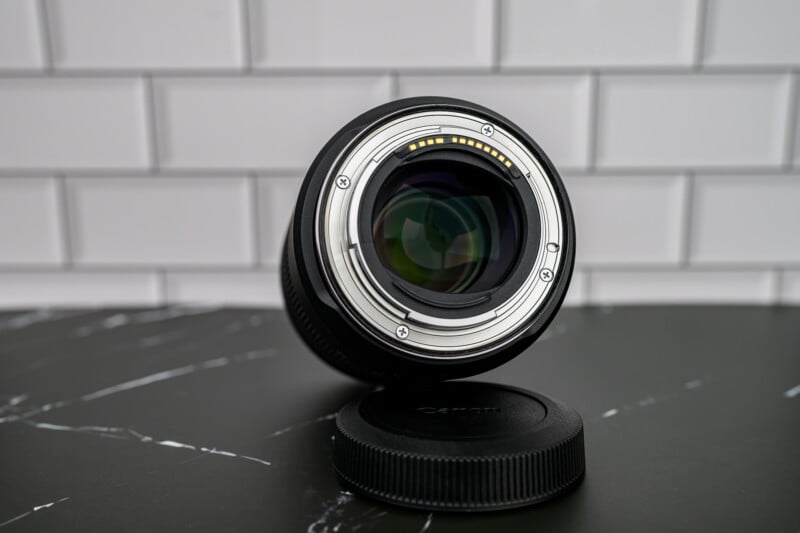
There is a customizable control ring right at the front of the lens barrel, and a smooth manual focus ring below it. You can set focus with an AF/MF switch, and the lens has an optical image stabilizer built into it. There are three Nano USM motors in the lens to drive focus and the power zoom function, and I found the focusing to be swift and silent. You’ll also find a switch to control the power zoom functionality in an interesting way, which is so neat that it deserves its own section.
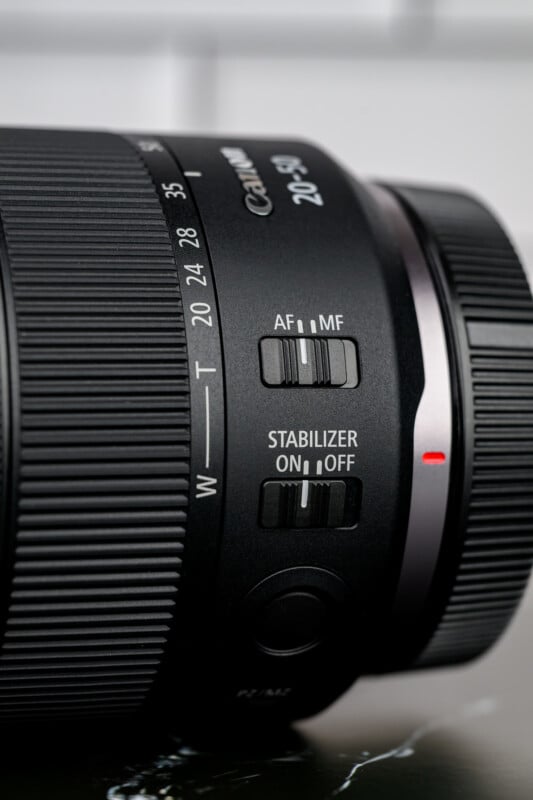
How do you make a power zoom lens work for both video and photo shooters? Canon has figured it out with a zoom ring that operates classically but can also be clicked into a range that offers a wide/tele zoom rocker. When the ring is in manual operation, it looks just like any other zoom ring, but the zoom is being driven by a motor instead of a mechanical coupler, and there is a slight delay in the functionality. I got used to this pretty quickly and stopped noticing it altogether after a short time.
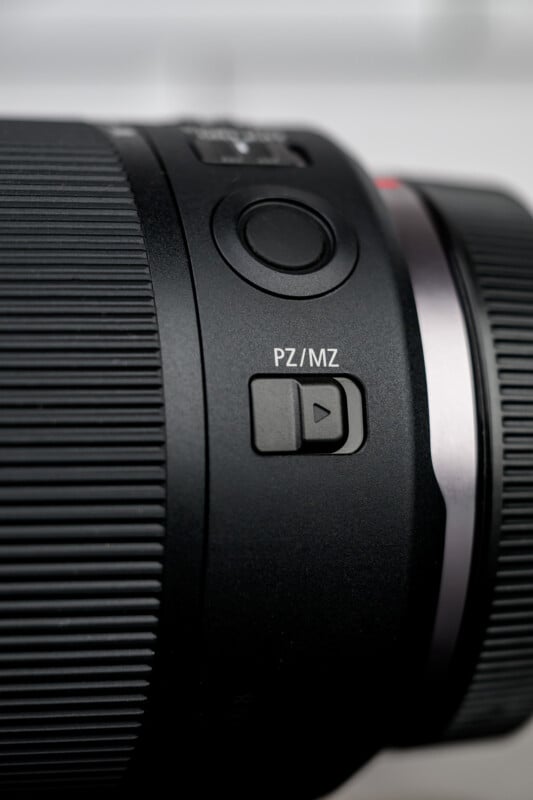
When the lens is set to the power zoom operation, the zoom ring becomes a short-throw rocker, which can slowly zoom the lens at pre-adjustable speeds. If the camera body also happens to have a zoom rocker, you can customize each one to a different speed for maximum versatility. I like the way this dual system works, and I especially like that photographers can still use a classic zoom ring with only a slightly different feel to deal with. It’s a smart design overall.
Canon RF 20-50mm f/4 L PZ: First Impressions
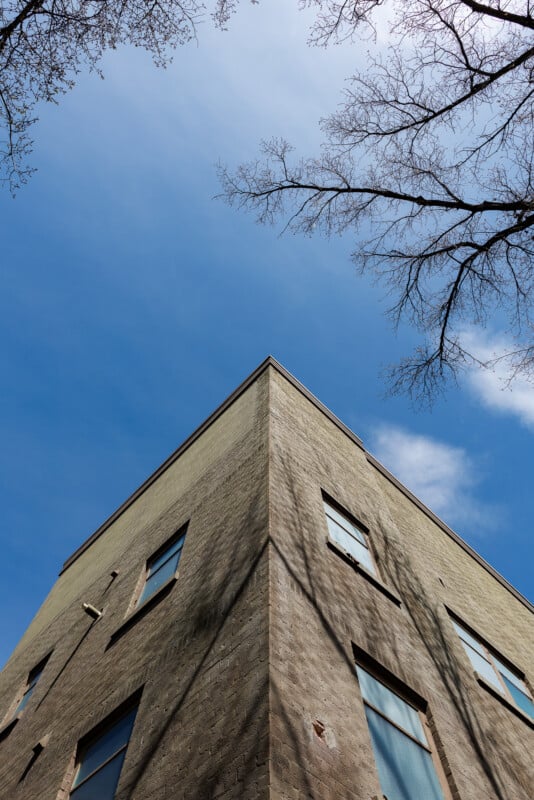
Without the ability to shoot test charts or report on things like LoCA (longitudinal chromatic aberration) or flare definitively from raw files, I can only make suggestions based on what the JPEG images showed me. However, I’m confident that the lens will be quite sharp. Modern lenses -especially L-series ones- tend to have excellent sharpness by default. Bokeh looked fairly smooth, but I will want to pixel-peep this at a later date.


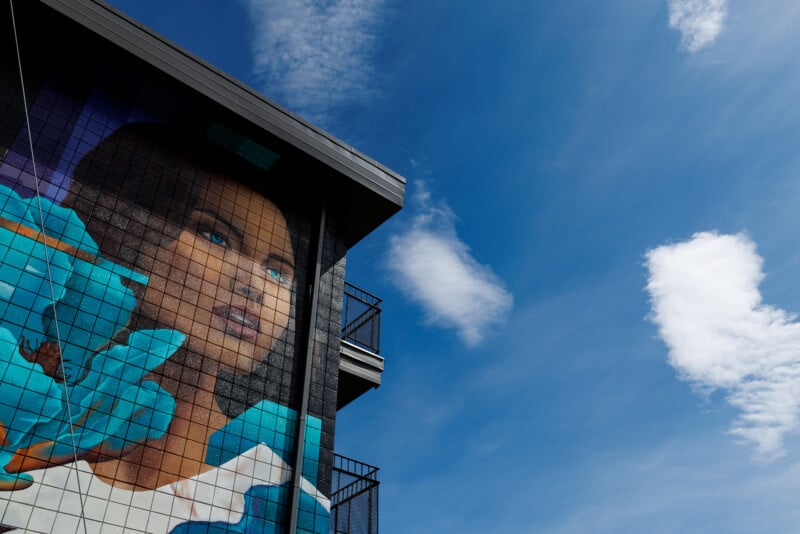
I did shoot some photos towards bright light sources, and just so happened to do this at a variety of aperture ranges. The results seem to show decent flare resistance with some optical ghosting present at tighter apertures. Sunstars were not the best I’ve seen, but there is some drama there, and I could see myself using this lens for sunset landscapes and sunny architecture shots often.
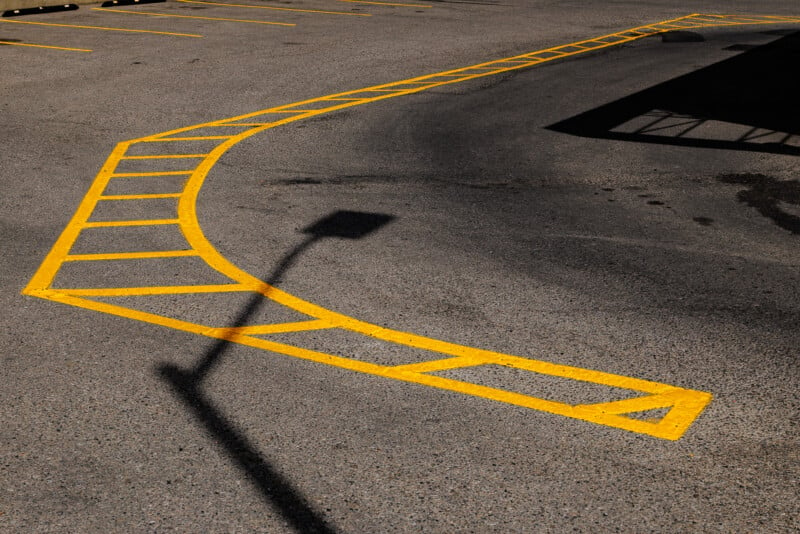
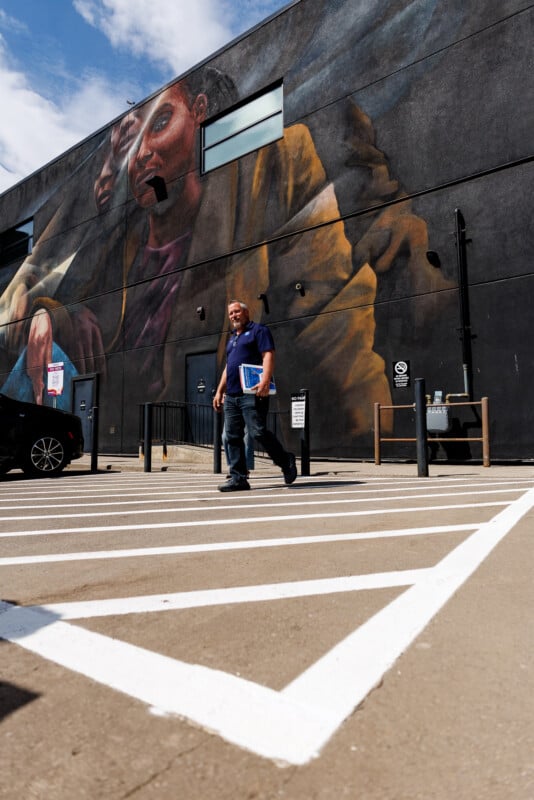
This lens is absolutely designed for cinematic work as well, and would make for an excellent gimbal or vlogging lens due to its ultra-wide range and compact design. Canon informed us about the close-to-parfocal corrections and breathing characteristics, so we felt that we could confirm these statements. The lens is not technically parfocal, which means that zooming the lens will slightly shift the point of focus. However, it is very minor and very close, so much so that the autofocus of the camera will easily take care of the difference.
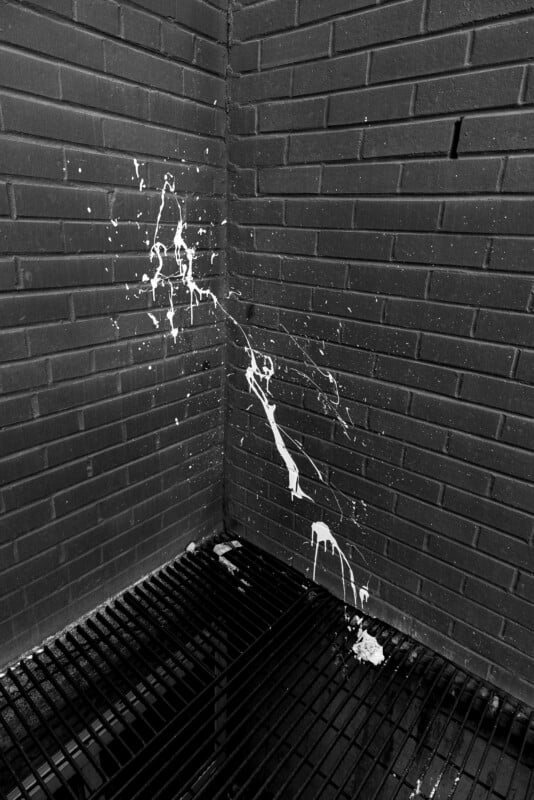


This lens is also incredibly well-corrected for breathing issues. If you focus this lens from near to far, the field of view of the lens will barely shift. Basically, this lens will be ideal for pulling focus from one subject to another, or for doing a smooth power zoom mid-take without distracting shifts. This could be a new favorite walk-around lens for videographers on full-frame Canon cameras.



I don’t normally like to play with lenses before we can do full testing, but this time around, I felt that I could still get a good idea of what it will be capable of. Canon have made a lens that will please hybrid shooters who want to take photos alongside the video content they are producing. Hell, even dedicated photographers might find this lens to be a perfect travel and landscape companion.



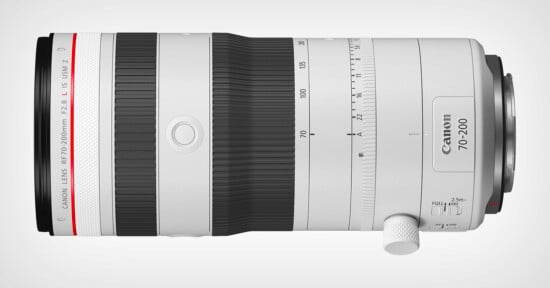
I would consider coupling it with a 70-200mm f/4 and taking the pair on adventures. Two lenses would cover pretty much anything I would want to capture. As a more dedicated photographer, I still prefer the versatility of the Sony 20-70mm f/4 as a general purpose photography lens, but if you want something with a similar range and a whole host of video benefits, this latest L-series lens brings 20mm coverage to a very useful zoom.

Affiliate Disclosure PetaPixel articles may include affiliate links; we may earn a commission if you buy through one.