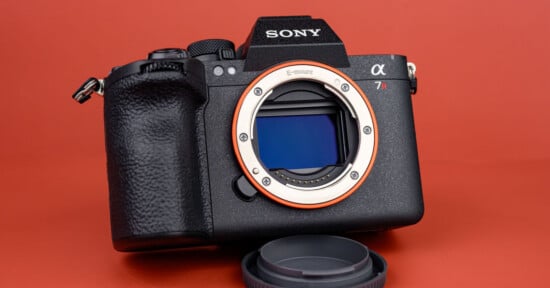
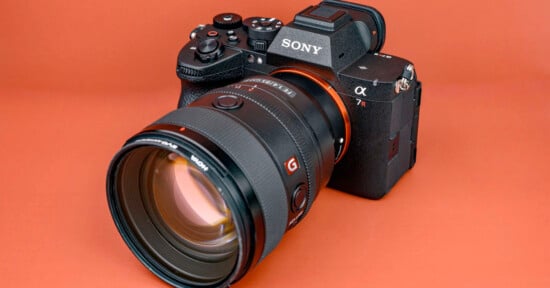
No, the Sony a7R VI Doesn’t Make the a1 II Obsolete
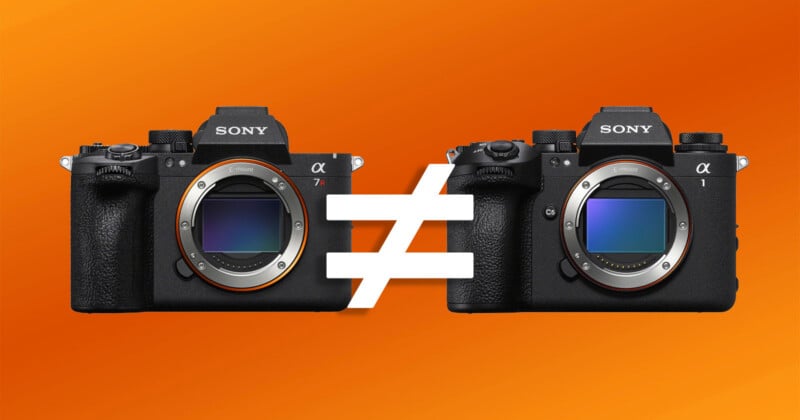
As soon as I learned about the exciting and excellent new Sony a7R VI and got my hands on it a few weeks ago, I knew exactly what people would be asking once they learned about the camera’s new, faster stacked sensor and 30 FPS burst shooting rates. Why would any photographer choose the Sony a1 II over the a7R VI? And I was right. I heard this question at least a dozen times at Sony’s a7R VI event in New York City without any prompting whatsoever.
It’s a reasonable question. After all, both the a7R VI and a1 II shoot full-resolution RAW files at 30 frames per second, feature Sony’s robust AI-powered autofocus system, and embrace a professional-quality build and usability. Then the a7R VI also has 33% more megapixels and Sony’s newest Bionz XR2 image processor, giving it a leg up of sorts over the a1 II.
Both cameras deliver nearly the same buffer depths and performance, and each offers Sony’s useful Pre-Capture Shooting mode. However, the a7R VI shoots at 30 frames per second in 14-bit RAW, while the a1 II’s fastest speeds limit RAW files to 12-bit. It’s not a huge deal unless you need to do a lot of post-processing, but hey, sometimes you do.
But as great as the a7R VI is, and it’s really spectacular, it’s not a death knell for the a1 II, at least not for some photographers. For them, the a7R VI isn’t even close to besting the a1 II. The a1 II isn’t obsolete, even if many high-level specs seem to favor the a7R VI across the board.
Sensor Readout Speed
The absolute biggest reason why the a7R VI doesn’t mark the end of the a1 II comes down to sensor readout speed and rolling shutter. While the a7R VI’s new fully-stacked 66.8-megapixel image sensor is about 5.6 times faster than its predecessor’s 61-megapixel unstacked sensor, it is nearly that much slower than the a1 II’s fully-stacked 50.1-megapixel sensor.
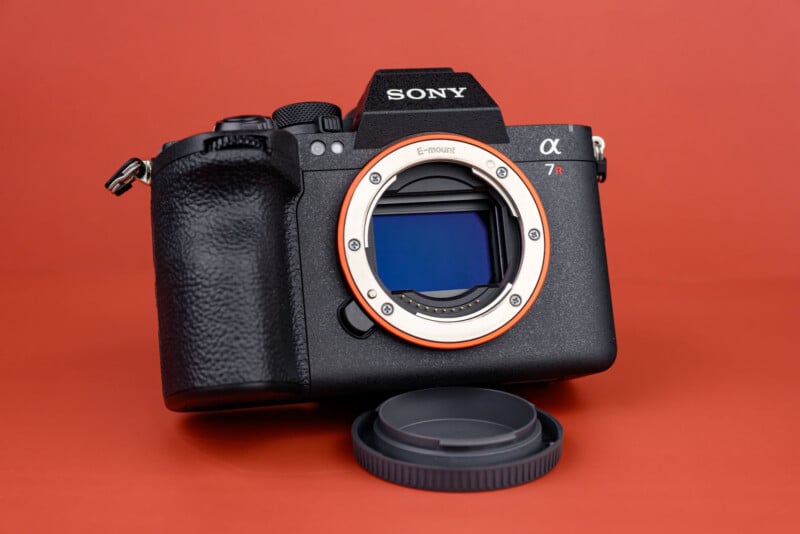
The a7R VI’s sensor readout speed with the electronic shutter is about 18 milliseconds, way faster than the a7R V’s just-over-100ms readout speed. This means that the a7R VI’s electronic shutter is now actually usable for action photography, and the rolling shutter is generally well controlled in many situations. But not all.


The Sony a1 II, on the other hand, has a sensor readout speed of less than four milliseconds. It doesn’t eliminate rolling shutter like the a9 III’s 24-megapixel global shutter sensor, but it comes extremely close. This means you can photograph fast-moving objects, such as swinging golf clubs or hockey sticks, without unnatural distortion.
For photographers at the bleeding edge of professional sports and maybe even wildlife photography, the a1 II’s extra security and performance with the electronic shutter can matter, sometimes significantly.
Autofocus and Workflow
The a7R VI’s autofocus performance is excellent and served me very well during my extensive hands-on experience with the camera. It’s certainly good enough for me and what I like to do. However, it’s not quite at a1 II levels of reliability and consistency.
While the a7R VI’s autofocus may be a bit better at picking up very small subjects, and its new Real-Time Tracking+ technology is very good at handling challenging situations, I didn’t find the a7R VI’s hit rate to be quite as good as the a1 II in all situations.
I’m not alone in this finding. Different photographers at Sony’s New York City event who had a chance to use the a7R VI ahead of launch echoed similar sentiments.

It makes some sense, as not only is the a7R VI’s sensor not as quick as the a1 II — and phase-detect autofocus information comes from the sensor — but the camera is not performing AF calculations as quickly as the a1 II. The a7R VI does 60 AF/AE calculations per second, while the a1 II does 120 of them. This doesn’t equate to the a1 II’s autofocus system being twice as fast or twice as good as the a7R VI in any real, practical sense, but this difference does matter and can be felt in extremely challenging, fast-paced situations.
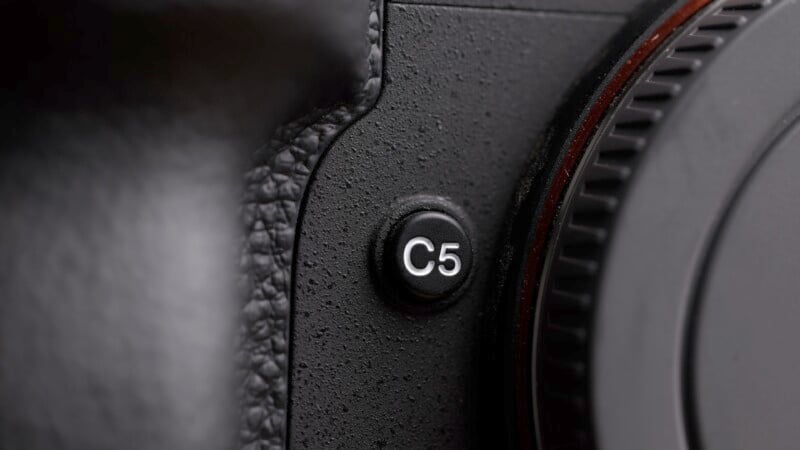
The a7R VI also just isn’t designed to be an a1 II replacement. To that end, it lacks some of the workflow and usability advantages of the a1 II. There’s no Ethernet port, which matters to some pros who need to deliver images as soon as they are shot, and there’s no front custom function button that can be used for the very nice Speed Boost function.
The a1 II also has a dedicated drive mode dial, providing direct, fast access to burst mode control.
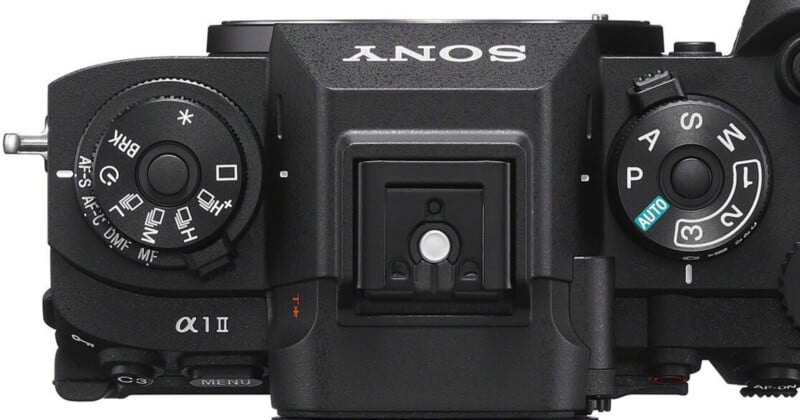
The a1 II has a faster flash sync speed of 1/400s, versus 1/250s on the a7R VI. Further, the a7R VI’s electronic shutter stills tops out at 1/8000s, while the a1 II can speed things up to 1/32000s.
Depending on who you ask, these omissions on the a7R VI either don’t matter at all or matter quite considerably.
So Who Is the a7R VI For?
All that said, the Sony a7R VI is a magnificent camera and, as I wrote in my review, essentially the perfect camera for me and quite possibly for you, too. This isn’t meant to bring the a7R VI down, but rather explain that the a1 II still has advantages that could justify its much higher price tag.

The Sony a7R VI offers exceptional image quality, nearly class-leading autofocus, and outstanding speed. For what I like to shoot, primarily landscapes and wildlife, the a7R VI checks all the right boxes, and its limitations do little to dampen my enthusiasm for the camera. I suspect many studio, portrait, wedding, and commercial photographers will be similarly enthused.

However, to the very common “So why buy an a1 II?” questions floating around here, there, and everywhere this week after the a7R VI’s big reveal, the answer is clear. Photographers will still buy the a1 II because they care more about its enduring advantages — speed, reliability, and usability — than the a7R VI’s 17 more megapixels and illuminated buttons. I do love those light-up buttons, though.
The Sony a7R VI is not an a1 II killer after all. In fairness, Sony never said it was, and certainly isn’t marketing it like one. What the a7R VI is instead is the best R Series camera Sony has ever made by a country mile and a genuine class-leader in the broader photography industry.
Image creditsJeremy Gray, Chris Niccolls, Erin Thomson, and Sony. Header photo created using an asset licensed via Depositphotos.com.
Affiliate Disclosure PetaPixel articles may include affiliate links; we may earn a commission if you buy through one.