Hasselblad Masters Photo Contest Accused of Shortlisting an AI Image
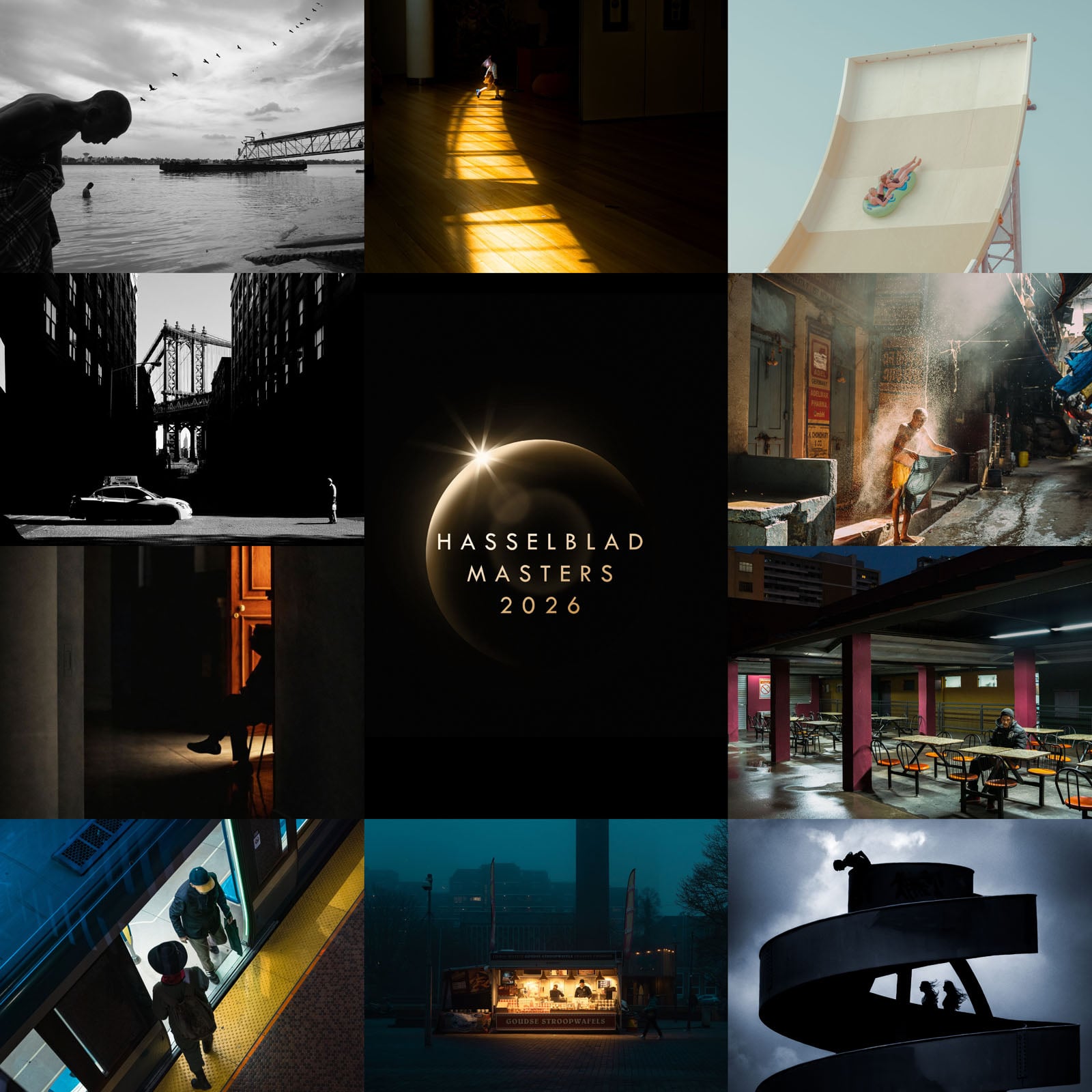
Hasselblad unveiled the 70 finalists of Hasselblad Masters 2026, the company’s first Masters competition since 2023. It didn’t take long for controversy to emerge, including allegations that a finalist used generative AI to create one of their images.
Immediate Backlash
A post on Reddit r/photography concerning the allegations has garnered over 600 upvotes and more than 160 comments at the time of writing.
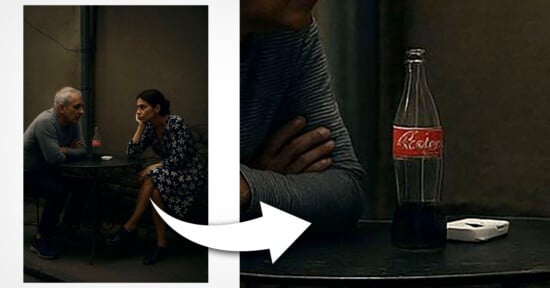
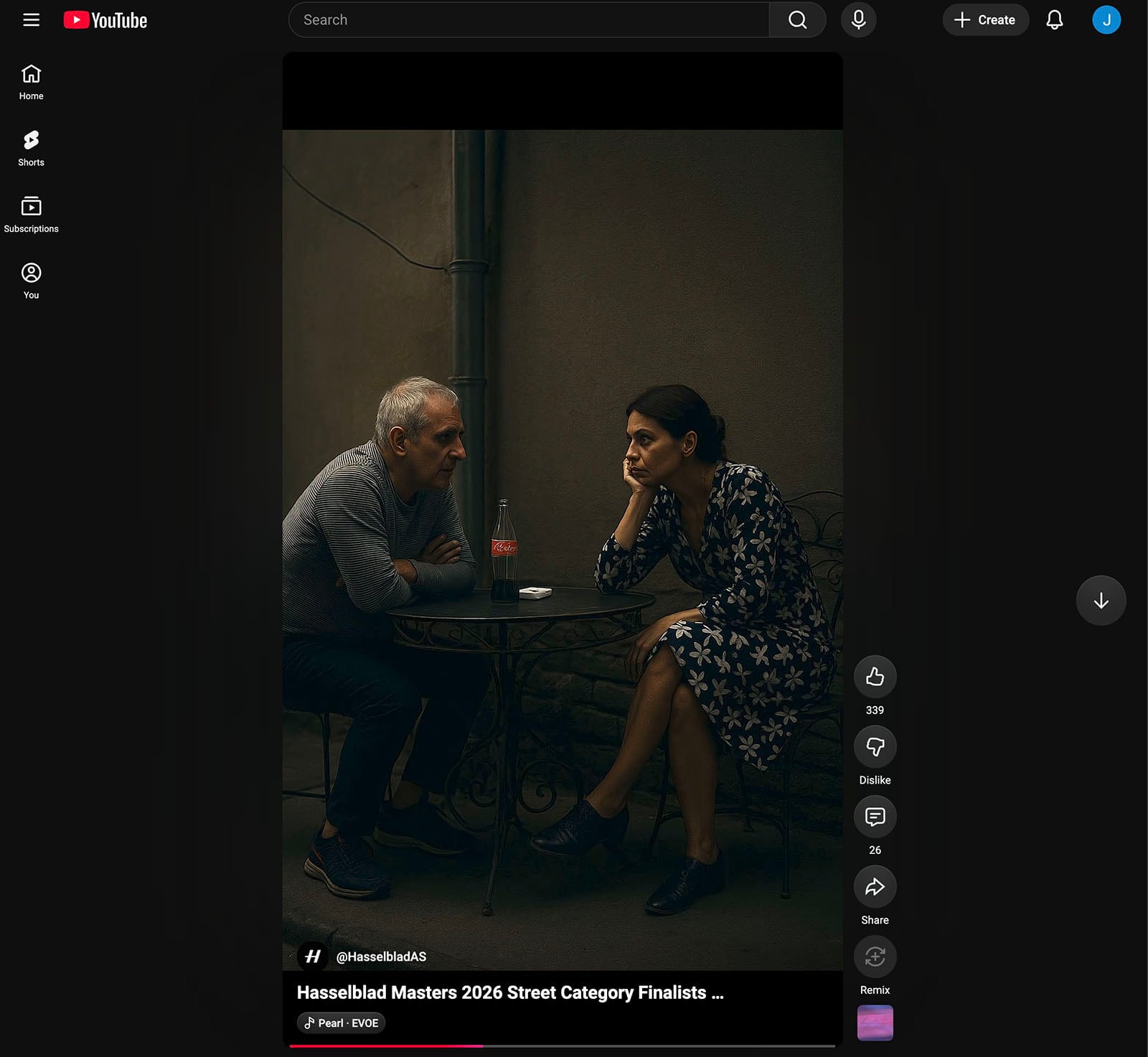
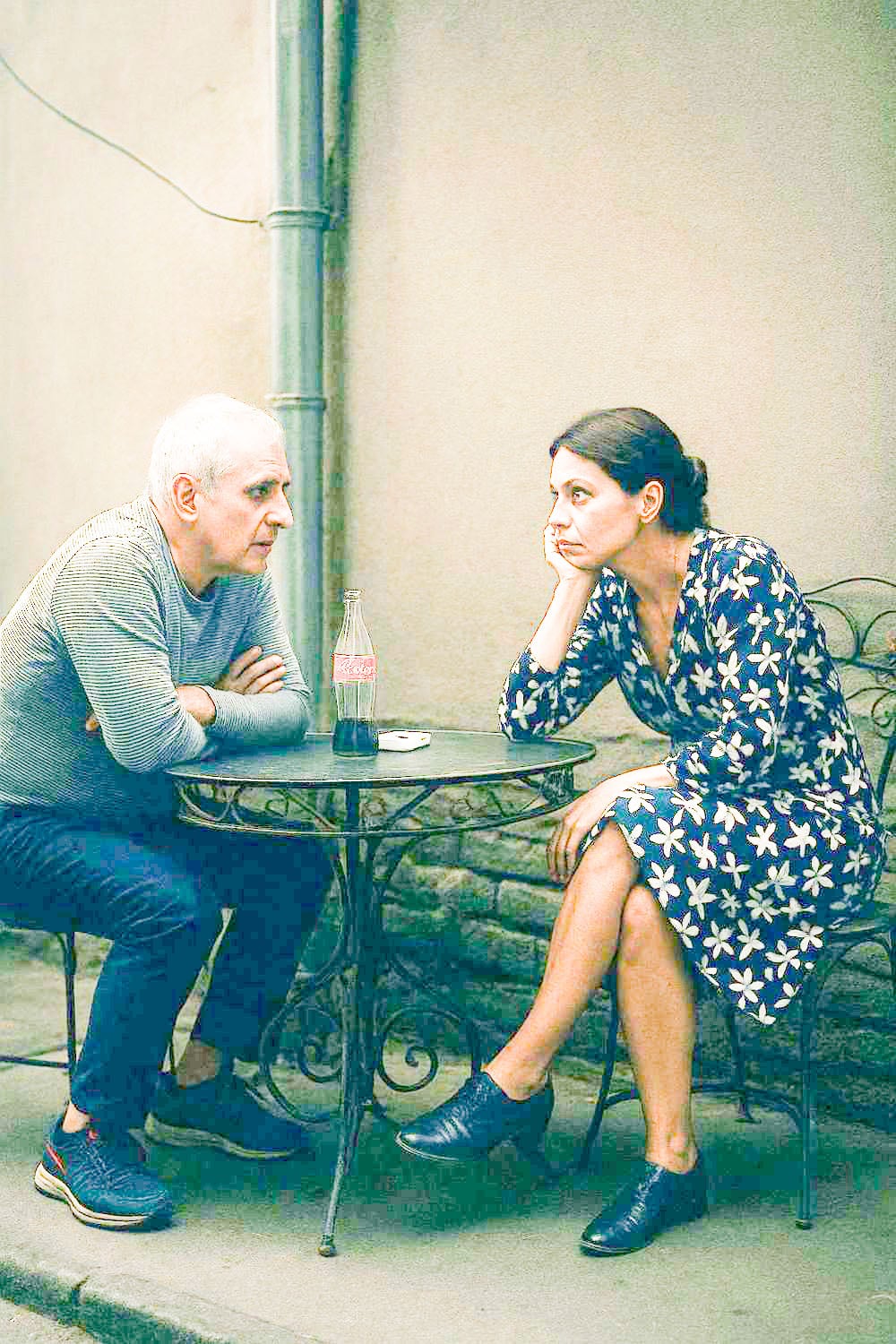
The specific photo in question was not among the images Hasselblad included in its 10-image grids celebrating all 70 finalists across seven categories. However, the image was featured in a YouTube Short shared by Hasselblad, and it is one of the images shown in the public voting process. The “photo” is in the Street category. Each photographer entered three thematically consistent images into Hasselblad Masters 2026, so although Hasselblad only showed one from each in the competition’s press materials, all three are visible during the public voting stage.
Nearly all of the comments on the YouTube Short relate to the AI image. The same is true over on Instagram, where all but two of the comments at the time of writing were discussing AI. Unfortunately, one of the two comments about something other than AI comes from a finalist photographer (not the one who entered an AI image). That photographer, Olivier Caune, expressed his pride and honor to be a finalist. As he should be, his entries are great.
While a full forensic analysis is beyond the scope of this story, arguably, one is not even required: this is not a situation where someone needs a magnifying glass and a lively imagination to spot the problem.
This is also clearly not a time when people throw AI allegations around all willy-nilly, which has happened in contests before. AI allegations are very common in contests, though, and unfortunately they are often correct. Some artists have even won major photo contests using AI images for kicks and to make some sort of broader statement.
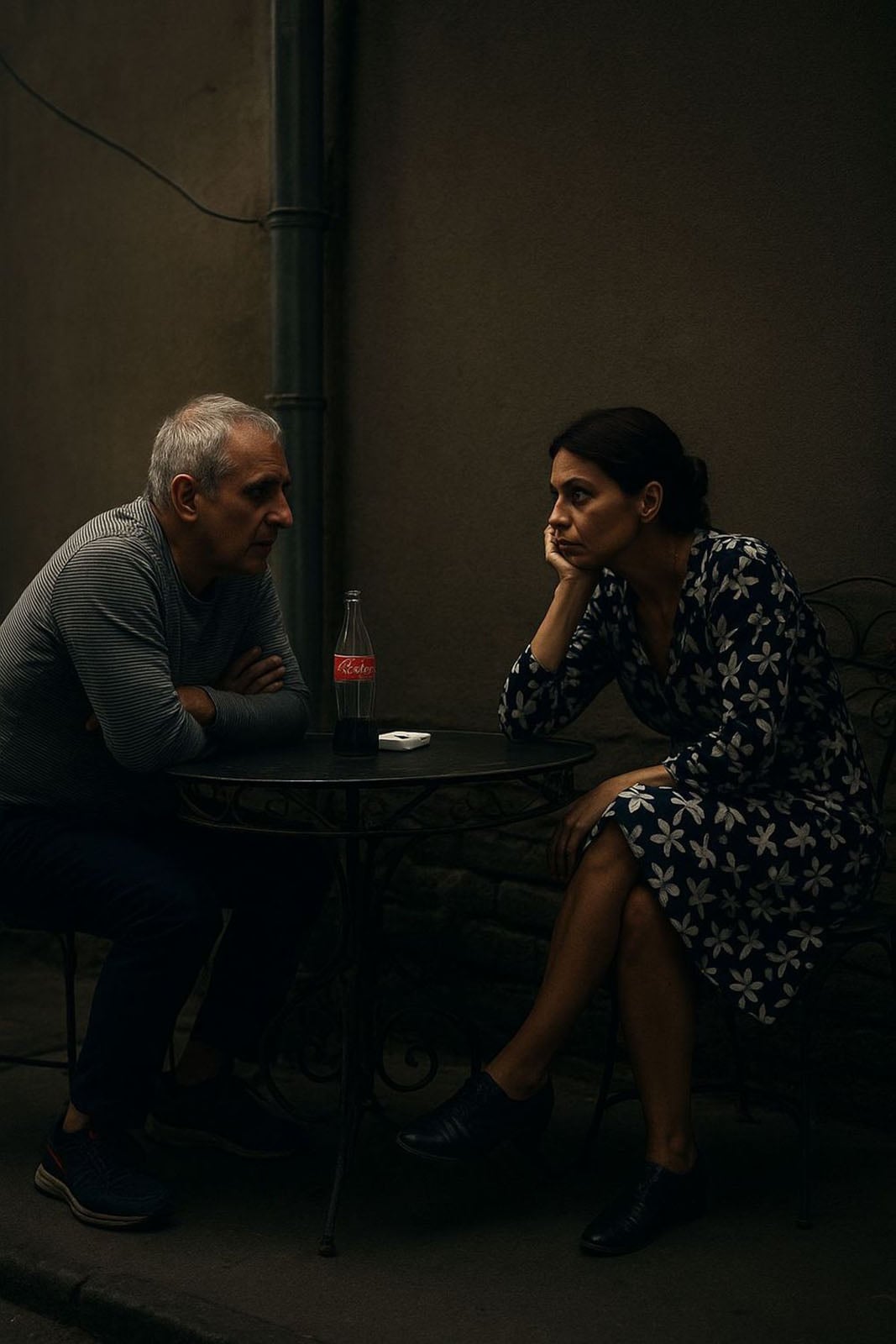

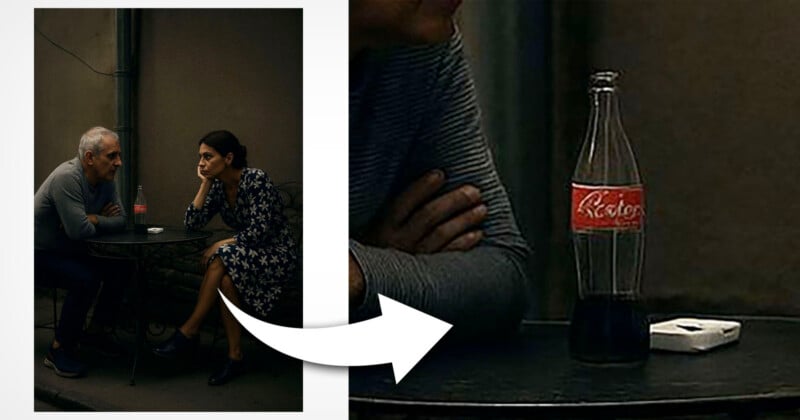
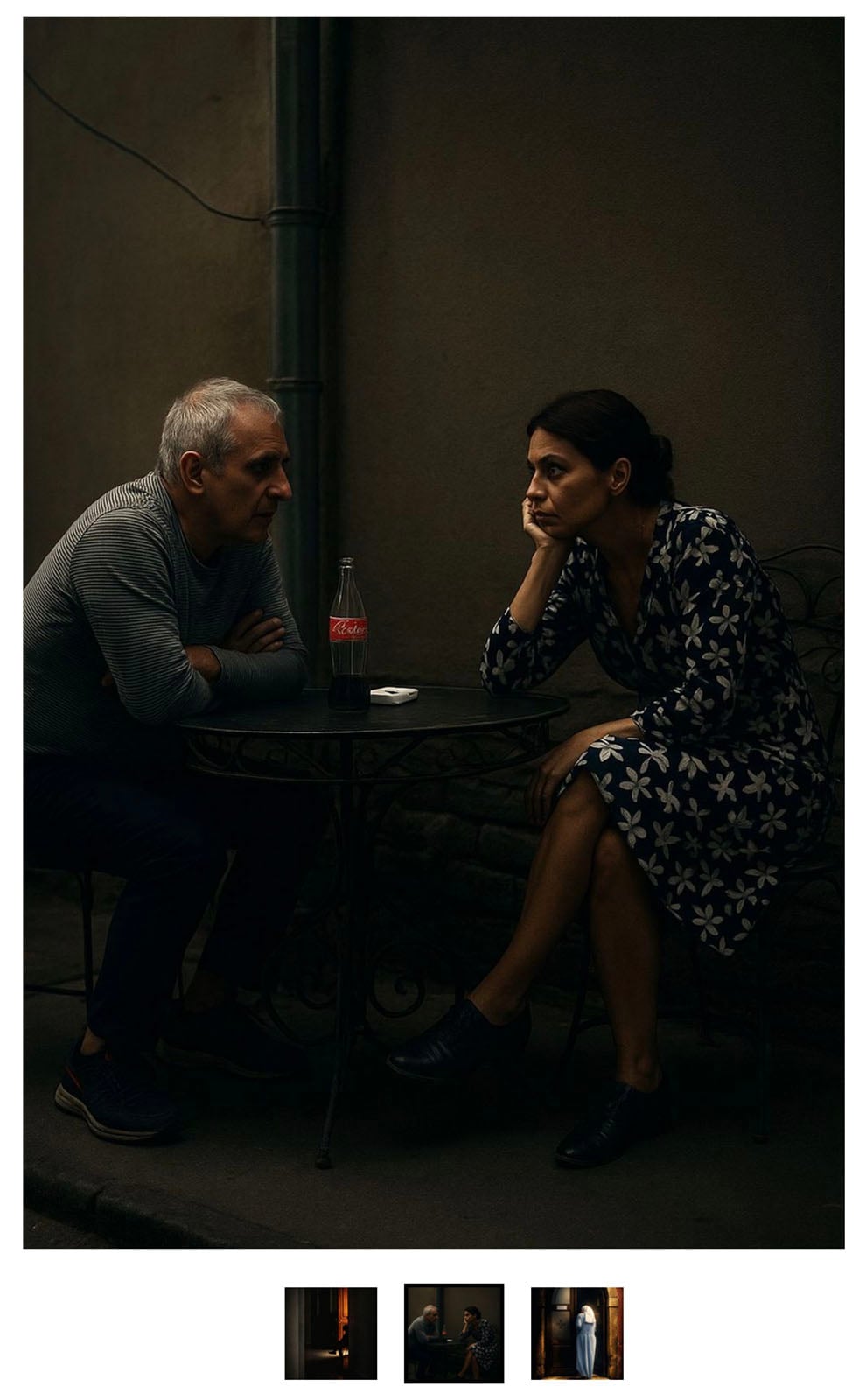
In this case, the unnamed photographer — Hasselblad has not itself named any of the finalists — clearly used generative AI, although to what extent remains unclear. The label on the soda bottle, which pretty obviously is supposed to be Coca-Cola, is a garbled mess. The indecipherable text is a telltale sign of generative AI, and it begs the question: if the soda bottle isn’t real, what else is fake? Is any of it real?
Why an AI Image Making the Cut Matters
There are a few important reasons why this allegation is so serious, not the least of which is that generative AI like this has no place in photography contests. Contest organizers and photographers can hem and haw over what degree of AI is allowed in photography, like whether AI-driven noise reduction is permissible or whether generative removal tools that take things out of a photo go too far. But ultimately, that bottle of so-called soda is fake. An important component of the composition is not real, and that’s a real problem.
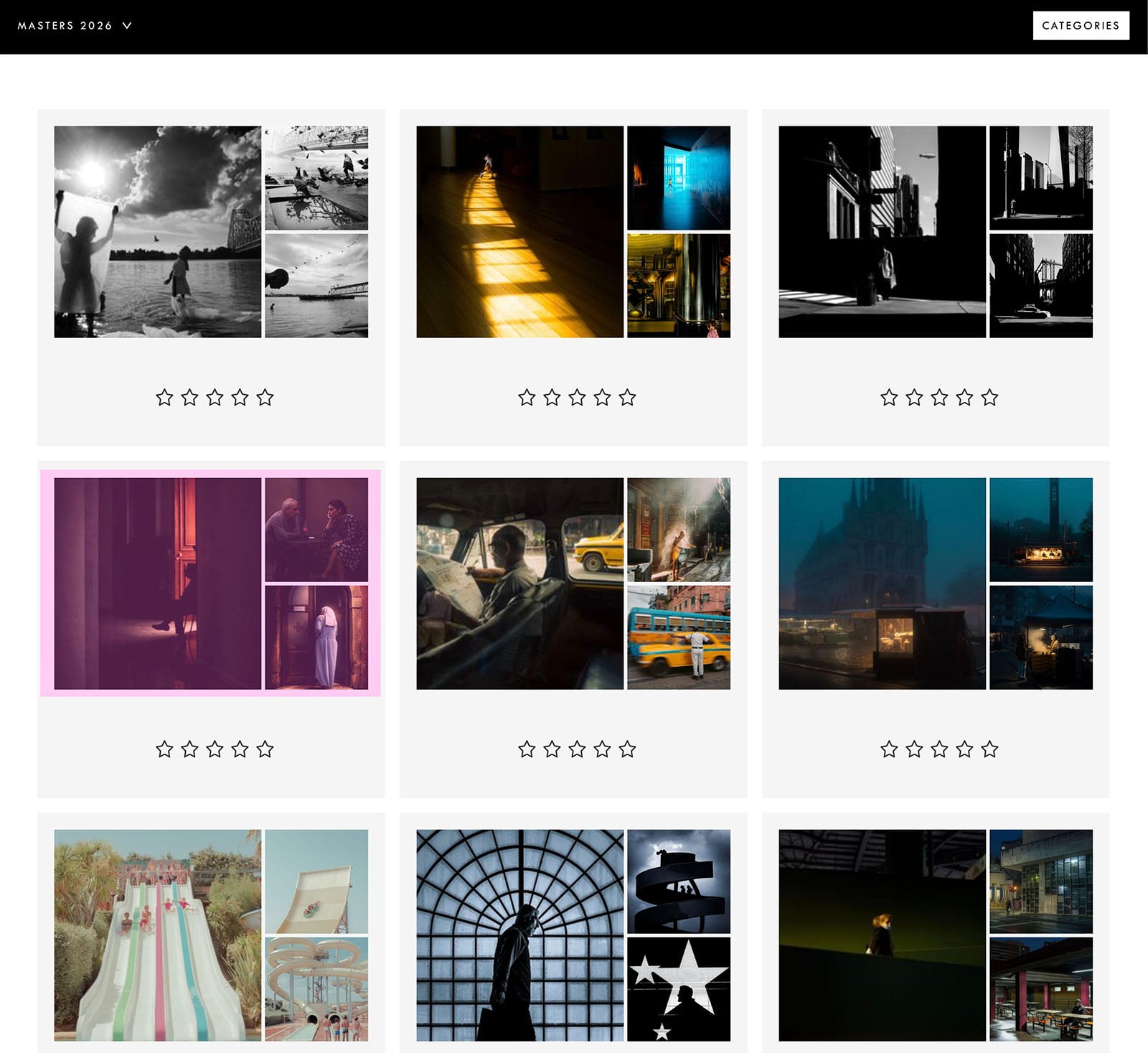
It also underlies another significant issue that goes far beyond a single photo. How did this happen? It casts a pall over the entire competition, which is extremely unfair for the 69 other finalists, like Caune, who chose to make himself public. The fact that his is but a quiet voice in a sea of online outrage is sad, and it is hard to imagine the controversy surrounding Hasselblad Masters not dulling at least some of the excitement that nearly all of the finalists should feel right now.
A misstep like this, one that should have been immediately caught, paints the entire Hasselblad Masters 2026 contest in a bad light. Hasselblad Masters is a prestigious photo competition. Beyond the large prize pools on the line, including photo kits worth more than $10,000 plus a 5,000 euro cash prize, the title “Hasselblad Master” means something. At least it’s supposed to and should.
As has already been demonstrated by comments on social media, because there is such an obvious AI image in Hasselblad Masters 2026, other images that are very likely not AI are being excessively scrutinized. Because of course they are.
A lot of real photos get falsely accused of being AI as it is, which is understandably disheartening for photographers who work very hard at their craft, but that skepticism has been ratcheted up to 11 because Hasselblad opened that door. It’s not fair to the other finalists.
Then there’s the fact that one photographer who entered the Street category has missed a chance to compete in this final stage and the recognition that comes with it because someone who broke the rules fooled the judges and took one of those very valuable 10 slots. That’s even more unfair.
Speaking of the judges, the eight-person grand jury is rife with highly respected, experienced members of the photography world. It is not worth singling any one of them out for having dropped the ball here: none of them did. In prior editions of the Hasselblad Masters competition, the grand jury did not select the finalists — that was an internal jury at Hasselblad — and they voted on the images in batches which were not necessarily visible at full resolution. Hasselblad confirms to PetaPixel that the jury had no hand in selecting these finalists: that was done internally at Hasselblad.
“Hilarious that a company like Hasselblad can’t field a jury that bothers to look at details,” one Reddit commenter remarked in a highly-upvoted comment on r/photography. It’s a popular sentiment around the online photography community right now, but this matter does not fall on the grand jury.
Photographers entered over 108,000 images to Hasselblad Masters 2026. That is a lot of photos, and, understandably, not every single one can be examined with a fine-tooth comb throughout the entire judging process. Initial selections and rejections must be made swiftly. However, while that could be a viable excuse for an AI-generated (or substantially AI-edited) image to get slightly farther than it should in a competition, it is not at all a good excuse for an offending image like this to be a finalist.
The fact that this sort of thing has happened in so many photo contests before, including the esteemed Sony World Photography Awards, should also have raised Hasselblad’s hackles and encouraged the jurors to be much more careful than this.
Hasselblad’s Response
“Hasselblad Masters has always attached great importance to the authenticity and originality of photographs,” Hasselblad tells PetaPixel. “In accordance with the competition rules, any imagery fully or partially generated by AI is explicitly prohibited.”
The company continues, adding that “all shortlisted works are required to undergo verification, including submission of their RAW files.” Hasselblad says it is conducting “further reviews” in response to public feedback on this “incident.”
“Pending the completion of the verification, we will not make any premature judgment on the compliance of individual entries. Should any violation be confirmed, the shortlisted qualification of the offending work will be revoked immediately.”
While this is an understandable stance, it is worth noting that the glass soda bottle in the image in question is clearly AI-generated, which certainly falls under at least the “partially generated by AI” condition in Hasselblad Masters. Nonetheless, Hasselblad must do its due diligence, at least now.
“We’ve taken note of the issue and appreciate the public’s ongoing attention and supervision regarding the fairness of the competition,” Hasselblad concludes. “Moving forward, we will further optimize the technical verification and evidence review mechanisms within the shortlisting and award selection process.”
There’s no question that AI technology has muddied the waters of photography competitions, a segment of the photo industry plagued by controversy long before generative AI arrived on the scene. Sometimes, increasingly so, it is very difficult to tell if an image has been meaningfully edited or outright created by AI. This is not one of those times, though. This was obvious, and when something so readily apparent makes it through what should be an extensive, considerate analysis, it’s hard not to wonder what else could have been missed. It’s also hard to trust the judgment in the rest of the competition, including the determination of final winners in late June.
That’s arguably even worse than an AI image itself.
Update 4/29: Added clarity to the section regarding the judging panel’s involvement in the selection and voting process.
Affiliate Disclosure PetaPixel articles may include affiliate links; we may earn a commission if you buy through one.