Why 2025 Was the Right Time for the Sony RX1R III’s Long-Awaited Arrival
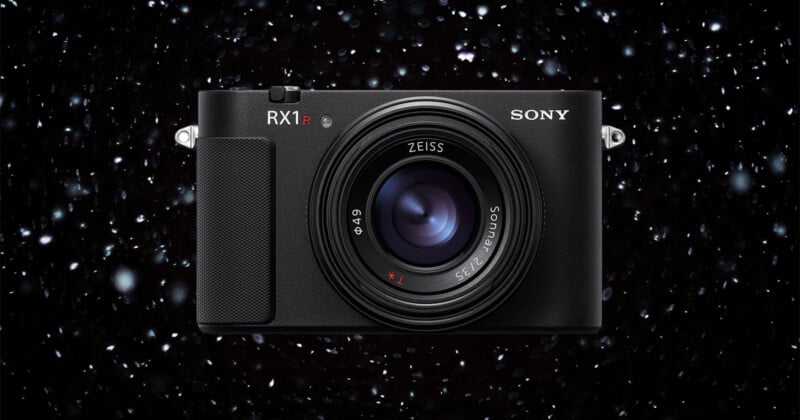
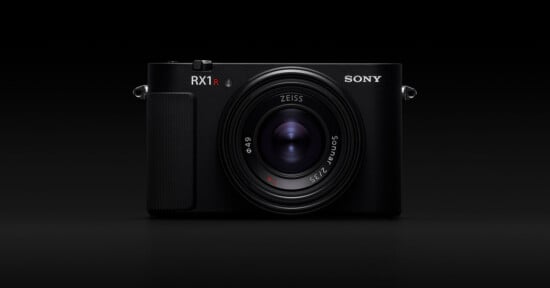
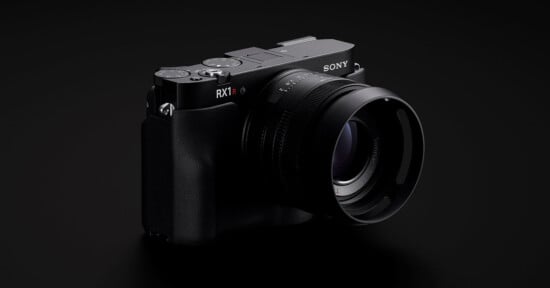
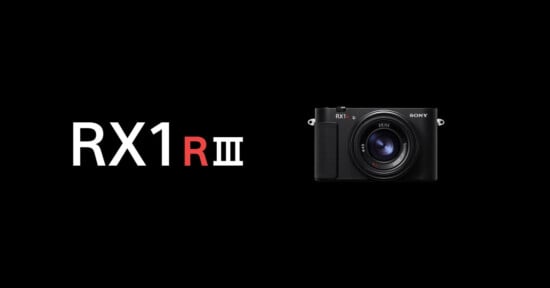
Last July, Sony surprised the photography world by unveiling the RX1R III, arriving so many years after the RX1R II that many RX1R fans had all but given up hope of a new model ever coming. Sony even released two more A-mount DSLRs after the RX1R II, to put the wait into perspective. So what took so long? Sony told PetaPixel that it needed to develop the right technology to make a new RX1R camera worth it, and that tech took time.
“Our philosophy is to implement our best technology into this palm-size, very tiny, compact camera,” Yasufumi Machitani, General Manager, Camera Business Department, Imaging Entertainment Business Unit, told PetaPixel at CP+ 2026. “Looking back at the RX1R Mark II, it launched in end of 2015 — almost 10 years ago. At that time, we implemented the best technology into it and we got good sales and positive feedback.”
Machitani says the RX1R series cameras are great as second cameras for dedicated enthusiasts and professionals, which means a camera like the RX1R II has a longer tail for sales than something like an a1 or a9 series model, which are predominantly primary cameras for working professionals, users who demand the latest and greatest as soon as it is available. If the RX1R III had offered only minor improvements, like marginally better autofocus or a faster processor, it would have done little to move the needle for the photographers who have loved the RX1R series.
“But looking at our latest imaging technology evolutions, like AI-powered subject recognition, higher megapixel sensors — we decided to renew the RX1R,” Machitani continued. Sony made the RX1R III now because the technology existed to justify it.
Why Didn’t the RX1R III Arrive Sooner?
RX1R enthusiasts could reasonably argue that the 61-megapixel sensor Sony introduced in 2019’s a7R IV could have made an RX1R III worthwhile in 2020, but at that point, it would have only been a sensor swap. 2022’s a7R V introduced much more of the technology featured in the new RX1R III, including the AI processing unit. And yet, the RX1R III still did not come.
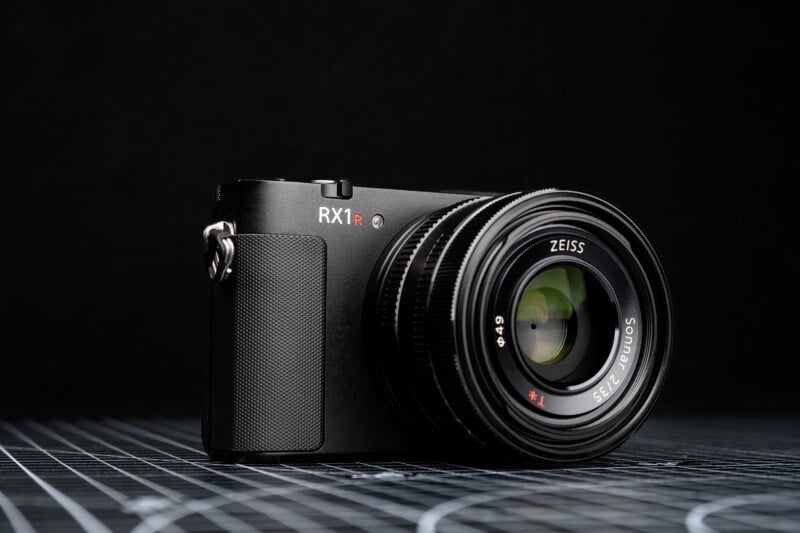
It makes sense to wonder whether other factors influenced Sony’s decision to release the RX1R III in 2025, including, perhaps, the success some of its competitors have had in the segment in recent years. At the very top end, the Leica Q2 and Q3 models have been commercial darlings for Leica. At the more enthusiast-level, Fujifilm X100 and Ricoh GR-series cameras have sold like hotcakes.

As healthy as the premium compact market is right now, with popular, successful models across APS-C, full-frame, and even medium-format segments, it was a very different story after the RX1R II hit store shelves at the end of 2015. The camera arrived during a massive downturn in digital camera sales, and the situation only began stabilizing in the last few years. It is one thing to dedicate resources to developing a niche camera when the market is overall doing well; it’s another entirely to do so when the photo industry is undergoing arguably the biggest shift in its history.
While Sony paints the interval before the RX1R III as a matter of waiting for the right technology, it would make a lot of sense if it were also a matter of waiting for the right time. The a7R IV’s new sensor in 2019 and the a7R V’s AI image processor in 2022 were not the right time for a niche premium compact camera. 2025, though? Perfect.
Image creditsHeader photo created using an asset licensed via Depositphotos.com.
Affiliate Disclosure PetaPixel articles may include affiliate links; we may earn a commission if you buy through one.