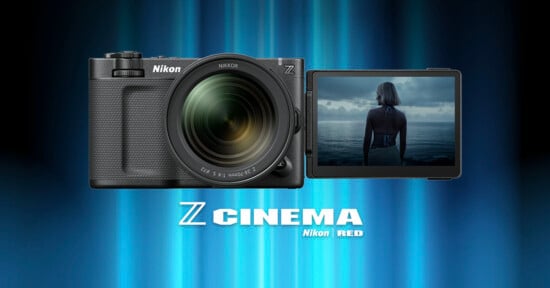
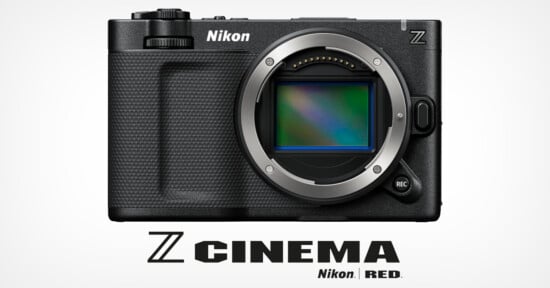
Nikon Believes the ZR Is Versatile Enough to Be Two Camera Lines in One
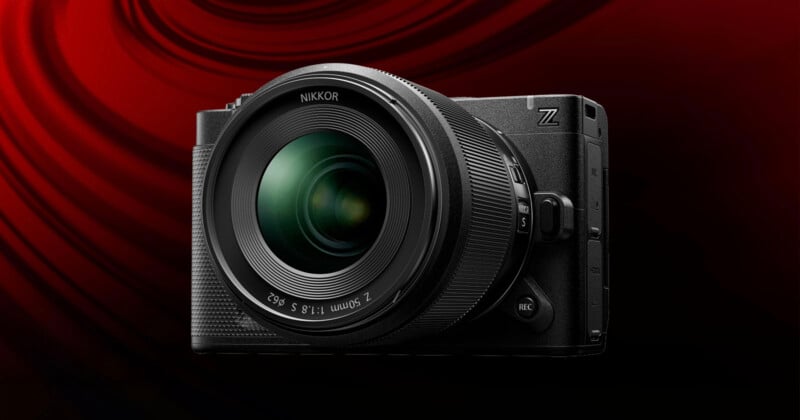
With the introduction of the Z Cinema series of cameras that includes both RED cinema cameras and the new ZR, it’s easy to imagine how this camera line might expand. But in conversations with Nikon, the company thinks its newest video camera is so wide in its capabilities, there isn’t a need for other cameras right now.
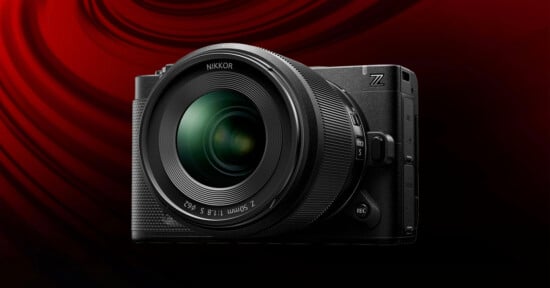
The Nikon ZR is an unusual camera in that it is designed like a compact creator-level camera but it packs serious cinema-level technology. Nikon says that in the development process and after the acquisition of RED, it wanted to create a camera that could be extremely wide in its possible use case.
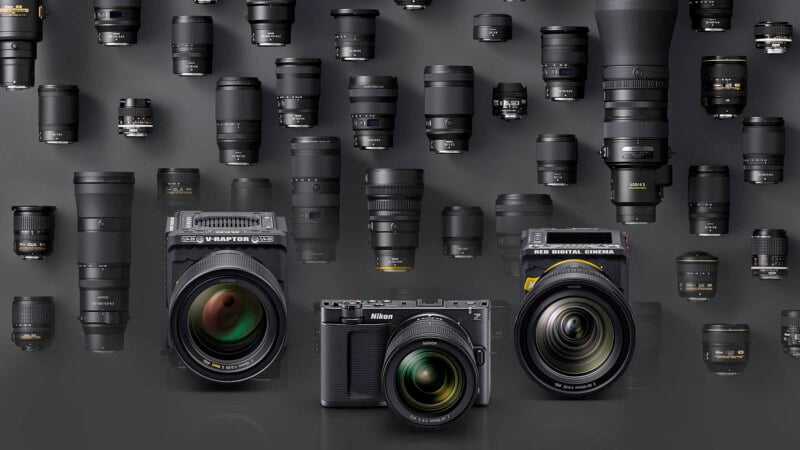
“We really want the ZR to cover uses from a RED camera B-cam or C-cam as well as offer a camera to content creators who really want a cinema quality. So the coverage of the ZR is really wide,” Hiroyuki Ikegami, Senior Executive Vice President and General Manager of the Imaging Business Unit at Nikon, explained in an interview with PetaPixel at the IBC Show in Amsterdam last month.
In that way, the ZR is able to be used by mid or even entry-level filmmakers and creators, but easily can flex to fill out kits running RED cinema cameras.
“A key feature of the R3D NE codec is that it allows data to be handled in post-production using the same workflow as R3D data shot with RED cinema cameras. This was a particular focus for us, and we believe that if you are familiar with the RED Cinema camera workflows, the ZR will be able to fit into it seamlessly,” Satoru Takeuchi, Section Manager of 3rd Development Section & 1st Development Department, says.
“The N-RAW format uses the video RAW compression method adapted for Nikon mirrorless cameras Z9, Z8, and Z6III, which allows users to select the data compression rate and it supports a wide variety of editing and grading software. The most recent release also added support for Premiere Pro beta, expanding the convenience. The high compression mode is particularly useful for projects that require longer takes,” he continues.
“And lastly, with ProRes RAW, customers are offered the advantage to fit into a unified workflow for post-production in Mac environments. As you can see, the multiple formats allows the user to flexibly choose the best option depending on the shooting scenario and purpose,” Takeuchi adds, explaining how the camera is meant to flexibly work for a wide variety of possible users.
This, Nikon’s second major attempt at entering the video market, is significantly different from the first try: the KeyMission series.
“About 10 years ago, our challenges in the action camera market provided many valuable lessons. In recent years, we have been focusing on creating products from a customer’s perspective, from planning through the development. And in fact, the new ZR was developed together with the RED team by listening to the voice of customers in the cinema field and the result is a product they are sure to appreciate,” Ikegami says.
“Video content is expanding across various industries, including social media and streaming services. Along with this, the demand for high quality filming equipment has increased significantly. We consider this a great opportunity to enter the market while leveraging the expertise of RED, which leads the cinema industry. And we also hope creators who aspire to cinematic video expression and share their work will use this product.”
![Comparison chart of four camera models (ZR, KOMODO-X, V-RAPTOR XE, V-RAPTOR [X]) showing sensor format, RAW type, resolution, dynamic range, weight, and global shutter presence.](https://petapixel.com/assets/uploads/2025/10/nikon-red-cine-line-800x538.jpg)
But given the price and approachability of the ZR, Nikon isn’t just aiming it at the high end. It understands many people will be attracted to the camera.
“In a compact system, we expect the primary customer will be video content creators who work independently or in a small operation. But because the ZR can also be used as a B-cam or C-cam for RED professional shooting, we believe we can cover a whole video camera range with one product,” Ikegami says, adding that the ZR can grow and contract easily thanks to the use of accessories and rigging.
“So as of now, we don’t think we need another product in between [the ZR and RED cinema cameras]. But if customers request it, we have to consider it because we work in a customer-centric philosophy.”
Image credits: Nikon | Elements of header photo licensed via Depositphotos.