Match Igniting at 2000 Frames per Second
This is what lighting a match looks like up close and in super slow-mo at 2000 frames per second. Who knew the process was so bubbly and gross?
This is what lighting a match looks like up close and in super slow-mo at 2000 frames per second. Who knew the process was so bubbly and gross?
"Keep it simple, Stupid!." That's a principle exemplified by Apple's industrial design, but sometimes is nowhere to be found when it comes to compact cameras. Panasonic, however, seems to be on the same wavelength with the Lumix FP7 they just unveiled at CES 2011. The physical buttons normally found on the back of point-and-shoots are missing, replaced instead with a sleek 3.5-inch touchscreen LCD. The only physical buttons that remain are found on the top of the camera -- power, shutter, and …
The stories are often the same -- you spend some time saving up money for the perfect piece of gear that you've spent hours reading reviews about and comparing. You finally order it, and spend some days checking the tracking information every few minutes to see if your package is still traveling according to schedule.
Yesterday we got a sneak peek at a strange multi-dimensionally swiveling Casio TRYX camera, and today it was officially unveiled at CES 2011. The TRYX is a 12.1 megapixel camera that shoots 1080p HD video at 30fps or 240fps slow-motion video at 432 x 320. The unique thing about the camera is that the 3-inch touchscreen LCD can both bust out of its "frame" and also swivel, allowing the frame to be used as a stand and for the screen to point in all kinds of random directions.
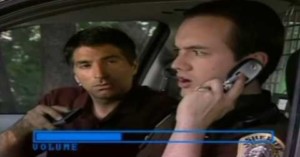
It's interesting (though some might say infuriating) to see how photographers are depicted in some police training videos. Lesson learned? Don't carry camera gear and sleeping bags together in the back seat of your car.
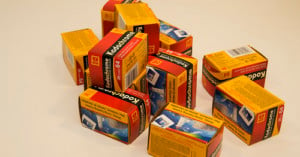
Kodachrome film officially died at the end of last year when the last developer -- Dwayne's Photo Service -- stopped accepting the film. Before that final nail in the coffin was pounded in, 53-year-old Jim DeNike drove from Arkansas to Dwayne's in Kansas to have 1,580 rolls developed. The total cost for the 50,000 slides? $15,798. All of the photographs were of trains.