Posts Tagged ‘stock’

The Going Rate for a Time Cover Photo

The Going Rate for a Time Cover Photo newfrugality

Slate magazine just published an interesting article on David Hobby and his popular blog Strobist, and shared this interesting example of how the photography industry is drastically changing due to low barriers of entry:

To get a sense of just how bad things are for professional photographers right now, the story of Robert Lam is instructive. When Time needed a photo to illustrate its “New Frugality” cover story in late 2009, it purchased Lam’s image of a jar of change from stock-photo agency iStockphoto. The going rate for a Time cover had typically been $3,000 to $10,000. Lam was paid $31.50. Nevertheless, Lam declared, “I am happy”—the payment was more than he’d expected the photo to generate, and he was delighted to have a Time cover in his portfolio. Veteran professional photographers were livid, calling Lam an “IDIOT,” among other unkind words.

The article also mentions how Robert Lam earns just $4,000 from his stock photography hobby, and that the Time cover photo was shot using DIY equipment purchased from a local sign store. What are your thoughts on the changing landscape for professional photographers?

Camera Industry Stocks Still Suffering After Japan Earthquake

Camera Industry Stocks Still Suffering After Japan Earthquake stockprices

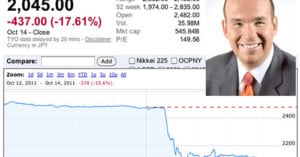
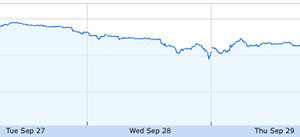
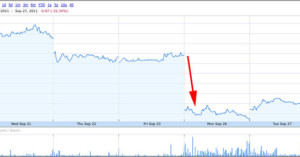
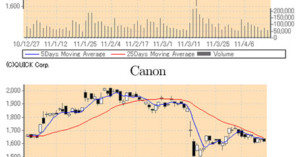
The stock prices of major camera equipment manufacturers took a major — and expected — dive after the earthquake on March 11, 2011. Though they made a brief recovery afterward, they’re continuing to fall due to the risk that gear prices may soon skyrocket soar once decreased production isn’t able to meet demand.

(via Enticing the Light)

Shooting Microstock with Yuri Arcurs

This video by FotoTV features “microstock king” Yuri Arcurs leading a workshop and imparting all sorts of useful tips that you’ll find useful even if you have no interest in doing microstock — things like working with models and capturing emotion. Get out your pen and paper and start taking notes!

(via f stoppers)

Kodak Isn’t Doing So Hot These Days

Kodak Isnt Doing So Hot These Days kodakstock

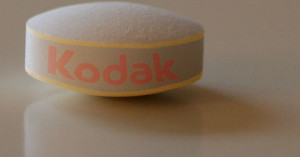
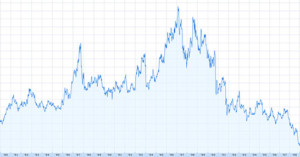
What you see here is the history of Kodak stock starting from 1978. In the mid-1990s the stock peaked at over $90 per share, but has experienced a slow demise since then, and is currently at $3.70 a share. What’s more, the company just announced yesterday that profits fell a staggering 95% in the fourth quarter of 2010. During that quarter the company earned just $22 million, compared to the $443 million it earned during the same period a year earlier.

Acquisition rumors have been swirling around for quite some time now as the stock continues its free fall. Any predictions on what will become of this once-great company?

Kodak profit plunges 95%; sales fall short (via Photo Rumors)


Update: Kodak still sees a “big silver lining” amidst all this bad news.

Tips for Selecting and Instructing Models

Here are a couple informative videos in which Yuri Arcurs — the best selling microstock photographer in the world — shares some advice on working with models, with everything ranging from choosing the right model to how to get the right smiles. Many of the tips (e.g. tricks for posing the head) can be helpful even if you don’t do commercial or stock photography.
Read more…

New Flickr Feature Makes it Easier to Make Money with Your Photos

New Flickr Feature Makes it Easier to Make Money with Your Photos flickrFlickr has just announced a new feature that lets you to add a “Request to License” link to all of your photos stored on the service, allowing visitors who wish to license your photos to send you the request through Getty.

New Flickr Feature Makes it Easier to Make Money with Your Photos requestVisit any of your photos while logged in, and you should see a link under “Additional Information” that says “Want to license your photos through Getty images?”. Follow the instructions after clicking this to change your preferences.

Once you’ve enabled the “Request to License” link, visitors can click through to be put in touch with a Getty representative, who will then handle the details and send you a FlickrMail with the licensing request.

The companies are mum regarding the rates paid for photos, but BBC News reports that the average rate may be between $150 and $240.

One complaint that members are making on the Flickr forum is that the feature is globally enabled or disabled rather than allowing you to choose which photographs to show the link for. Presumably Flickr is working on changing this to give users more control.

Have you sold any photos on Flickr through Getty? If so, what was your experience?

Getty Launches Site to Educate the Ignorant Masses About Photo Rights

Getty Launches Site to Educate the Ignorant Masses About Photo Rights stockphotorights

Recent surveys found that many image users in the United States and UK are ignorant when it comes to knowing when it’s okay to use an image, and how images may be used. 22% of those surveyed admitted that they used photographs found on photo sharing websites for commercial purposes. In response to these findings, Getty has launched stockphotorights, a website that answers many of the common questions people have about image use and copyright. They also have a blog documenting cases of image misuse, and a section filled with case studies.

Greek Man Sues Swedish Company over Turkish Yogurt Photo Use

Greek Man Sues Swedish Company over Turkish Yogurt Photo Use lindahlsturkishyogurt

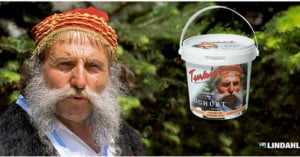
Athanasios Varzanakos, a Greek man, is suing Swedish dairy company Lindahls for using his image on containers of Turkish-style yogurt. The $6.9m lawsuit alleges (in 40 pages, no less) that the image is misleading because the man has no connections whatsoever with Turkey.

According to BBC News, chief executive Anders Lindahl claims the photo was legally licensed from a stock library:

We bought it from a photo agency so we assumed that everything was in order

PDNPulse also sheds a little more light on the cultural aspect of this case:

The (hilarious) photograph doesn’t just have legal implications. The use of a Greek man’s likeness to promote a Turkish-style yoghurt is a cultural faux pas given the centuries-old conflict between the Greeks and Turks, which began when the Greeks gained their independence from the Ottoman Empire.

Despite the lawsuit, the photograph is currently still featured prominently on the Lindahls website. I can imagine why — this is publicity you can’t really pay for.

What do you think of this story? Should Varzanakos be awarded money for being portrayed as a Turkish man?

SpiderPic Offers Comparison Shopping for Stock Photos

SpiderPic Offers Comparison Shopping for Stock Photos spiderpiclogoLaunched less than a week ago, SpiderPic is a new image search engine for those looking to purchase stock photography. The same stock image is often available through multiple agencies and varying prices, and SpiderPic allows you to compare these prices to choose the cheapest deal.

While this is a win for stock photography buyers, the service will likely mean lower revenue for agencies and photographers, both of which may price stock images differently based on a number of factors to maximize their income. If SpiderPic takes off, photographers will be forced to set identical prices for their images if listed at multiple agencies, and agencies will need to keep their prices competitive.

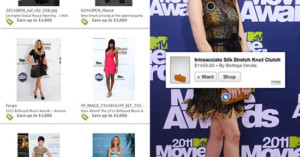
SpiderPic Offers Comparison Shopping for Stock Photos spiderpicscreens

Photosimile: An Office Machine for Product Photography

Photosimile: An Office Machine for Product Photography photosimile

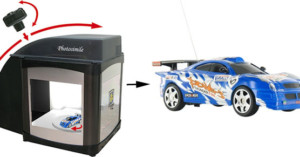
At CES 2010 next year, photography automation company Ortery will unveil the Photosimile 5000, a device that they claim is the “next generation imaging device for the office.” Essentially it’s like a copier, except for stock/product photography. You can simply walk up to the machine, place what you’d like to photograph inside, adjust a few settings on the parameter, and walk away with a professional looking product photograph. The computer-operated system automatically adjusts lighting to remove shadows, and takes care of handling white balance.

This isn’t exactly news for photographers, but it’s interesting to see the landscape of what’s out there and what’s to come.

(via The Imaging Resource)