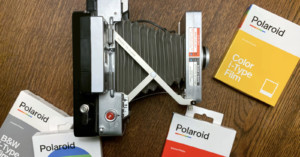
Newland Polaroid Adapter Breathes New Life into Vintage Land Cameras
After nearly five years of development, Polaroid lovers in France have developed a new instant print back adapter to fit vintage Type 100-400 Polaroid Land cameras.
After nearly five years of development, Polaroid lovers in France have developed a new instant print back adapter to fit vintage Type 100-400 Polaroid Land cameras.
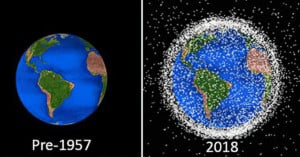
As more and more satellites are being launched into space, reflected light from these objects is causing increased sky pollution and issues for astronomers and astrophotographers. Now NASA is asking the public for help in monitoring this growing issue, and all you need to do is shoot smartphone photos of the light streaks in the night sky.
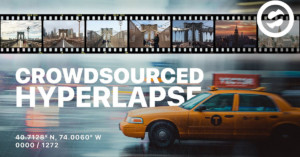
Art director Sam Morrison made this 57-second video titled "Typologies of New York City." It's a hyperlapse of NYC created entirely out of 1,272 crowdsourced photos of the city found on Instagram.
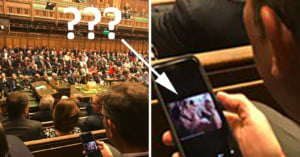
Here's a strange story that shows the power of Internet crowdsourcing in doing unusual reverse image searches. It all started with a blurry, seemingly questionable photo seen on a smartphone in the hands of a politician in the UK Parliament.

The photo software company ON1 drummed up some excitement back in April by announcing Photo RAW, the first new RAW processing software to be released in a decade. To make sure the software is exactly what photographers want, ON1 has just launched The Photo RAW Project, an effort to crowdsource the best ideas for what the software should be like.

NASA needs our help. Unfortunately it doesn’t involve leaving the Earth’s atmosphere or otherwise experiencing space as astronauts do. It does however involve hundreds of thousands of photographs astronauts have taken while circumnavigating the Earth.

An Instagram 'short film' time-lapse has been making its way across the Internet recently, simultaneously demonstrating the creativity of the filmmaker who created it and the lack thereof of the smartphone photographers from whom the content was crowdsourced.
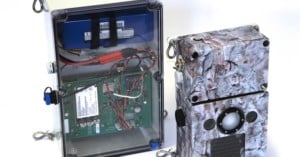
Remote cameras are a great way to shoot wildlife, and have captured to some pretty incredible photos and footage over the years. An example that comes readily to mind is the amazing Bear 'dance party' captured by one of Park Ranger Glenn Naylor's wildlife cams back in July.
The Instant Wild project also uses remote cameras, but their purpose is a little different. Their cameras are helping to protect some of the world's most endangered species ... with a little help from you.
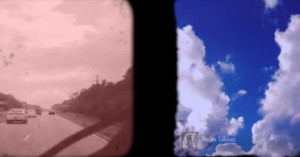
Icelandic post-rock band Sigur Ros has turned to Instagram to create its latest music video, encouraging fans to upload clips that can be melded into an evolving visual interpretation of the song "Stormur."
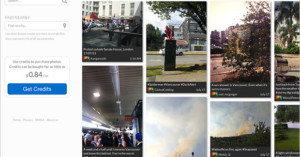
Attention photojournalists: As if times weren't tough enough already, a new startup wants to replace your work with Twitter-based crowdsourcing.
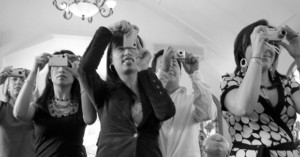
I'm photographing a wedding in a couple of weeks. During one of our meetings, I asked the bride whether she and her fiancé had made a decision regarding their guests being allowed to photograph during the ceremony and reception. She started shaking her head, saying that it hadn't even occurred to her.
I could tell she was getting a little agitated thinking about whether they would offend their guests if they told them they couldn't take pictures. So we talked about the pros and cons of it. They haven't made their decision yet.

Most stock photography websites and agencies work the same way: photographers upload their work, set prices, and let clients browse for what it is they're looking for. If the client wants a photo of a family on the beach, they'd better hope someone came through. And on the other end, the photographer has to hope that they're putting work out there that people will actually want to use.
Advertising creatives Cassandra Nguyen and Grazina Snipas' new website PicoImages does away with that model, replacing it with more of a "stock photography to order" sort of system.
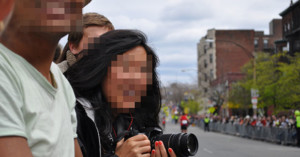
In the aftermath of the tragic Boston Marathon bombing on Monday, investigators are turning to crowdsourced photographs and videos in order to hunt down the perpetrator(s). Authorities are calling for anyone at the marathon that day to send in photographs or videos captured in the area.

A couple of months ago, we spent some time telling you about CrowdOptic, a company that has been pioneering a way to sift through the millions of photos taken every second of every day and separate the "noise" from the "signal" when it comes to finding newsworthy content.
The company's technology takes advantage of the fact that smartphone photographs today come with both GPS and heading data attached, allowing algorithms to determine not only where a photo was taken, but also what it was taken of. And in the video above, former football player Jim Kovach explains the tech in detail at TEDxSiliconAlley in New York City.
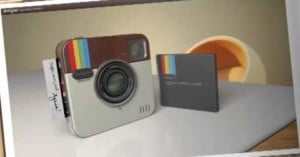
A couple of weeks ago two concepts for a "real-life" Instagram camera rolled across our computer screens -- one fake and funny, one real and kind of cool -- but we were pretty certain that neither of them would become a reality any time soon. It seems, however, that we're being proven wrong by ADR Studio's Antonio De Rosa and the crowdsourcing site Indiegogo.

Star Wars Uncut is a remake of the original Star Wars movie created …
Instagram is changing not just the way photos can be shared, but how …
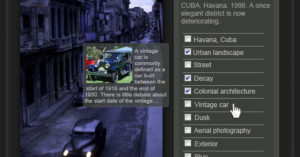
Want to play role in the legendary agency Magnum Photos? Well, now you can as a "Magnum Tagger". The cooperative is having a tough time keeping their large archive of historical photographs organized and easily searchable. Of the 500,000 images they've uploaded to the web, about 200,000 have little or no associated metadata.

Earlier this week the New York Times was lent a mysterious photo album that contained 214 photos of Nazi Germany, including images taken just feet away from Hitler. There was no indication of who the photographer was, so the Lens blog decided to publish some of the photos and crowdsource the task of solving the mystery.
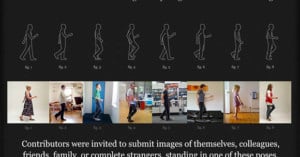
life.turns. is a creative crowd-sourced stop-motion project by photo sharing service Blipfoto. By dividing the motion of a human walking into eight simple frames, they invited contributors to submit photos of people in one of the eight poses. 1025 photos were submitted in 40 days. After putting the submissions in sequence and aligning them, what resulted was a stop-motion video of thousands of people in 21 different countries walking.