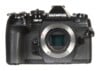
The Olympus OM-D E-M1 Mark III has a smaller sensor than competitors, but makes up for it with strong stabilization, smart built-in features for handheld exposure, and weather protection.

The Olympus OM-D E-M1 Mark III has a smaller sensor than competitors, but makes up for it with strong stabilization, smart built-in features for handheld exposure, and weather protection.
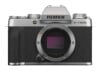
The Fujifilm X-T200 offers ease of use for beginners, along with enough speed and manual control to keep mirrorless camera enthusiasts happy.
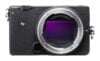
The Sigma fp is the smallest and lightest full-frame mirrorless camera you can buy, but makes functional sacrifices for its form factor.
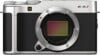
The Fujfiilm X-A7 packs a lot of camera power into a small form factor. We've little bad to say about its image quality—it may not have the latest and greatest sensor, but it holds up, and offers loads of good-looking JPG options, plus Raw capture for more serious photographers.
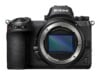
The Z 7 is the best full-frame mirrorless camera for photographers invested in the Nikon system, but some quirks prevent it from attaining class-leading status.
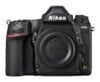
The Nikon D780 is as good an SLR as you'll find, but it doesn't offer some of the advantages you get with mirrorless cameras.
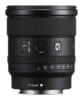
The Sony FE 20mm F1.8 G is a sharp, bright lens with a wide angle of view. It's a top-end performer and a fine addition to your camera kit.
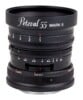
The Lomography New Petzval 55mm f/1.7 MKII is the best version of the lens the company has delivered to date—the very welcome addition of an internal aperture alone is worth choosing it over first two versions, which were offered for SLR systems.
The Lomography New Petzval 55mm f/1.7 MKII is the best version of the lens the company has delivered to date—the very welcome addition of an internal aperture alone is worth choosing it over first two versions, which were offered for SLR systems.
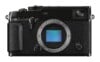
The Fujifilm X-Pro3 is a love letter to rangefinder aficionados, and does the best job (this side of Leica) of making the digital experience feel a bit more like film.
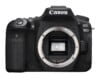
The Canon EOS 90D offers a new sensor with significantly more resolution than its predecessor, but competing mirrorless cameras have an edge in autofocus performance.
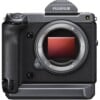
The Fujifilm GFX100 is, bar none, the best medium format camera on the market today, thanks to an advanced autofocus system and in-body stabilization.
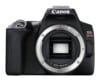
The Canon EOS Rebel SL3 is one the smallest SLRs available, but its autofocus system struggles with fast-moving subjects.
The Nikon Nikkor Z 24-70mm f/2.8 S is an absolutely killer zoom. It delivers exceptional sharpness, even when paired with a demanding, high-resolution image sensor, with little distortion through its zoom range.
The Panasonic Lumix DC-S1 delivers great image quality and includes a high-resolution mode not found in other 24MP models, but it can't keep up when it comes to tracking speed.
The Fujifilm X-T30's dial-based controls are appealing to enthusiasts and pros, and it backs them up with speedy, accurate focus, 4K video, and a strong lens library.
Canon wants to bring full-frame photography to the masses with the affordable EOS RP. It's a solid camera for the price, but Canon needs to release more low-cost RF-mount lenses to pair with it.
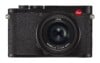
Leica's pricey Q2 camera marries a superb lens to a high-resolution image sensor and puts it all in a travel-friendly, weather-sealed package.
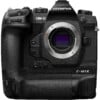
The Olympus OM-D E-M1X camera features a truly rugged, professional build, but its Micro Four Thirds image sensor lags behind the full-frame competition.
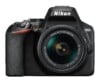
The Nikon D3500 doesn't offer a lot of upgrades, but cements its value as a strong entry-level camera thanks to a lower price point.
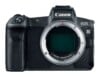
Canon's first full-frame mirrorless camera, the EOS R, offers strong image quality and autofocus, but is held back by its ergonomics and video system.
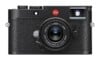
Leica continues its LCD-free rangefinder camera series with the M10-D, which adds a faux film advance lever to completely sell its retro look.
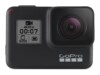
The GoPro Hero7 Black adds stabilization to 4K60 video, and is the lone Hero with live streaming support.
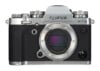
The mirrorless Fujifilm X-T3 camera features the best autofocus tracking system Fuji has delivered to date, but is a bit power hungry and doesn't offer sensor stabilization.