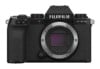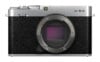
The Fujifilm X-E4's throwback style and dial-based control is sure to please fans of rangefinder cameras and is an especially good match with XF prime lenses.

The Fujifilm X-E4's throwback style and dial-based control is sure to please fans of rangefinder cameras and is an especially good match with XF prime lenses.
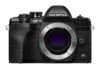
The Olympus OM-D E-M10 Mark IV is a solid starter camera, with support for swappable lenses, a stabilized Micro Four Thirds sensor, and a big lens catalog backing it up.
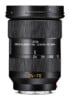
The Leica Vario-Elmarit-SL 24-70mm F2.8 ASPH. captures detailed photos and opens up to F2.8 to blur backgrounds.
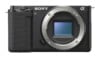
Sony's ZV-E10 camera appeals to vloggers with a quality mic and support for swappable lenses, but is held back by a weak battery and a so-so touch interface.
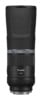
The Canon RF 800mm F11 IS STM delivers extreme telephoto optics at a down-to-earth price, but even with a retractable design it's a big one to carry around.
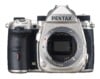
The Pentax K-3 Mark III includes the company's best-yet autofocus system and a sturdy, all-weather build. It's a worthwhile upgrade for devoted Pentax users, but others should look elsewhere.
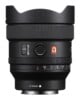
It's more of a niche lens than a wide zoom, but if you're in that niche you'll enjoy excellent performance all around.
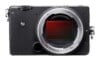
The Sigma fp L pushes the limits of tech with a 60MP full-frame sensor and an extensible design concept, but its electronic shutter readout makes it unsuitable for handheld photography.
The Fujifilm X-S10 puts a proven image sensor into a camera body with a big grip that's better for telephoto lenses, and in-body stabilization for blur-free photos and video.
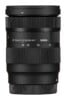
The Sigma 28-70mm F2.8 DG DN Contemporary is an appealing lens for pros and enthusiasts who want to take advantage of the creative possibilities of an F2.8 aperture without carrying a bulky lens.
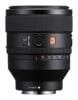
The Sony FE 50mm F1.2 GM is the best standard prime lens available for the system, and the one to get if you use a top-end camera.
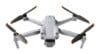
[T]he larger camera sensor and 5.4K recording are worthwhile upgrades for professional photographers and videographers alike, though we think most pilots starting out with a drone will be just as happy with the Mavic Air 2 [...]
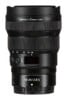
It's a good choice if you'll use it in low light, such as for architectural interiors and astrophotography, but many photographers will be perfectly happy with the Nikkor Z 14-30mm F4 S.
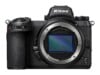
The full-frame mirrorless Nikon Z7 II is a bit faster than its predecessor and supports dual memory cards, both important for pros. Its autofocus isn't quite as futuristic as its rivals, but it undercuts them on price, and its 45MP image sensor is still one of the best around.
Otherwise, the Snapdragon 888 doesn't make a noticeable difference in performance, and the improved network features aren't available yet.
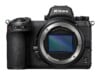
The mirrorless Nikon Z6 II offers small yet tangible updates to its predecessor, but it doesn't match the improvements in autofocus we've seen from competing systems.
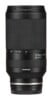
The Tamron 70-300mm F4.5-6.3 Di III RXD is a telephoto lens that costs and weighs less than competitors, with serviceable image quality for a modern optic.
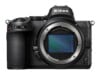
The Nikon Z 5 offers a lot for photographers moving from a Nikon SLR system to mirrorless, even though it omits some of the latest bells and whistles to meet its price point.
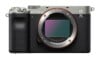
The Sony a7C is a slimmed down, full-frame camera built for travel, but its small size limits its versatility, and some aspects feel a little dated.
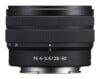
The Sony FE 28-60mm F4-5.6 is the first truly small zoom for a7 full-frame cameras. It delivers crisp images in a compact form factor, but uses a relatively small f-stop to get there.
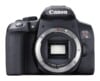
The Canon EOS Rebel T8i SLR offers a few improvements over the T7i, but most family photographers are better off with a mirrorless system in 2020.
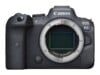
The EOS R6 is Canon's best mirrorless camera, with a stabilized, full-frame image sensor and an outstanding autofocus system, but video-first creatives will want to look elsewhere.
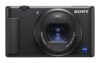
The Sony ZV-1 is the company's first camera built just for vloggers. It gets some things very right—the in-camera mic is better than any other small camera I've used, the 4K video is the best you'll find in a camera this small, and the autofocus is absolutely top-tier.
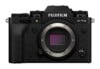
The Fujifilm X-T4 sports class-leading autofocus, a 26MP APS-C sensor, stellar image processing, 4K video, and a stabilized image sensor. Outside of full-frame models, you won't find a better camera.