I can’t quite recommend it to most users, but I can’t truly discourage anyone from getting it either. It does have merits, but it does come with some, for me at least, pretty unfortunate flaws.

I can’t quite recommend it to most users, but I can’t truly discourage anyone from getting it either. It does have merits, but it does come with some, for me at least, pretty unfortunate flaws.
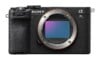
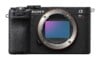
These two compact Sony cameras produce the quality images you can expect. Also, the autofocus works amazingly and offers a lot of possibilities.
These two compact Sony cameras produce the quality images you can expect. Also, the autofocus works amazingly and offers a lot of possibilities.
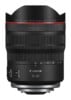
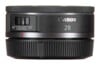
I reckon the RF 10-20L is perfect for the landscape photographer that loves an extreme field of view or the real estate and architectural photographer that works in tight spaces.
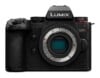
I liked the first Lumix G9, but this second version has improved in a lot of ways.
The camera delivers what you would expect and more and is the perfect workhorse, in my case, for landscapes. It is a robust detail-gathering machine that delivers exceptional-quality images.
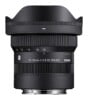
The Sigma 10-18mm f/2.8 DC DN adds another excellent option to their growing line of budget friendly, compact, high-quality lenses.
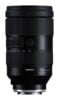
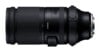
After a week of daily use, the only drawback I found with the Tamron 35-150mm is its weight. [...] But for me, I'll gladly deal with the size and weight if I don't have to swap lenses anymore.
One of the most appealing aspects of this lens is its versatility, catering to a wide range of photographic genres, from street to portrait to landscape.
The lens is ideal for landscape photography and for photographers seeking extra focal distance in their compositions.
I do like this lens a lot. Its image quality is good, even better than what I expected.
It helps with keeping the focal length in the same position or mitigating some front element creeping while being carried on your back.
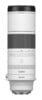
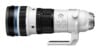
It is a mighty fine collection of glass and technology capable of satisfying many sports and wildlife shooters out there. I wouldn’t even consider myself being a wildlife photographer, but I have to say, I thoroughly enjoyed my time with this lens mounted on the R3.
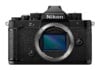
The Nikon Z f is overall a truly great camera. Not only is it beautiful, but it is seriously capable in terms of detail captured, color accuracy, signal-to-noise ratio, and autofocusing performance.
This is the best lens I’ve ever used, and at its price point, I would not have expected anything less. It’s not a cheap lens, but one would not expect it to be.
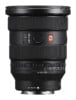
After using this lens for a couple of weeks, a single conclusion emerges: the FE 2.8/16-35 GM II lens is a superb performer. Its reduced size and weight make it a perfect travel companion as well.
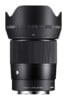
The 23mm creates dynamite images with excellent sharpness, color, and contrast.
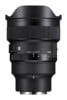
For Milky Way, night sky, even wide field landscapes, the Sigma is really superb. If you do night sky astrophotography or landscape work, it is worth a serious look for Sony or L Mount camera owners, and my hope is Sigma will make versions for other popular cameras.
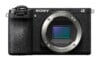
If you’re an a6600 owner and do not plan on shooting video, there really is not a huge reason to upgrade. The a6700 is a big step up from the likes of a6100 or a6400, but it is still being held behind by some features lacking.
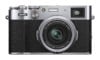
So I classify this as an everyday carry-type camera or even as a great travel camera.
The Sony a6700 isn’t a perfect camera by far, but then again, a perfect camera doesn’t exist. I think the a6700 is worth the investment.
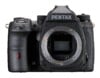
For that niche market interested in the singular features of the K3 III Monochrome, they will surely find a lot to love about the camera and the images it can create.
I’ve got no regrets about buying the camera brand new as soon as it came out.
It truly is a near-perfect camera.