Last month, scientists and photographers all over the world competed in the 52nd annual Nikon Small World Photomicrography Competition, revealing an incredible, often unseen microscopic world. Photomicrography has gone to space thanks to a joint experiment by NASA and Encapsulate Inc.
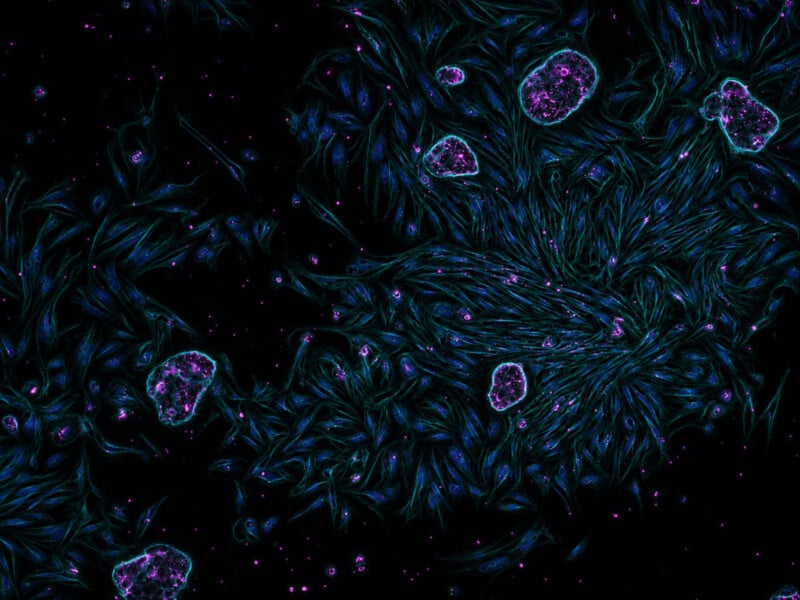
NASA’s newest Image of the Day shows patient-derived gastric tumor samples in extreme microscopic detail, captured as part of the novel Encapsulate-1 scientific study.
The photo, captured last week aboard the International Space Station (ISS), shows cancer cells suspended in microgravity. Scientists at Encapsulate believe that a microgravity-induced model of metastasis may help save early-stage cancer patients and prevent the spread of cancer cells inside the body.
The initiative, developed jointly by Encapsulate Inc., a Connecticut-based medical startup working on biochips, and NASA, received a $3.63 million grant last year through NASA’s In Space Production Applications (InSPA) program. The goal is to better study, understand, and eventually predict cancer cell metastasis in a microgravity environment unique to space.
“This grant represents a bold step forward in how we approach cancer research,” Dr. Armin Rad, CEO and co-founder of Encapsulate, said last year. “We are honored to partner with NASA and explore the unique advantages of space-based research in advancing cancer diagnostics and precision medicine.”
Extensive, highly advanced scientific research has taken place aboard the International Space Station since it launched nearly three decades ago. According to NASA, more than 4,000 experiments have been conducted on the ISS as it orbits roughly 260 miles above Earth.
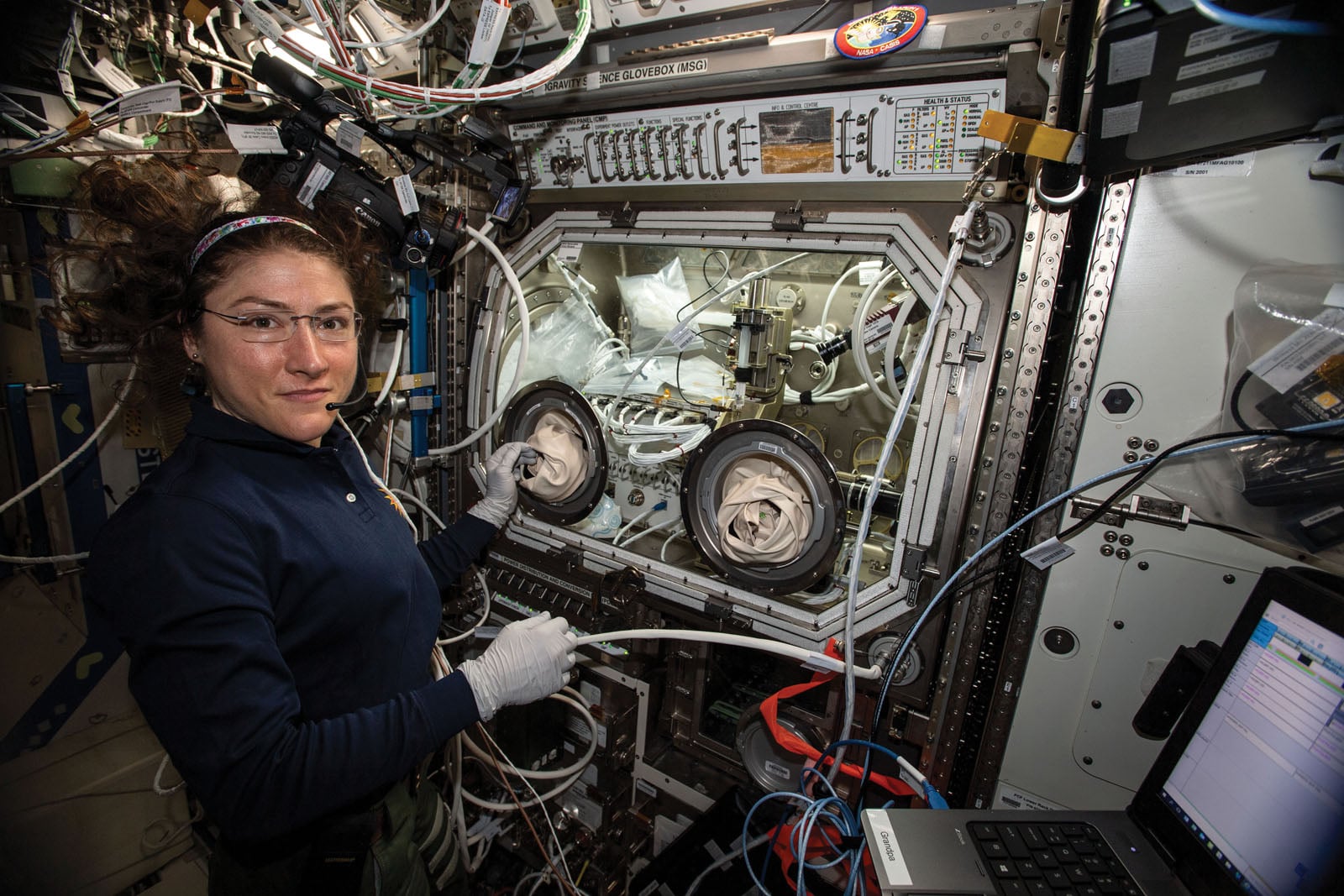
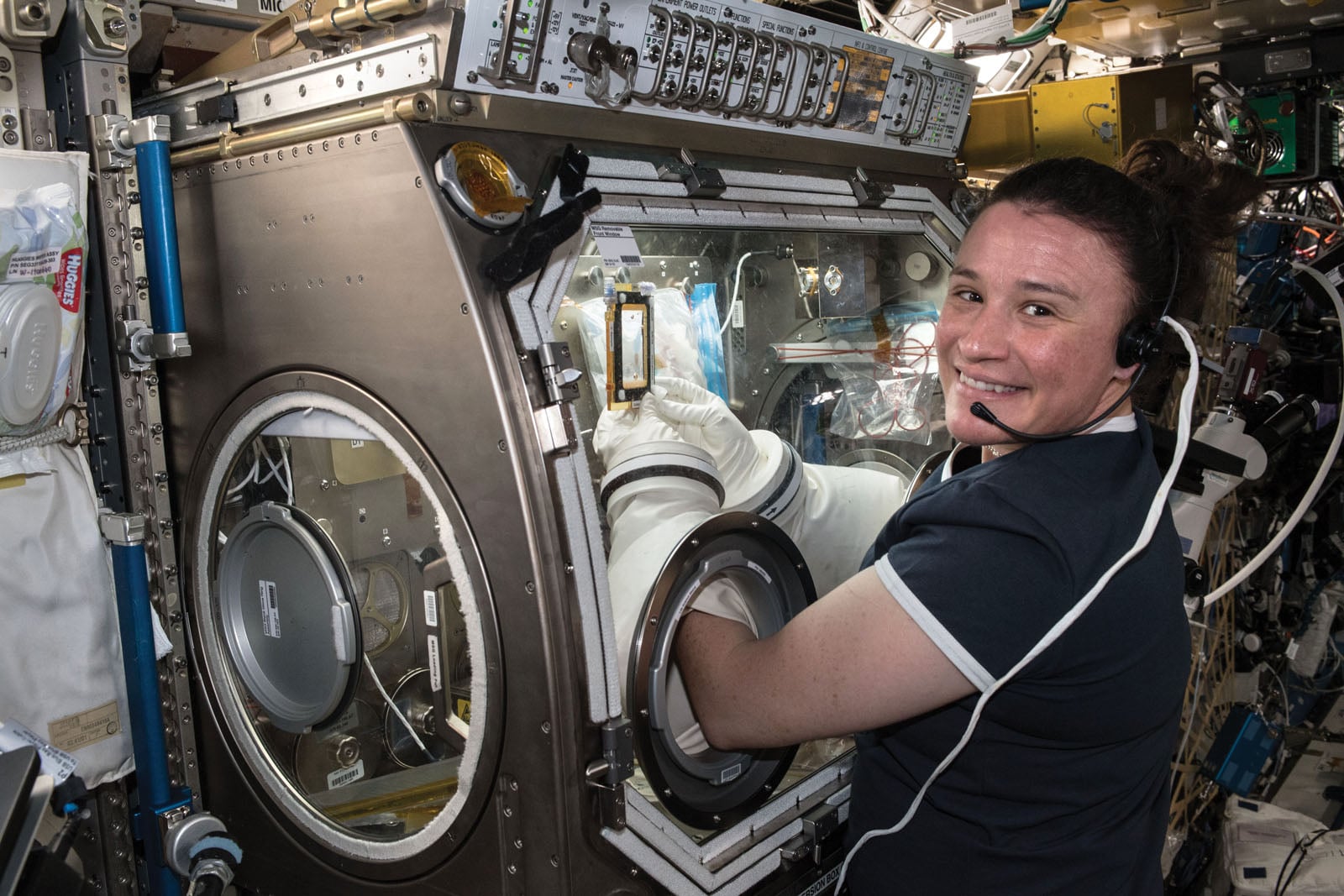
Many biology and biotechnology experiments—including cutting-edge medical studies—have been performed in orbit. For example, NASA astronaut Christina Koch, who went to the Moon aboard the famed Artemis II mission earlier this year, studied amyloid protein aggregations aboard the ISS that scientists believe may cause Alzheimer’s disease. Fellow NASA astronaut Serena Auñón-Chancellor worked on developing more effective cancer treatments as part of a study with Angiex Cancer Therapy.
Medical treatments take a long time to develop, of course, but it’s entirely possible that the cancer cell research underway aboard the ISS could save many lives down the road. Medical science breakthroughs routinely happen in labs on Earth, but sometimes they happen in space.
Image creditsEncapsulate Inc., NASA
Affiliate Disclosure PetaPixel articles may include affiliate links; we may earn a commission if you buy through one.