Bart Simpson Could Have Been the Best Photographer of His Generation
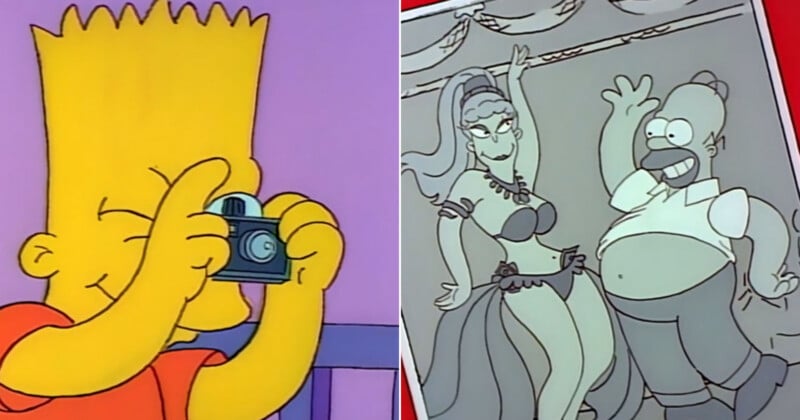
Diane Arbus. Helmut Newton. Bruce Gilden. If the world was just, Bart Simpson would have been counted among them, all legendary photographic talents of the 20th century.
Sadly, unlike Arbus and Newton, Bart Simpson’s photographic career ended nearly as soon as it started, lasting but a single day.
As Dr. Eldon Tyrell from Bladerunner put it, yet another totally real person worthy of legitimate critical analysis: “The light that burns twice as bright burns half as long.” Truer words have rarely been spoken of one Bartholomew Jo-Jo “Bart” Simpson.
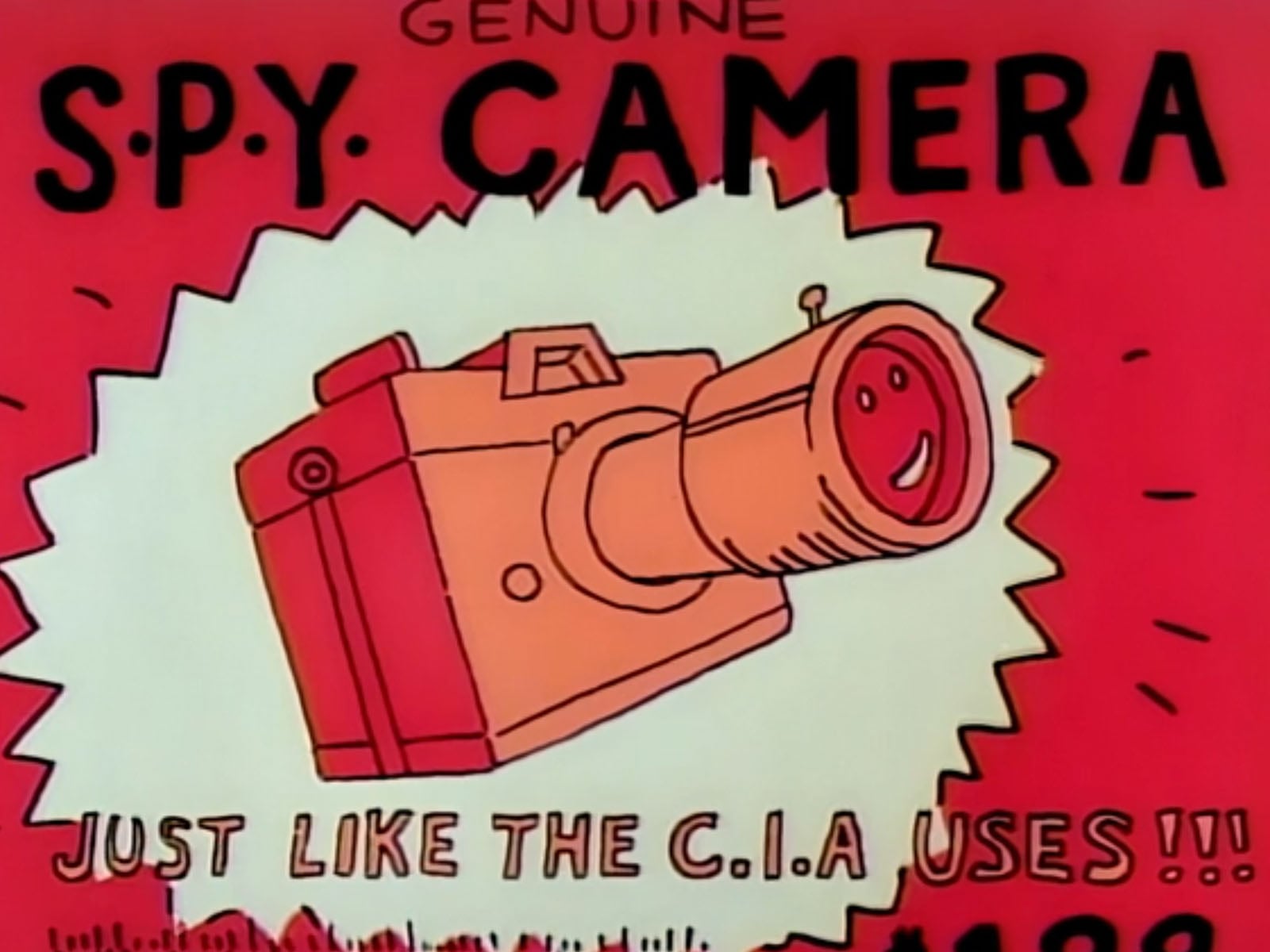
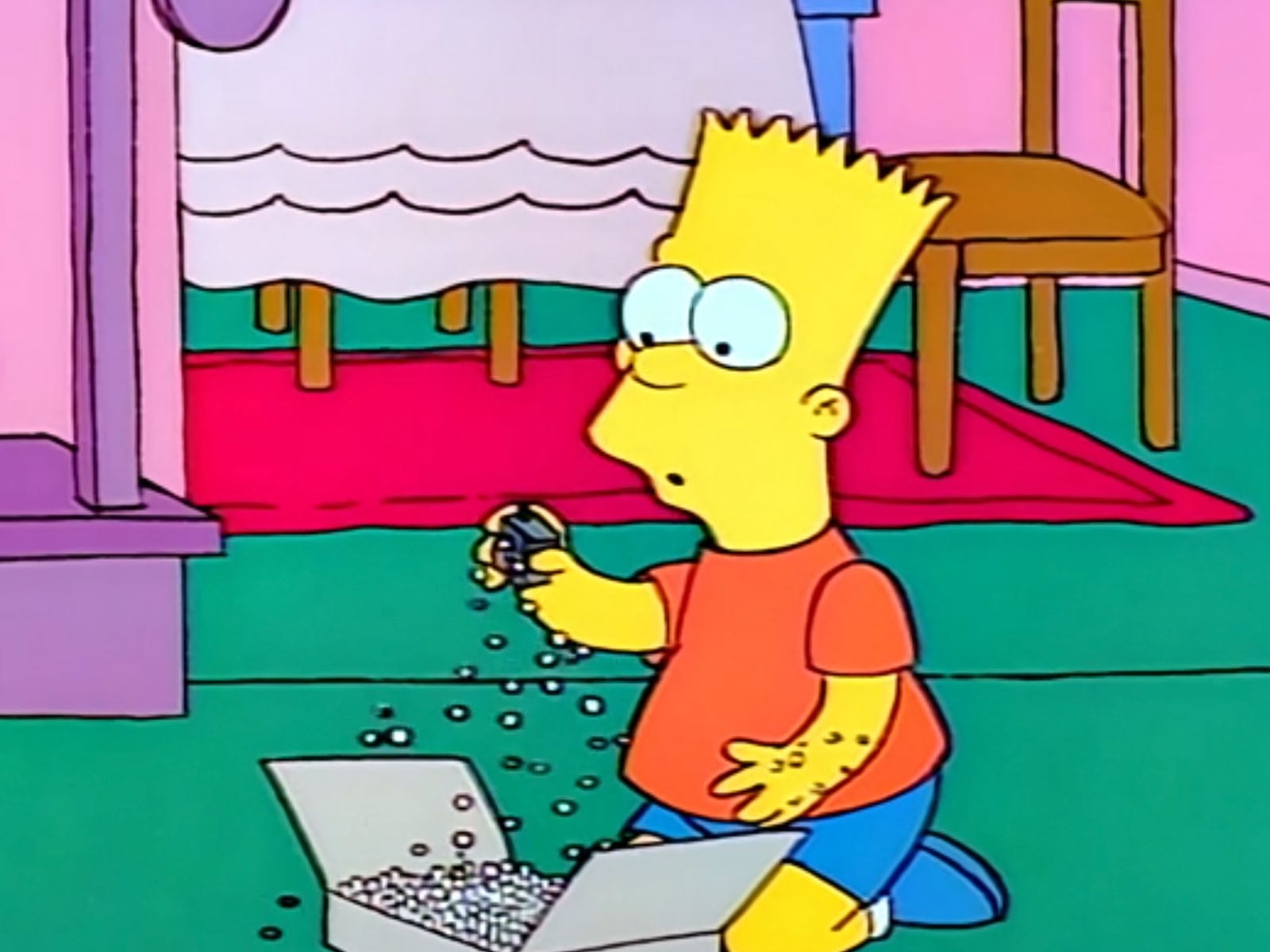
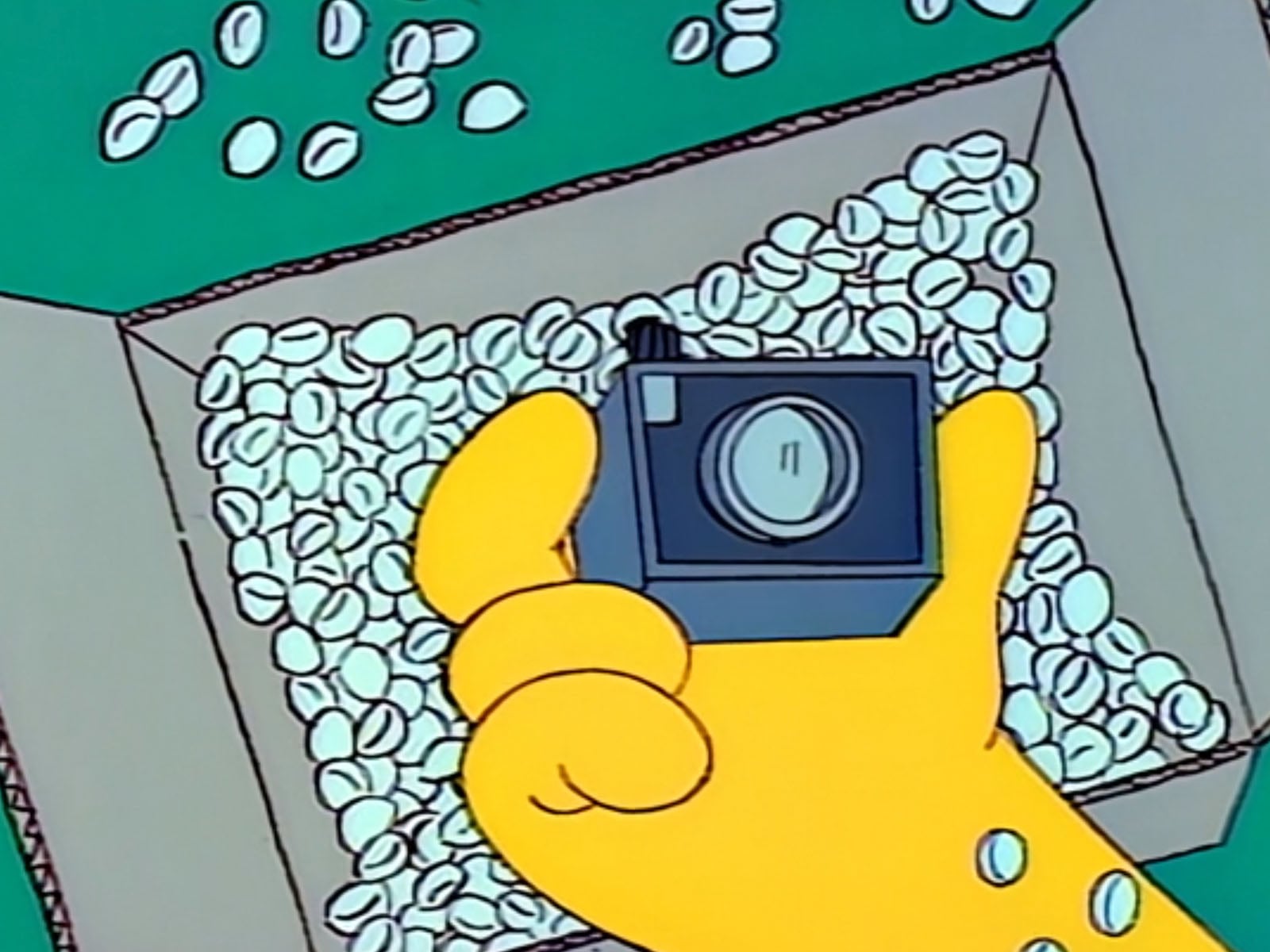
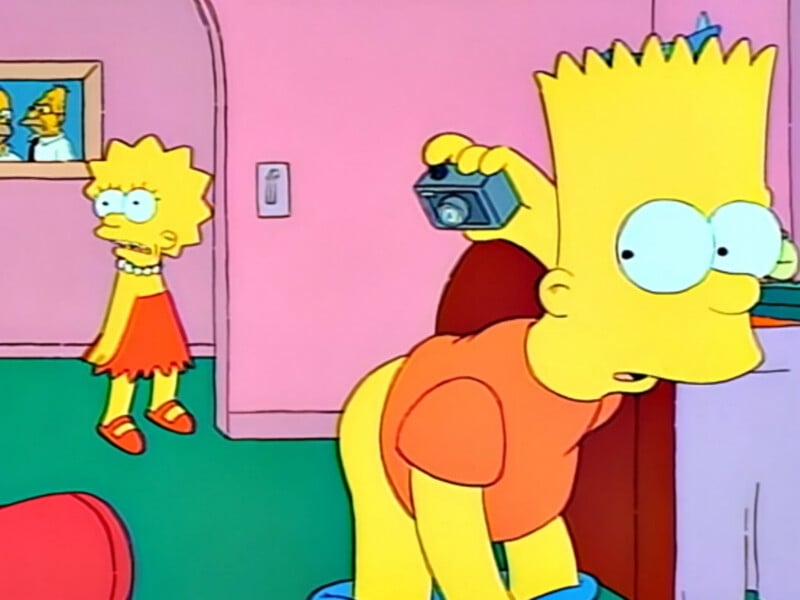
Armed with a dream, $1.99 in coins, and a mail-in flier for a “genuine spy camera,” Bart Simpson’s photographic career got off to an auspicious start. The brilliant artistic mind quickly unwrapped his tiny camera, which clearly takes sub-35mm format film, fired off a test shot, and got to work.
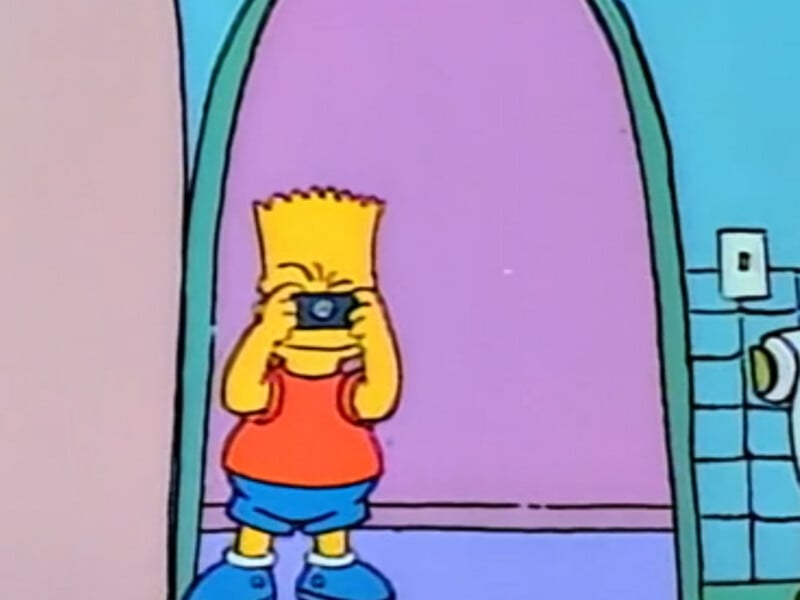
Many photographers require significant training and extensive practice to truly bring their vision to life. Not Bart Simpson. Within minutes, he had fired off two exquisite frames, capturing his subjects at their most vulnerable in stark black and white.
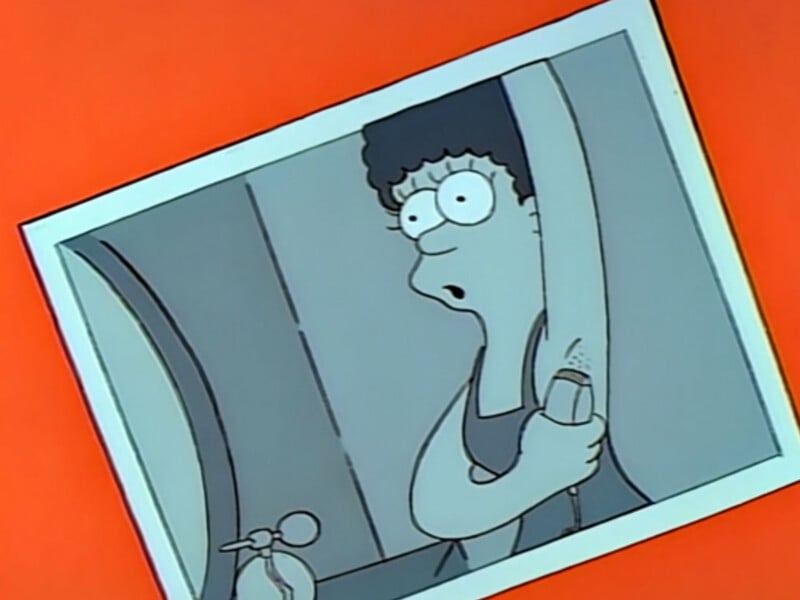
Simpson’s work is like a cross between Sally Mann, whose seminal 1992 series Immediate Family actually arrived after Simpson’s career ended (coincidence?), and Bruce Gilden.
Like many photographers before him, Simpson even turned his camera on himself. Self-portraiture is such a powerful way to flex creative muscles and truly explore oneself.
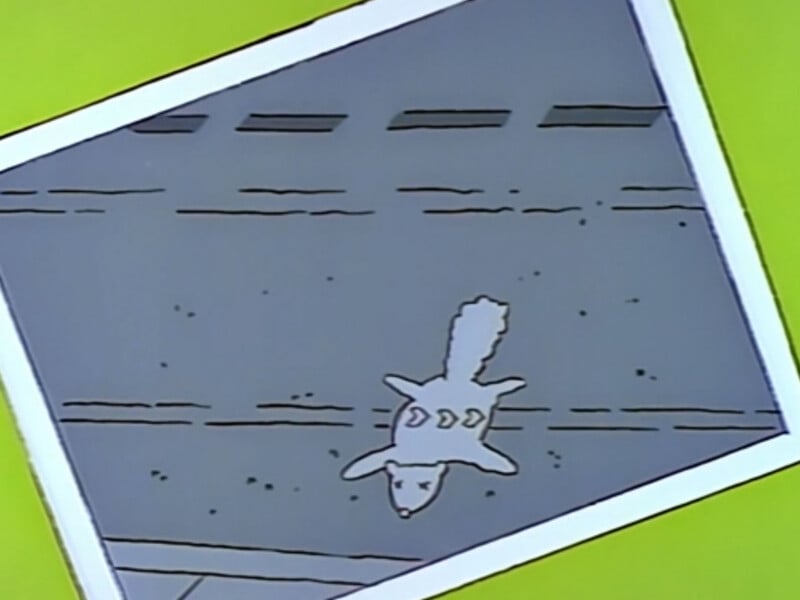
Although Simpson undoubtedly made his most influential photos pointing his camera toward his family, he, like many before him, dabbled in wildlife photography. Powerful. Poignant. The squirrel is like the artist himself, living under the thumb — or tire — of an unseen force, perhaps society itself. A remarkably mature voice from such a young photographer, and on his very first day with a camera, no less.
But that night, during a family dinner at The Rusty Barnacle, Bart Simpson truly made his mark on the art world.
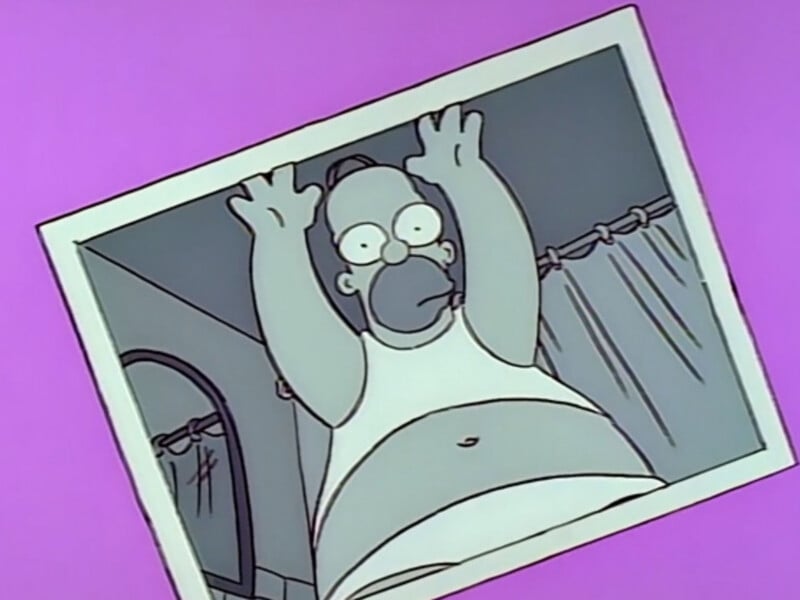
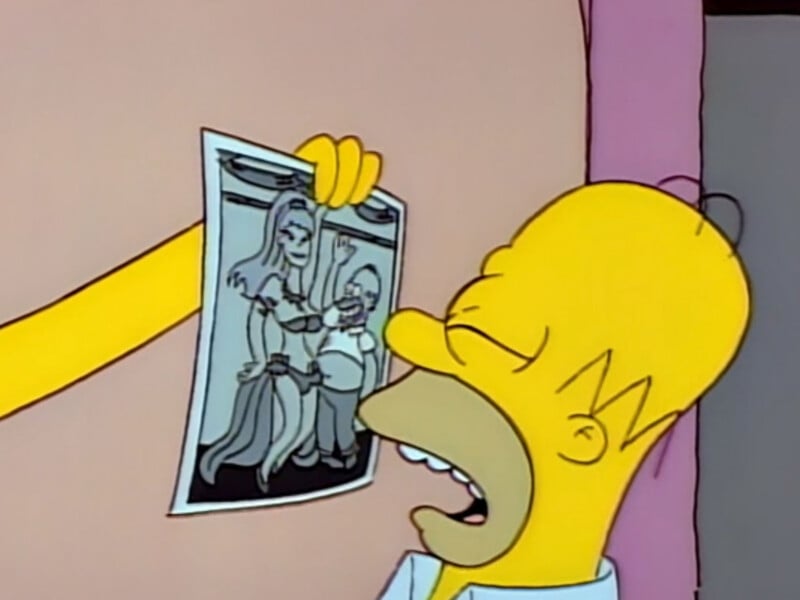
After ducking away from his plate of squid tentacles, Simpson heard a ruckus in a private event area. True artists like him never shy away from danger, and Simpson cracked the door open, revealing a scene of debauchery, drama, and intrigue. Bart Simpson’s father, Homer, was dancing atop a table with a burlesque dancer, Princess Kashmir, dollar bills in hand.
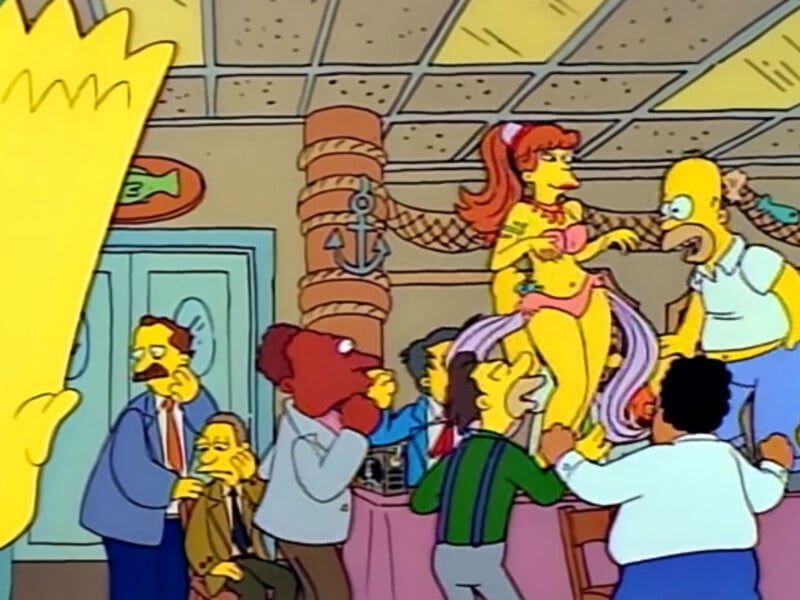
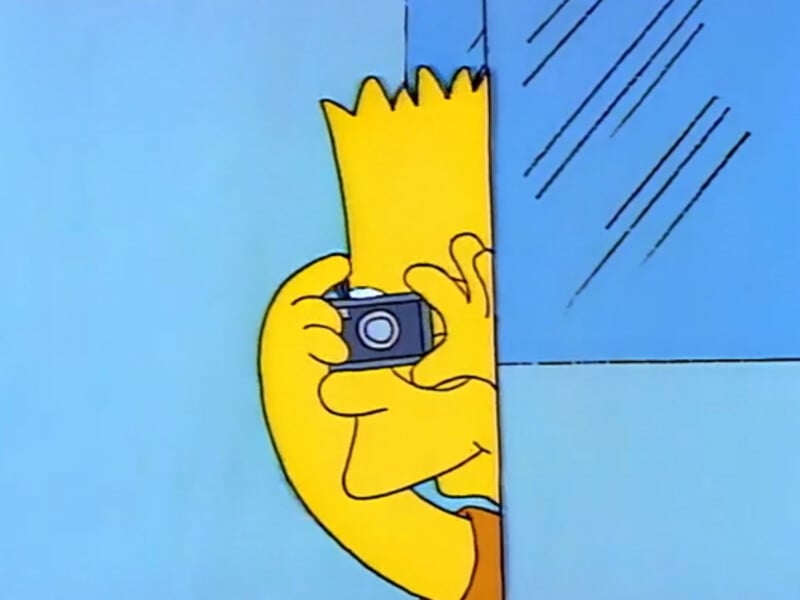
Never one to leave home without a camera, long before the days of cell phones, Simpson whipped out his spy camera and fired off the single frame that would make him famous. Or infamous, depending on who you ask.
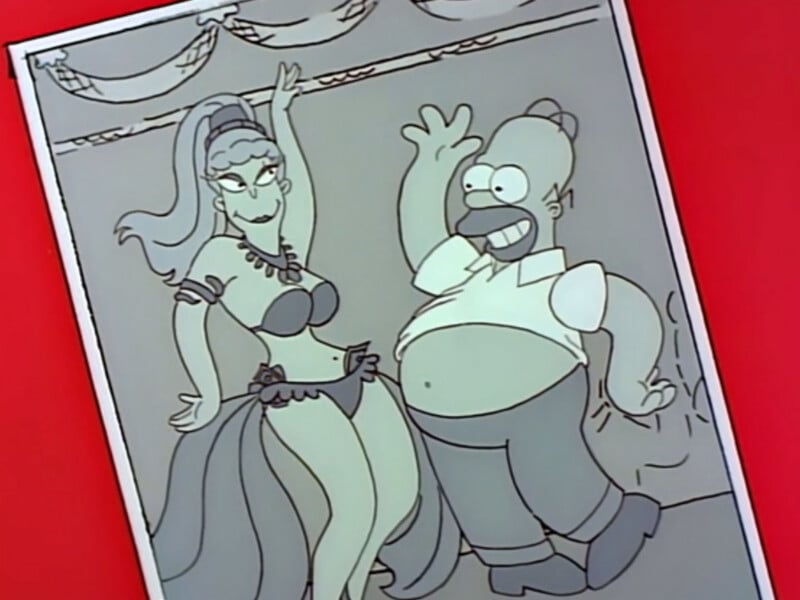
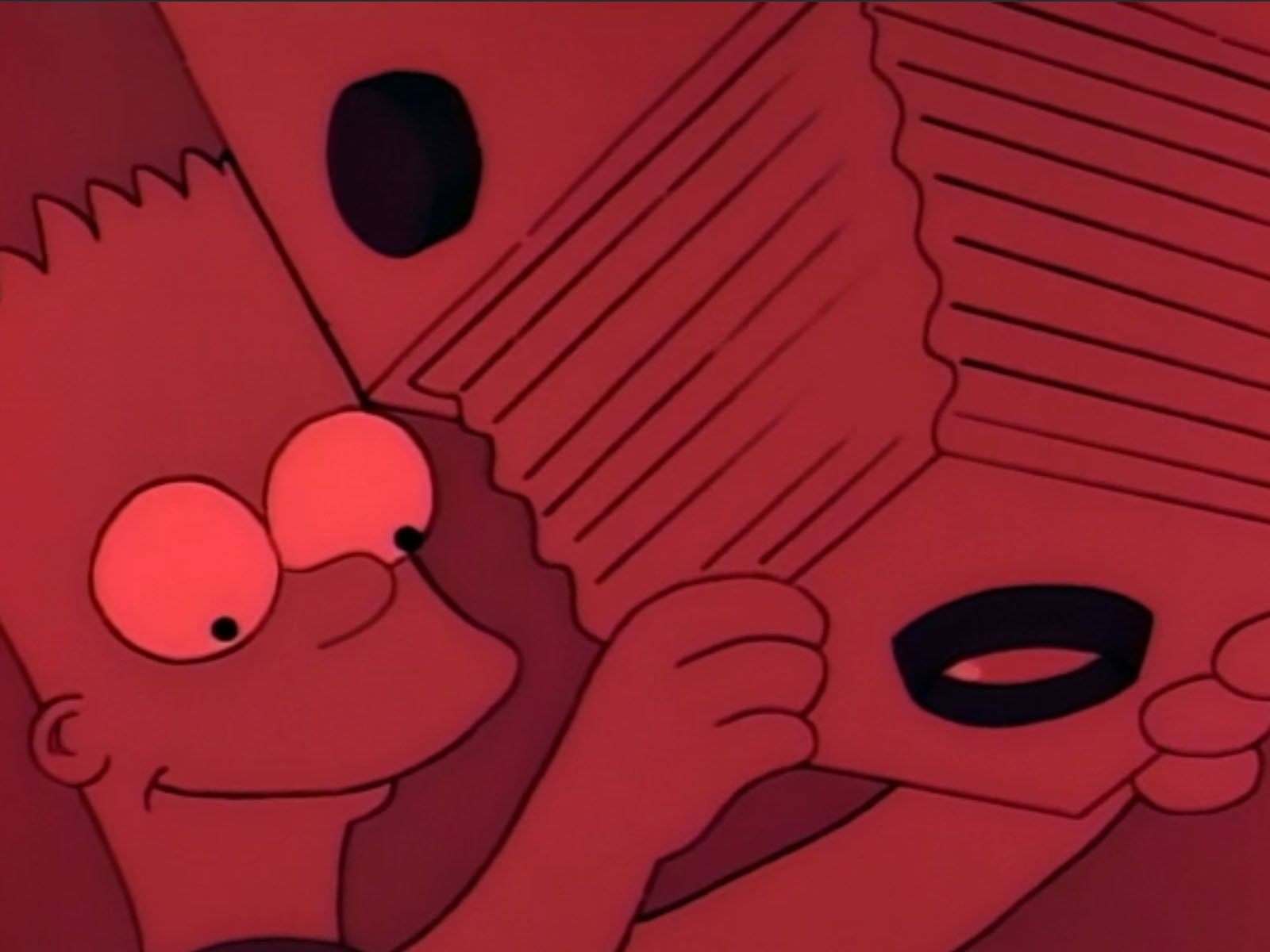
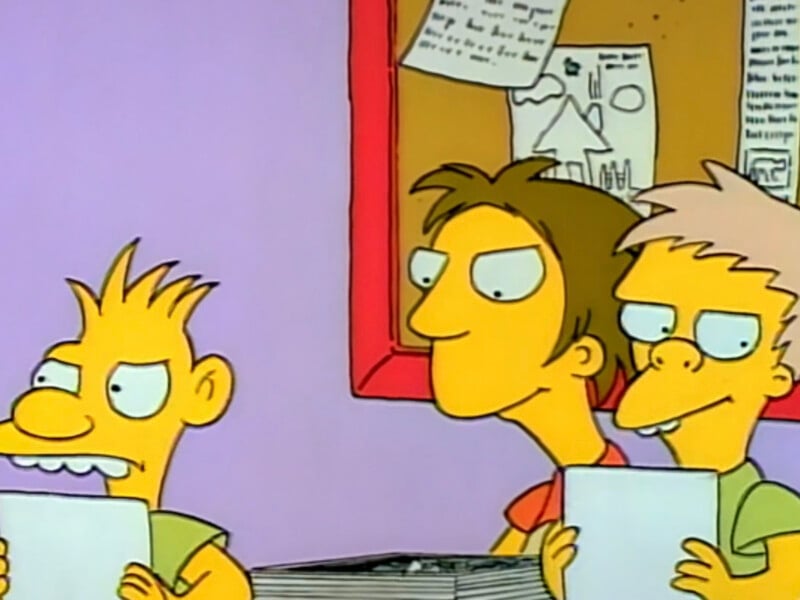
The following day, inside Springfield Elementary’s darkroom — yeah, schools used to have those — Simpson developed and printed his film. His peers in the Future Photographers of America club instantly recognized greatness.
“My goodness, quite exciting,” Martin Prince exclaimed.
“Extremely sensual,” another budding photographer added.
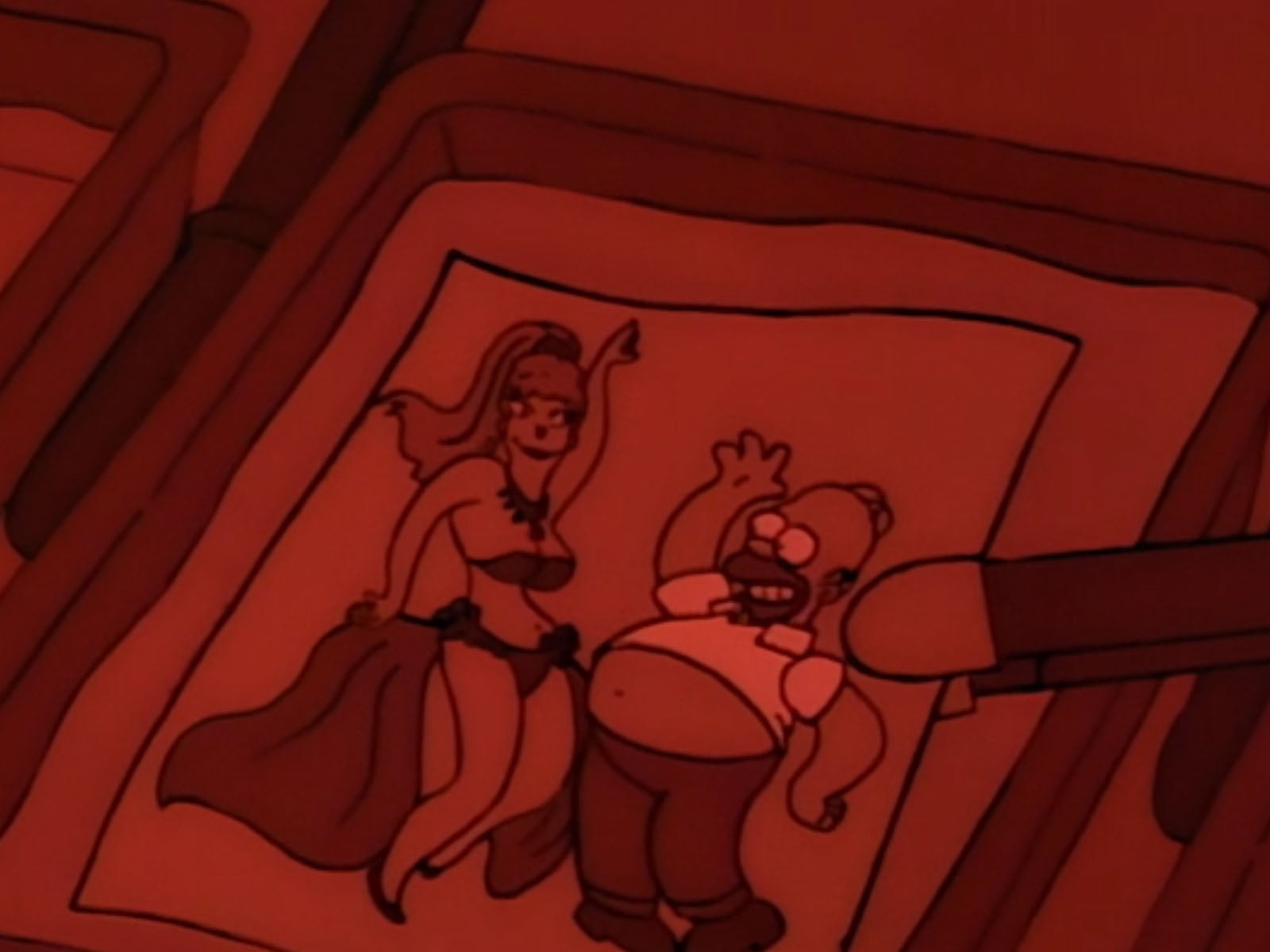
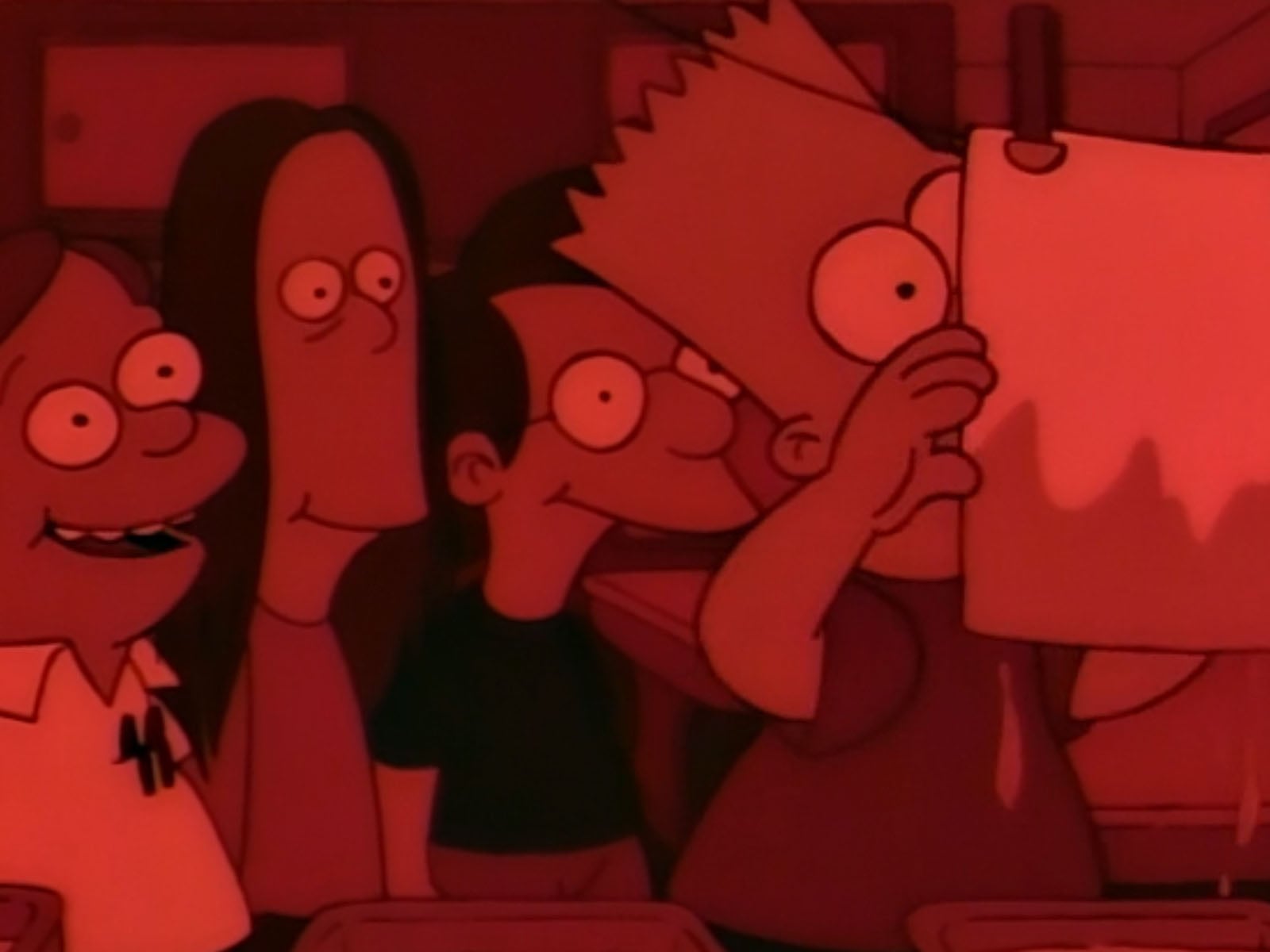
“The subtle gray tones recall the work of Helmut Newton,” said another.
“He brings to mind the later work of Diane Arbus,” a shrewd student remarked.
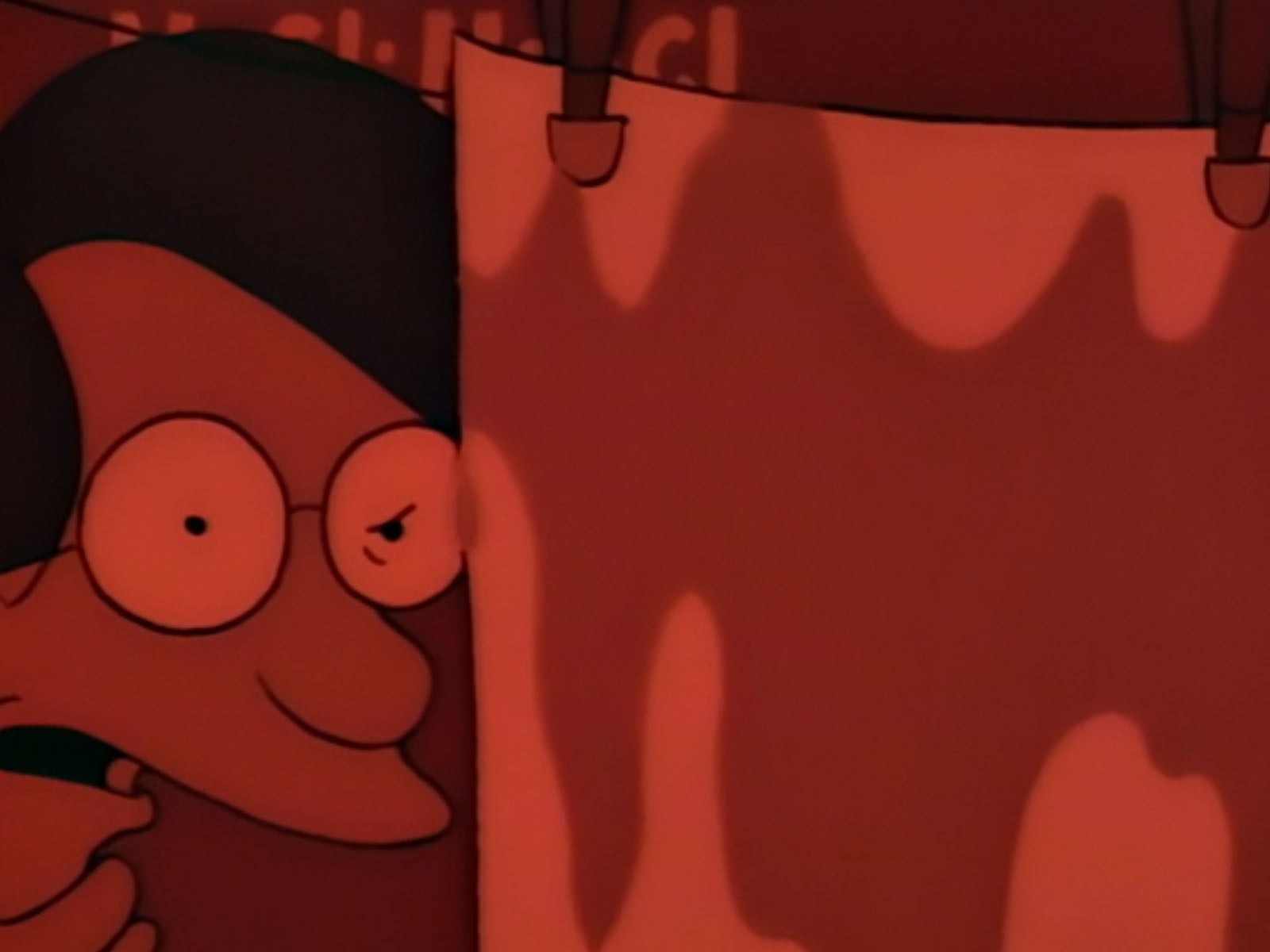
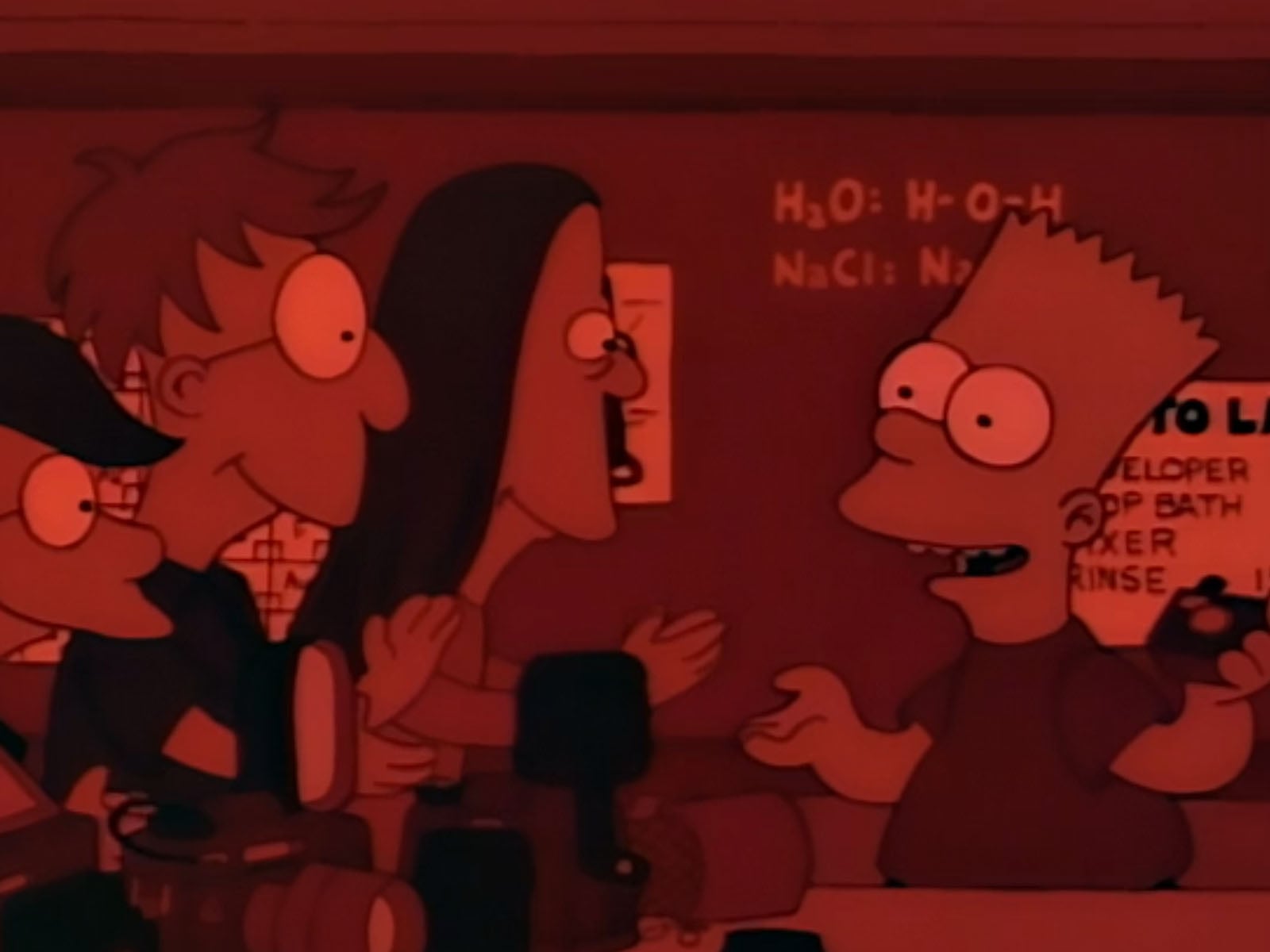
The club instantly wanted a print of his work, but Simpson, knowing his value, declined. At least for about 30 seconds, after which he made a single print for his best friend, Milhouse Van Houten.
Then, long before the concept of internet virality, Bart Simpson, a 10-year-old master photographer, went truly viral in Springfield.
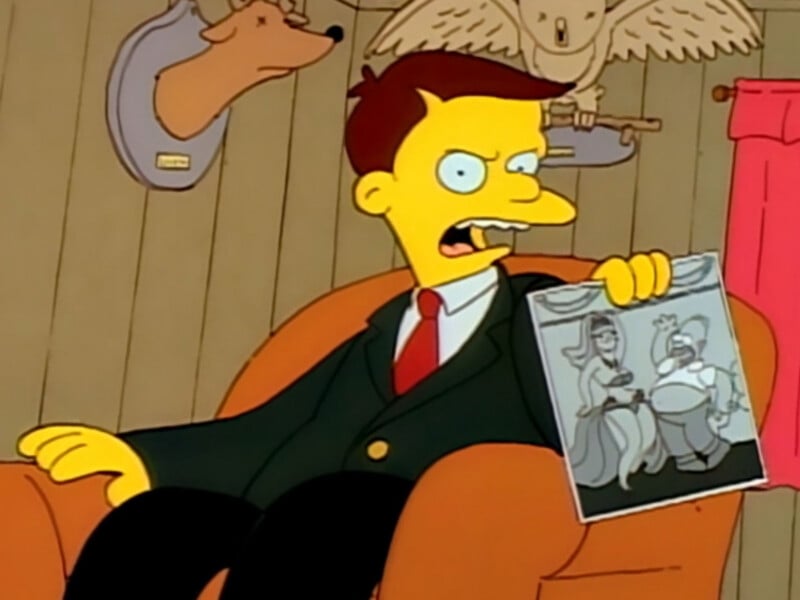
One print quickly became a dozen, then hundreds. Bart Simpson not only lost his ability to monetize his masterpiece, but he quickly got his prized subject, his father, Homer Simpson, into very hot water at home.
Bart’s mother, Marge, saw the photo of her sleazy husband at her jazzercise class and promptly kicked him out of the household.
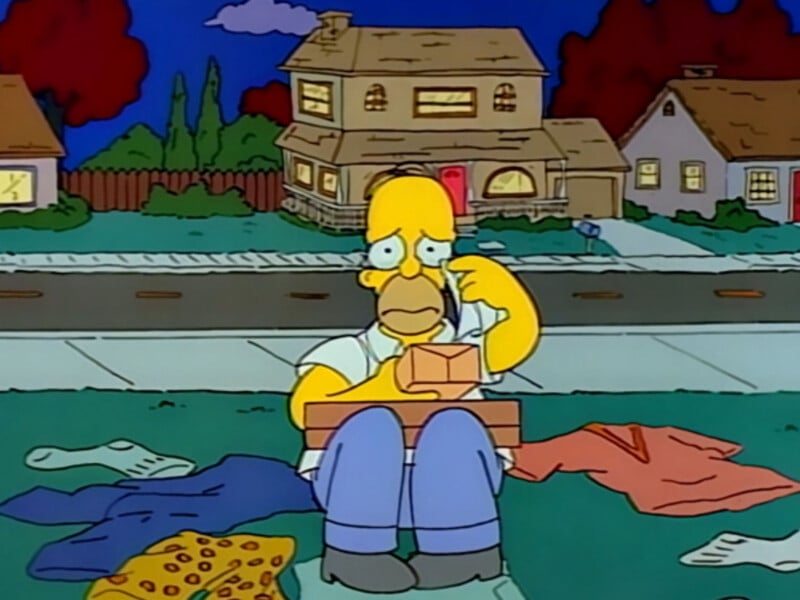
Presumably scarred by the experience and the immense power he had behind the lens, Bart Simpson hung up his camera for good. The world truly lost something that day.
It is impossible to know what type of photographic career Bart Simpson could have had. He was en route to live among the all-time greats. But alas, instead, for just one brief moment, Bart Simpson was the best photographer in Springfield. He used his camera to reveal the seedy underbelly of his family, and for that, he paid a steep price, capped his lens, and pivoted to skateboarding, baseball, and general tomfoolery.