Two Telescopes Team Up To Photograph a Spooky Space Cat
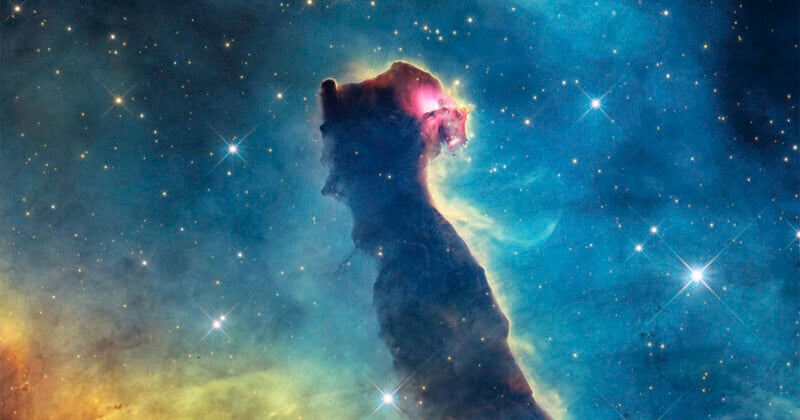
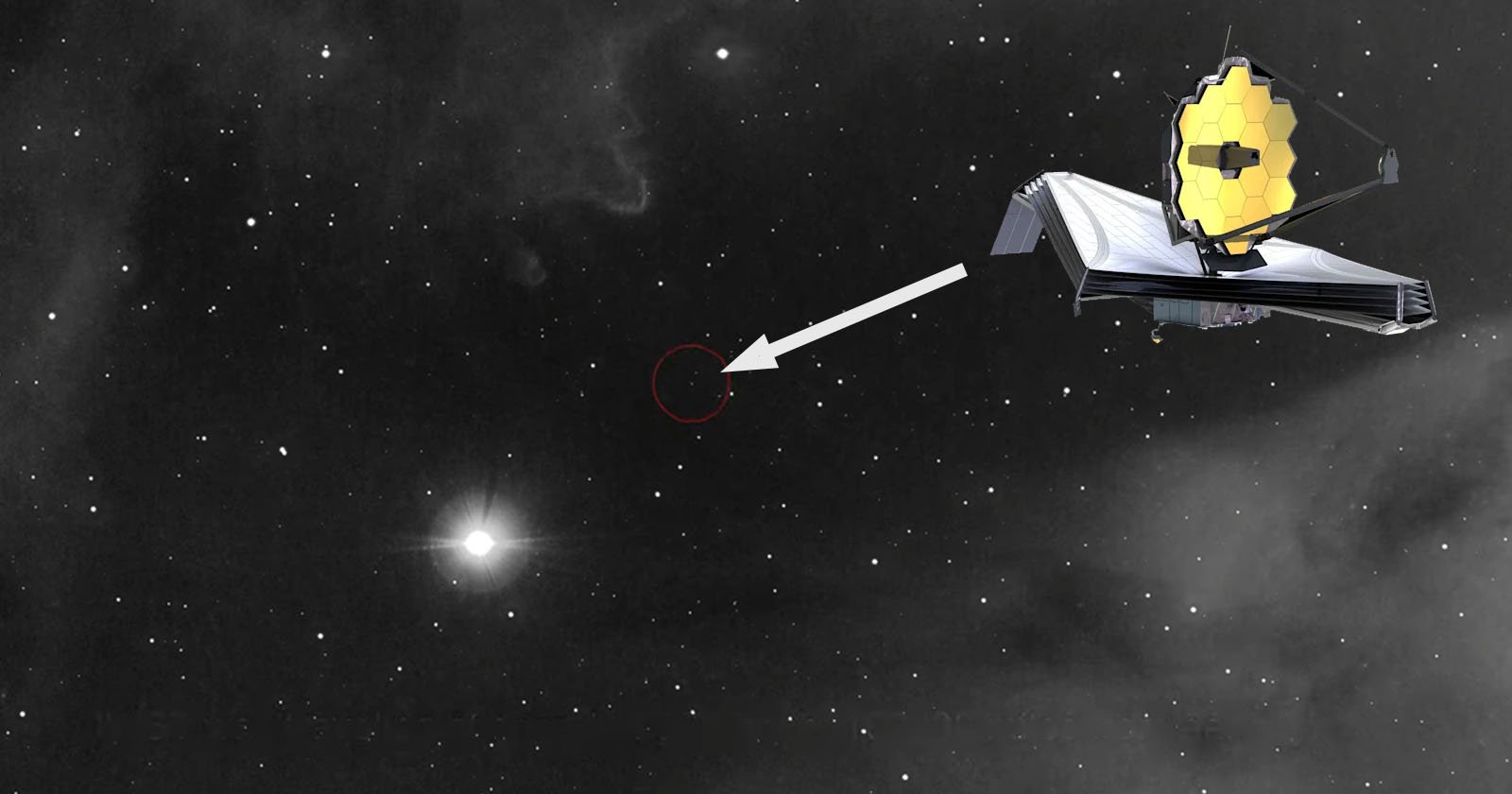
What better way to celebrate Halloween than with a ghostly cat comprised of a nebula? NASA’s James Webb Space Telescope and the Hubble Space Telescope joined forces to capture the Cat’s Head Nebula.
“Like a spectral form rising out of a cold mist, NASA’s Hubble and James Webb Space Telescopes have captured a hauntingly dynamic star-forming scene,” NASA writes.
The Cat’s Head Nebula is located 7,500 light-years from Earth in the Carina Nebula, a popular target for Webb and other space telescopes. The Cat’s Head Nebula, unsurprisingly, got its name because it resembles a cat. Specifically, it looks like a cat sitting with its back to the viewer, with its head turned to the right, glowing eye and all.
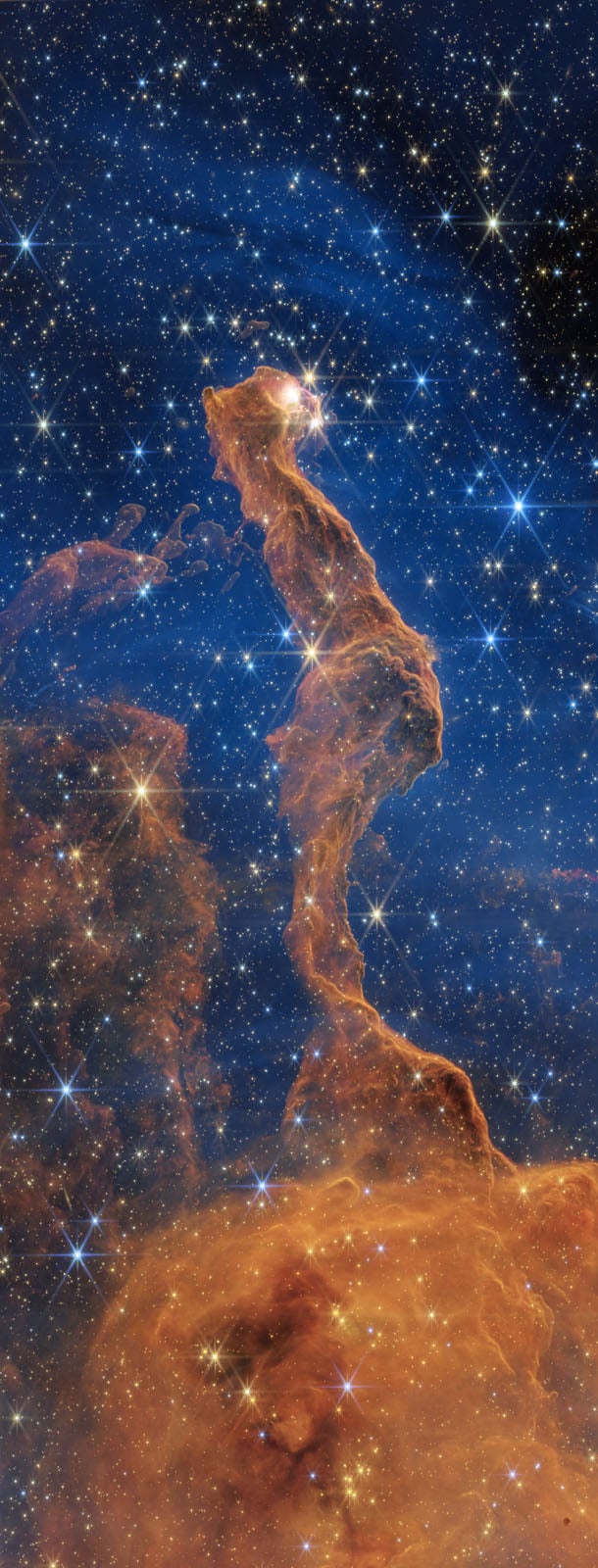
As NASA says, the Cat’s Head Nebula will eventually disperse, with its growing stars changing the region’s complexion. In the meantime, it is fertile ground for studying star formation.
The cat’s head shape specifically was likely formed by the intense ultraviolet radiation and winds emitted by massive stars in the Carina Nebula.
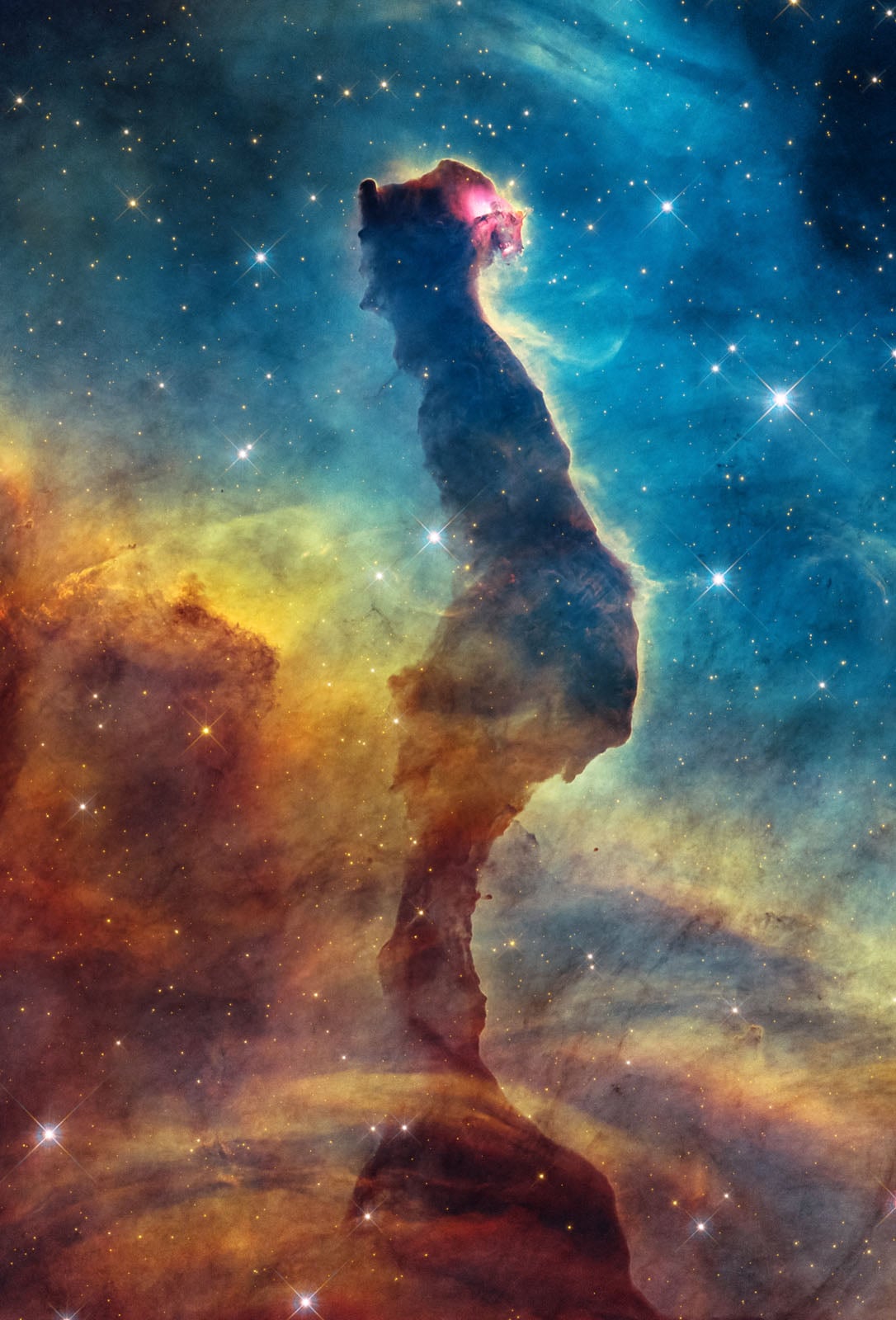
“As this stellar feedback erodes the surrounding gas and dust, denser material within the feline-shaped pillar resists erosion, at least for now,” NASA explains.
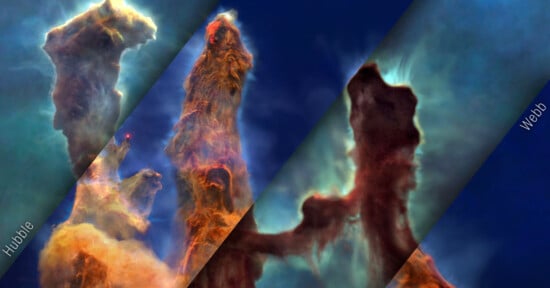
The James Webb Space Telescope and Hubble have different strengths. In this case, Hubble’s visible-light view of the Cat’s Head Nebula shows the opaque cosmic dust that forms the cat’s body.
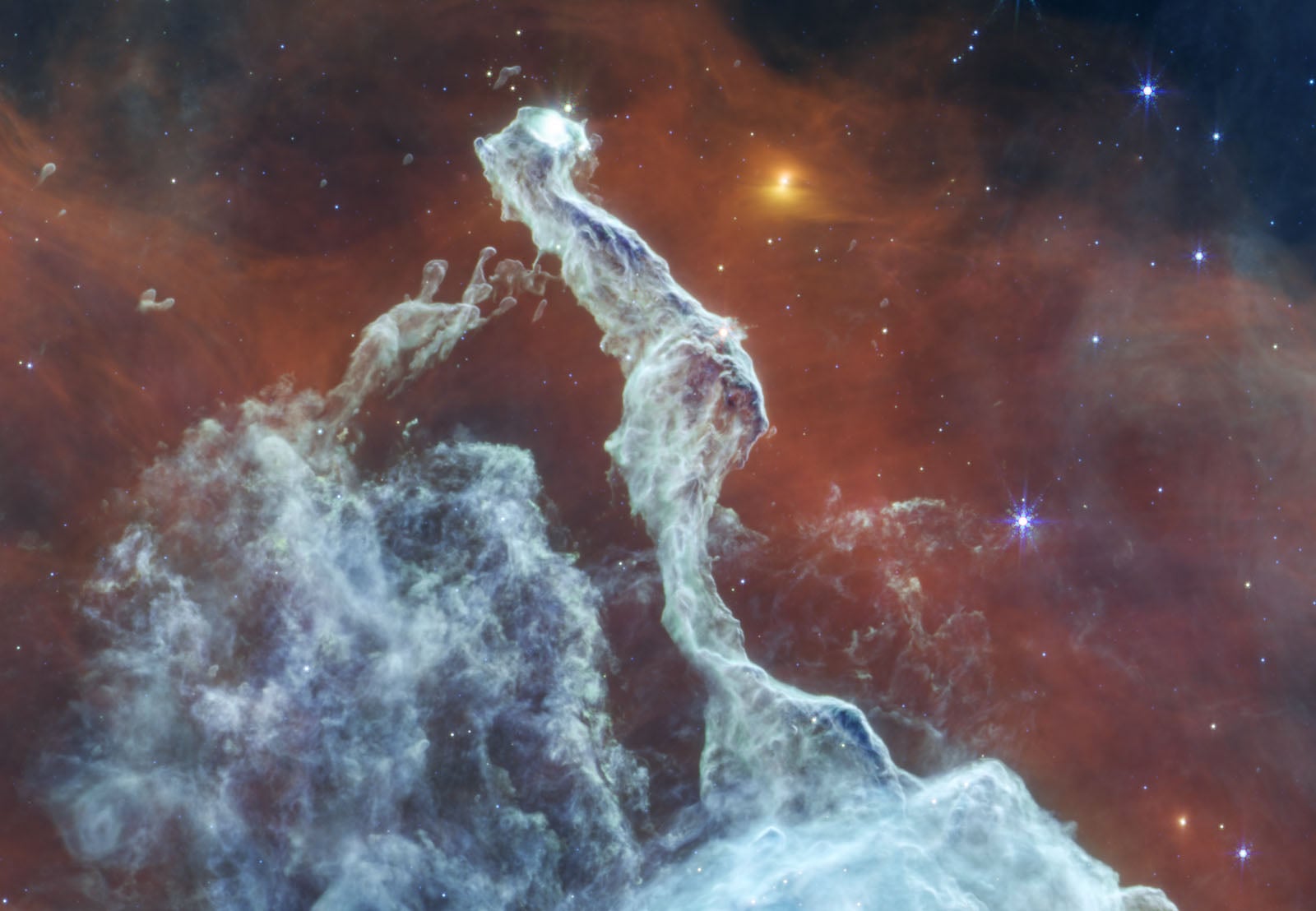
Meanwhile, Webb’s exceptional ability to peer through interstellar dust in mid-infrared and near-infrared wavelengths lets it see beyond the dust. For my money, the spookiest rendition of all comes from Webb’s Mid-InfraRed Instrument (MIRI).
Image creditsNASA, ESA, CSA, STScI; Image Processing: Joseph DePasquale (STScI)
Affiliate Disclosure PetaPixel articles may include affiliate links; we may earn a commission if you buy through one.