Meta Tests Making Instagram and Facebook Open to Full-Screen Vertical Video Feeds

Meta is reportedly testing a change that would make Facebook and Instagram open directly to full-screen vertical video feeds before anything else, as the tech giant continues to chase TikTok’s success.
The tests highlight how far Instagram has moved from its origins as a photo-sharing app, with Meta increasingly positioning short-form video as the default way for users to experience the platform.
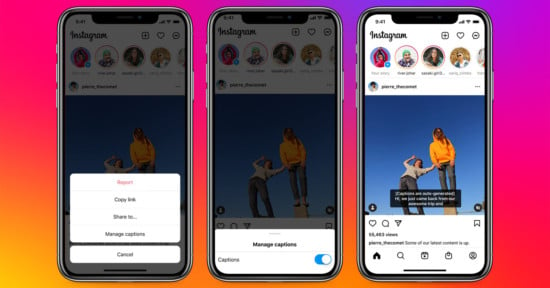
According to a report by The Verge, Radu Oncescu, an app researcher based in Romania, spotted a new Instagram setting that opens the app directly to Reels instead of the usual feed. Instagram Stories still appear at the top of the screen, while swiping up takes users to the traditional feed of posts from accounts they follow. Reels also play with sound on by default.
View on Threads
Meta spokesperson Devi Narasimhan tells The Verge that the test is available in a small number of countries, but did not specify which ones. Users can switch back to the original layout, and Reels will only play with sound after users swipe or tap into a video.
Meanwhile, according to a report by TechCrunch, some users in India and Indonesia are landing directly in a full-screen video feed when they open Facebook. Meta has started testing a new Facebook User Experience (UX) in India that sends some users directly into full-screen video when they open the app so they watch Reels immediately by default.
A Meta spokesperson tells TechCrunch that the test is also taking place in Indonesia. Users included in the test can opt out and return to a Feed-first experience. The classic feed will remain available as a second tab on the Facebook app.
The news outlet reports that the test — which is designed to offer a more immersive, video-forward user experience — was first outlined in July by Facebook head Tom Alison. He says the company will explore bringing the user experience to the U.S. next year.
The move comes as social media platforms increasingly prioritize short-form vertical video. In May, YouTube announced that viewers reportedly watch over two billion hours of YouTube Shorts — the platform’s vertical clips that are up to three minutes long — on televisions each month. Meanwhile, Netflix is also preparing to shift its smartphone experience to center on vertical video and short-form content, as it adapts to viewing habits increasingly shaped by other social platforms.
Despite this, a recent study revealed that U.K. social media users are less active due to the dominance of short-form video on the most popular platforms — in a trend that’s likely reflected across the Western world.
Image creditsHeader photo licensed via Depositphotos.
Affiliate Disclosure PetaPixel articles may include affiliate links; we may earn a commission if you buy through one.