Fujifilm Instax Wide Film Review: There Is a Reason Instant Film is Thriving

Amazingly enough, not only is instant film not dead, it is actually thriving. That is in large part due to the popularity of the Fujifilm Instax films, so it is time for us to give one of those films the Film Friday treatment.
Fujifilm Instax Wide cameras and film were first introduced in 1999, a year after the company first launched the Instax Mini. Fujifilm had an arrangement of sorts with Polaroid, and based their Instax films off of Polaroid’s SX-70 films. But Fujifilm went about it a little differently. Instax films expose through the back of the film, meaning the cameras don’t need bulky mirrors to reverse the images. Additionally, Fujifilm opted to include both the pressure plate and batteries in the camera as opposed to the film cartridge, making those film cartridges significantly less expensive. By 2015, after a somewhat slow start, Fujifilm Instax cameras were outselling Fujifilm digital cameras and had seen a global surge in popularity, mostly driven by the Mini but still including the Fujifilm Instax Wide.
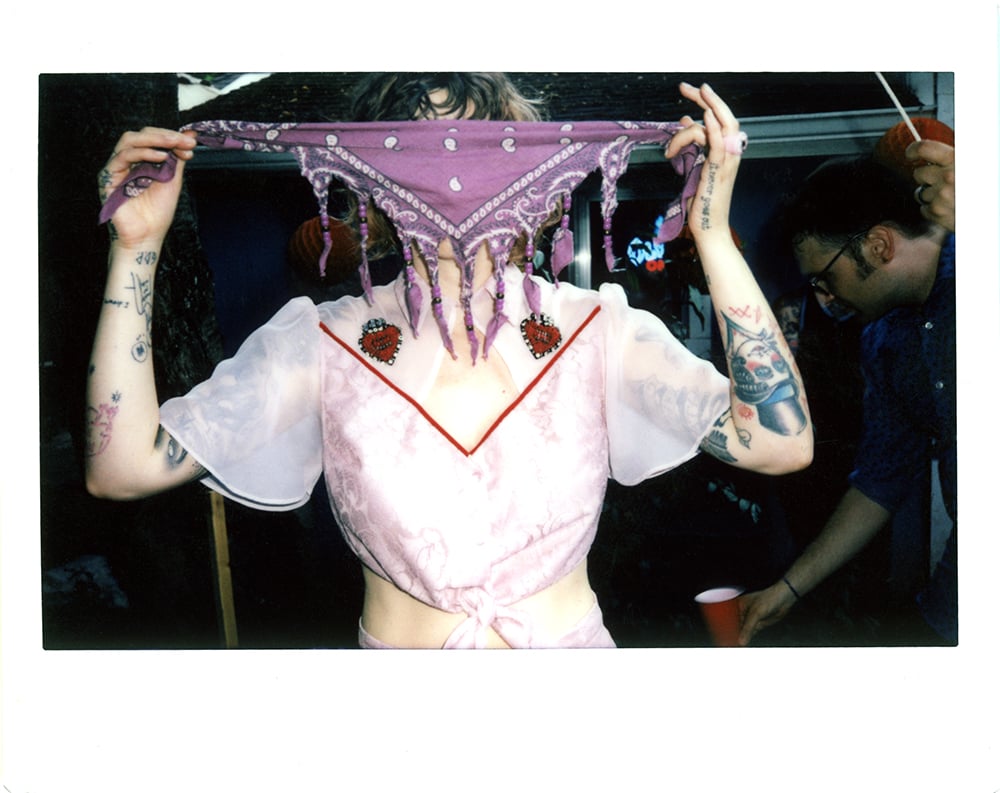


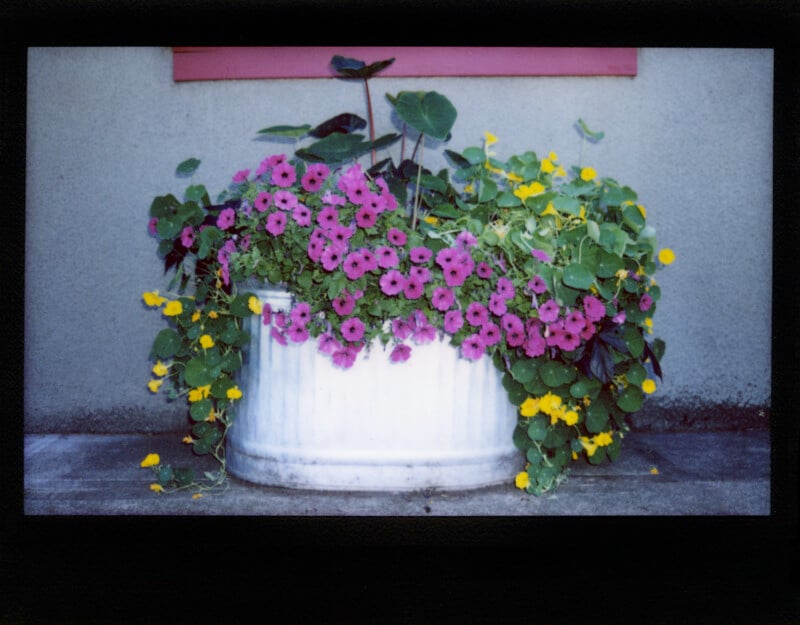
But why is it so popular? There are a few reasons that Instax film and cameras have caught on. The biggest is the image quality. Instax film performs incredibly well and very consistently. Instax images are bright, saturated, and crisp. And they produce these results with every shot. Early on, Instax’s only real competitor was the Impossible Project film which was known for having muted, washed-out colors and for being incredibly finicky and not always producing great images. With Instax film you never have such concerns.
Fujifilm Instax film is an ISO 800 film, so it is nice and fast. The cameras include flashes but the film’s high speed gives it great versatility, making it akin to the Polaroid 600 series of film and cameras. Instax really is a carry-everywhere, go-anywhere type of film. You can use it for candid portraits, landscapes, street scenes, indoors, outdoors, weddings, bar mitzvahs, you name it. Furthermore, it has about a five minute developing time, which is pretty dang fast as far as instant films go. A million different chemical reactions occur right there in your hand as you watch that freshly exposed Instax image develop.
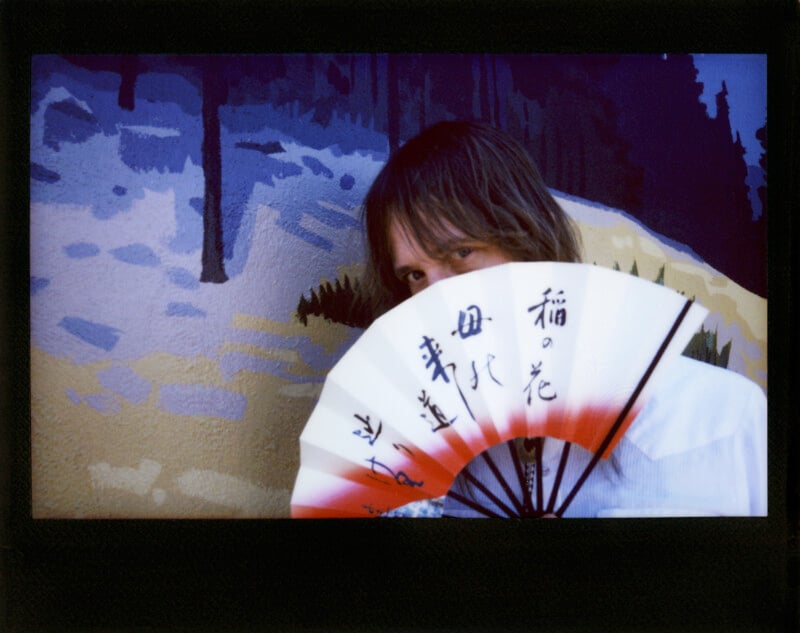
Many of our staff own and use Instax cameras and it seems like the majority of them use the Wide over the Mini or Square. This popularity seems to be based on the size of the Instax Wide image, which is a pleasing 3.9in by 2.4in image surrounded by a white border (the aspect ratio is designed to emulate the golden ratio). While Instax Mini users prefer the size of that camera, most Instax enthusiasts agree that they like the size of the actual Instax Wide film the best.
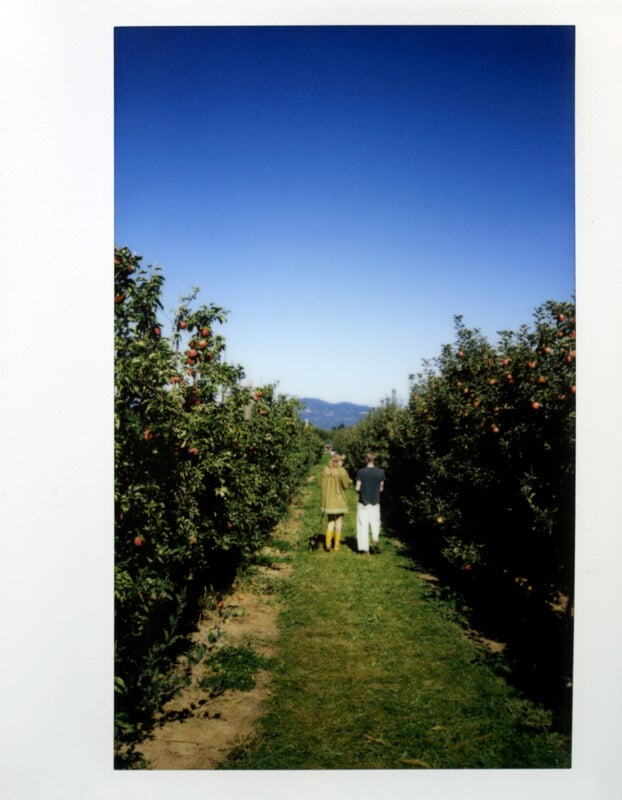
Speaking of the cameras, it is worth mentioning a few things on this point as well. Instax Wide cameras have gone through multiple revisions, generally with a new version coming every other year or so. Notably though the core functionality of the Instax Wide camera has not really changed much at all over those many updates. The Instax Wide camera is designed around the notion of simplicity. Much like the Polaroid OneStep of yore, Instax Wide cameras require little input. They are meant to be point and shot, with your attention and enthusiasm easily moving from framing your subject to watching your film develop. The beauty in this is that it makes the Instax camera the type of camera that literally anyone can pick up and use, whether they have years of photographic experience or none at all.
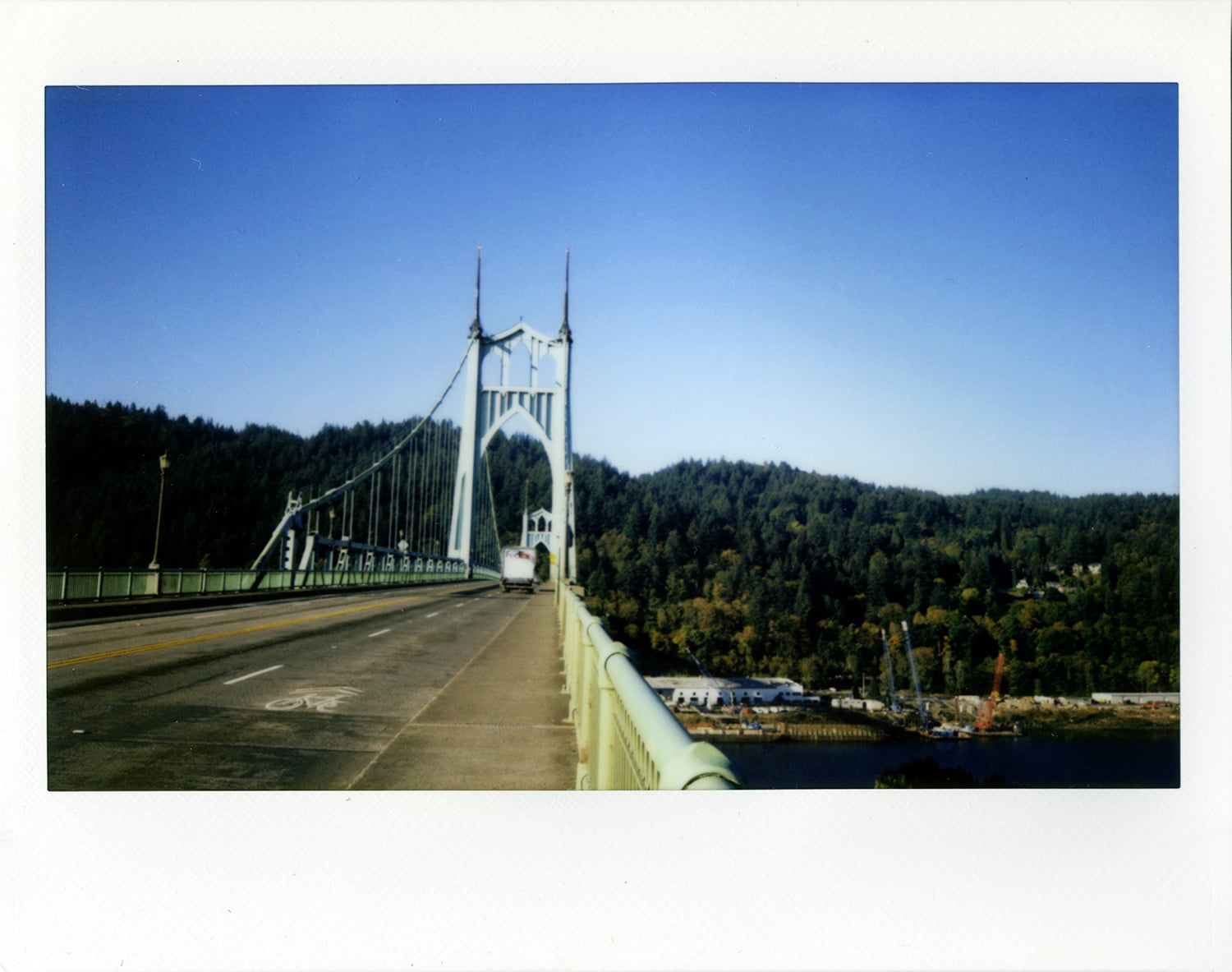

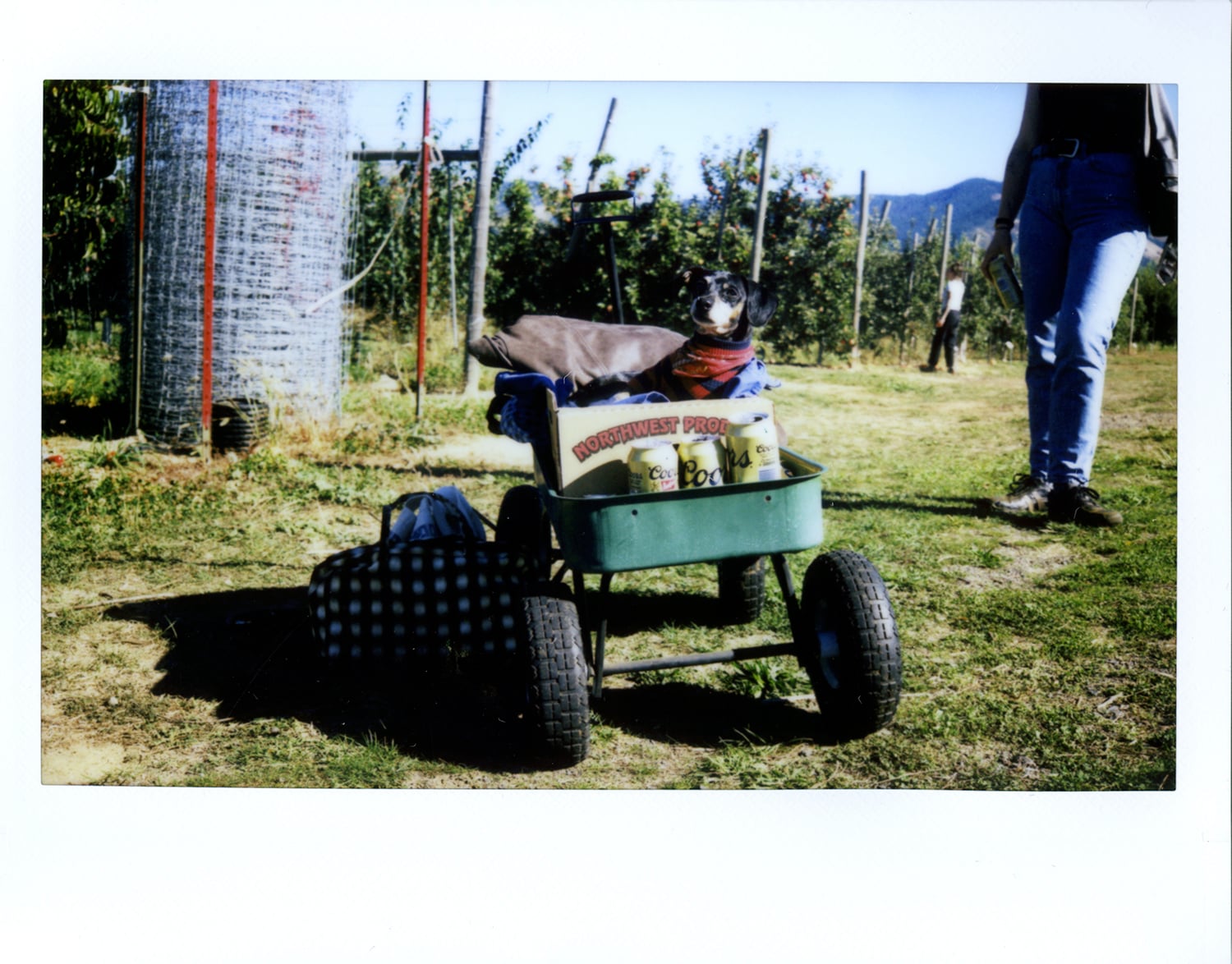
It is an incredibly accessible means of making photographs, especially given the rapid self-developing nature of those photos. For photographers who want to exert a little more creative control Lomography offers a selection of cameras that allow modest exposure control, or creative functions such as multiple exposure or bulb mode. And Fujifilm has taken this a step farther in the past few years by introducing Instax printers that can sync with your smartphone or digital camera and print your digital photos out as Instax images. While the popularity of Instax photography is largely rooted in the film itself, the support of technology like this has definitely helped as well.


That is mostly all we have to say about Fujifilm Instax. It may not seem as much as some of the other films we have featured but don’t let that fool you. Instax Wide film is a great fun and in terms of saturation and “pop”, really delivers. Both the cameras and film are economical as well, so it is a very viable system to get into and work with regularly. Plus you get the benefit of producing a unique original with every shot.
If you stop by our site today, or pay our Portland, Oregon shop a visit, we will have Fujifilm Instax Wide film (just the color version, not the monochrome; that is a separate Film Friday) on sale all day! Come by and get some!
This story is brought to you by Blue Moon Camera and Machine in Portland, OR. Blue Moon offers film, development services, printing, and even an ever-rotating line of film cameras and lenses. PetaPixel Members receive 10% off all lab services with Blue Moon: Join today!
Image creditsAll photos are individually credited and provided courtesy of Blue Moon Camera and Machine.
Affiliate Disclosure PetaPixel articles may include affiliate links; we may earn a commission if you buy through one.