Meta Launches Cheaper Smart Glasses Without Ray-Ban, Starting at $299
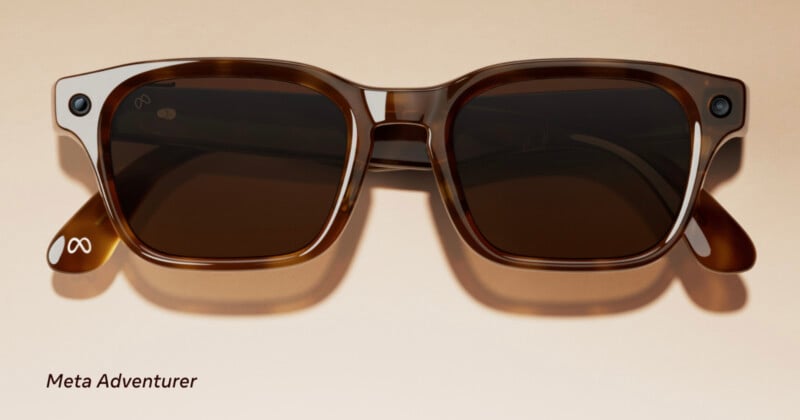
Meta announced a new line of AI smart glasses, designed in-house without Ray-Ban, starting at a lower price of $299.
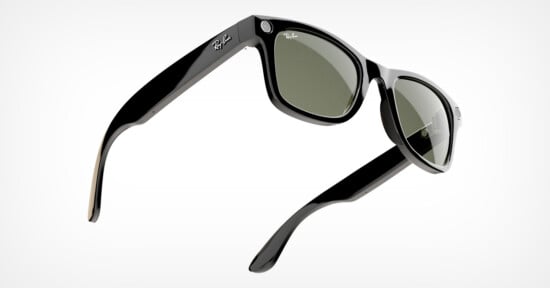
On Tuesday, Meta unveiled what it calls the Meta Adventurer and Fury glasses. The new smart glasses, which will be sold under Meta’s own brand, will cost $80 less than the second-generation Ray-Ban Meta Wayfarer model announced last year.
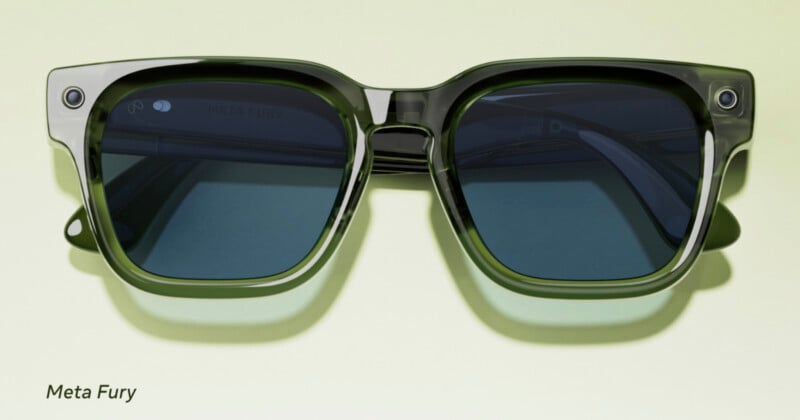
The Meta Adventurer and Fury glasses will start at $299, making them less expensive than the latest Ray-Ban models, which start at $379. According to CNN, the lower price could help put the wearable devices in the hands of more consumers as the company faces pressure to show that its significant investments in AI can produce successful products.
“You really want to be able to be in many places in the market, so reaching people isn’t just about even design and style, it’s also about the price point,” Meta Chief Technology Officer Andrew Bosworth says during a press event, according to the news outlet.
Although Meta designed the glasses, manufacturing will be handled by its partner EssilorLuxottica SA, the parent company of Ray-Ban and Oakley. EssilorLuxottica’s logo appears alongside Meta’s branding on the inside of the temple arms and on the packaging. Meta is also introducing a $399 Starfire model in collaboration with Kylie Jenner, which is intended to appeal to younger consumers.
Are Camera-Free Meta Glasses on the Horizon?
According to a report by Bloomberg, Meta also suggested it is considering a version of its smart glasses without a camera, focusing instead on audio features such as phone calls, media playback, and interactions with its AI tools.
The company did not provide details on when such glasses could be released or how they might be branded. However, Meta says some consumers primarily use the microphone and audio-based features. A camera-free version could reduce the price of the smart glasses and allow for additional styles because fewer components would be required.
“The larger the market gets, the more we can afford to have something different for more people,” Alex Himel, who runs Meta’s wearables unit, says.
Meta also provided more information about its plans for a controversial facial-recognition system for smart glasses that is reportedly known as “Name Tag.” Himel confirmed to Bloomberg that Meta has explored facial-recognition technology for its glasses. However, he says the feature is not currently in active development while the company considers the privacy and societal implications. He says that ideally, Meta’s glasses could identify people known to the wearer who would want to be recognized, such as family members, friends, and associates.
Reports about the Name Tag feature prompted more than 70 advocacy organizations to urge Meta to abandon reported plans to introduce facial-recognition technology into its Ray-Ban smart glasses, warning that the technology could pose serious risks to privacy and public safety.
Image creditsAll photos via Meta.
Affiliate Disclosure PetaPixel articles may include affiliate links; we may earn a commission if you buy through one.