Print Your Photos: It’s So Worth It
After my dad passed away a couple of years ago, I inherited his Nikon F and FTn cameras which jump started a resurgence for the love of photography in me. Now with a binder full of negatives (and positives) and an SSD of scans, it felt weird just leaving them there. That’s not where photos belong.
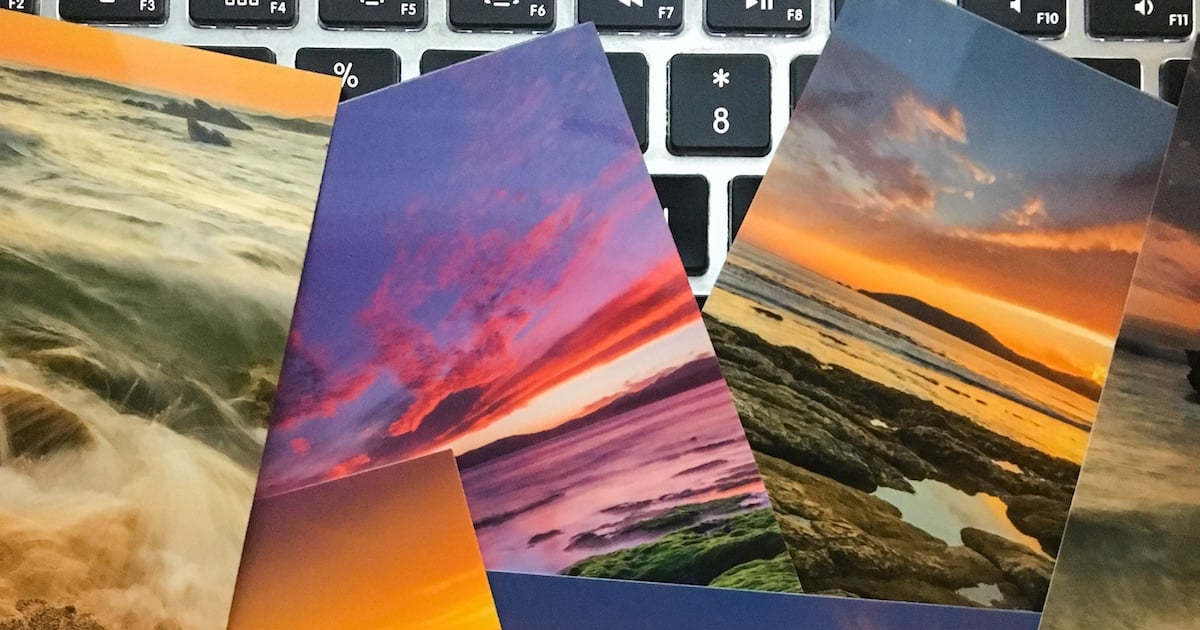
Photos belong on walls.
How It Started
Last summer, I was sitting in the lobby of a Los Angeles hotel after spending the day at Cine Gear when a friend of mine looked over my shoulder and saw a few photos that I was editing on my laptop. These ones happened to be ones that I shot on my Fujifilm X100 VI (currently the only digital camera I use for photography) of my goddaughter and her sister.
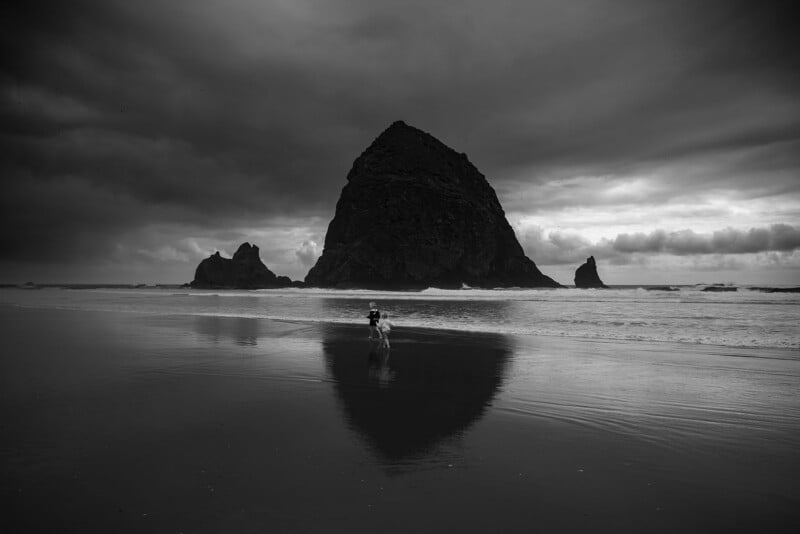
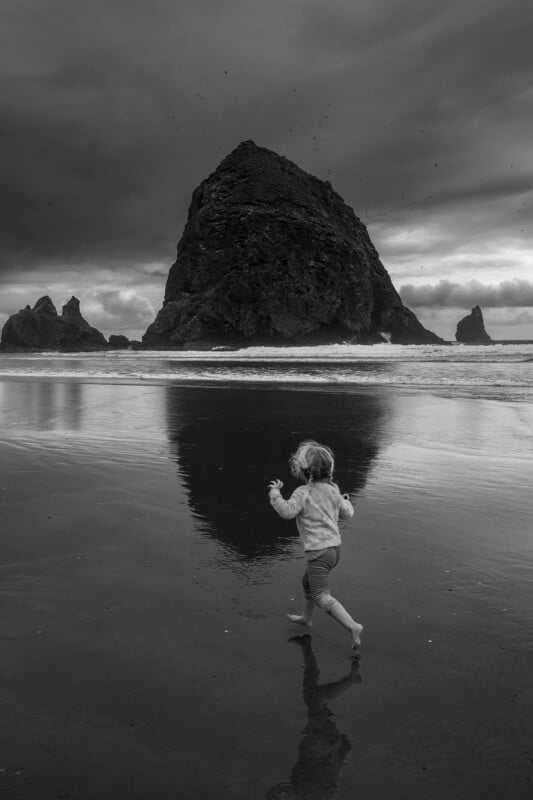
He thought they were really nice and suggested that I get them printed. To that point, I hadn’t really given printing any of my recent work much thought.
I had printed before, but it had been years and my style (both what I want to photograph and how I would print them) had changed. Beyond that, I wasn’t sure really where to begin. Sure, there were plenty of online printing outfits I could go with (I’d had great experiences with White Wall in the past, for example), but something about my newfound love of analog made me want to feel more involved with the process. Or, at least, bring that macro level production a little bit more micro.
My friend suggested I talk with Eric Luden at Digital Silver Imaging, an artist owned and operated small business, as they were one of just a few operations doing high-quality silver gelatin printing.
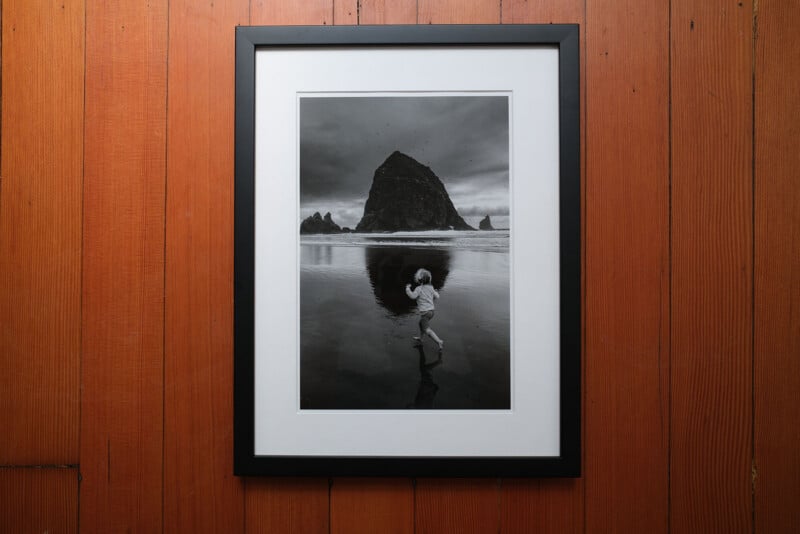
“You don’t need a darkroom, an enlarger, film or photo chemistry because now you can have a real silver gelatin print directly from your digital capture or scan,” Digital Silver Imaging says. “The DSI Digital Silver Print represents the pinnacle of black and white photo printing – the fusion of cutting-edge digital technology with traditional silver gelatin printing. We use a Lightjet 430 photographic laser printer to expose light-sensitive Ilford silver gelatin paper up to 50 inches wide, then process the exposed paper in liquid photographic chemistry.”
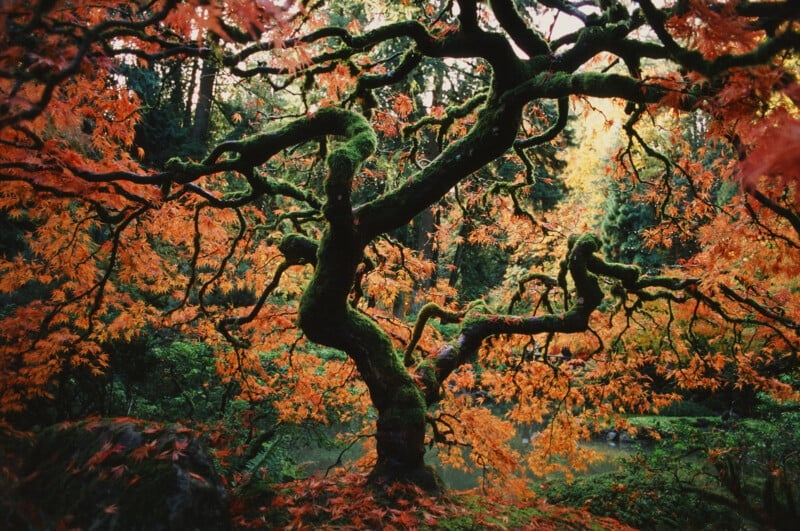
Since I typically shoot black and white for my documentary and street photography, that sounded particularly appealing. So, I gave Eric a call and we chatted about the process.
During that conversation, I mentioned that I also had a bunch of Fujifilm slides that I would like to get printed, and Eric said that Digital Silver Imaging could also work some serious magic there too. They have a Phase One medium format camera in-house for capturing high-resolution digital scans of positive film, allowing me to get a ton of quality out of the 35mm slides.
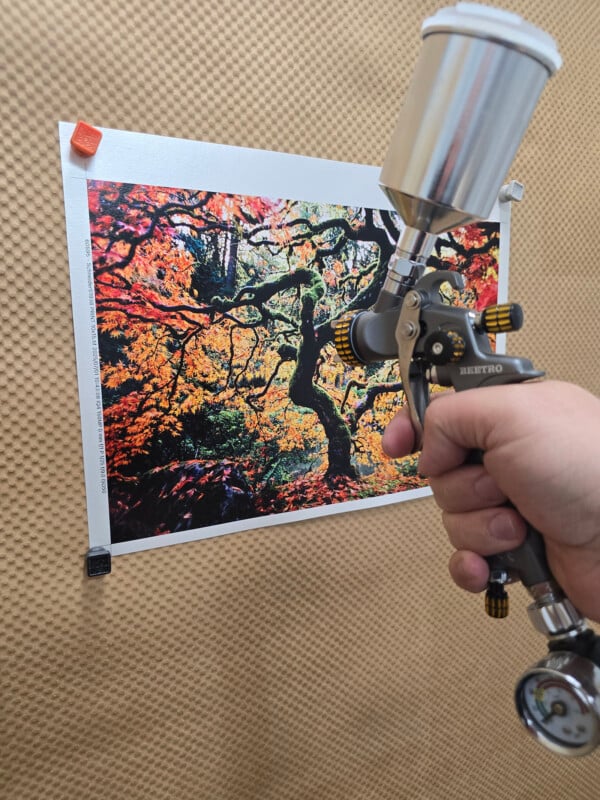
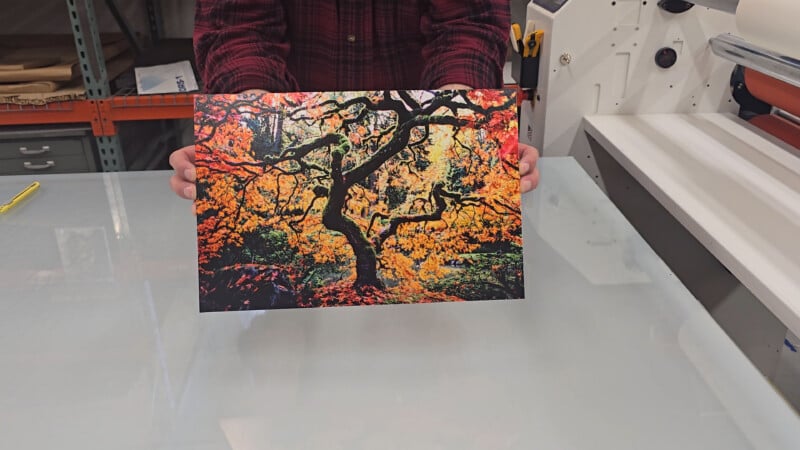
I decided that I would get a few of those digital photos of my goddaughter printed and send them as gifts to the family, but it also got me thinking about how I might want to decorate my own house.
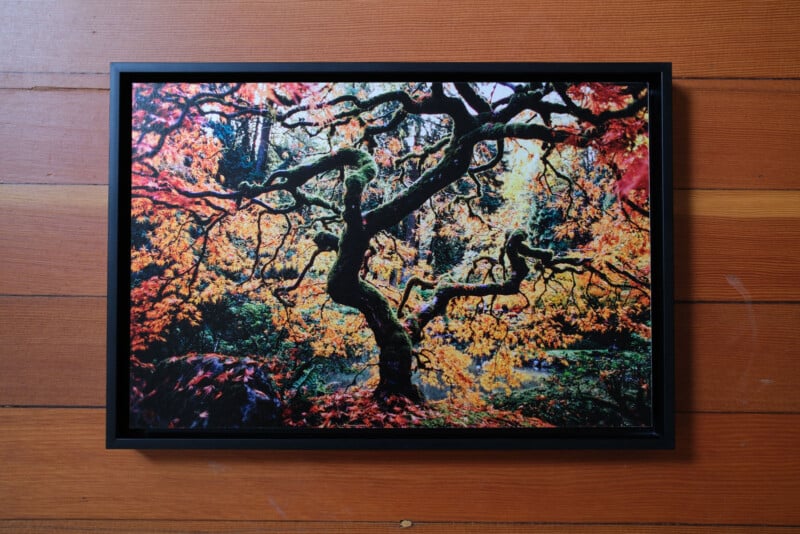
When those first prints arrived, I knew I had to have more. After I mailed off the framed prints that would find their home on the walls of my goddaughter’s halls, I asked Eric just how big they could go with a print.
“Depends, how big are the files?”
Going Big – Really Big
I had recently sent a few slides to my friend David Imel to get scanned because he told me he wanted to show me the quality he could get out of his Hasselblad Flextight 646. As a fellow analog aficionado, he said he would be able to get me a ton of resolution to make a print basically as big as I could possibly want. I should also mention that my addiction to panoramic photography is entirely David’s fault, as I absolutely adore his work.
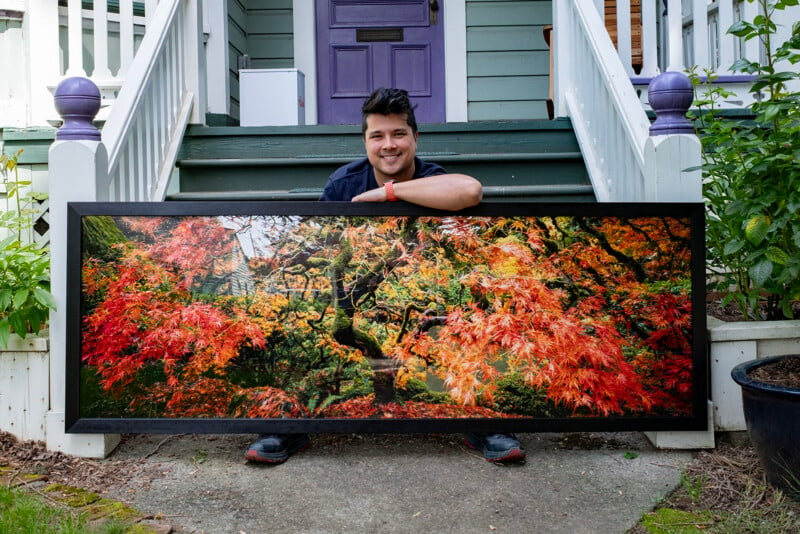
He wasn’t kidding: his scanner is spectacular. I sent him two medium format panoramic photos I had taken and they came back at a massive 20,932 x 6,972 pixels — that’s 146 megapixels.

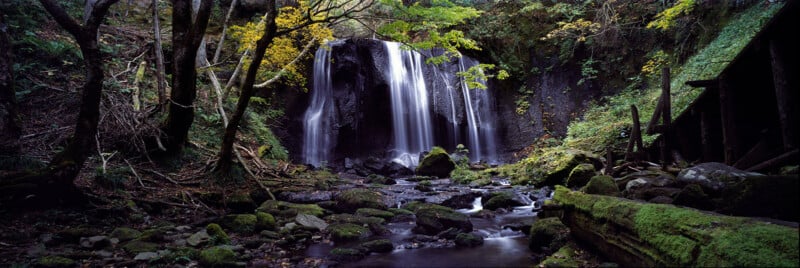
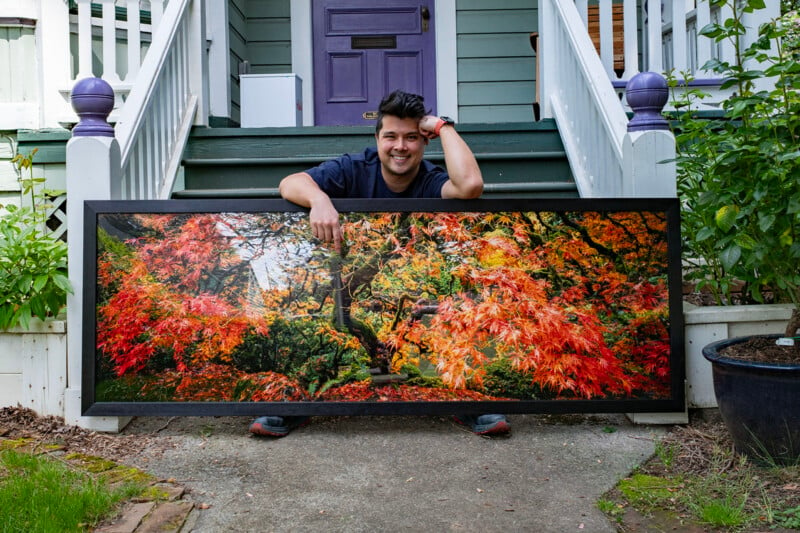
I sent Eric the files and he said he felt confident that they would work best printed at 72 by 24 inches. We picked a paper type, frame color, and glass type. The resulting order would not be cheap, but I figured investing in my own art on my own walls was a worthwhile endeavor. So, I handed over my credit card and Digital Silver Imaging got to work.
A couple of weeks later, the two prints arrived in a huge shipping box. After about 20 minutes of careful extraction, I finally laid eyes on them.
I’m just going to come out and say it: print your photos. Print them with Digital Silver Imaging (if you’re new to printing, Digital Silver Imaging offers a fantastic Print Sample Promotion for testing various papers from one of your own files), a local print shop, or even at home. I don’t care how you do it, I just think you really, really should.
Too many photographers get so caught up in the dynamic range their camera can shoot, the frames per second, or the bokeh of their lens. They spend the money to get the best gear on the market only for those photos to live on memory cards and hard drives, only ever seen scaled way down for social media and viewed on a phone.
That feels like such a tragedy.
Printing and framing is expensive, but so was all that camera gear you bought. If you’re going to be a photographer, be a photographer and put your shots on walls.
Print. Your. Photos.
Affiliate Disclosure PetaPixel articles may include affiliate links; we may earn a commission if you buy through one.