The Hidden History of a British Female Photographer Turned Soviet Agent
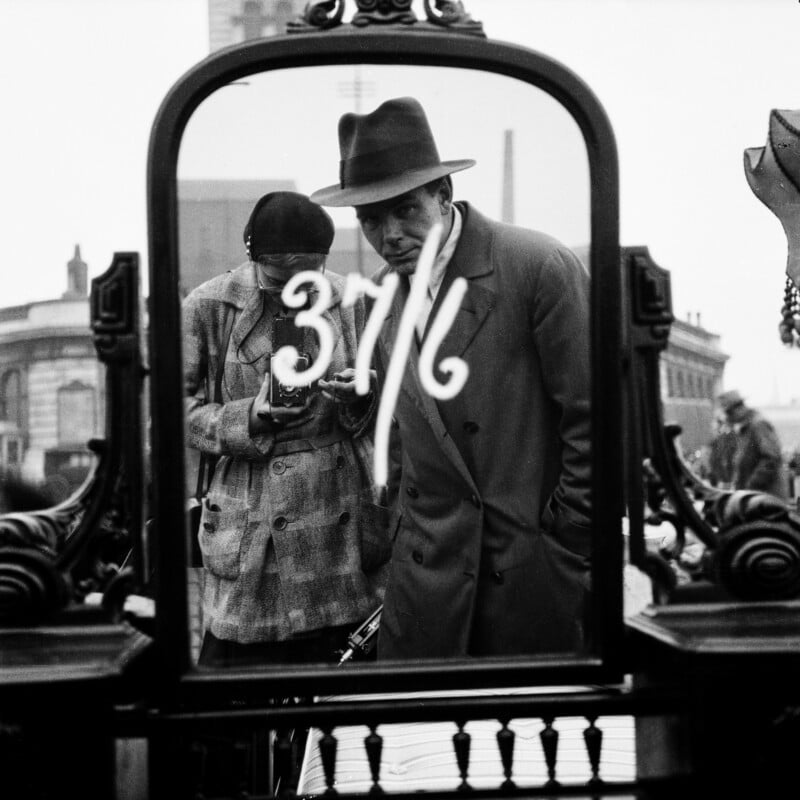
A major new biography explores the life of Edith Tudor Hart, a pioneer photographer in 1930s London who became a Soviet secret agent and had a hand in the history of the notorious “Cambridge Five.”
The life of Edith Tudor-Hart — professional photographer, anti-fascist activist, and covert Soviet agent — has long evaded biographers. In A Woman Named Edith: Émigré, Photographer and Secret Agent — The Extraordinary Life of Edith Tudor Hart (published by Yale University Press London), Daria Santini, an independent scholar and writer, provides the first full biography of this elusive figure.

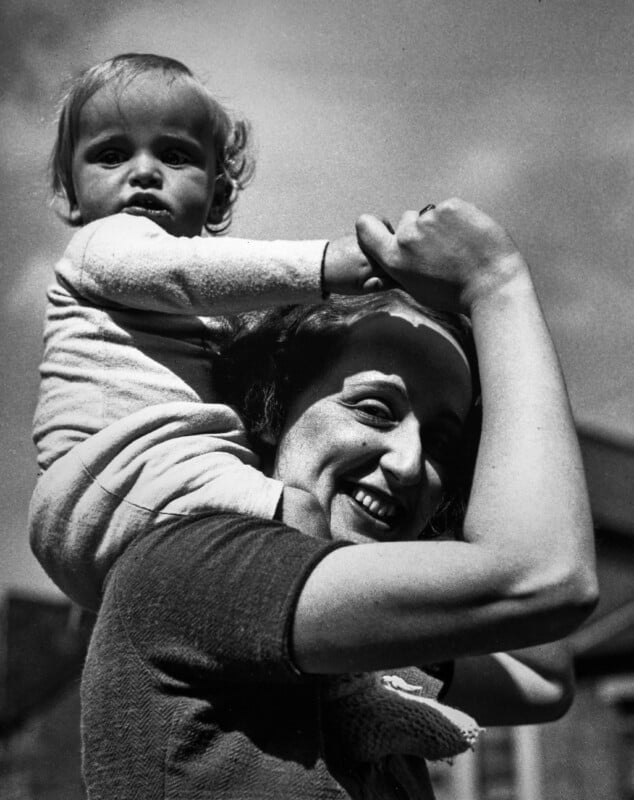
Edith Tudor-Hart was among the most important documentary photographers working in Britain in the 1930s and 1940s. At the same time, she led a double life and spent decades as a spy assisting Soviet intelligence. Her dual career places her at the center of both photographic history and one of the most significant espionage cases of the 20th century.
Tudor-Hart played a key role in the early formation of the Cambridge spy ring, later known as the “Cambridge Five,” a group that passed British intelligence to the Soviet Union from the Second World War until it was exposed in the 1960s. Tudor-Hart introduced Kim Philby, whom she had met in Vienna in 1933, to Soviet recruiter Arnold Deutsch. Philby later became the most prominent member of the spy ring. And in a 1964 confession to MI5, fellow Cambridge Five spy Anthony Blunt infamously described Tudor-Hart as “the grandmother of us all.”
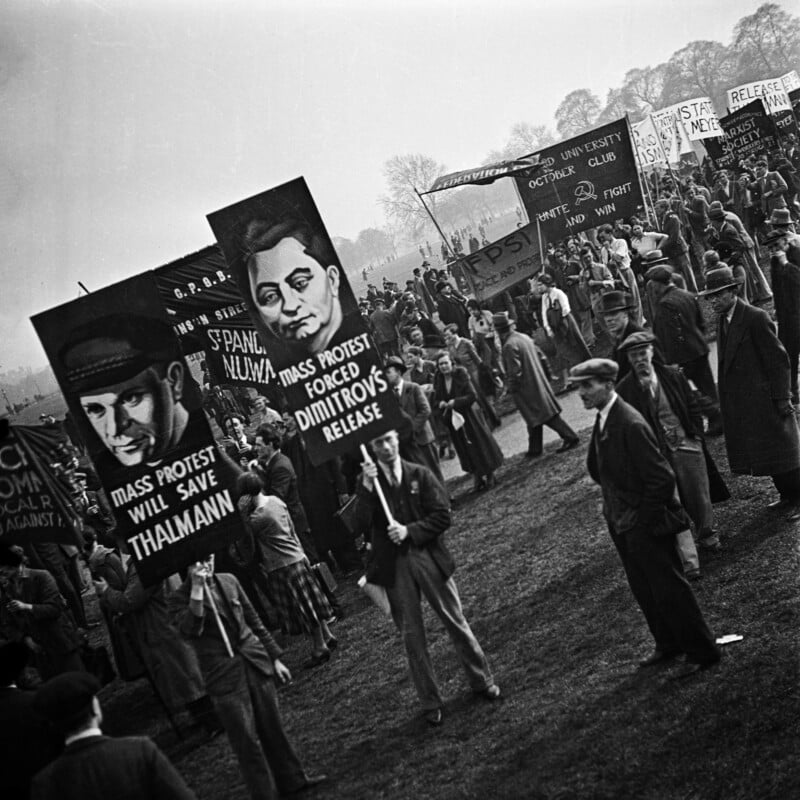
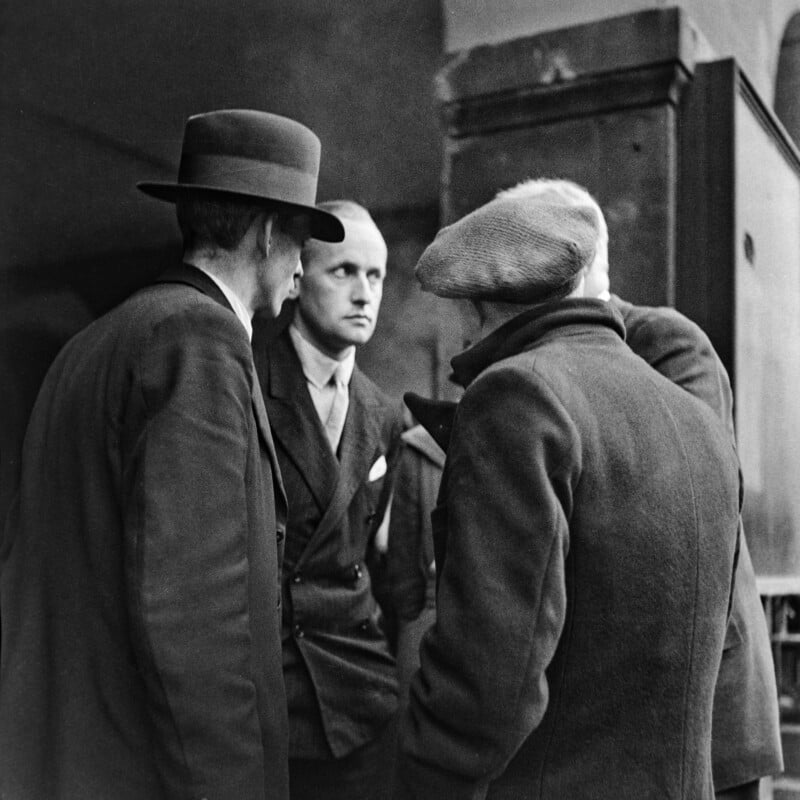
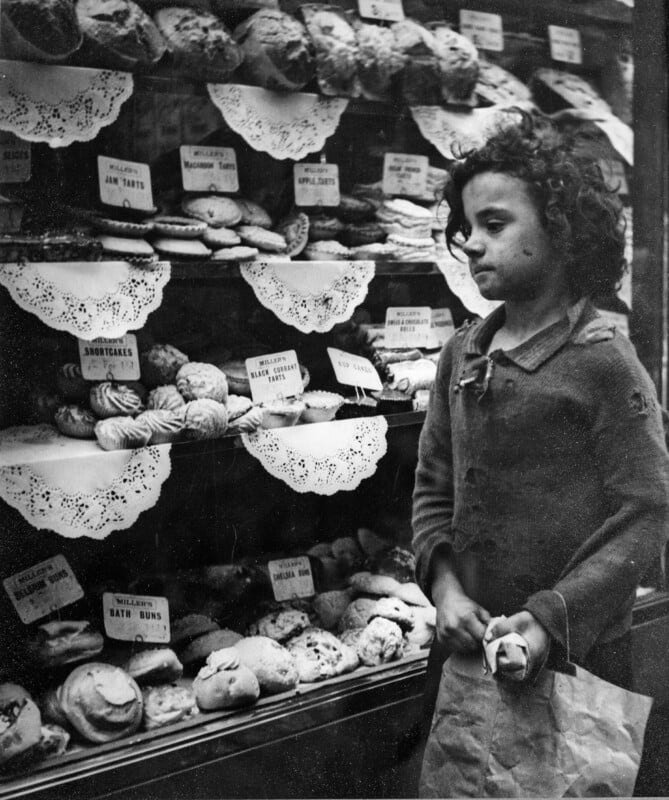
Born Edith Suschitzky in Vienna, Austria, in 1908, Tudor-Hart was raised in a working-class district in the capital city and joined the Austrian Communist youth movement at a young age. In 1928, she enrolled at the Bauhaus in Dessau, Germany, where she trained as a photographer. She later worked as a photographer in Vienna, while also employed as a Montessori kindergarten teacher.
Photography was central to her political outlook. She saw the medium as a way to communicate social realities and support her anti-fascist and Communist beliefs. Using a Rolliflex camera, Tudor-Hart used her lens to document working class life and poor living conditions in Vienna amid the rise of Fascism.
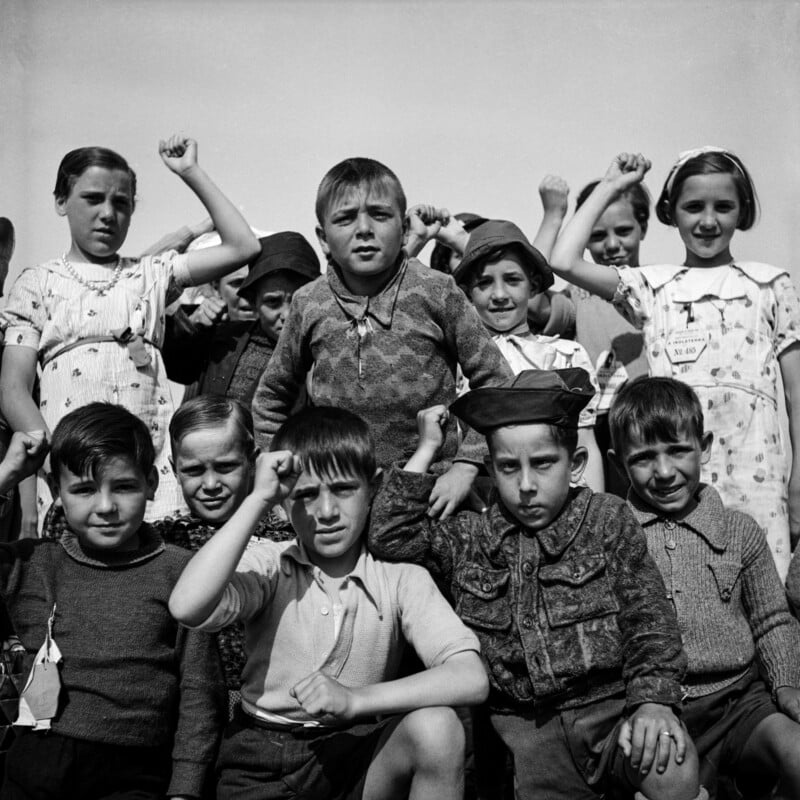
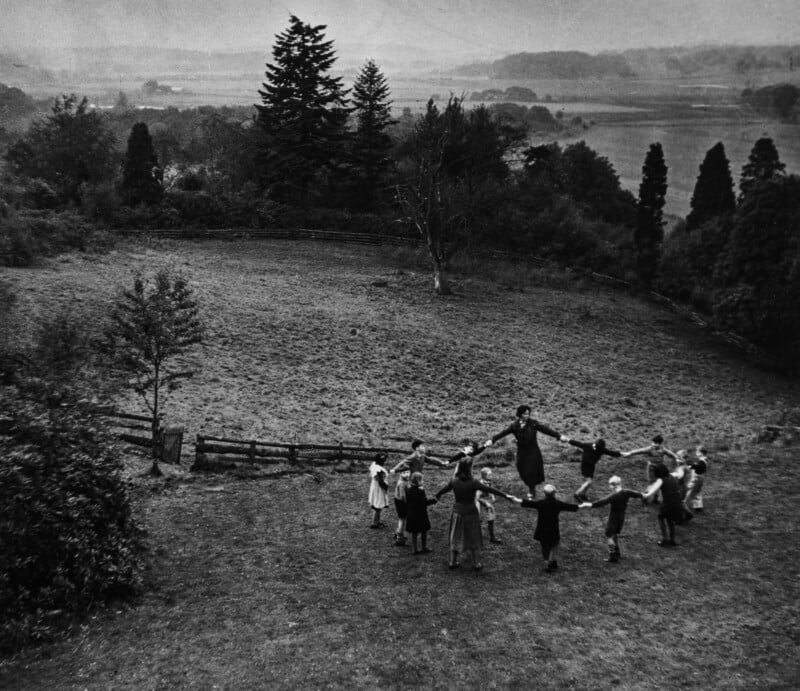
Alongside her photography, she also worked as a courier for the Communist Party. In 1933, she was arrested in Vienna and jailed for a month for her political activities. That same year, she married British doctor Alexander Tudor-Hart and moved to England, partly to avoid persecution in Austria due to her political views and Jewish background. Her brother, the better-known photographer and cinematographer Wolfgang Suschitzky, also fled Europe around the same time. Britain became Tudor-Hart’s home for the rest of her life.
In England, she built a career as a documentary and portrait photographer. Her work covered social issues including poverty, inequality, and child welfare, with subjects ranging from London to industrial regions such as Tyneside, Wales, and Scotland. Tudor-Hart primarily relied on commercial commissions to earn a living but continued to produce innovative work. She was among the first photographers in the U.K. to publish images of special-needs schools, according to the British Journal of Photography. Photo historians now regard her work as a form of sophisticated realism, noted for its clarity and ability to communicate social conditions.
Alongside her photography, Tudor-Hart maintained a quiet but significant role in Soviet espionage in Britain, delivering messages and facilitating introductions for Soviet handlers. Through her friendship with Litzi Friedmann, she was introduced to Friedmann’s husband Kim Philby, whose political views she had already observed in Vienna. After checking him through underground contacts, she connected him with Arnold Deutsch, helping initiate his eventual recruitment into the Cambridge Five. Her contacts were also used to maintain links involving figures such as Anthony Blunt and Guy Burgess, and to sustain connections with Soviet intelligence abroad.
Following Philby’s first arrest in 1952, Tudor-Hart destroyed many of her photographic negatives after repeated interrogations by MI5 and multiple searches of her home, according to an article by her great-nephew Peter Stephan Jungk for the Tate in 2019. Despite this scrutiny, MI5 was unable to prove her involvement in espionage. However, Tudor-Hart remained under surveillance for much of her life. Eventually, she stopped working as a photographer and moved to Brighton, where she ran a small antique shop. She died in 1973.
Tudor-Hart’s name only resurfaced publicly after the Cold War. Her great-nephew Jungk notes that, after the breakup of the Soviet Union, an article in the London Daily Express identified her as “the 1930s photographer with open Left-wing sympathies” and one of the most important “talent hunters” for the KGB. A previously unseen photograph of Tudor-Hart from the 1930s was published in the paper with the caption “Hunter: Edith sparked spy story of century.”
Tudor-Hart’s photographic work remained largely unrecognized during her lifetime, and only gained wider attention decades after her death. In 2013, curator and photographic historian Duncan Forbes curated exhibitions of her work at the Scottish National Portrait Gallery in Edinburgh and at Vienna’s Wien Museum.
In a A Woman Named Edith, author Daria Santini traces Tudor Hart’s life from her early years in the socialist intellectual circles of Vienna through her training at the Bauhaus to her work as a Soviet agent in Britain. In this moving account, Santini pieces together the story of Edith’s life, revealing a woman of great energy, determination, and creativity — who played a role in shaping both documentary photography and one of the most important espionage networks of the 20th century.
A Woman Named Edith: Emigre, Photographer and Secret Agent — The Extraordinary Life of Edith Tudor Hart by Daria Santini can be purchased here.
Peter Stephan Jungk’s book The Darkrooms of Edith Tudor-Hart will be published in the U.K. by Haus Publishing in late June.
Affiliate Disclosure PetaPixel articles may include affiliate links; we may earn a commission if you buy through one.