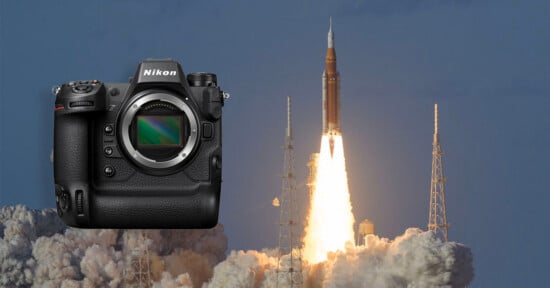
NASA Releases Thousands of Unseen Artemis II Photos
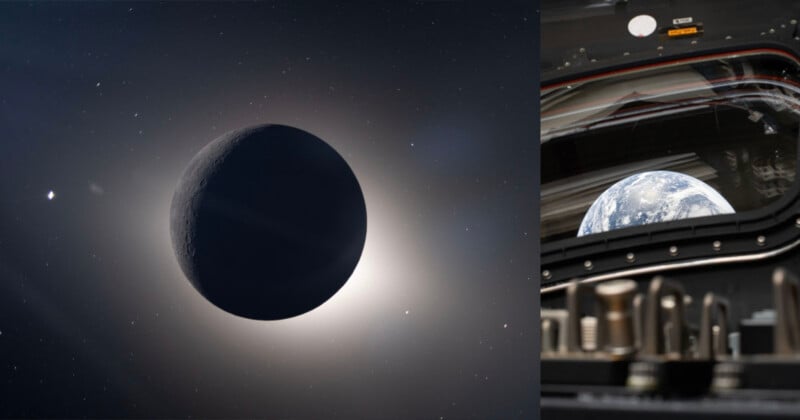
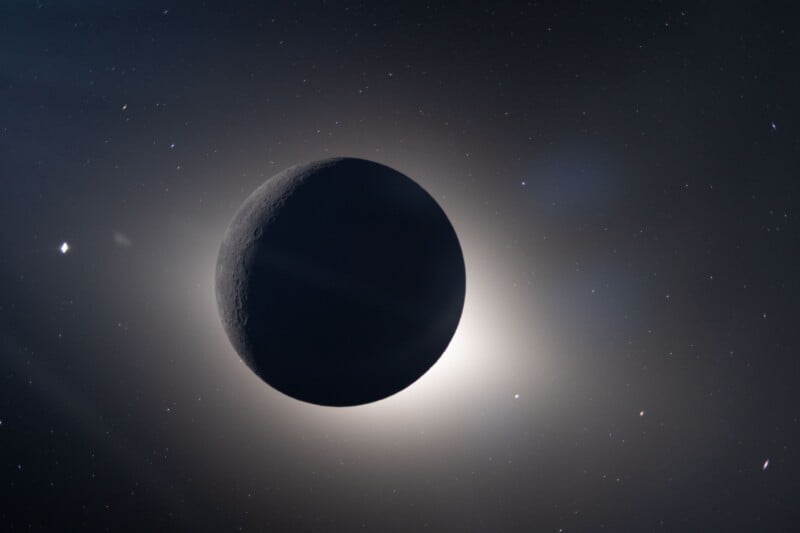
A view of a solar eclipse with the sun’s corona glowing behind the dark moon, alongside a window view from a spacecraft showing Earth in the distance.
The photo trove includes the spectacular eclipse the Artemis astronauts witnessed but also images that give a more intimate feel for what it was like inside the Orion module.

Artemis II was a massive scientific success for NASA, but it was also a victory for photography, as the still images shot by the crew have inspired and awed people all over the world.

Now, NASA has released a tranche of 12,000 photos taken during the historic voyage that were shot on a combination of the Nikon D5 SLR, Nikon Z9 mirrorless, and iPhone 17 cameras that the Artemis crew took with them.

There have already been so many iconic photos from the historic Artemis II mission, which saw humans return to the vicinity of the Moon for the first time since the 1970s and set a record for traveling further away from Earth than any humans before them. The photos that wowed the world include a solar eclipse, close-up photos of the Moon, and beautiful “Earthset” photos.

As YouTuber Chris Pattison points out, some of the 12,000 images are nearly identical to each other or even the same file just in a different size. Some aren’t even that impressive; blurry or overexposed. But there are also some unseen gems in there. PetaPixel has picked out some of the best ones.
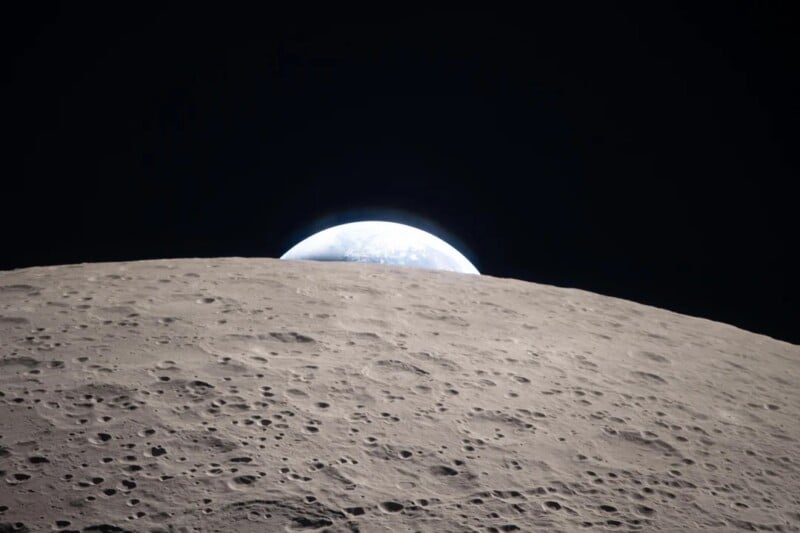
A view of the Moon's dark, cratered surface seen from space, with Earth appearing as a small blue and white sphere above the Moon’s horizon against a black background.

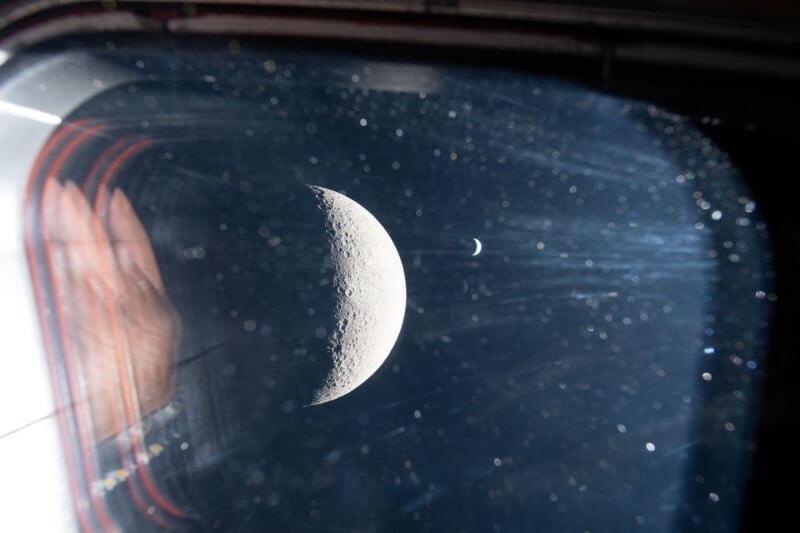
A close-up view through a spacecraft window shows the moon in the foreground and a smaller planet or moon in the distance, with a hand reflected on the window and dust particles visible.
Nikon D5. 14-24mm at 24mm.

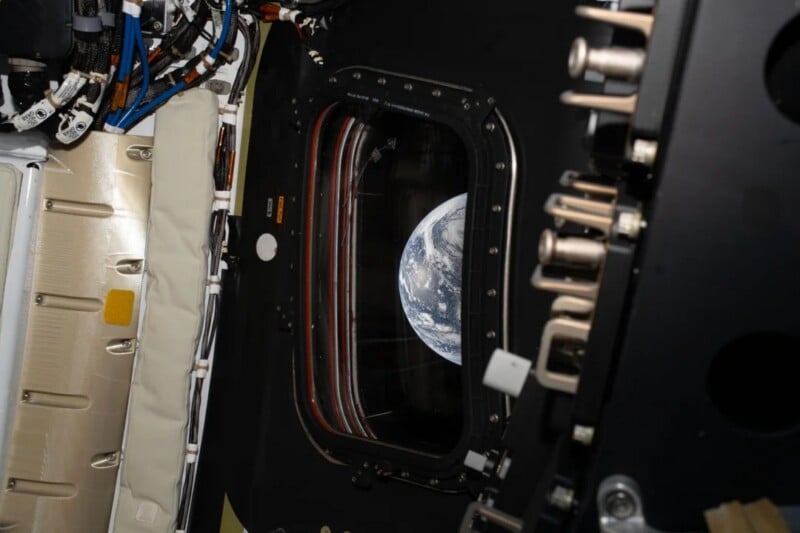
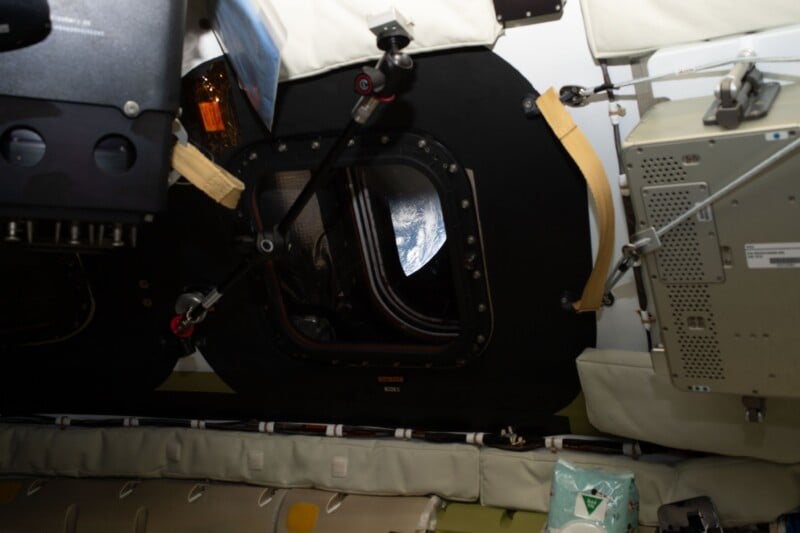
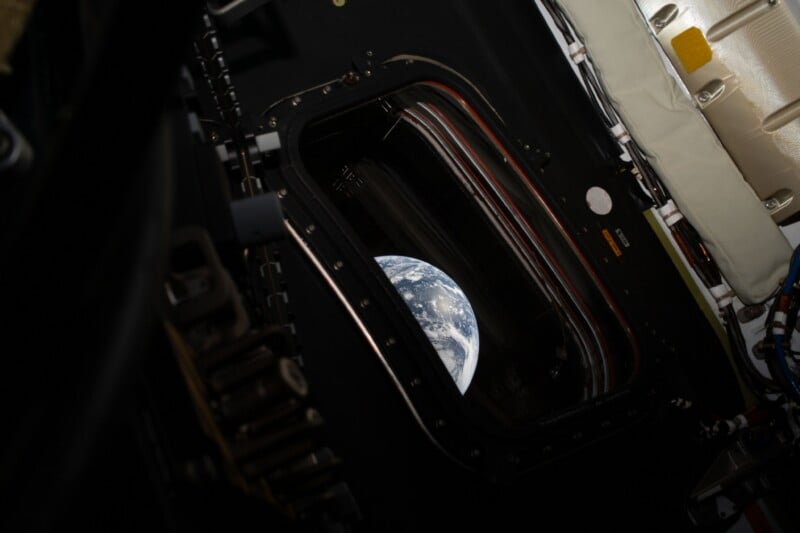
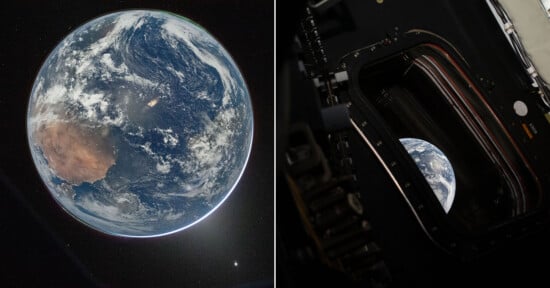
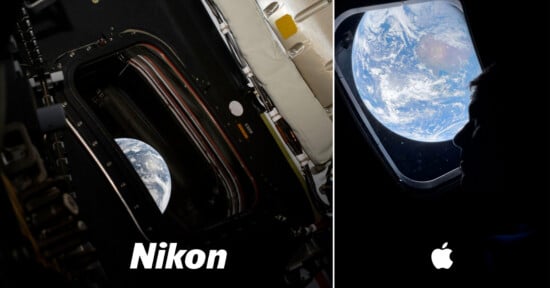
View of Earth through a window from inside a spacecraft, surrounded by panels, cables, and machinery parts. The planet appears partially visible against the blackness of space.

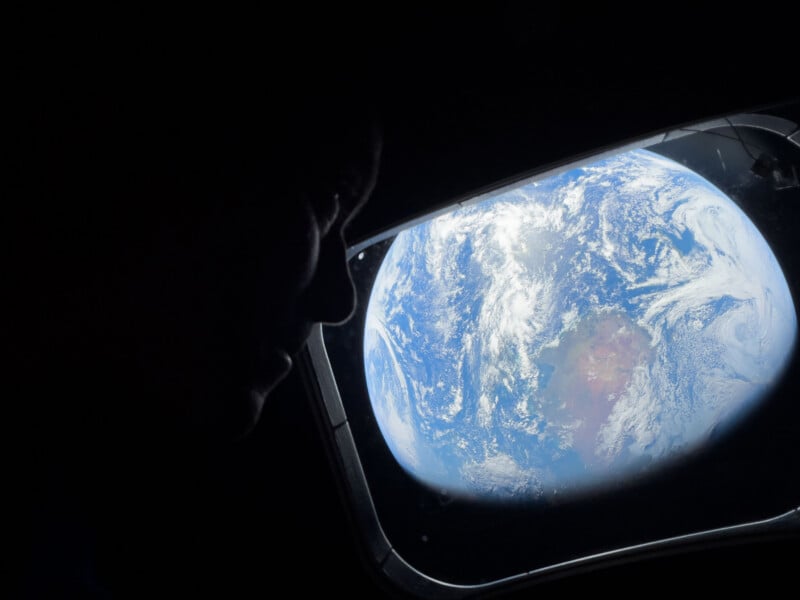
A person’s silhouette is seen looking out of a spacecraft window at Earth, which appears bright and full of clouds and blue oceans against the darkness of space.

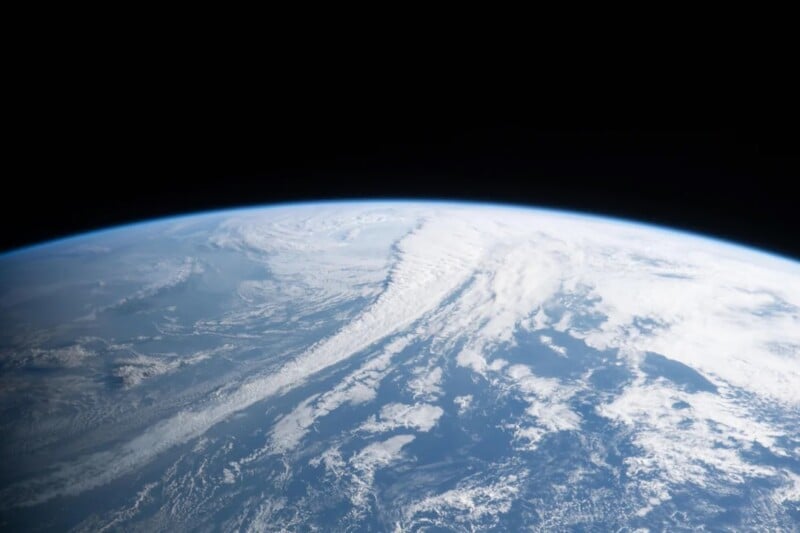
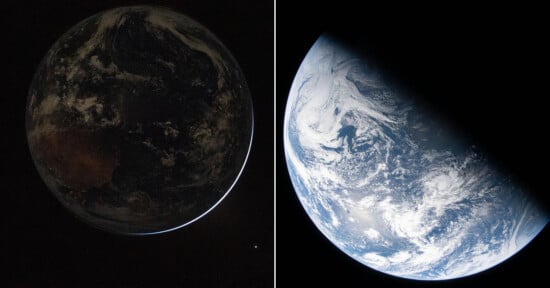
A view of Earth from space, showing its curved horizon with white clouds over blue oceans and land, beneath the blackness of outer space.

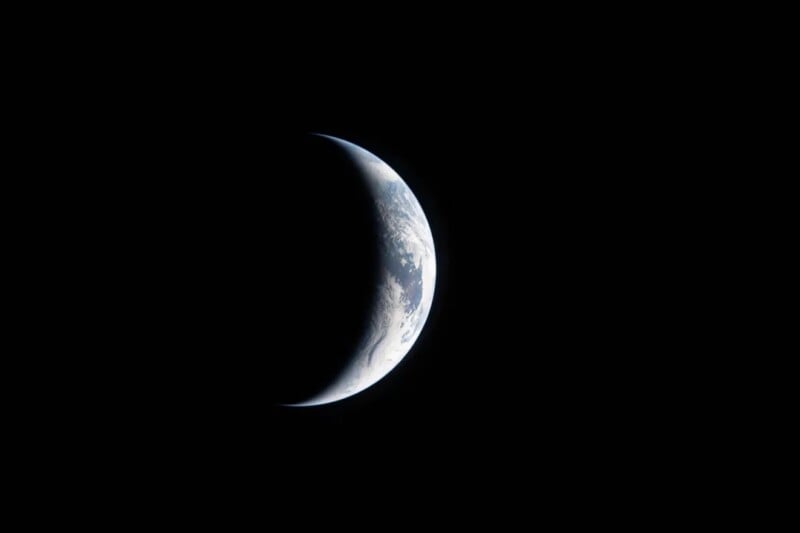
A crescent-shaped Earth is partially illuminated against a black background, with clouds and landforms visible on the bright edge, resembling a crescent moon.

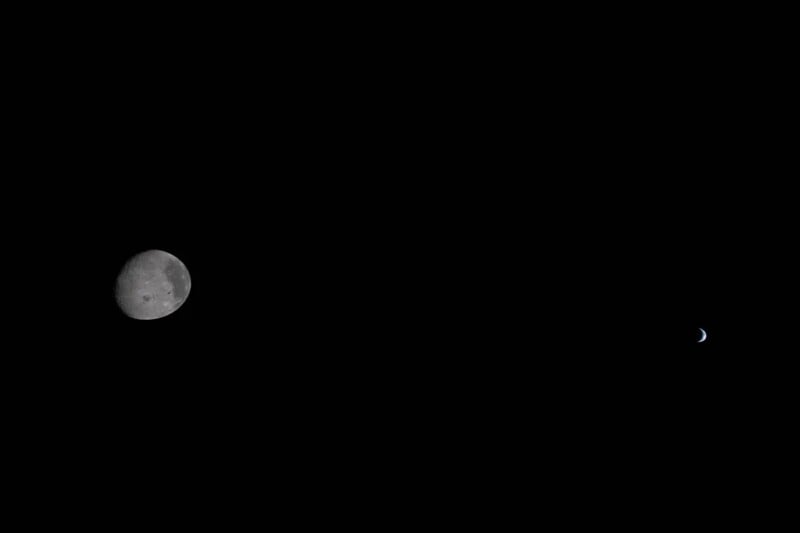
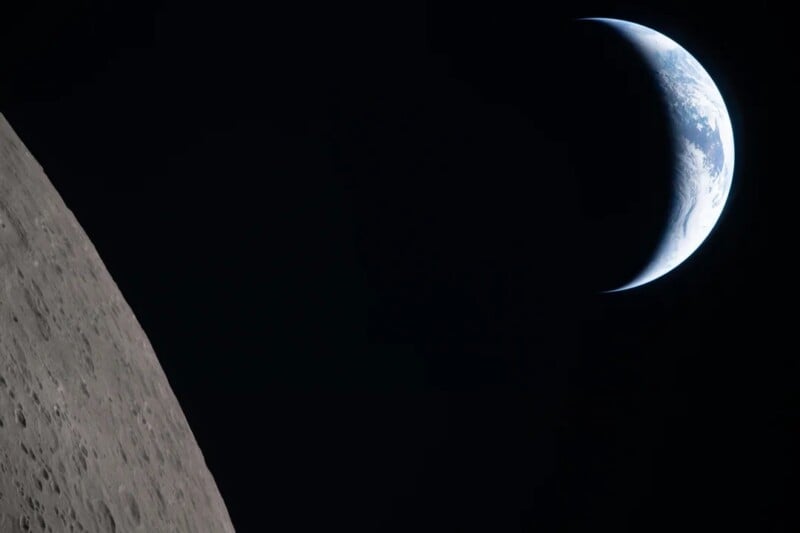
A photo of the Moon on the left side of a black sky, with a small, crescent-shaped Earth visible on the far right, showing both celestial bodies surrounded by darkness.

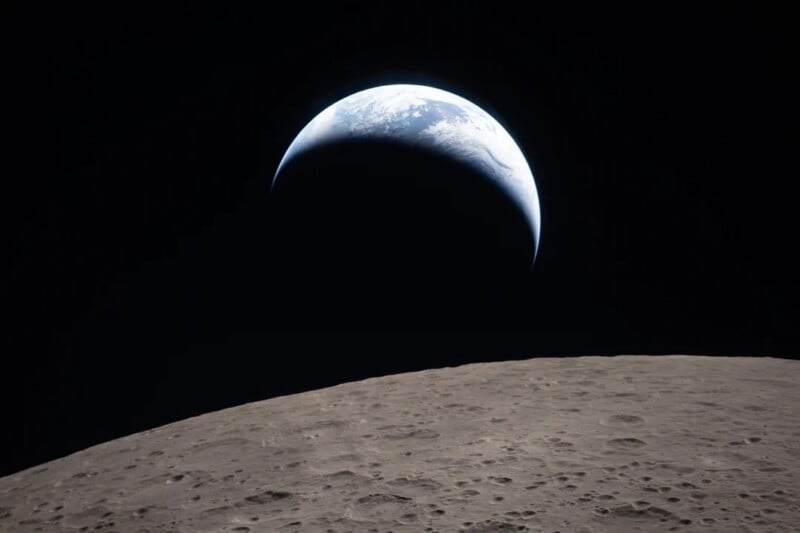
A view of the crescent Earth rising above the barren, cratered surface of the Moon, set against the blackness of space.

View of Earth’s cloudy atmosphere and blue surface seen through a window from space, with part of a dark spacecraft structure visible around the edges of the frame.
Nikon D5. 14-24mm lens.

The image shows Earth rising over the cratered gray surface of the Moon, with the bright blue and white Earth appearing on the dark horizon against the blackness of space.

View of Earth through a small round window inside a spacecraft, surrounded by complex equipment, panels, and cushions. The partially visible planet is framed by the spacecraft's dark interior.

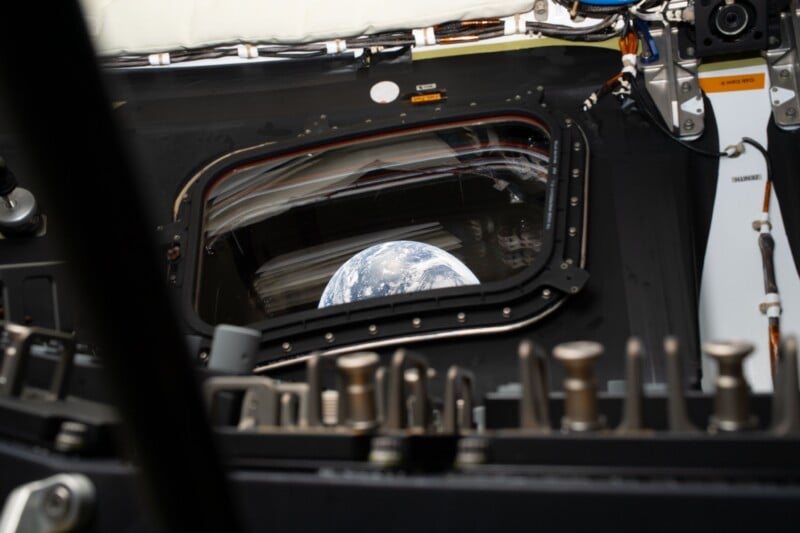
View of Earth through a window from inside a spacecraft, with various buttons, switches, and equipment panels visible in the foreground.

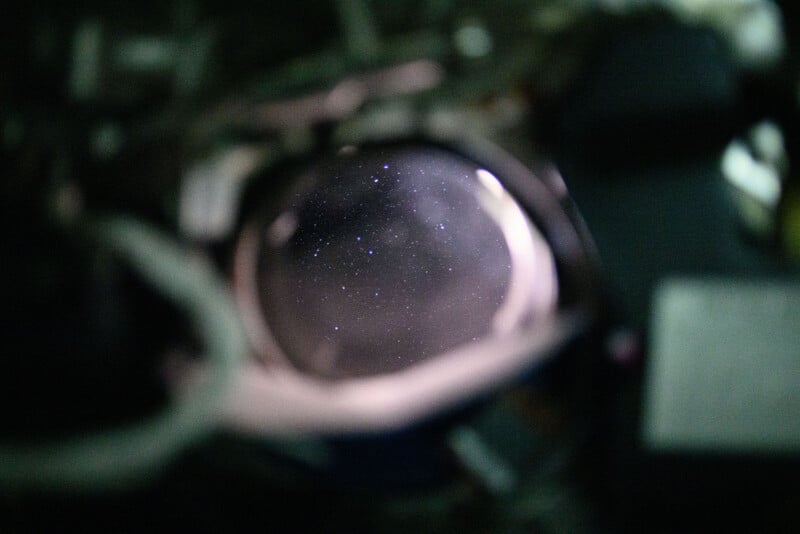
A view of a starry night sky seen through a round window, possibly from a spacecraft or space station, with blurred edges and equipment visible around the window frame.
Nikon Z9. 35mm lens.
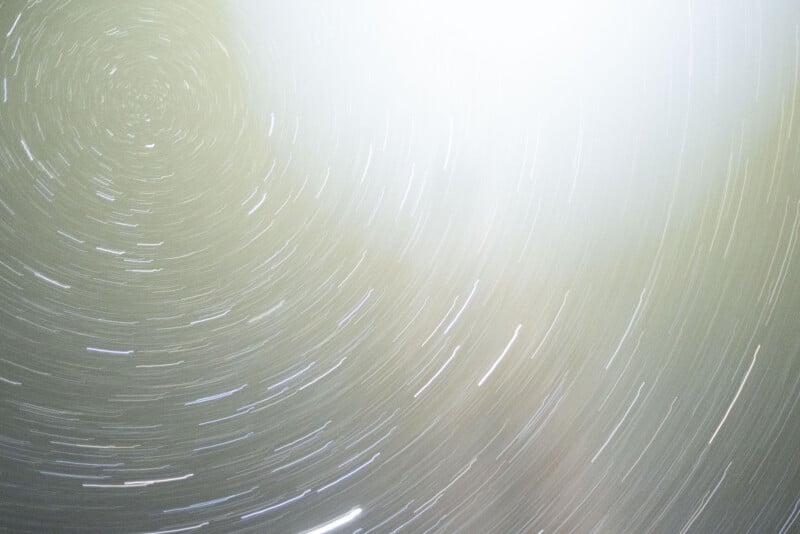
Long-exposure photograph of the night sky showing circular star trails, creating a spiral pattern, with a bright, diffused light source at the upper right corner. The background is a soft gradient from light to dark.
Nikon Z9. 35mm lens.

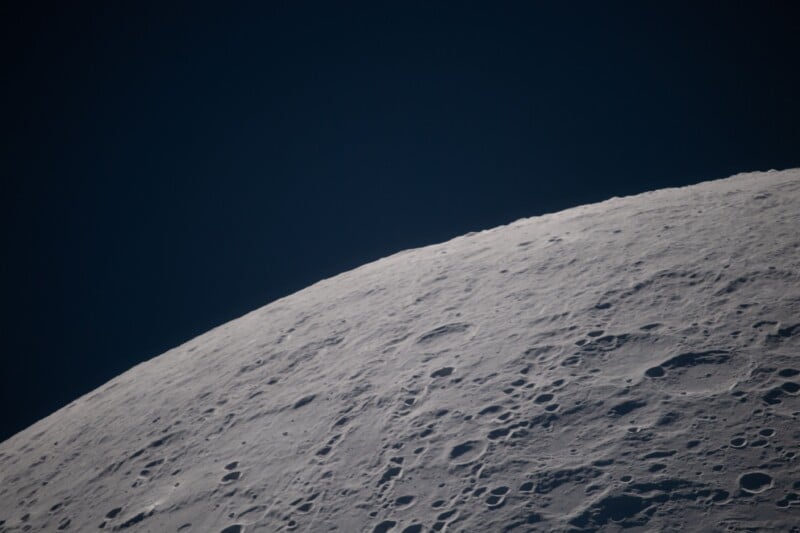
A close-up view of the moon's surface, showing numerous craters and rough terrain against a dark, black sky.

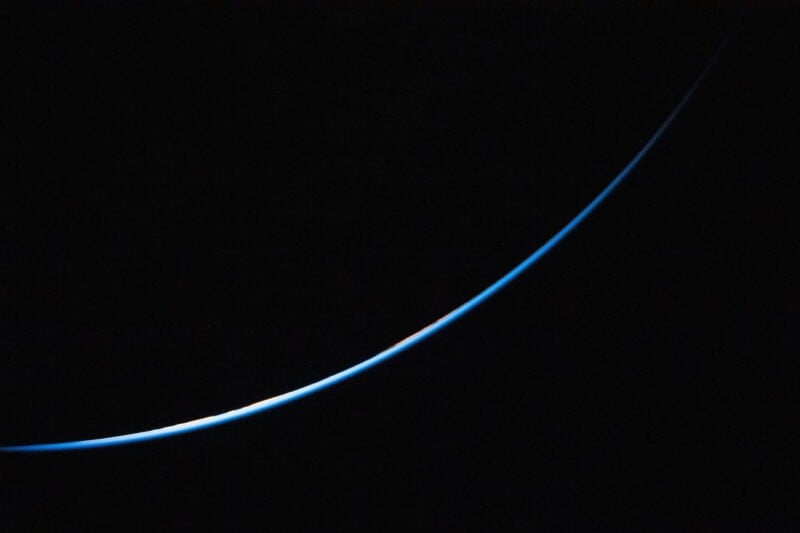
A thin, glowing blue curve of Earth's atmosphere is seen on the dark edge of the planet, set against the blackness of space, creating a crescent-like shape.

A dark moon is seen in front of a bright, glowing background, possibly the sun, in space. The surface details are visible on the moon, with stars scattered around in the black sky.

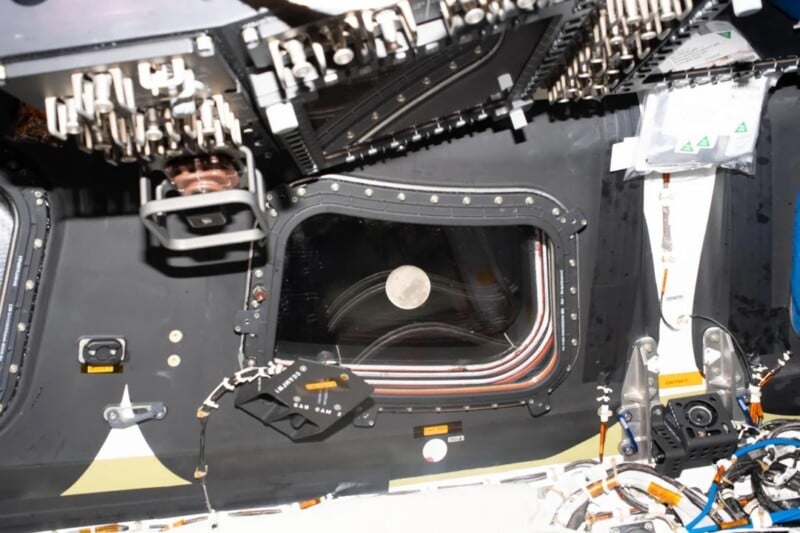
A view of the Moon through a window from inside a spacecraft cabin, surrounded by panels, instruments, and cables. The Moon appears centered and bright against the dark window.

A crescent Earth rises above the dark horizon of the Moon, with the Moon's rocky surface visible in the foreground and the blackness of space surrounding both.

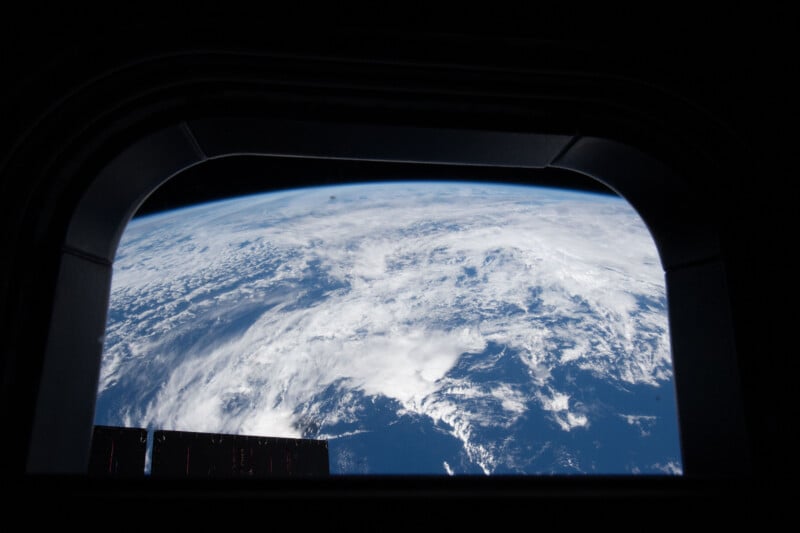
View of Earth seen through a rectangular window from inside a spacecraft, with surrounding equipment visible in the dimly lit interior.

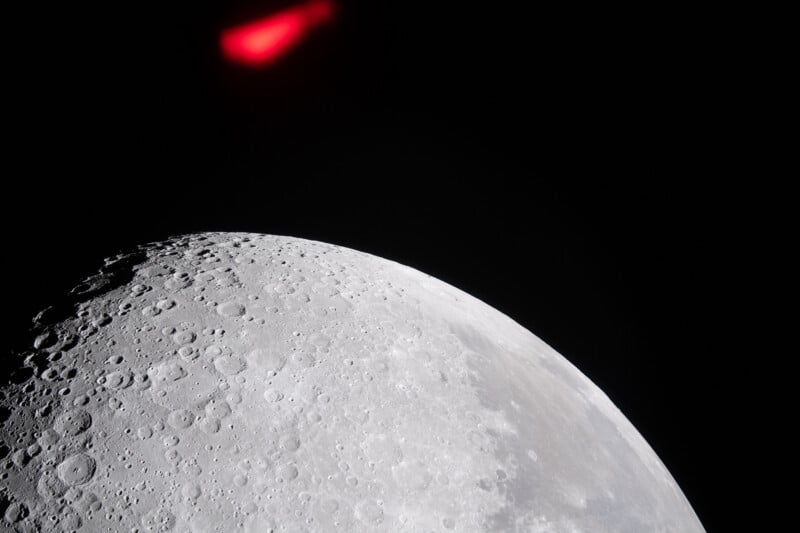
A close-up view of the moon’s cratered surface with a bright red, blurry light or object in the dark space above the moon.
Nikon D5. 80-400mm at 200mm.
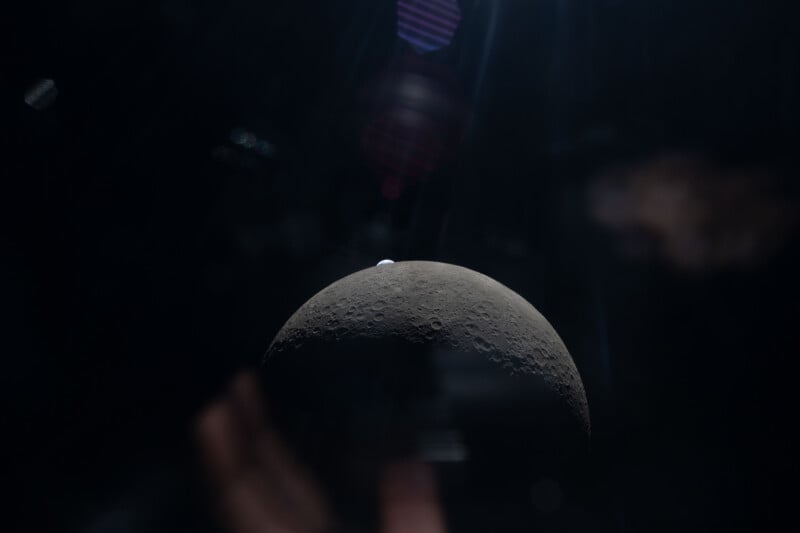
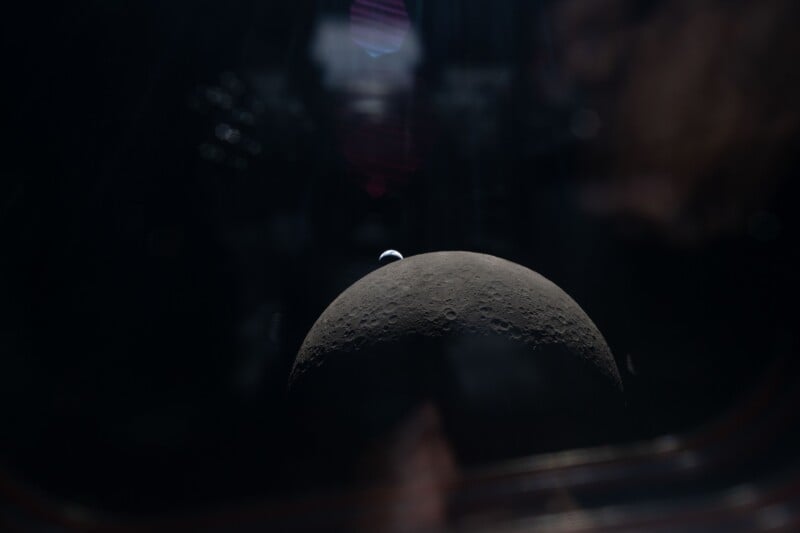
A dark, shadowed view of the Moon’s curved surface with a small, bright Earth visible rising above the horizon in the background, set against the blackness of space.
Nikon Z9. 35mm lens.
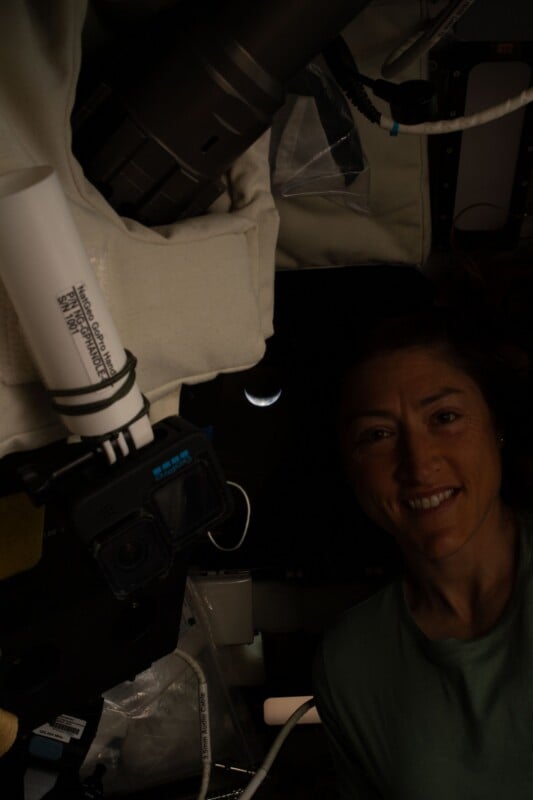
A person smiles inside a dimly lit spacecraft with equipment visible. Through a window behind them, a crescent Earth is seen against the darkness of space.
Mission specialist Christina Koch poses with a crescent Earth.

Pattison says that the Artemis II crew decided to forgo individual credits; instead, each photo is deliberately left unattributed. However, all would have been taken by either Commander Reid Wiseman, Pilot Victor Glover, Mission Specialist Christina Koch, or Mission Specialist Jeremy Hansen.

NASA’s system of publishing photos is haphazard, to say the least. But you can look through all of the photos on the space agency’s Gateway to Astronaut Photography of Earth website, here and here. The camera metadata is available on most of the files, so keen researchers can see which camera and lens combination was used.


Image credits: Courtesy of NASA.

Discussion