Canon 7-14mm f/2.8-3.5L STM Review: It’s Really, Really Wide
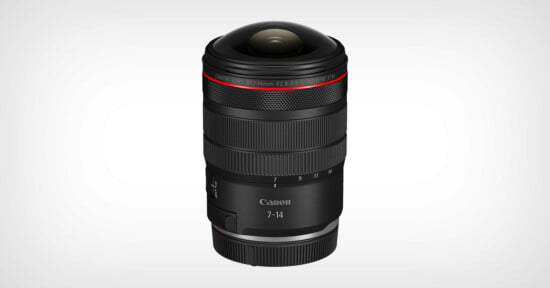
The Canon RF 7-14mm f/2.8-3.5L STM is an extreme lens. It’s the world’s widest-angle zoom lens and has a staggering 190-degree field of view; looking into the viewfinder is like taking a step backward.
It's never going to be anyone's main lens, but when the job calls for something a little different, it's a useful weapon in the armory.
Pros
- World's widest-angle zoom lens
- Impressively sharp across the entire frame
- Quality, weather-resistant build
- Lightweight and compact design
- Effective drop-in filter system
Cons
- Hood causes vignetting at 7mm
- Blue fringing at the 7mm end
- Bulbous front element requires careful handling
- Specialized use case limits general versatility
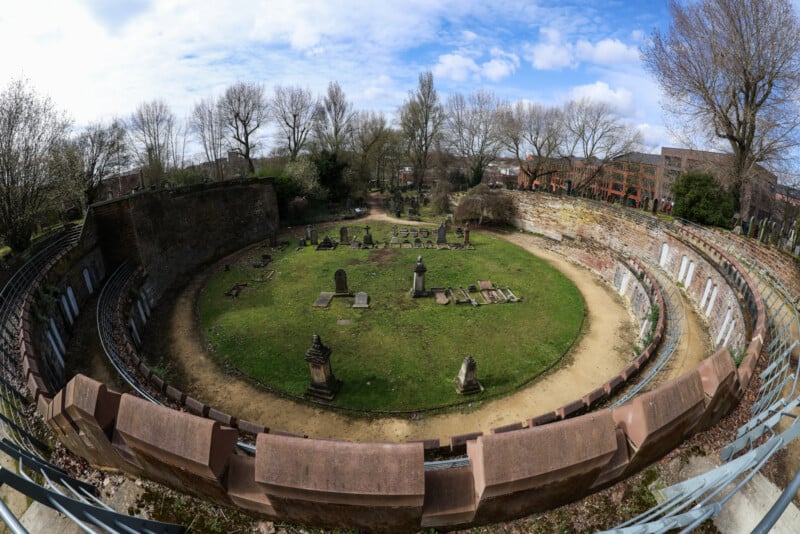
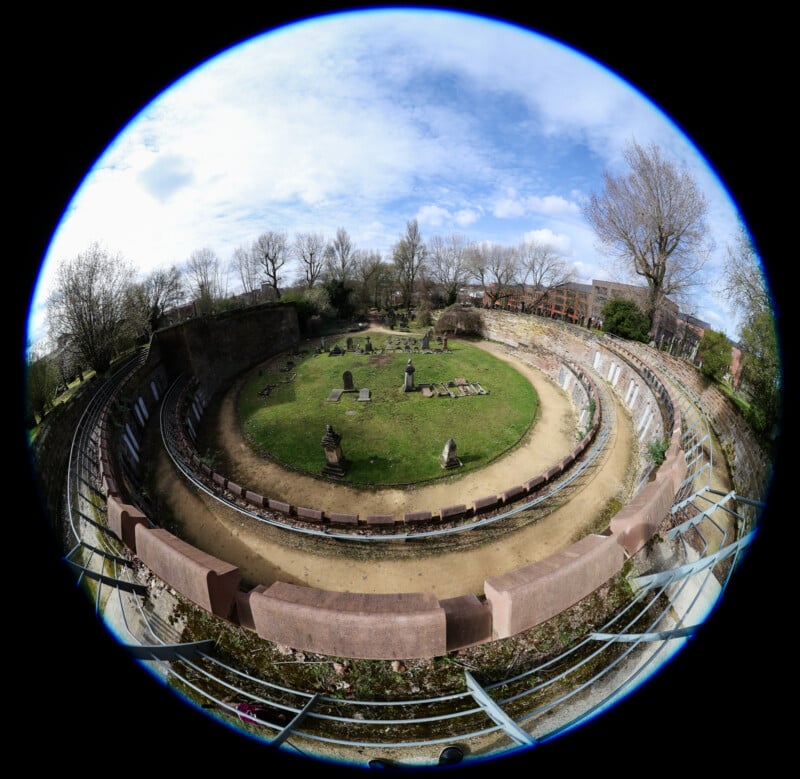
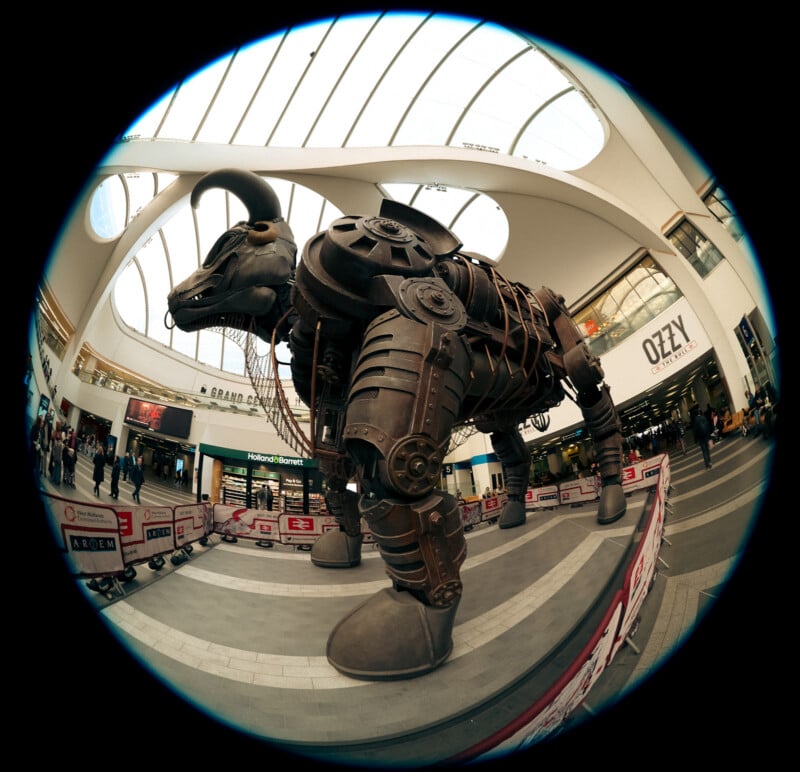
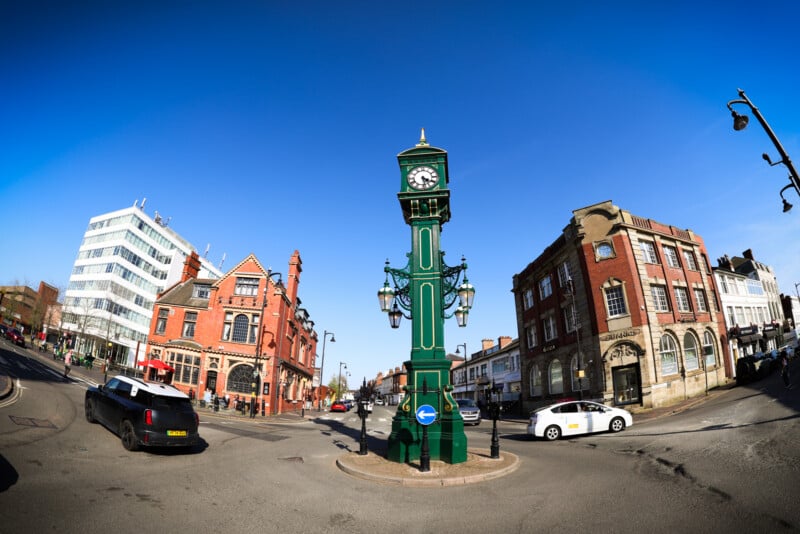
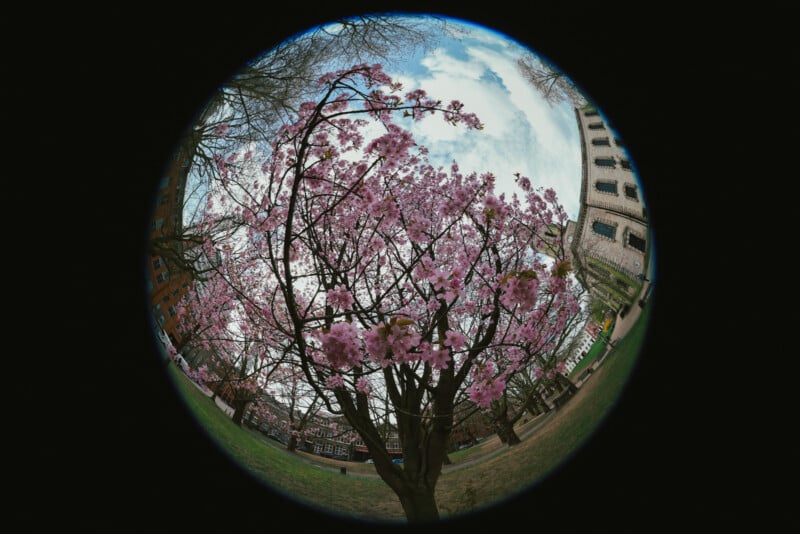
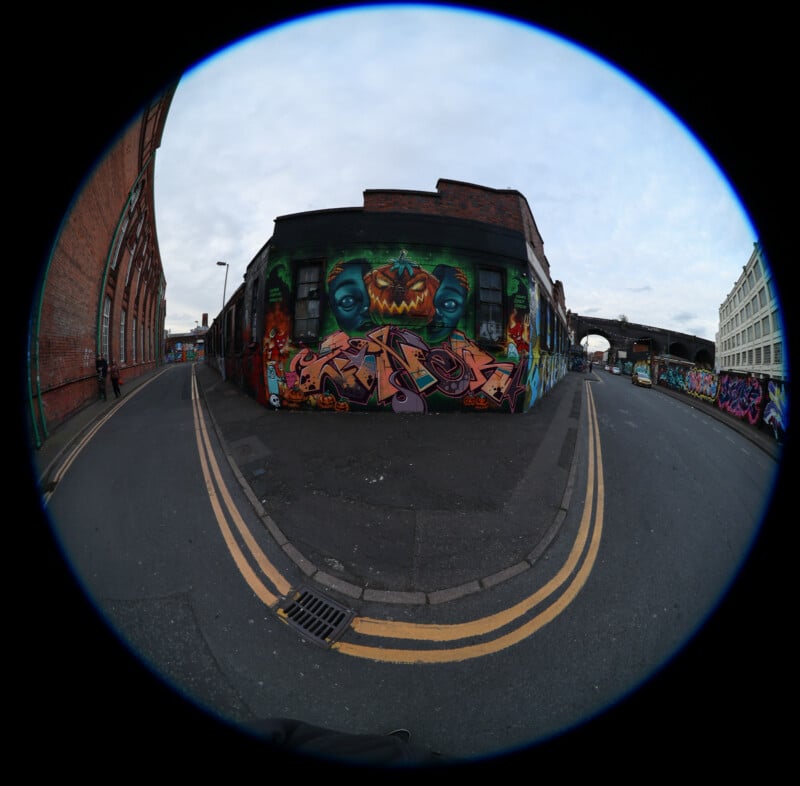
The 14mm end is a diagonal fisheye, delivering impressive, ultra-wide, ultra-sharp pictures right across the frame. The 7mm provides a very different kind of photo, a circular shot that can actually photograph the photographer — you have to watch out for your face or feet appearing in the frame.
Canon RF 7-14mm f/2.8-3.5L Fisheye STM: How It Feels
The lens is lightweight at 476 grams (16.8 ounces), small enough to pop into most camera bags with the body attached. Like all L-Series lenses, it features a quality build that is dust and weather-resistant. But this one has a couple of interesting features you would only find in an ultra-wide.
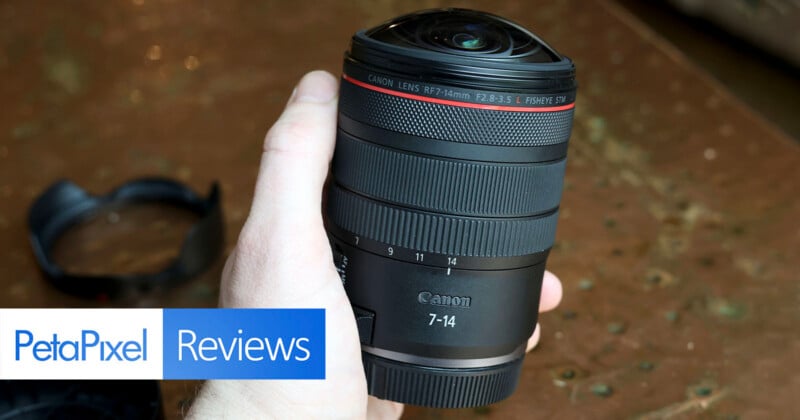
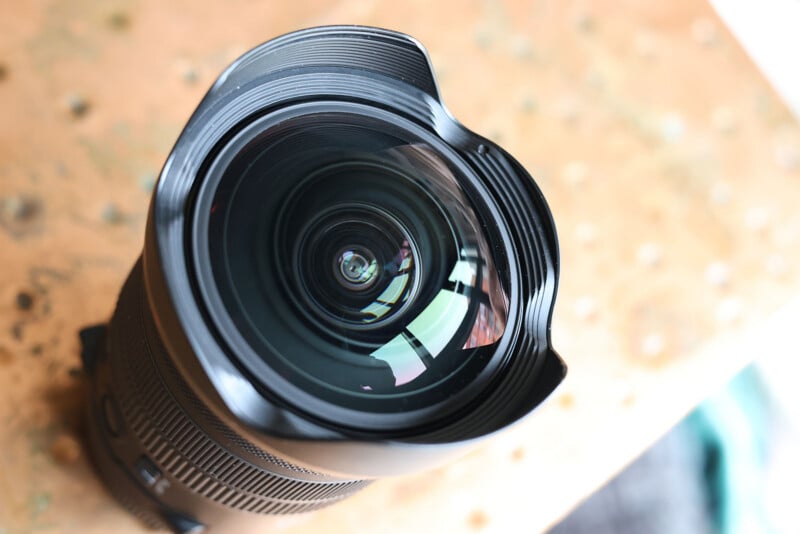
One of the most striking features is the bulbous front element — this oversized dome is what gives the lens its ultra-wide field of view. It’s protected by a cap that slips over the glass rather than attaching directly to it. Beneath that sits the lens hood, which behaves quite differently from a typical hood you’d leave on at all times. At 7mm, leaving the hood in place produces a distracting “butterfly” vignette, so I found myself constantly removing and replacing the cap as I shot.
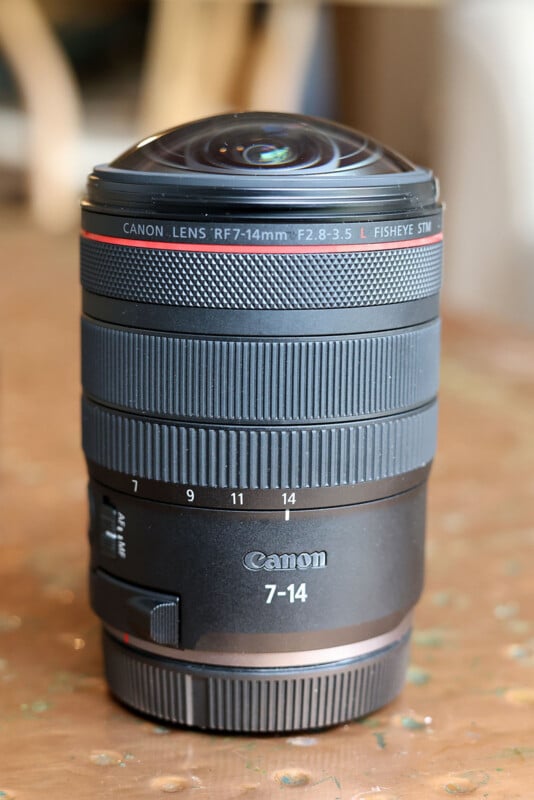
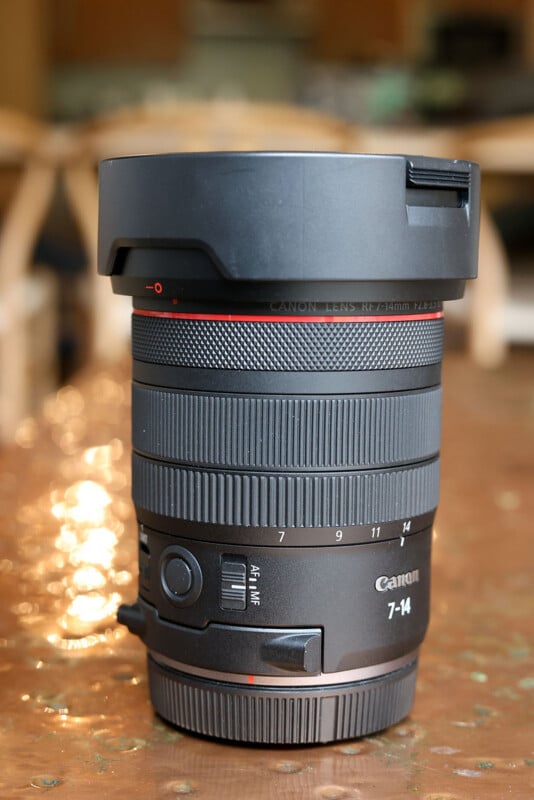
Sliding down the barrel, there’s a control ring that can be programmed to control the aperture, shutter speed, or ISO. There’s also a lens function button, which comes pre-programmed to pause the autofocus, but it can be assigned an alternative function. There’s a zoom limiter switch that locks the lens to 7mm when shooting on full-frame; it limits the zoom to a diagonal fisheye when shooting APS-C.
Sitting just in front of the lens mount is the unusual drop-in filter system. Since the lens is bulging out at the other end, filters can’t be placed on the glass. So for photographers wanting to use a variable ND or polarizing filter, Canon lets you slide in one of those filters at the opposite end of the lens.
Canon RF 7-14mm f/2.8-3.5L STM Fisheye: How It Shoots
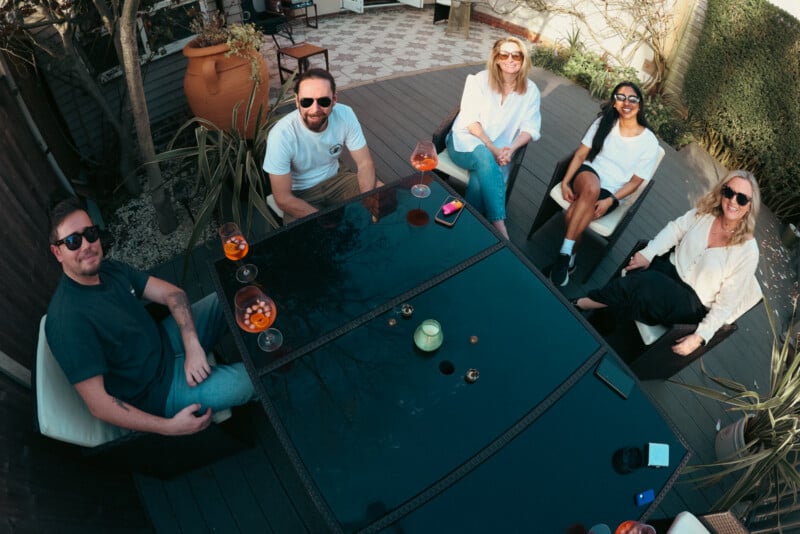
I was using the RF 7-14mm on a Canon R6 III, and one of the strange things about fisheye is the lack of depth of field. You have to get really close to your subject (focusing goes down less than six inches) to achieve any kind of bokeh, but it is possible.
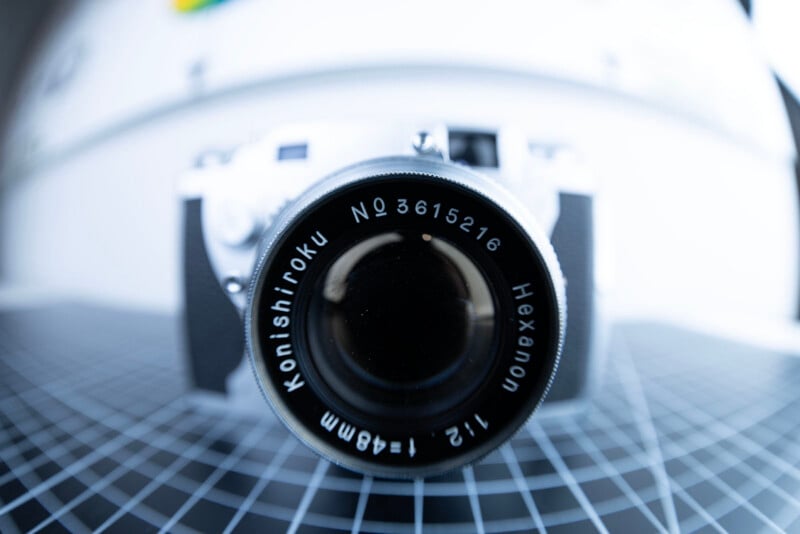
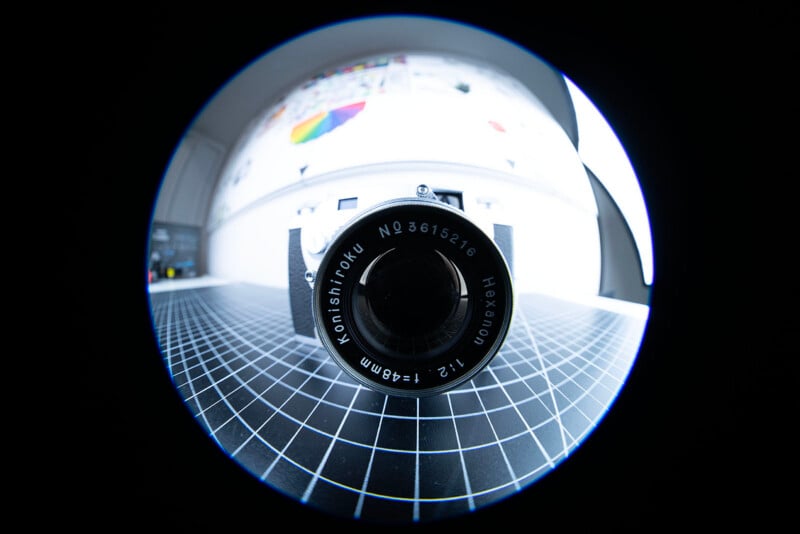
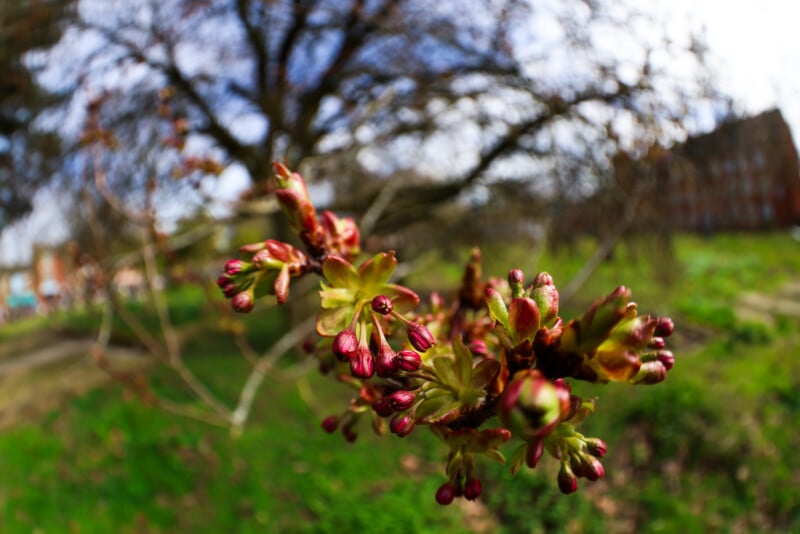
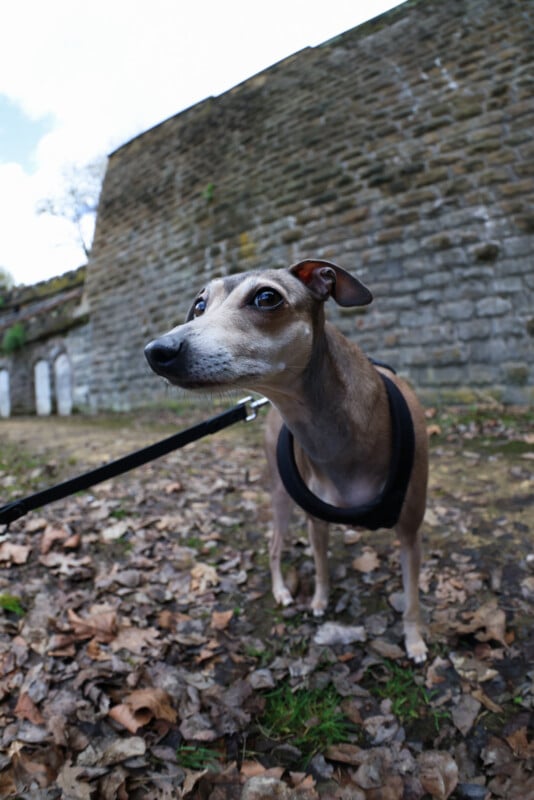
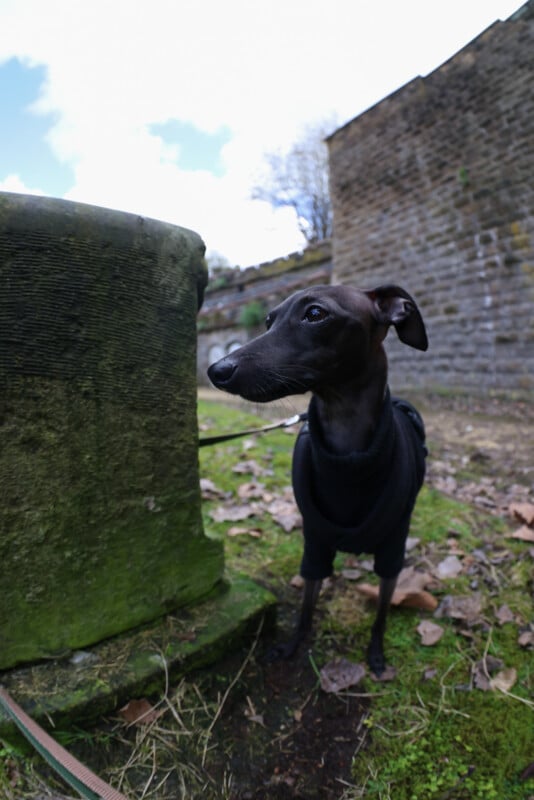

One of the more strenuous tests I put it through was at a skateboard event in a poorly lit warehouse. The system performed really well: out of hundreds of shots, there was only one sequence where it lost focus completely. And yes, I probably could have done with a flash unit.


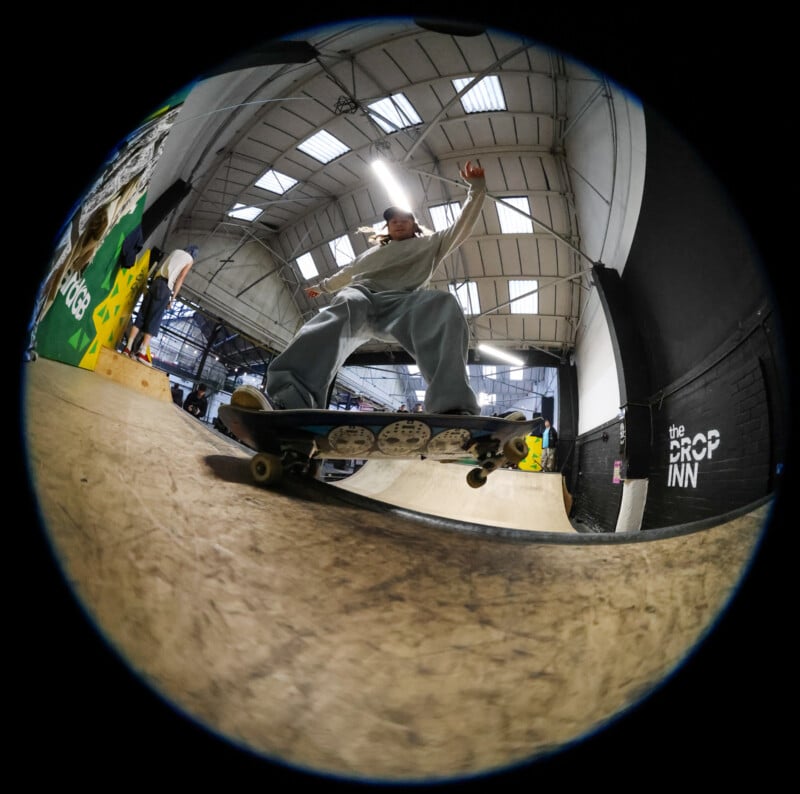



The lens is impressively sharp across the entire frame, even in the distorted edge areas. There is blue fringing that occurs on the 7mm end, but Canon says that’s left in intentionally. Plus, it’s straightforward to get rid of in post for those who want it gone.
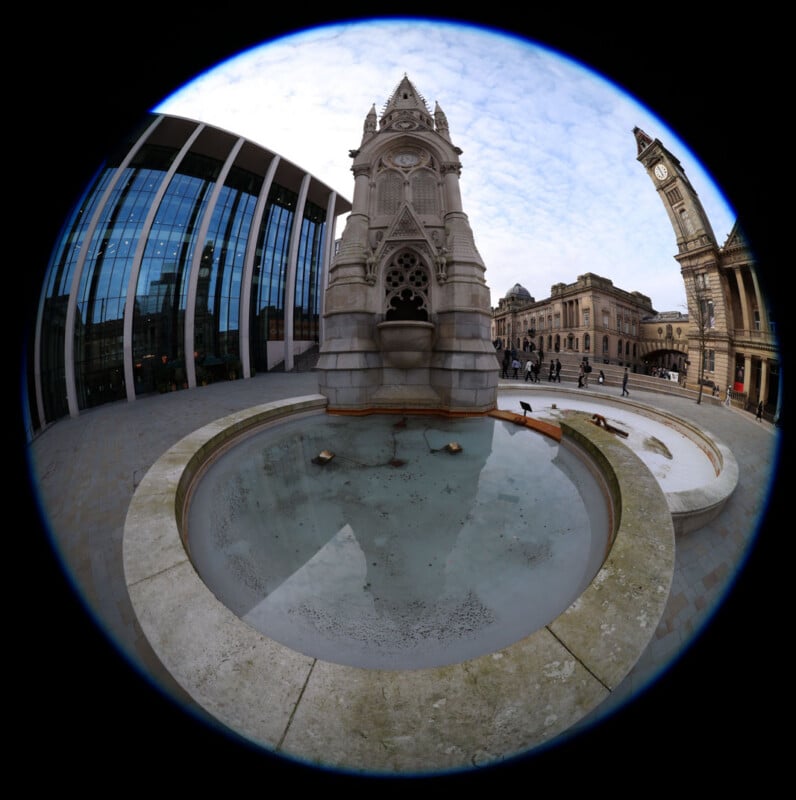

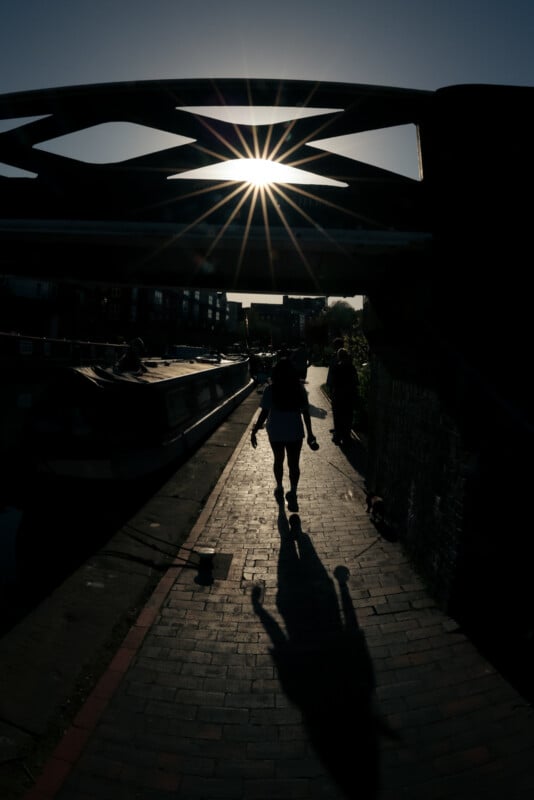
Like the Canon RF 14mm f/1.4L VCM, it can do a good sunstar; the minimum f/29 aperture helps, which is handy because no matter where you point this lens, there’s a good chance you will get the sun in it. But unlike the 14mm prime, I didn’t notice any ghosting.
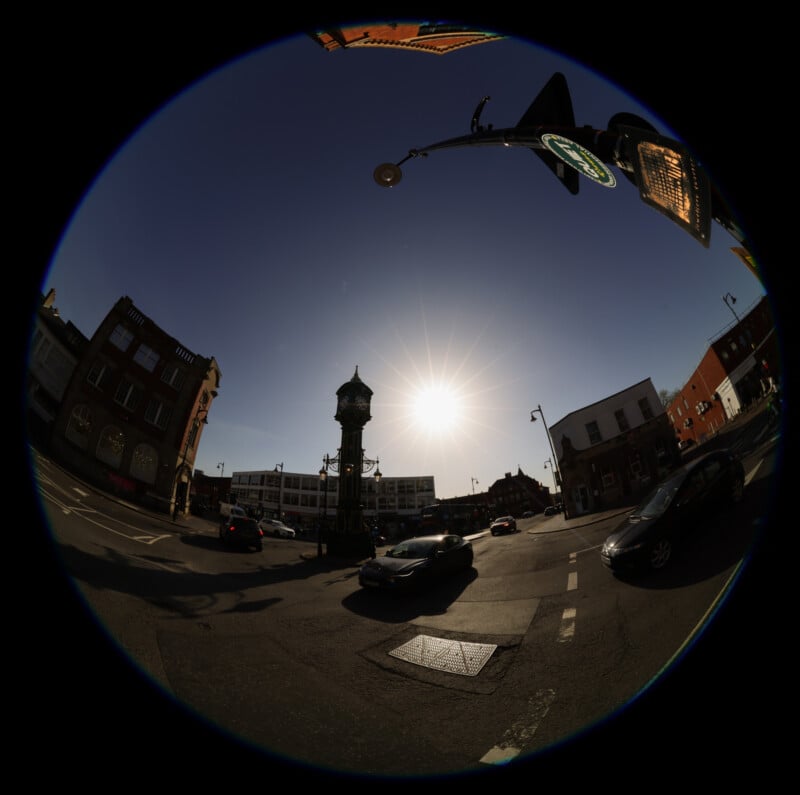
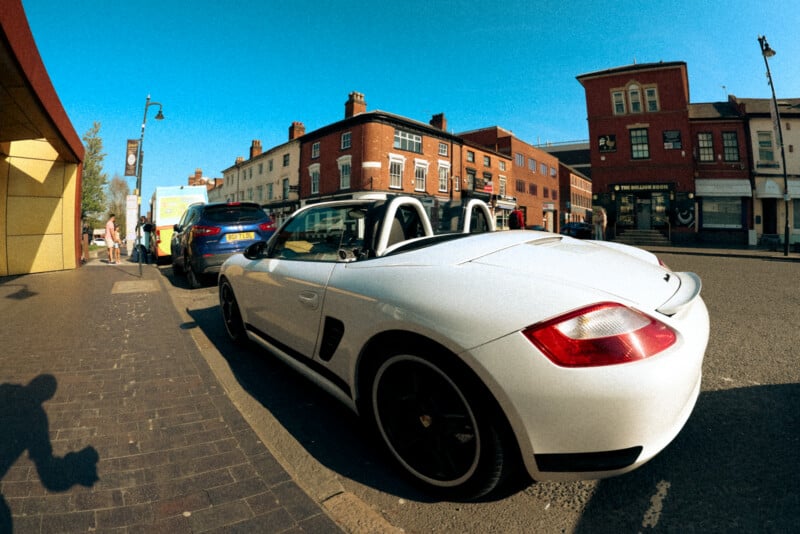
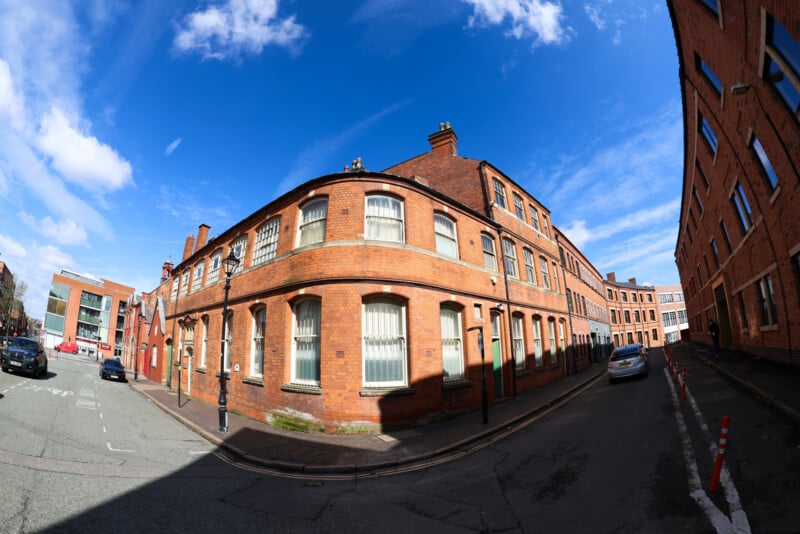
Canon RF 7-14mm f/2.8-3.5L Fisheye STM: A Specialized Lens Unlike Anything Else
Fisheye lenses are associated with skating, which is why I took to the skateboard jam. I was a little nervous about a stray board cracking the glass, but that’s all part of the anticipation. You have to watch the skater rather than the camera.
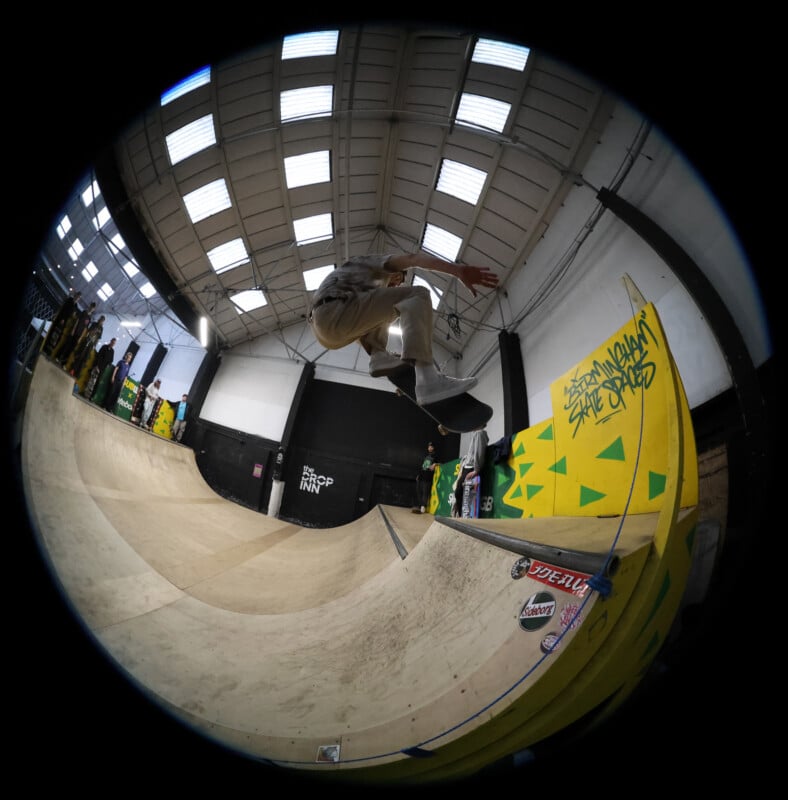
Astrophotography is another obvious application. That massive field of view allows for spectacular starfield shots. It’s probably a little too wide for traditional landscapes, but I did think it was fun to shoot with around the city, where buildings and trees can distort around the edges, and you can have some fun playing with that in the composition.
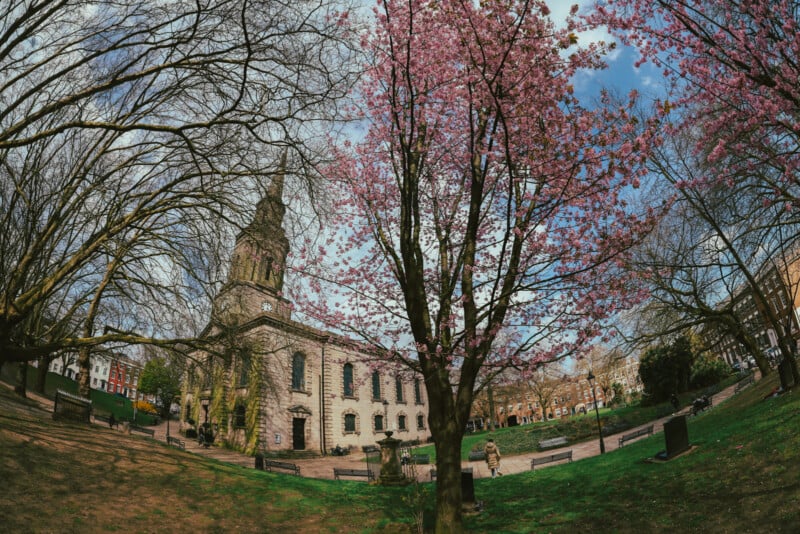
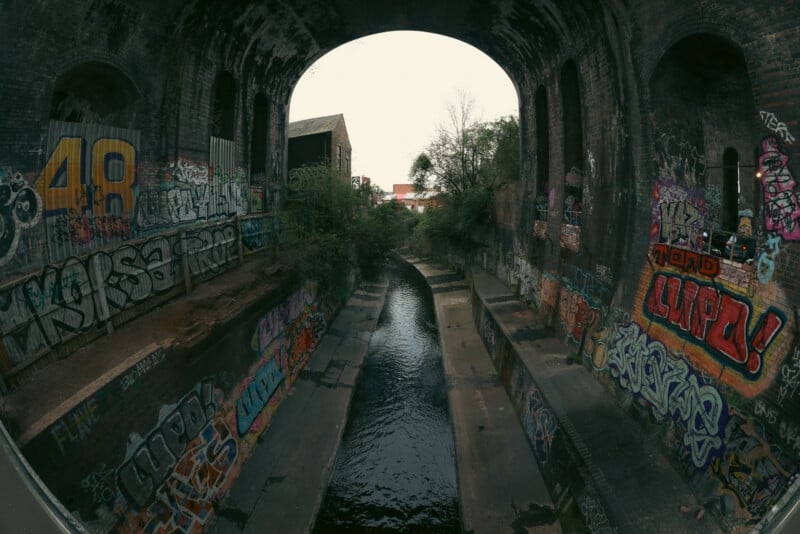
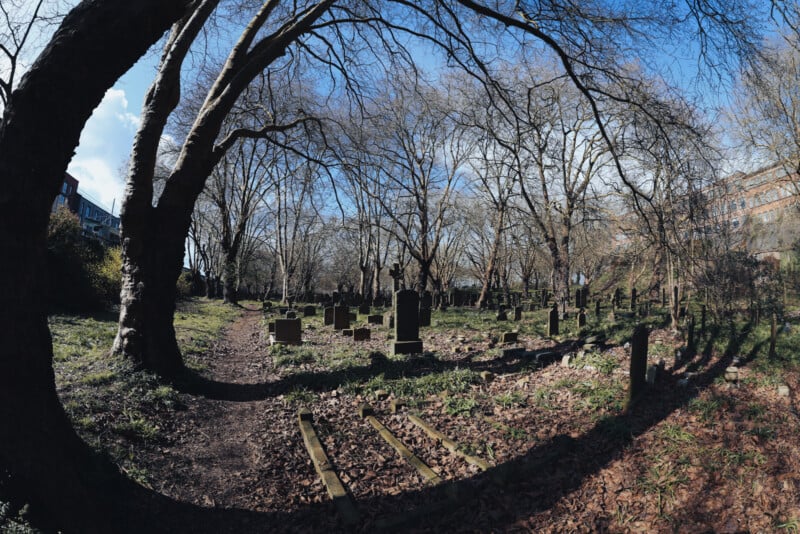



Outside of that, there are obvious possibilities with VR or 180/360-degree photography. Canon suggests that it could be a good underwater lens, too.
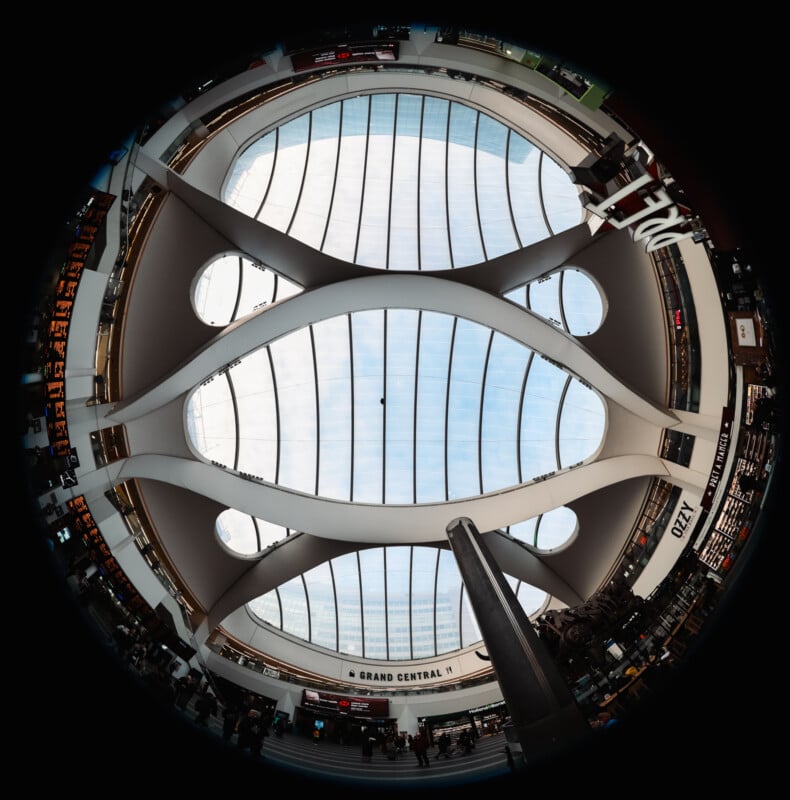
Look, 14mm is as wide as you can get without losing pixels. The 7mm end won’t be to everyone’s taste, but I found myself using it far more than I expected. A circular image like that is unusual, but for certain subjects, I think it really works. Your eye starts searching for spherical subjects to shoot. The shot of the roof of Grand Central (the one in Birmingham, England, not New York) is a great example. There’s no other lens in the RF family that can achieve that.
Are There Alternatives?
The Canon RF 14mm f/1.4L VCM prime is an interesting comparison for those who just want something really wide but don’t necessarily want to commit fully to a fisheye lens. The RF 14mm f/1.4’s 114-degree field of view is still very wide, but it doesn’t come with the 180-degree diagonal fisheye capabilities of Canon’s new RF 7-14mm. Sometimes less is more, especially for photographers who don’t necessarily want their photos to look unnatural.
I’ve been using the RF 15-35mm f/2.8L as main lens for a while, and yes, it’s a wide lens, but it’s very different to the 7-14mm, which forces you to think a little differently about what you’re shooting and the positions you’re taking.
For Canon EOS R owners seeking the unnatural, wild look of a fisheye, the options are sparse, especially if you want autofocus capabilities. The most obvious alternative is the Canon EF 8-15mm f/4L Fisheye USM and an EOS EF-to-RF adapter. This lens is cheaper, but it’s also slower and has less field of view than the new RF lens. Canon has pulled out all the stops with its new RF fisheye lens, so you can also expect a drop in image quality with the older EF lens.
Those open to manual focus have some options, but not many. There is the 7Artisans 10mm f/2.8 Mark II fisheye prime, which has a 185-degree field of view and is locked to a diagonal fisheye perspective. Then there’s the somewhat absurd AstrHori 6mm f/2.8 circular fisheye with its 220-degree field of view. TTArtisan has an 11mm f/2.8 diagonal fisheye, too. These lenses range from $235 to $299, so they are a much more affordable entry point into fisheye photography on Canon EOS R mirrorless cameras. Any of them could be a nice way for people to get their feet wet to see if taking the $1,899 plunge to Canon’s new fisheye zoom is worthwhile.

Should You Buy It?
Yes. But then Canon’s refusal to allow third-party lenses means there’s no real competition, so that answer should not surprise you. However, that doesn’t mean the lens isn’t worth it: photographers engaged in a particular type of work will likely find this lens handy. It’s never going to be anyone’s main lens (unless you only shoot skateboarding), but when the job calls for something a little different, it’s a useful weapon in the armory.
Image creditsPhotographs by Matt Growcoot.
Affiliate Disclosure PetaPixel articles may include affiliate links; we may earn a commission if you buy through one.