NASA’s Photography Trainers Say Artemis II Astronauts Exceeded Their Expectations
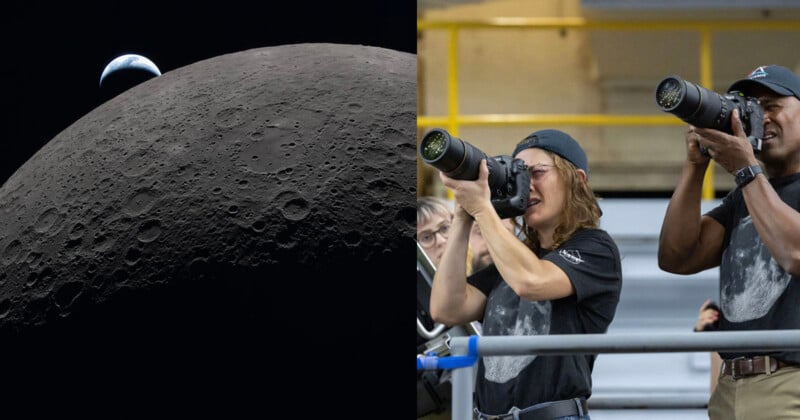
There’s little doubt that the Artemis II astronauts took some astounding photos on their historic trip to the Moon, but even their photography instructors back on Earth were taken aback by just how well they did.
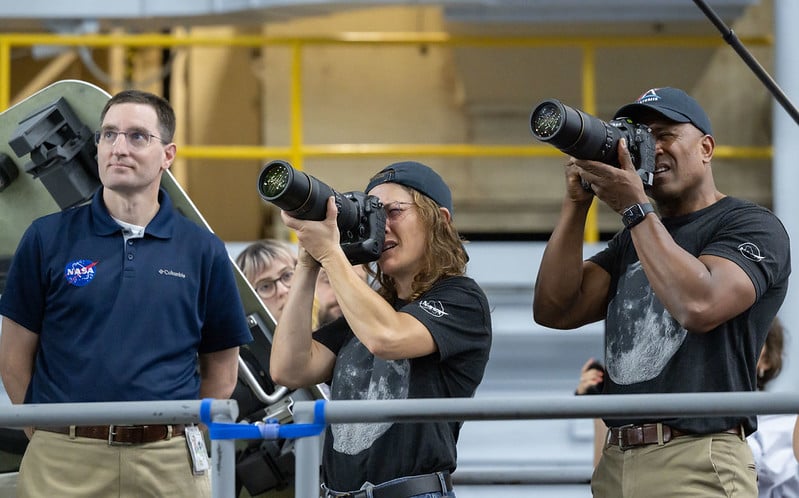
NASA photography and video trainers, Paul Reichert and Katrina Willoughby, tell Reuters that all astronauts undergo “four to six hours” of camera training upon joining the programme, but once they have a space assignment, they will complete 10 photography classes, which amounts to about 20 hours training.
“Most people can use a camera and get a photo that is good enough, but good enough isn’t what we’re after scientifically. We’re really teaching the astronauts how to go beyond the basics,” Willoughby tells the Rochester Institute of Technology (RIT). “Being able to understand how to use the equipment and what the options are gives us a lot more capability.”
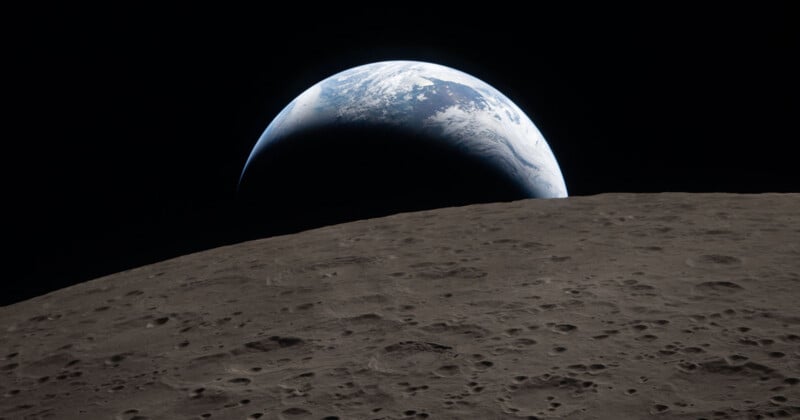
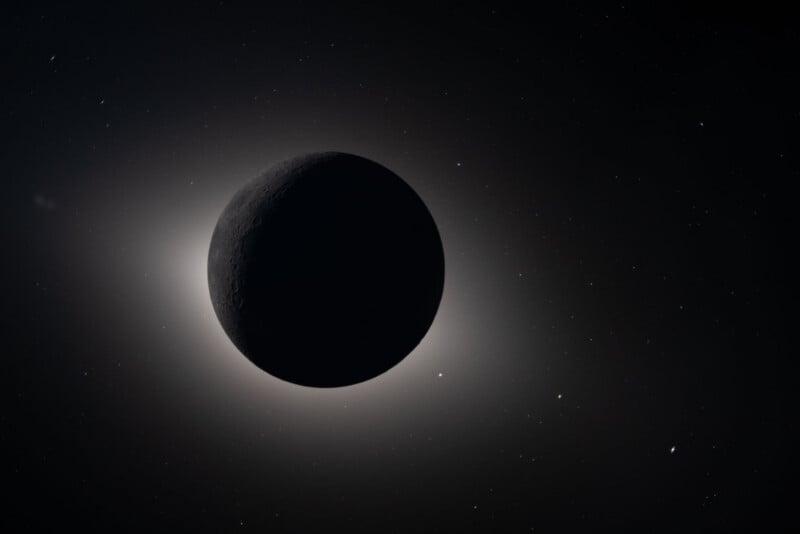
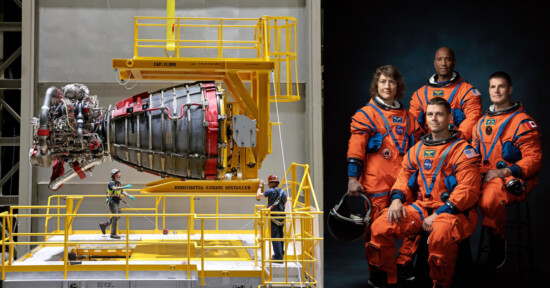
Reichert and Willoughby both trained the Artemis II crew, which included building a mock-up of the Orion capsule and a giant inflatable Moon suspended in the dark.
“For training, we’ll give them a problem or request for a certain kind of photo, and then we let them work through how they’re going to accomplish the task,” Reichert tells RIT. “In the end, when they’re on their space mission, we can’t be there with them, so they need to feel confident that they can figure some of this stuff out on their own.”
Reichert notes that most astronauts have very little experience in photography, so the training before they fly is crucial. It’s not just about getting stunning photos either — the cameras are crucial to the overall operation.
“If something breaks, for example, we need a picture or video to show us on the ground what’s going on. Sometimes, the imagery is what is needed to move forward, so it is important that the crew can get it right the first time,” says Willoughby.
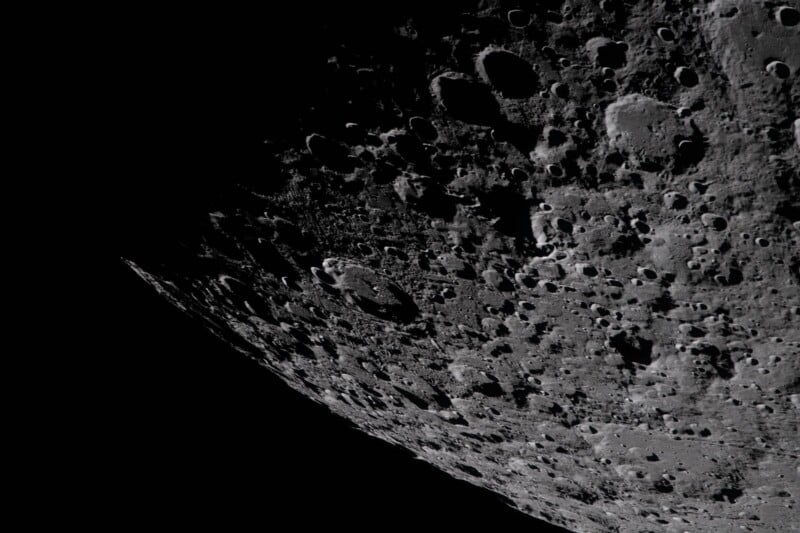
The Cameras on Artemis II
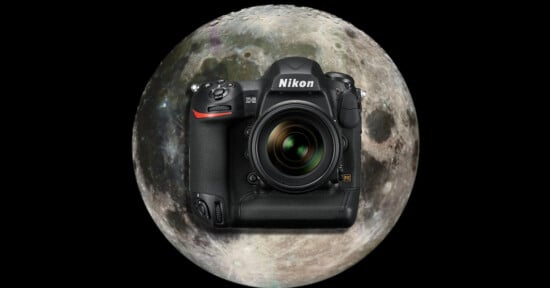
Much was made about the choice of camera for the mission: a 10-year-old Nikon D5 DSLR. Reichert tells Reuters that the workhorse camera is spaceflight-proven.
“We had a lot of flight experience with it,” Reichert says. “We knew it could handle radiation, at least several years of radiation dosage on the ISS, and it didn’t have any problems with it.”
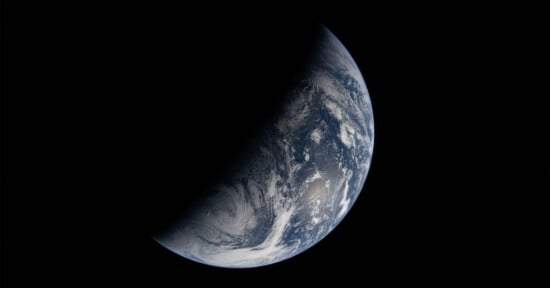
As PetaPixel explains, the Nikon D5 also has incredible low-light performance and remains the best high ISO performer in all Nikon digital cameras, including mirrorless. This makes it ideal for capturing photos of the Earth — even the side that’s in shadow.
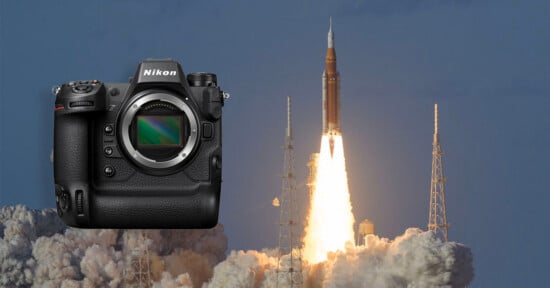
The other notable camera onboard was the iPhone 17 Pro Max, a late addition. But both the Nikon and the iPhone shared a similar challenge: transmitting the data.
“One thing we do have to think about on board is, ‘What does it take to get files down?'” Willoughby tells Reuters. “And unfortunately, we don’t have bandwidth. And that’s something a lot of people down here [on Earth] are really used to instantly having.”
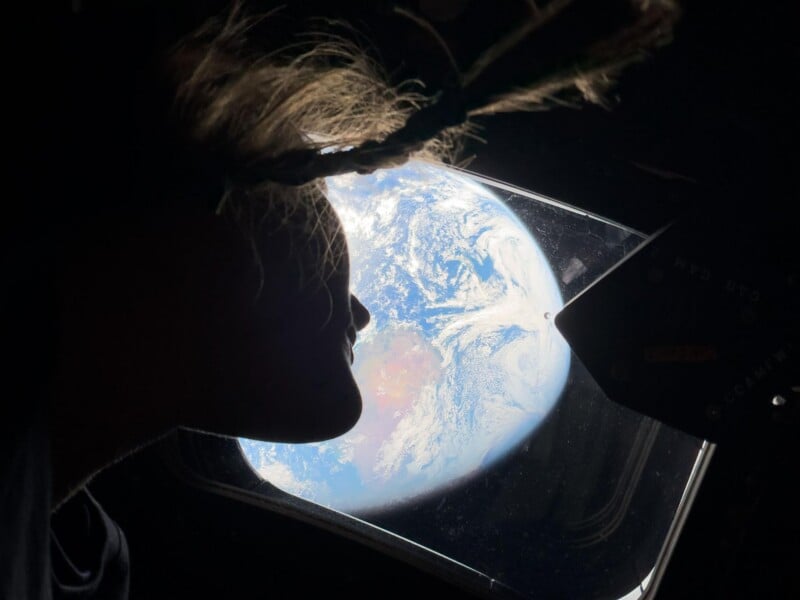
Nevertheless, the crew did manage to send the photos back to Earth before their successful splashdown
Image creditsNASA
Affiliate Disclosure PetaPixel articles may include affiliate links; we may earn a commission if you buy through one.