Fujifilm X-Pro2 8.5/10
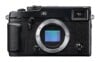
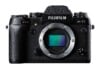
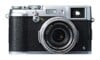
That’s why the X-Pro2 exists, and that’s why it’s my favorite digital camera in the world today.

That’s why the X-Pro2 exists, and that’s why it’s my favorite digital camera in the world today.
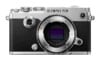
If you're in love with the idea of a digital camera that looks, feels, and operates like a classic film camera, the Pen-F is one of the best ever made. And if you already own a number of Olympus lenses, it has to be a tempting indulgence.
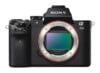
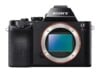
Those comparisons still apply to the A7 II: it’s a more compact full-frame camera than any other camera maker provides.
I’ve been searching for the perfect, no-compromises mirrorless camera for a long time. I think I’ve found it.
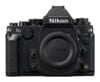
The Df asks for too many usability compromises to simply dress up modern performance in a retro shell.
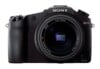
It’s a camera for everyone, for every situation. It’s easily the best superzoom I’ve ever used, and a camera that will satisfy just about anyone who buys it.
The a7 and a7R are those cameras, and for most people and most uses, they easily replace a DSLR.
During my entire time with the X100S, I’ve struggled with who exactly this camera is for.
It’s a solid camera.
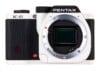
For anyone without a lot of Pentax glass, you should be able to find a better camera for less money.
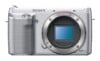
NEX cameras still set the bar for this kind of shooter, but there’s some good competition now.
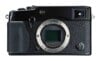
The Fujifilm X-Pro1 does almost everything right: it’s a beautiful (if enormous) camera, it takes great pictures and video, and once you take the time to learn its controls and systems it’s as capable a shooter as I’ve tested.
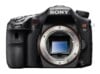
The A77 is an excellent camera that will serve most people very well, but it’s hard to recommend it over the Nikon D7000, the Canon EOS 60D, or even Sony’s own NEX-7, which takes equally fantastic pictures and videos in a body far smaller and at a price far lower.
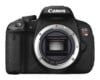
At the risk of sounding like a broken record, this is not a camera you should buy unless you already own a DSLR.