A new investigation has uncovered how a brave photographer, who risked his life taking hundreds of pictures of Nazi-occupied France, may have been betrayed by two neighbors.
In April 2020, a mysterious album containing hundreds of photos of daily life during the German Nazi occupation of Paris from 1940 to 1942 was discovered in a flea market in Barjac in Gard, France.
Raoul Minot.
1940-42. Paris occupé WW2 pic.twitter.com/SBnUj87HWA— Paris Paname (@ParisAMDParis) August 24, 2024
Le Monde journalist Philippe Broussard began a four-year investigation to identify the photographer, who had taken at least 700 pictures of Paris during the first two years of the Occupation. At the time, unauthorized photography was banned by the Nazis, and taking such pictures could carry the death penalty. In 2024, Broussard identified the photographer as Raoul Minot.
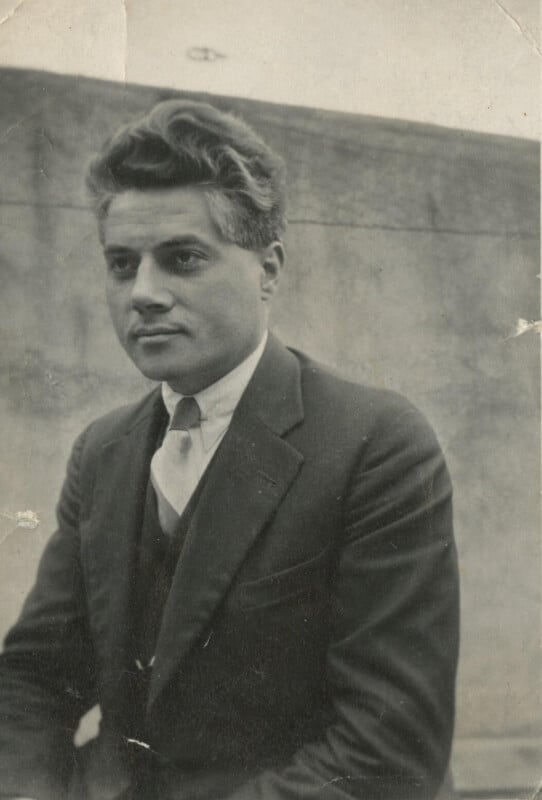
Minot used a “little Kodak Brownie 6/9 camera” and developed the prints in the photographic laboratory of the department store where he worked. He then sold hundreds of his images to the French Resistance, a collection of groups that fought against the Nazi occupation during World War II.
However, Minot’s photographic mission came to an end in November 1942, just two years after it began, when an unidentified informer reported his activities to the Nazis.
Minot was imprisoned and deported to Mauthausen concentration camp in Austria on April 20, 1943, where he was forced to perform labor. He was later transferred to Flossenbürg concentration camp in Bavaria and liberated by U.S. forces on April 23, 1945. He tragically died five days later in a hospital in Cham, Bavaria.
Two Neighbors
Following his discovery of Minot in 2024, Broussard set out to uncover who had turned in the photographer to the Nazis for a report in Le Monde. A breakthrough came in April 2026, when a reader contacted Le Monde with a document that could help solve the mystery. Jean-Pierre Gross, a local history enthusiast from Courbevoie, France, had discovered a 1944 report accusing two of Minot’s neighbors, Marie Breux and Georges Robinson, of collaborating with the Germans and helping secure the arrests of people suspected of opposing the Occupation.
The report specifically named Minot, stating that the couple were suspected of having “denounced or, at the very least, incriminated” him. It also claimed they had boasted about getting 18 people arrested.
Breux was the building’s concierge, while Robinson, her partner, was a tailor with a history of theft and other criminal convictions. Both were arrested following the Liberation in August 1944, although no record of a conviction against either has been found.
Further investigation revealed that Robinson had briefly worked at the same Printemps department store as Minot, potentially explaining how he knew about the store’s photographic facilities.
An Anonymous Letter to the Nazis
Broussard later uncovered an anonymous letter sent in December 1942 that accused Minot and his wife of photographing Nazi propaganda posters and bomb damage. The letter prompted a police investigation that led to Minot’s arrest and the seizure of more than 1,000 photographic negatives.
“Sir, could you ask the Minot household, both of whom work at the Printemps — the wife as a cashier, the husband as a warehouse manager — whether their jobs qualify them to take photographs of propaganda posters and air raid damage to our poor country?” the letter reads. “We don’t think it would be very useful to inform you about the troubled times France is going through, thanks to many workers in troubled waters.
According to Le Monde, a handwriting expert subsequently ruled out Robinson as the author of the anonymous letter that triggered the investigation into Minot, but could not exclude Breux. Broussard believes the couple may have worked together to report Minot after discovering that he was photographing Nazi propaganda posters and bomb damage around Courbevoie.
Although there is still no conclusive evidence to establish who sent the letter, Broussard’s investigation has brought researchers closer than ever to identifying the people who may have brought Minot’s secret photographic mission to an end.
Image creditsHeader photo via Service historique de la défense/ Wikimedia Commons CC BY-SA 4.0.
Affiliate Disclosure PetaPixel articles may include affiliate links; we may earn a commission if you buy through one.