Biking and Hiking My Way Across Kyrgyzstan With a Fujifilm X-E5
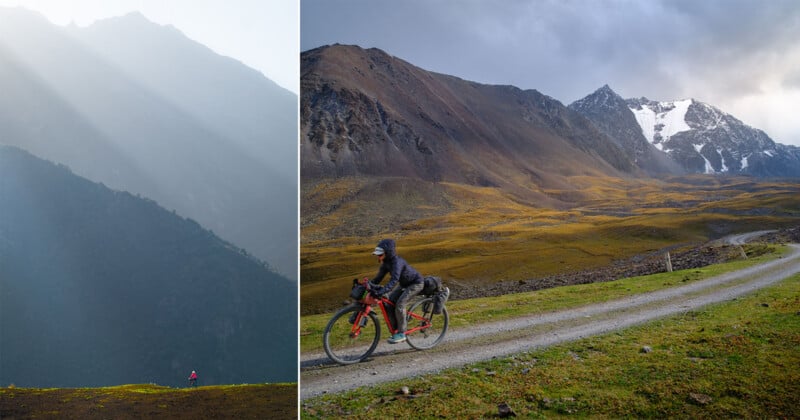
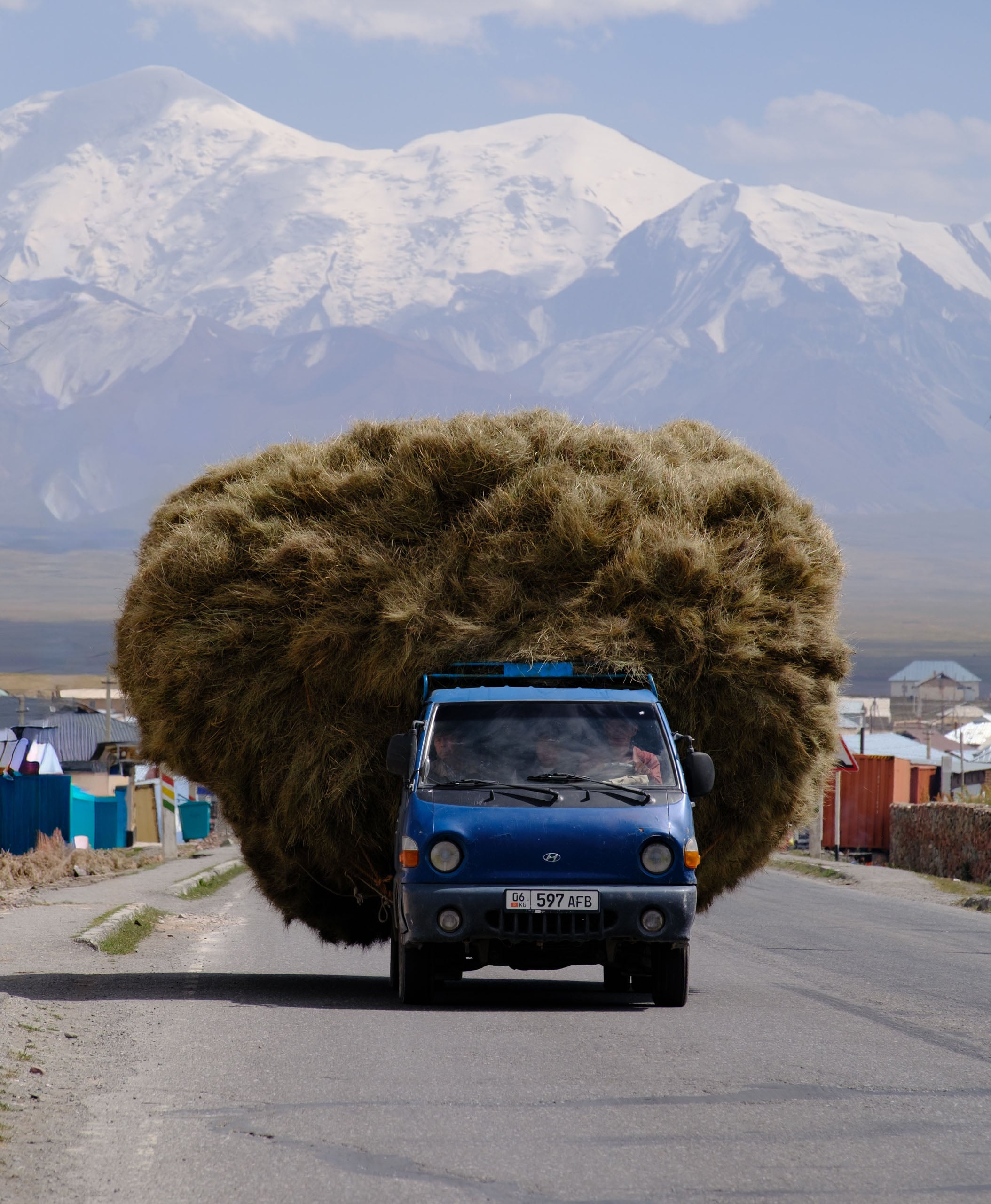
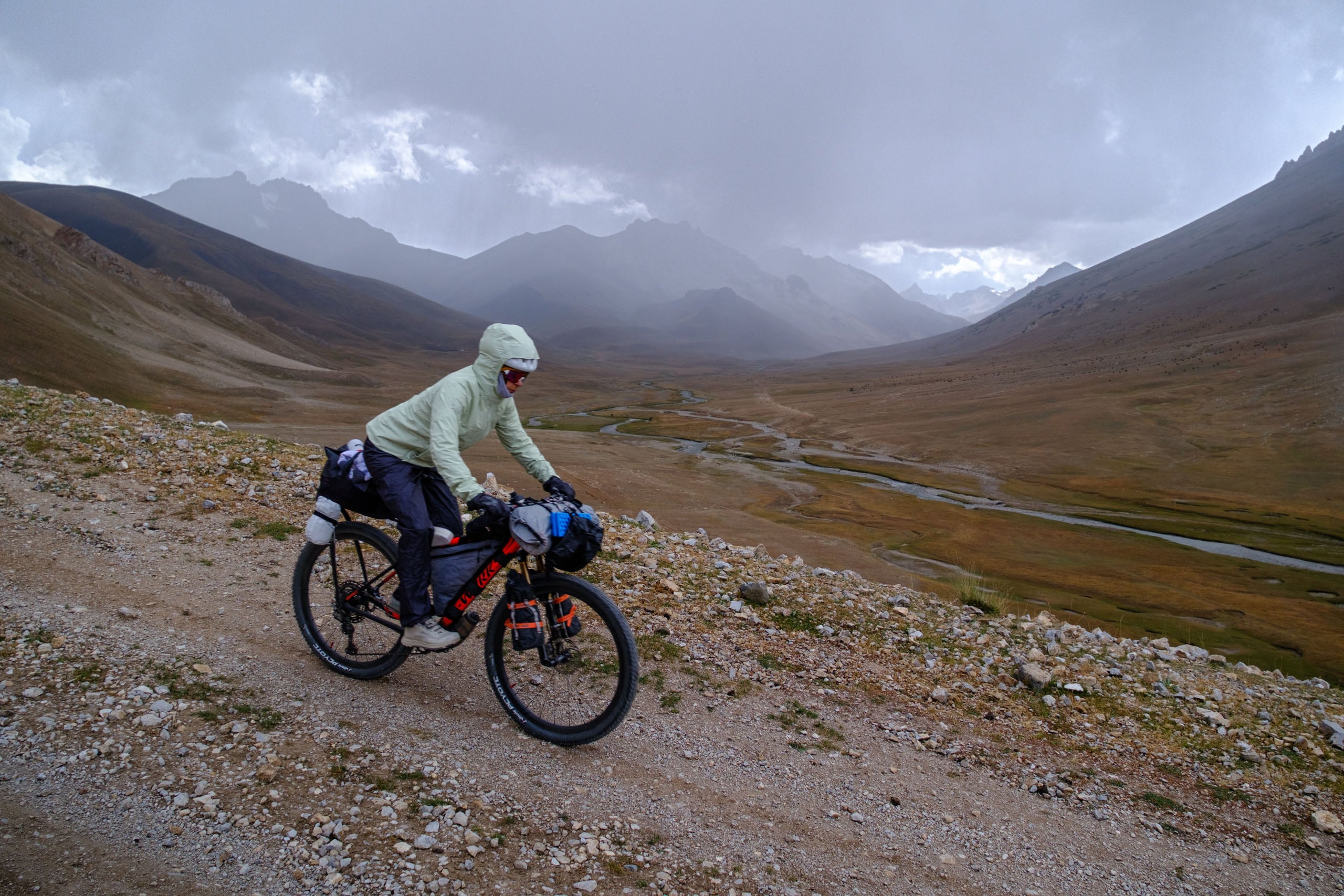
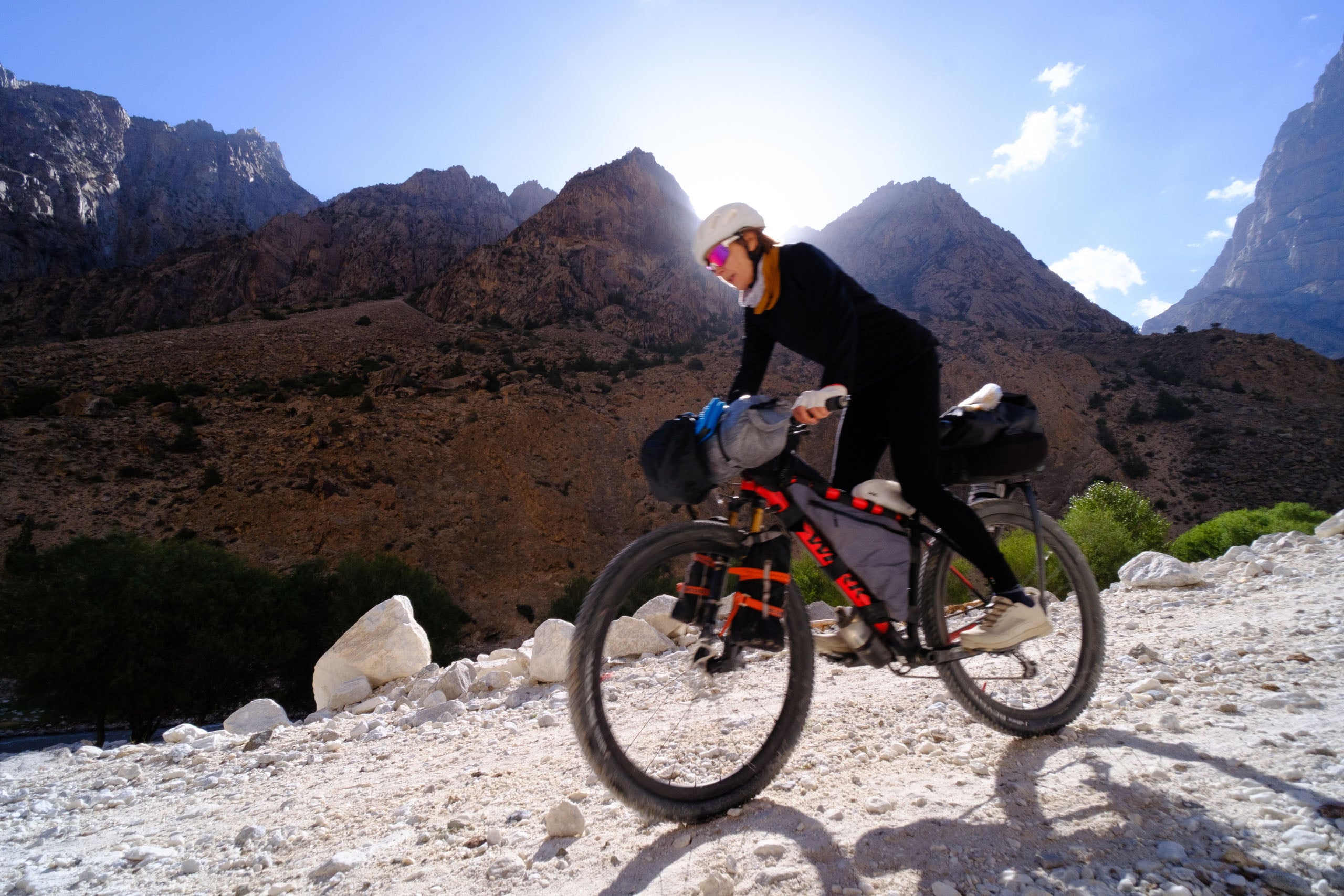
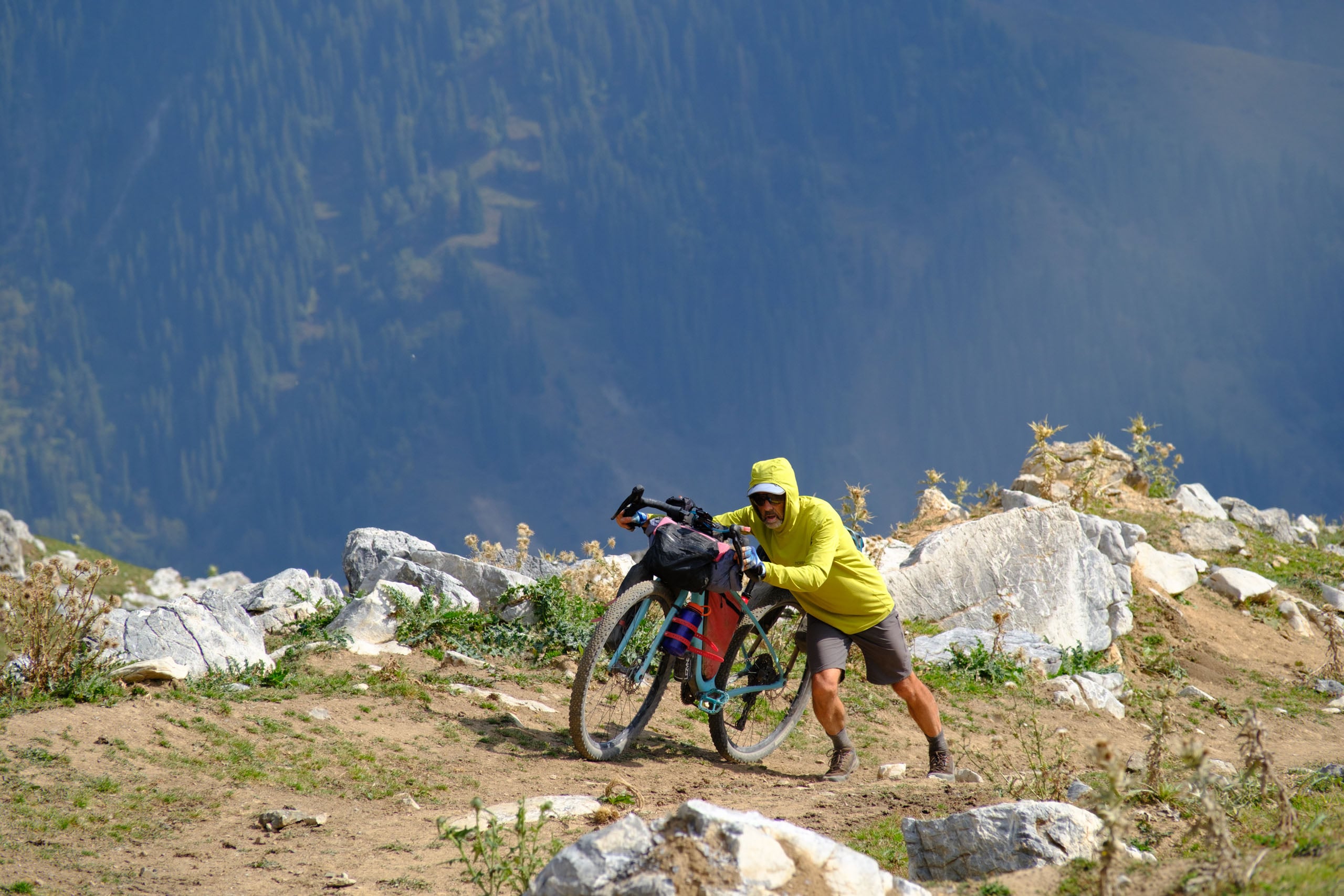
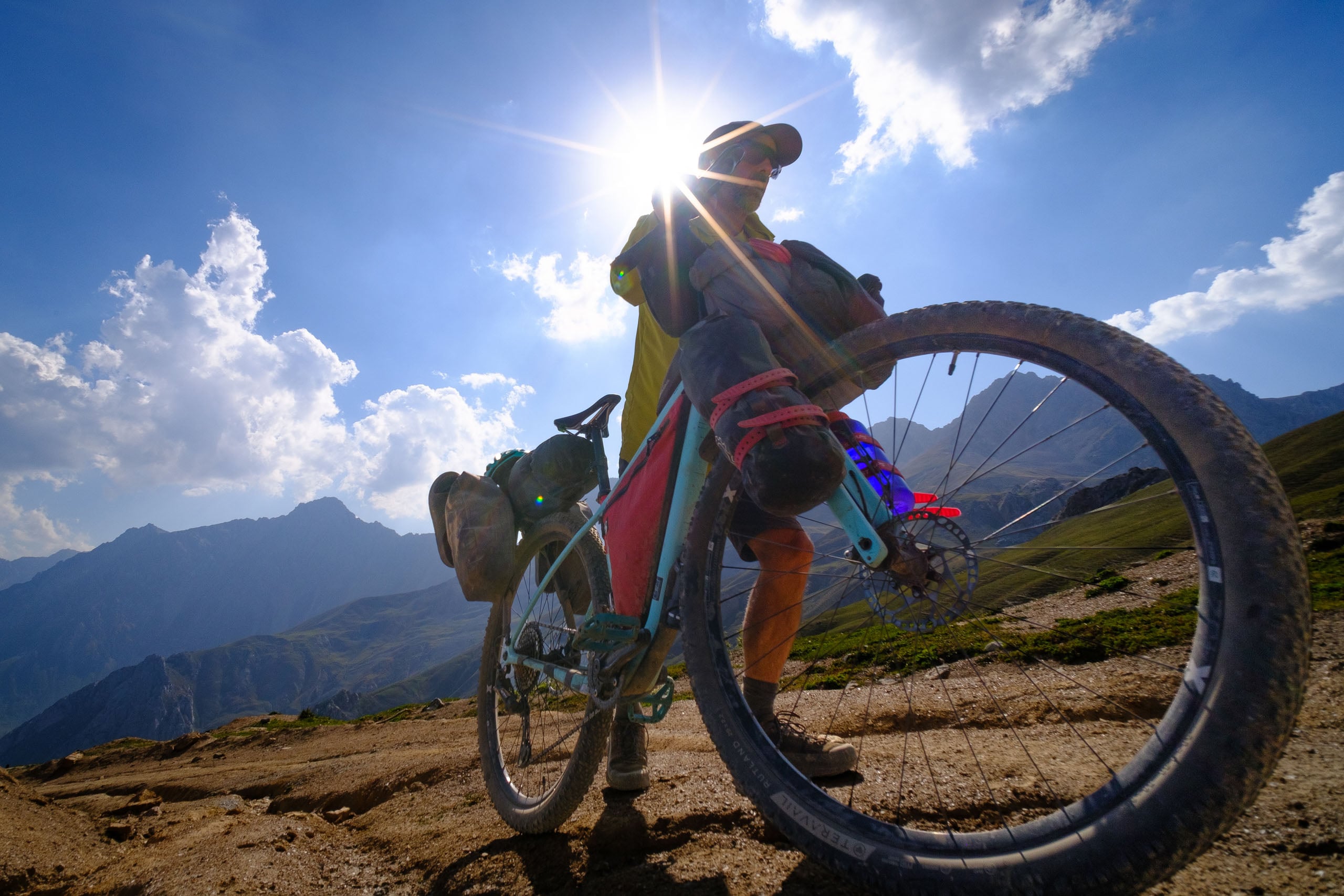
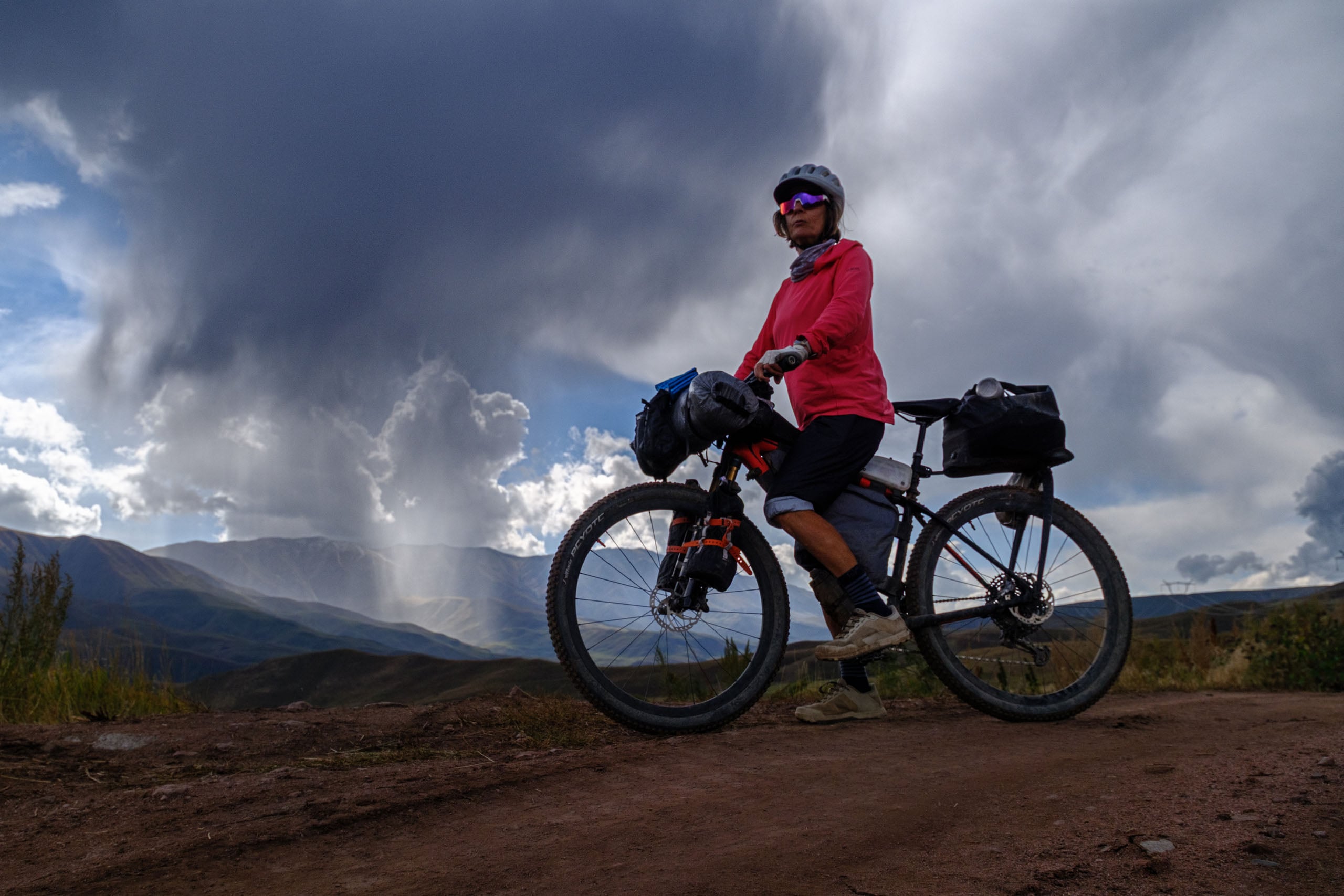
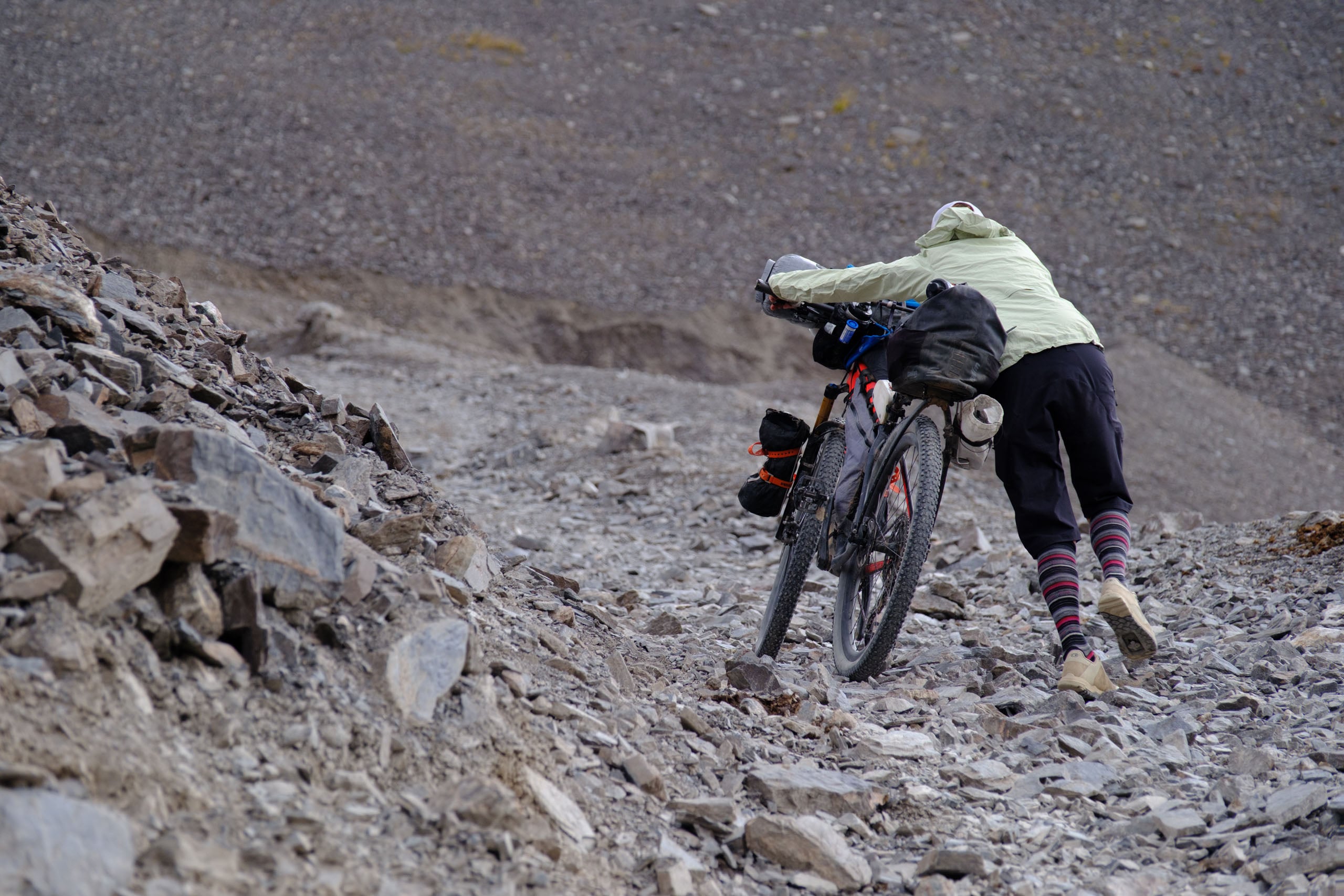
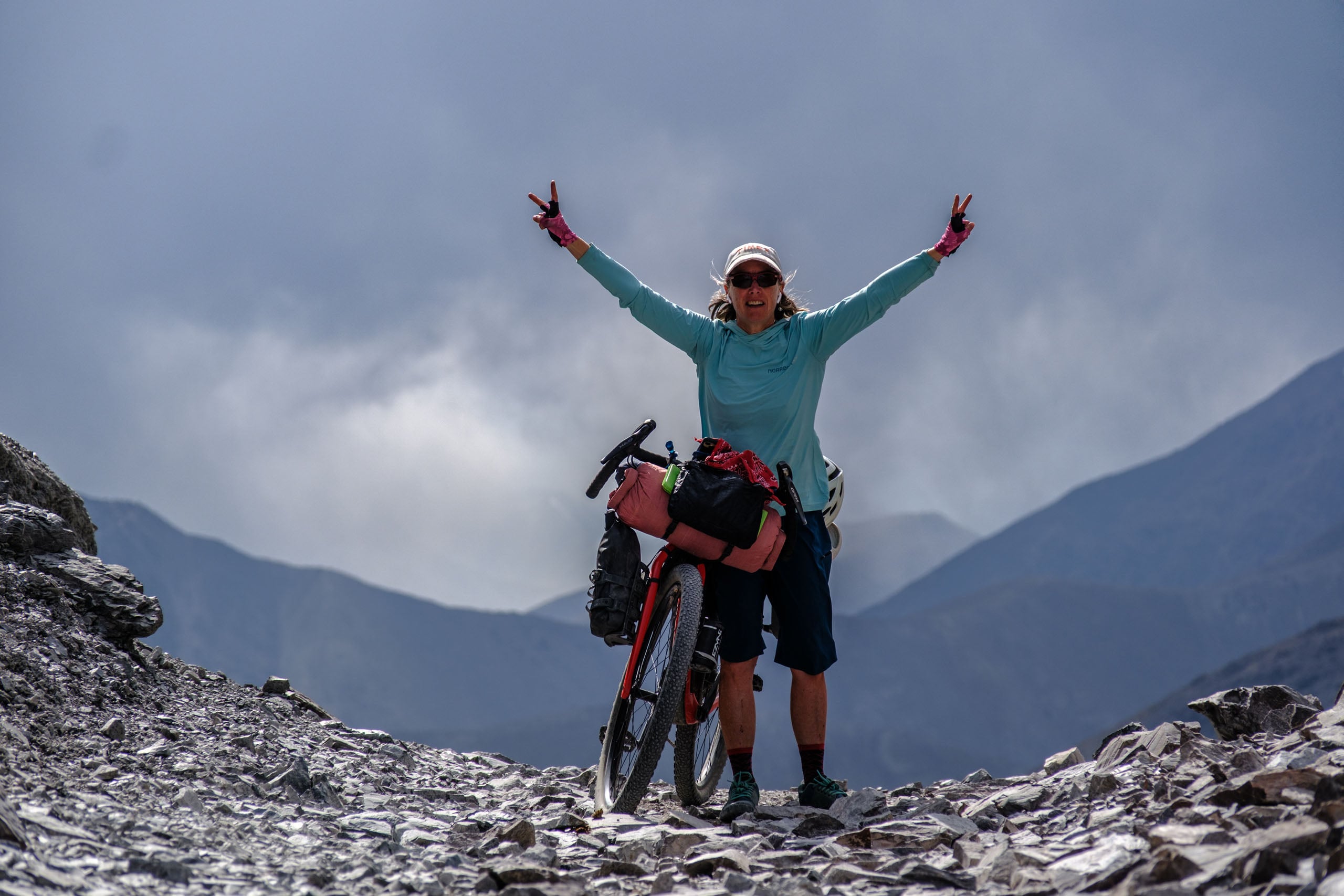
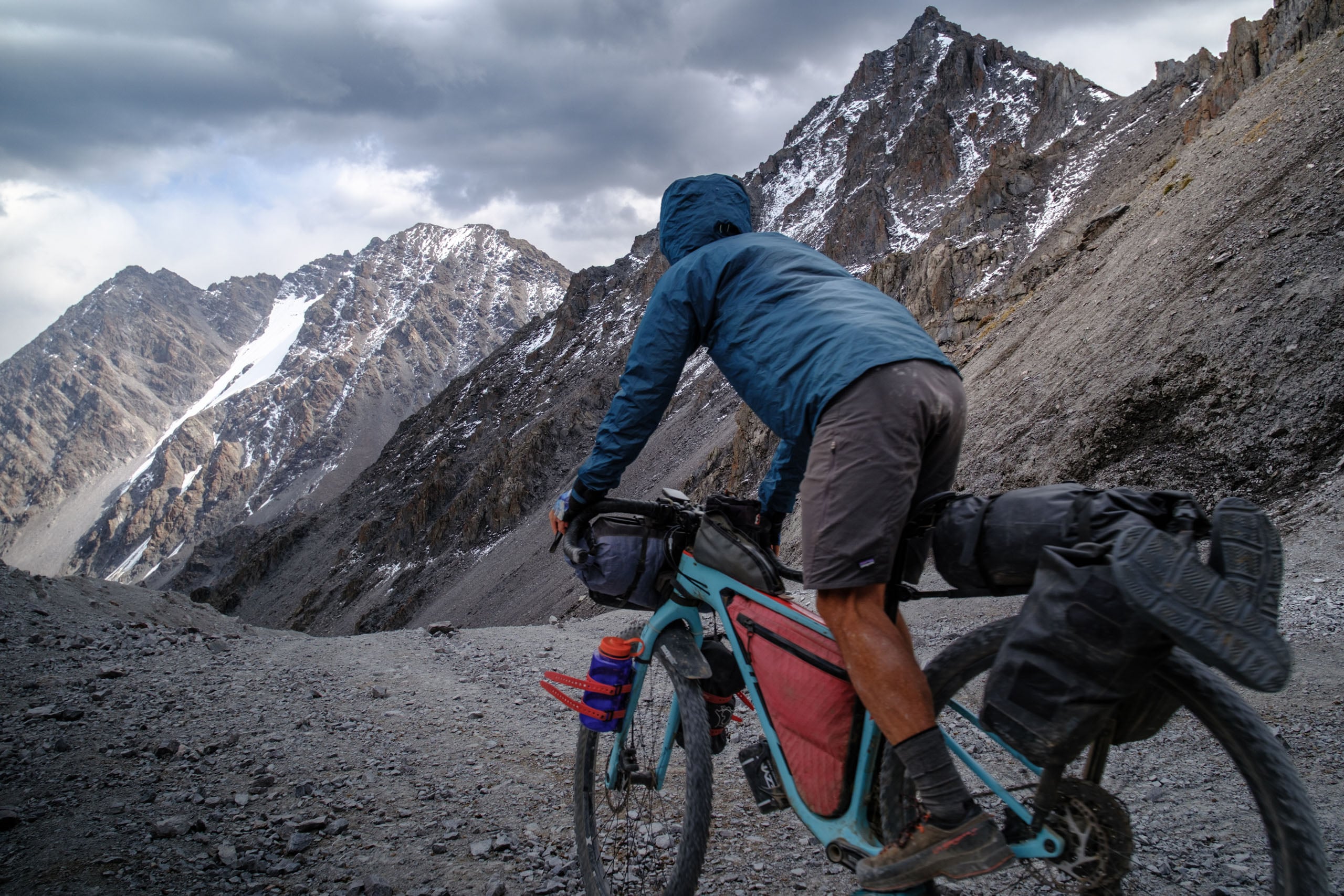
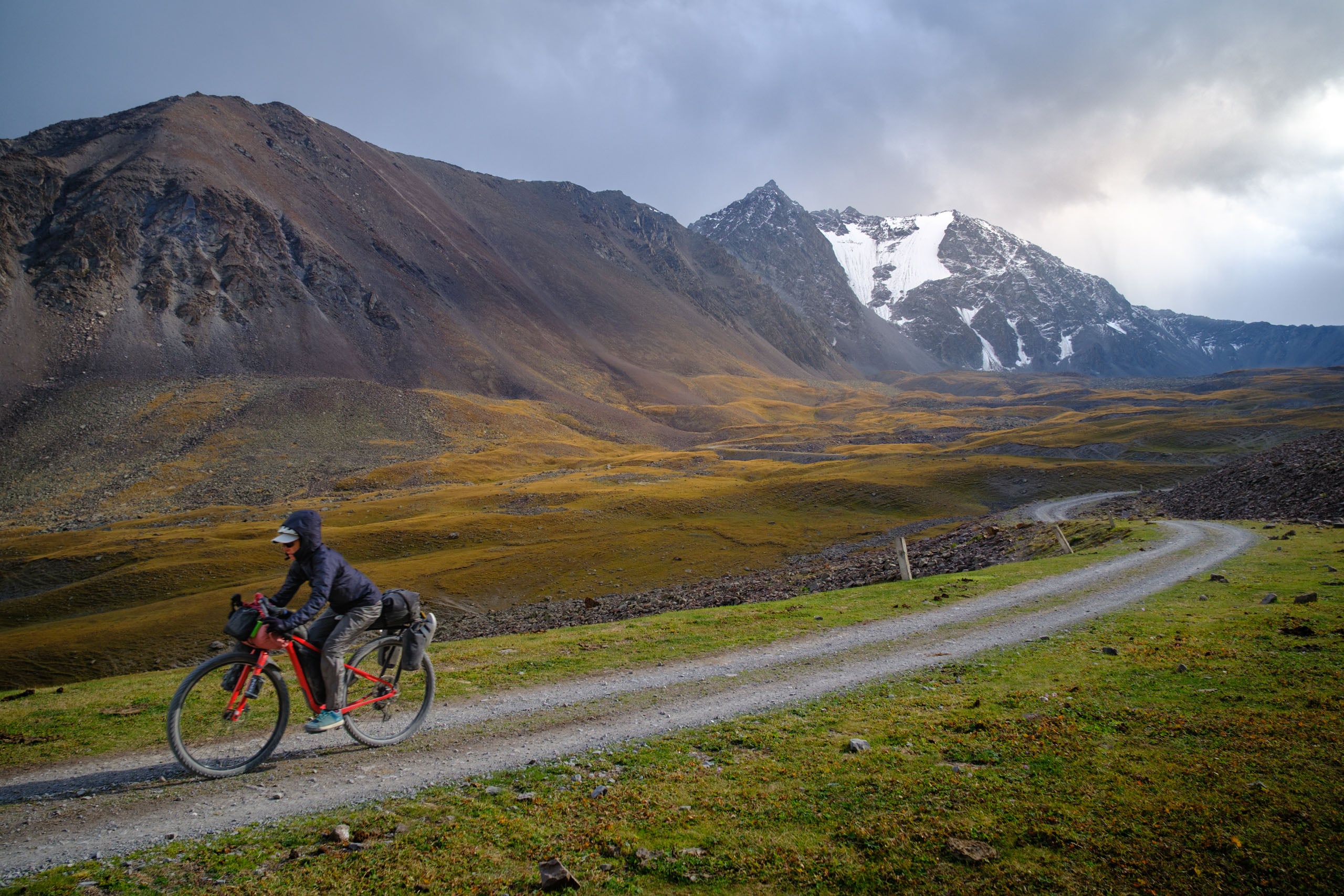
Sweating with labored breath, I push my fully loaded bicycle over Kyrgyzstan’s 12,400-foot Koi Dzolu Pass. The 23,000-foot peaks of the Pamir Mountains loom above while storms dance on either side, pelting me with occasional hail. In moments like this, I deeply appreciate every ounce shaved from my setup to stay mobile.
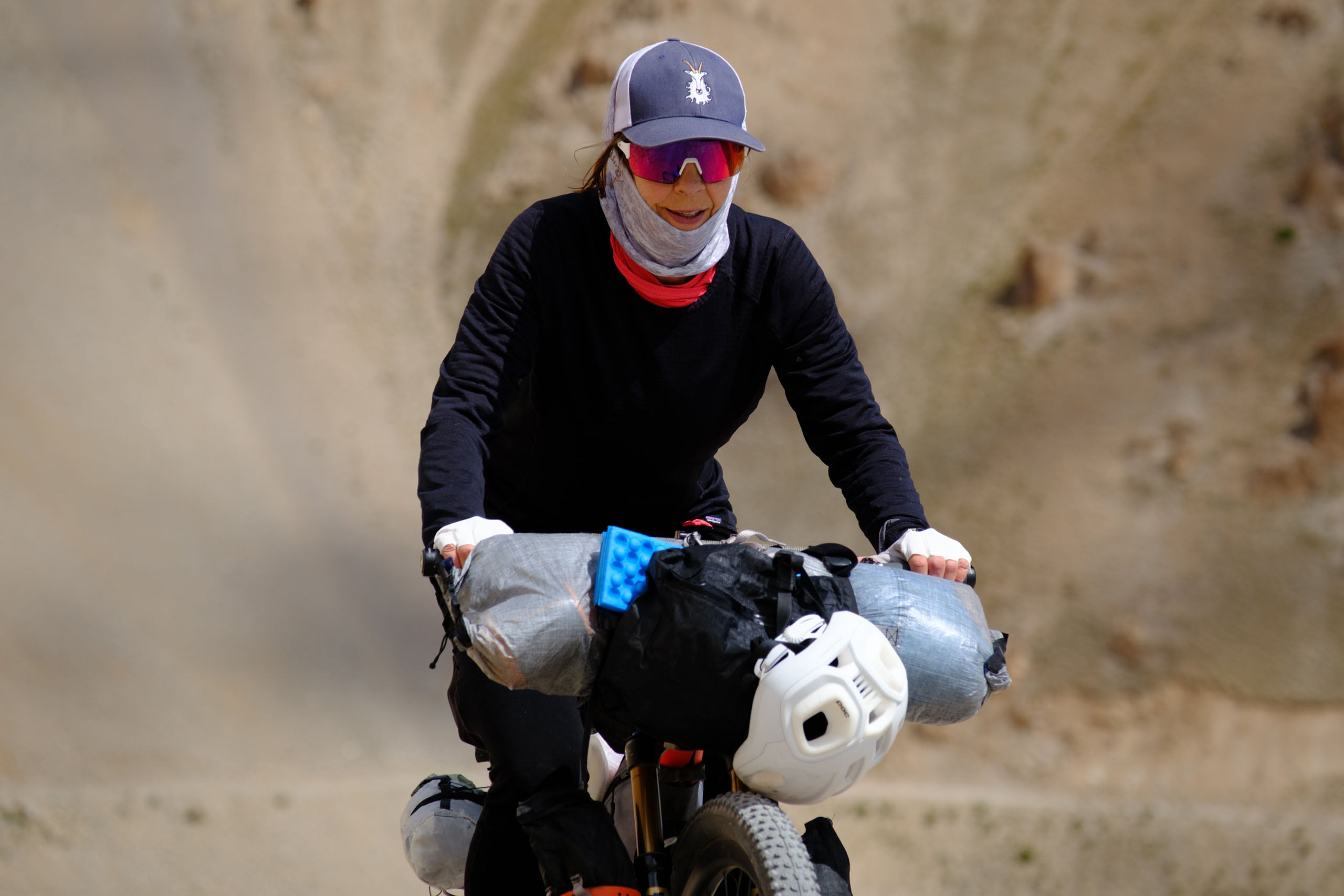
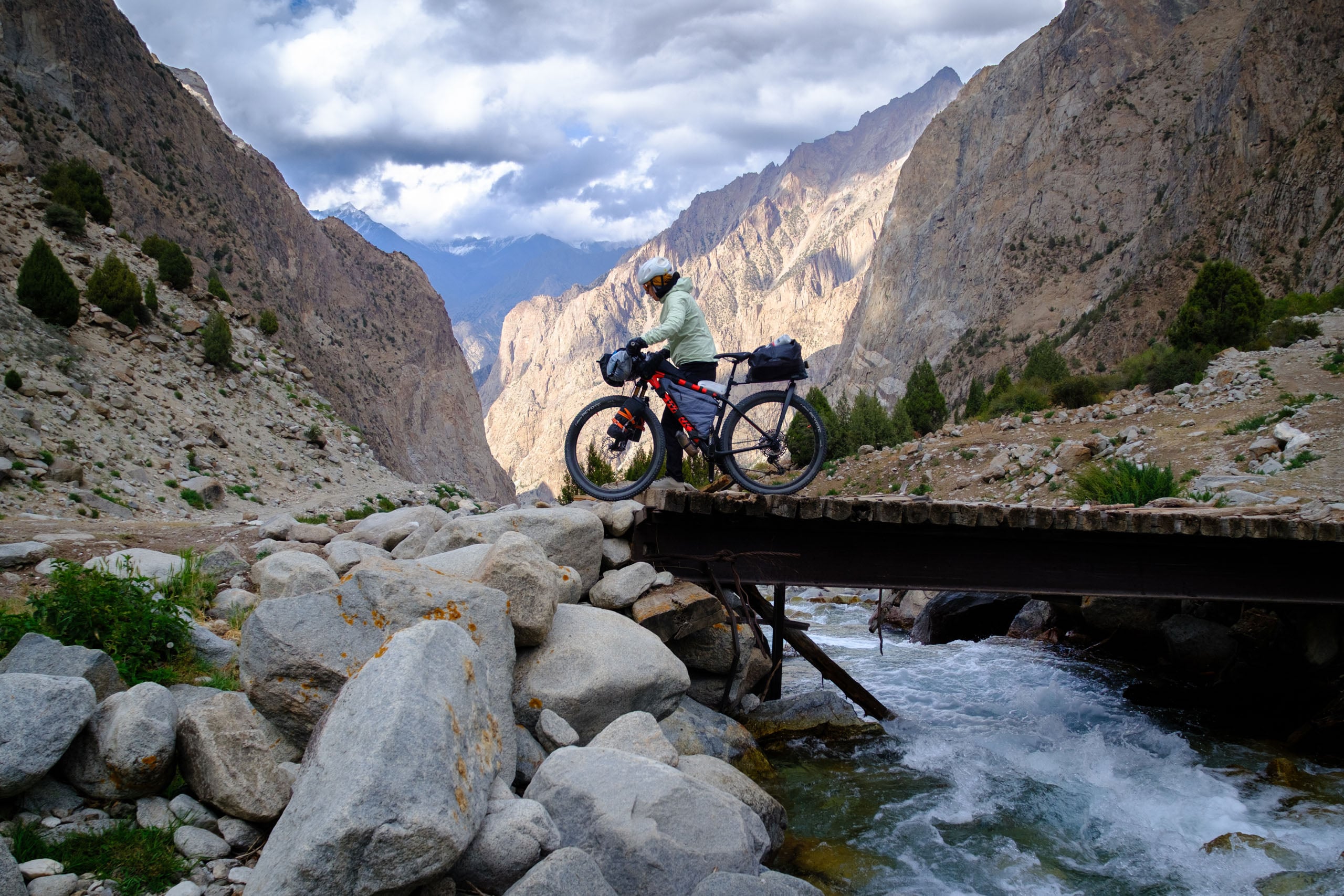
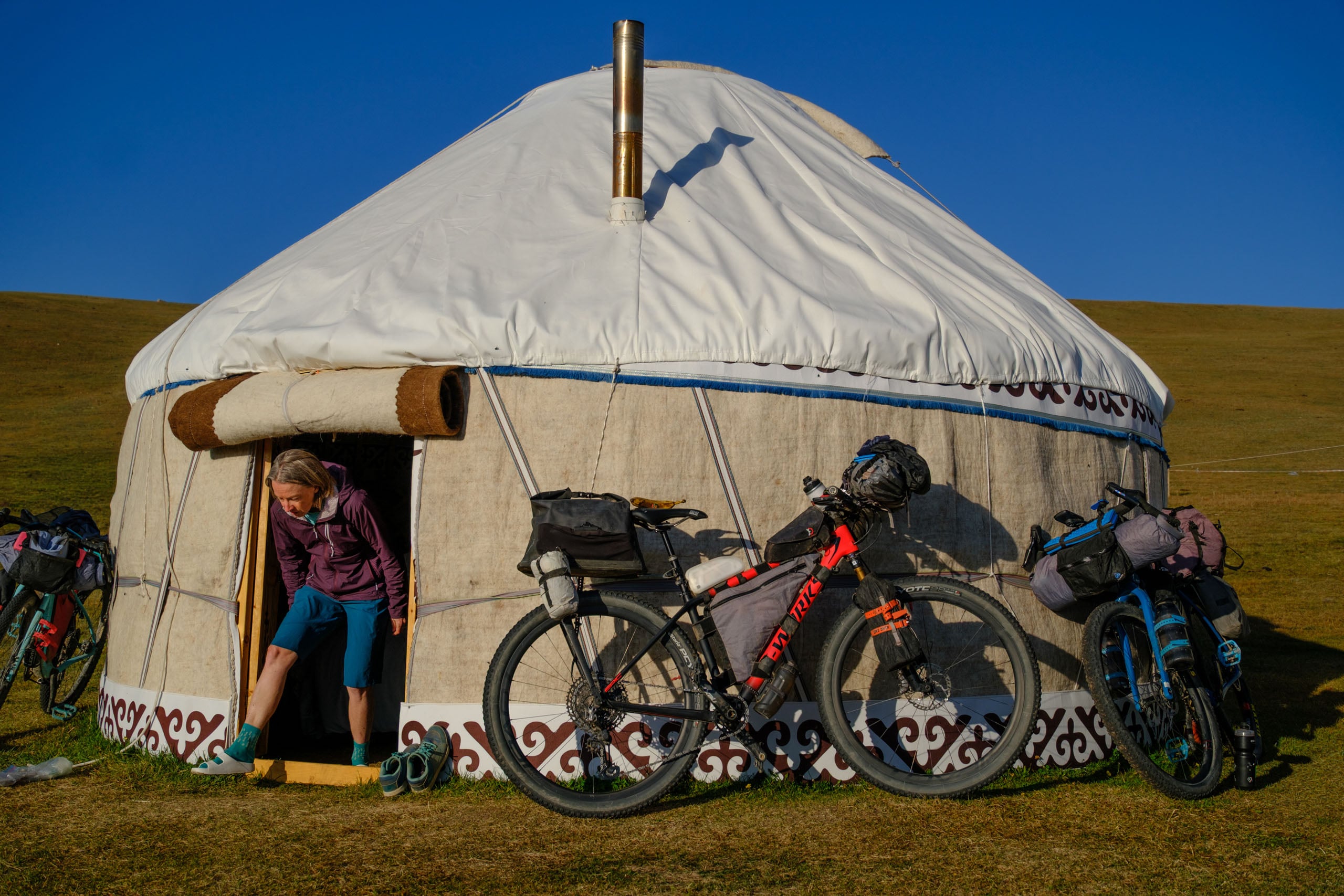
I am partway through a 25-day expedition traversing the third most mountainous country on Earth. On an unforgiving, remote route like this, you must haul everything: shelter, sleep systems, cold-weather clothing, repair parts, and rations. My primary role is documenting the journey through still photography.
The Balancing Act of Bikepacking
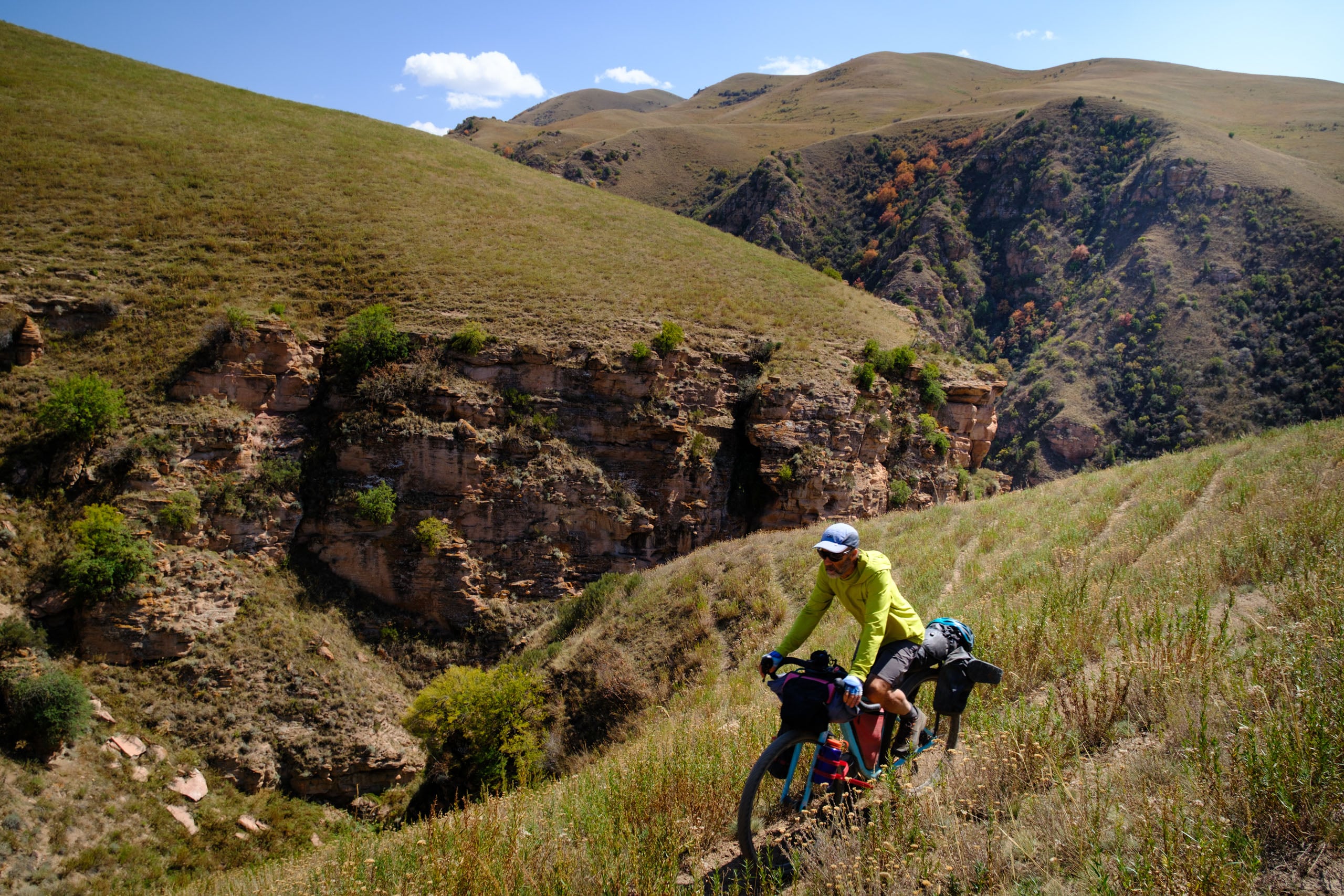
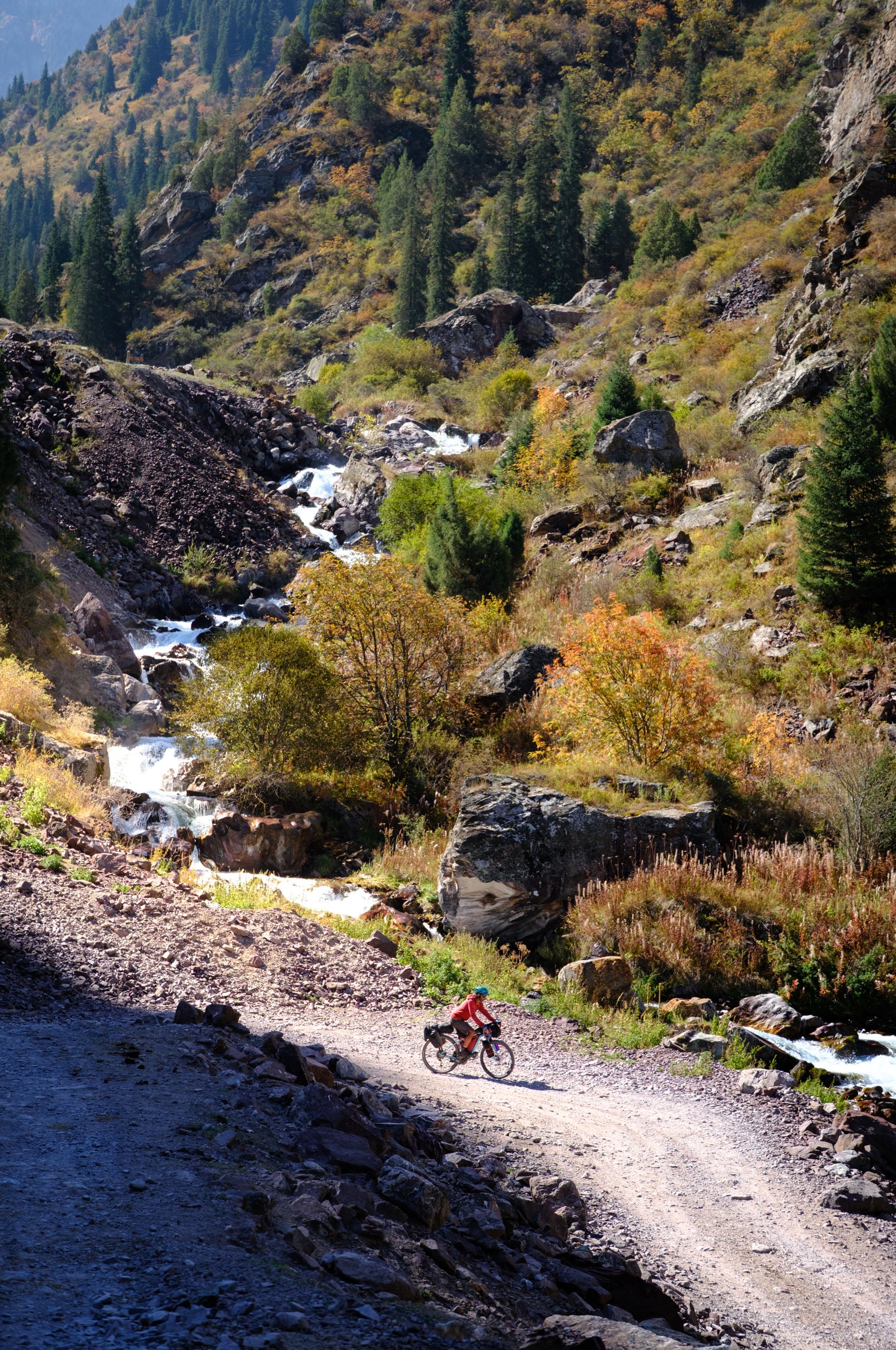
Bikepacking is best described as multi-day bicycle touring taken off-road—navigating dirt tracks, gravel mountain passes, and singletrack trails rather than paved highways. Kyrgyzstan has quickly become a premier proving ground for world-class, high-altitude bikepacking routes.
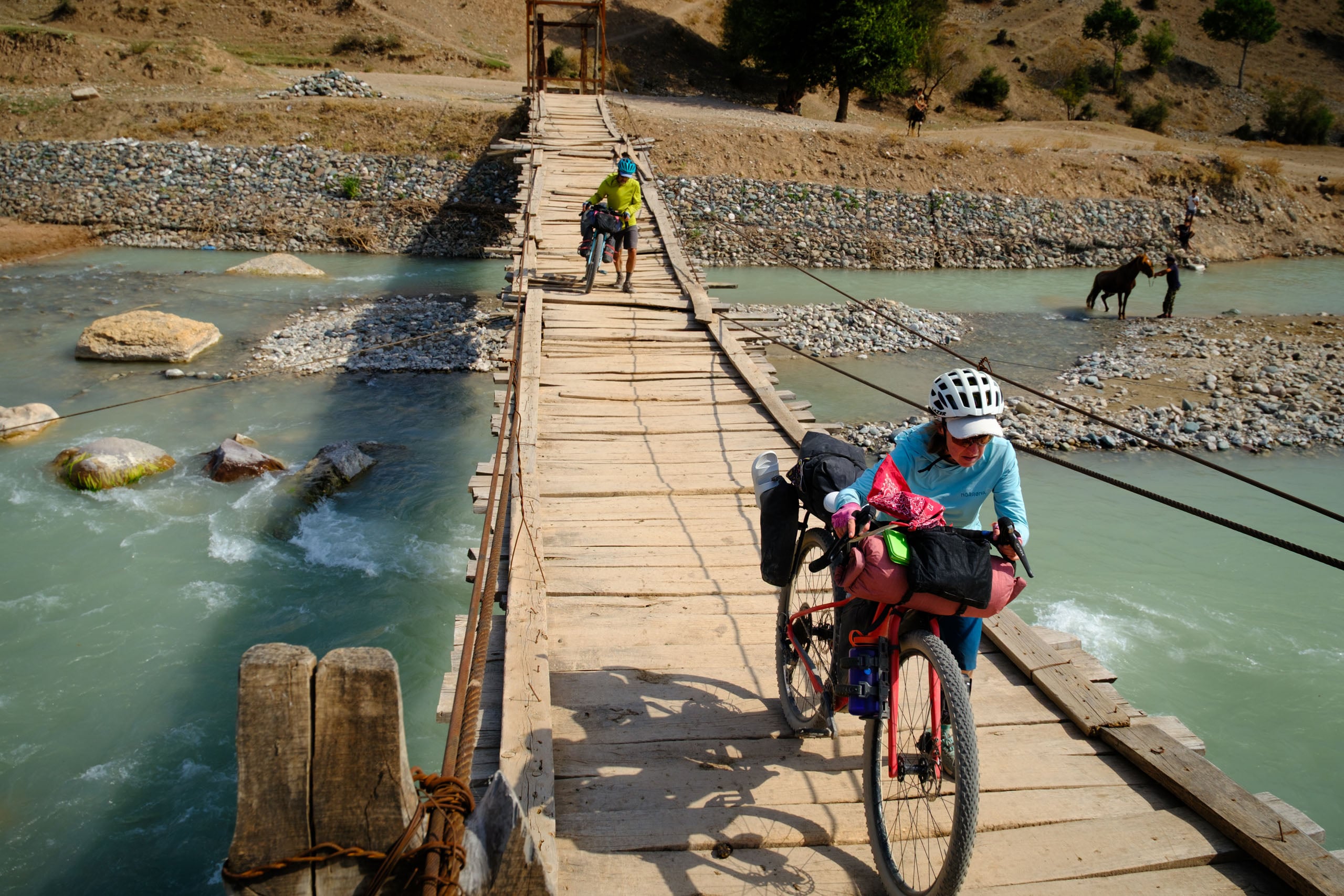
Weight matters little on flat pavement, but it becomes everything when ascending. In Kyrgyzstan, gradients are often so steep that you end up pushing a heavy rig for miles at high elevation. Too much gear makes the expedition physically impossible; too little leaves you vulnerable to the unforgiving environment. Every piece of equipment must earn its place, especially the camera gear.
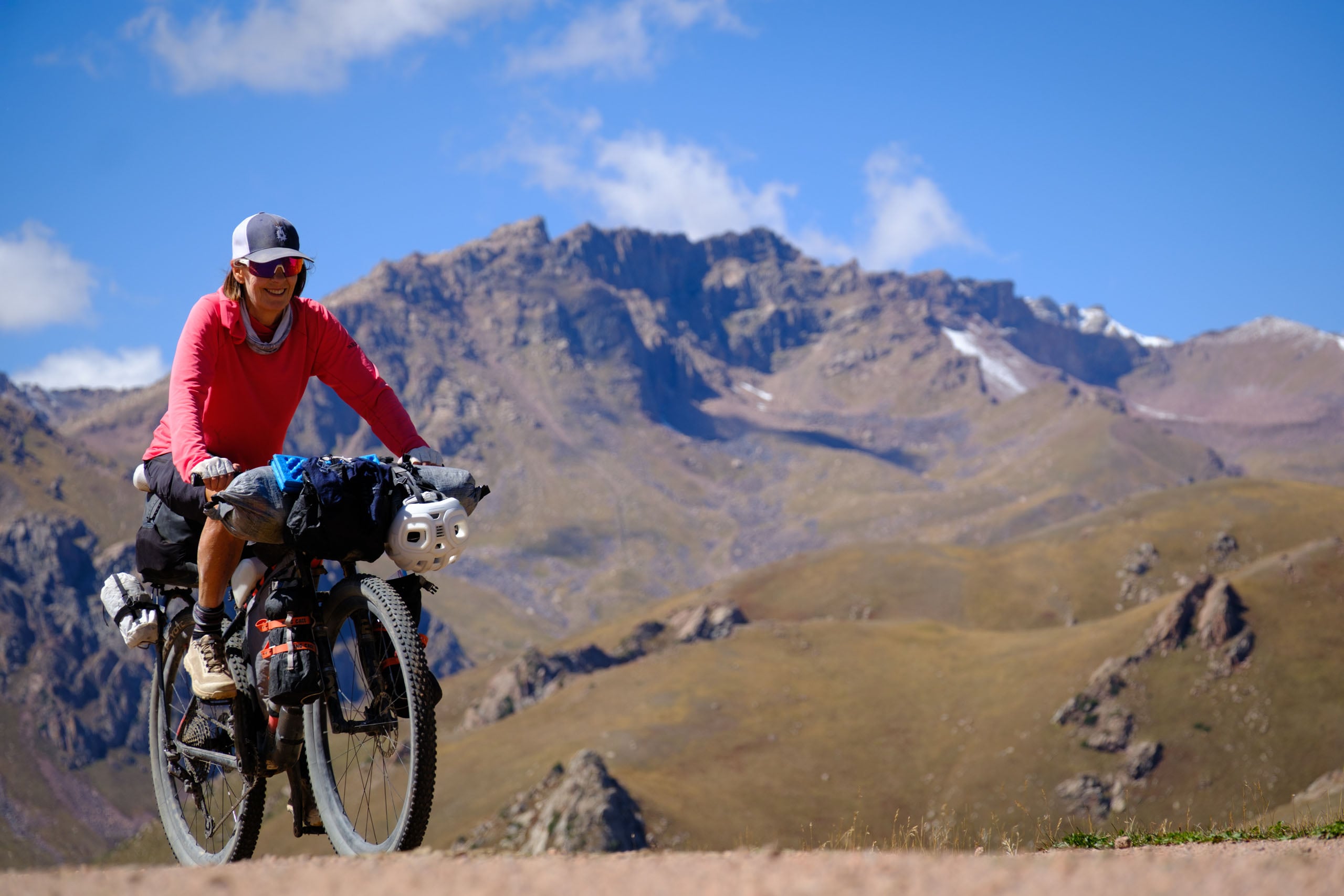
Adventure photography in this context is a dynamic hybrid of documentary, landscape, and action photography. There is no staging, no waiting for ideal light, and no stopping the team’s progress to set up a shot. Subjects move from your immediate foreground to a quarter-mile down the valley in seconds. You need immediate physical controls, sufficient dynamic range to save harsh mid-day contrast, and a gear setup that never slows you down.
An Unlikely Kit Choice
Conventional wisdom suggests bringing a ruggedized, weather-sealed full-frame body or an ultra-tough Micro Four Thirds setup. Instead, I selected an unconventional combination for a backcountry traverse: a compact street-focused body paired with a motorized video lens.
The Body: Fujifilm X-E5
The X-E5 provides a lightweight footprint — smaller and lighter than many Micro Four Thirds options — without sacrificing sensor resolution or shadow recovery. Its tactile dials allow instant on-the-fly adjustments to shutter speed, aperture, and focus zones.
- Autofocus & Speed: The subject-detection tracking locked onto fast-moving riders reliably, while the buffer easily handled long bursts of RAW + JPEG shooting.
- Color Processing: Utilizing Fujifilm’s Velvia film simulation allowed me to generate vivid, production-ready JPEGs for quick transmission during rare moments of cellular connection.
The Primary Glass: Fujifilm XF 18-120mm f/4 LM PZ WR
Changing lenses on dusty, wind-swept high passes is a recipe for sensor contamination. I needed a single, versatile zoom with broad reach. The 18-120mm f/4 power zoom offered superior sharpness and reach compared to standard kit zooms, while staying significantly lighter than full-frame equivalents.
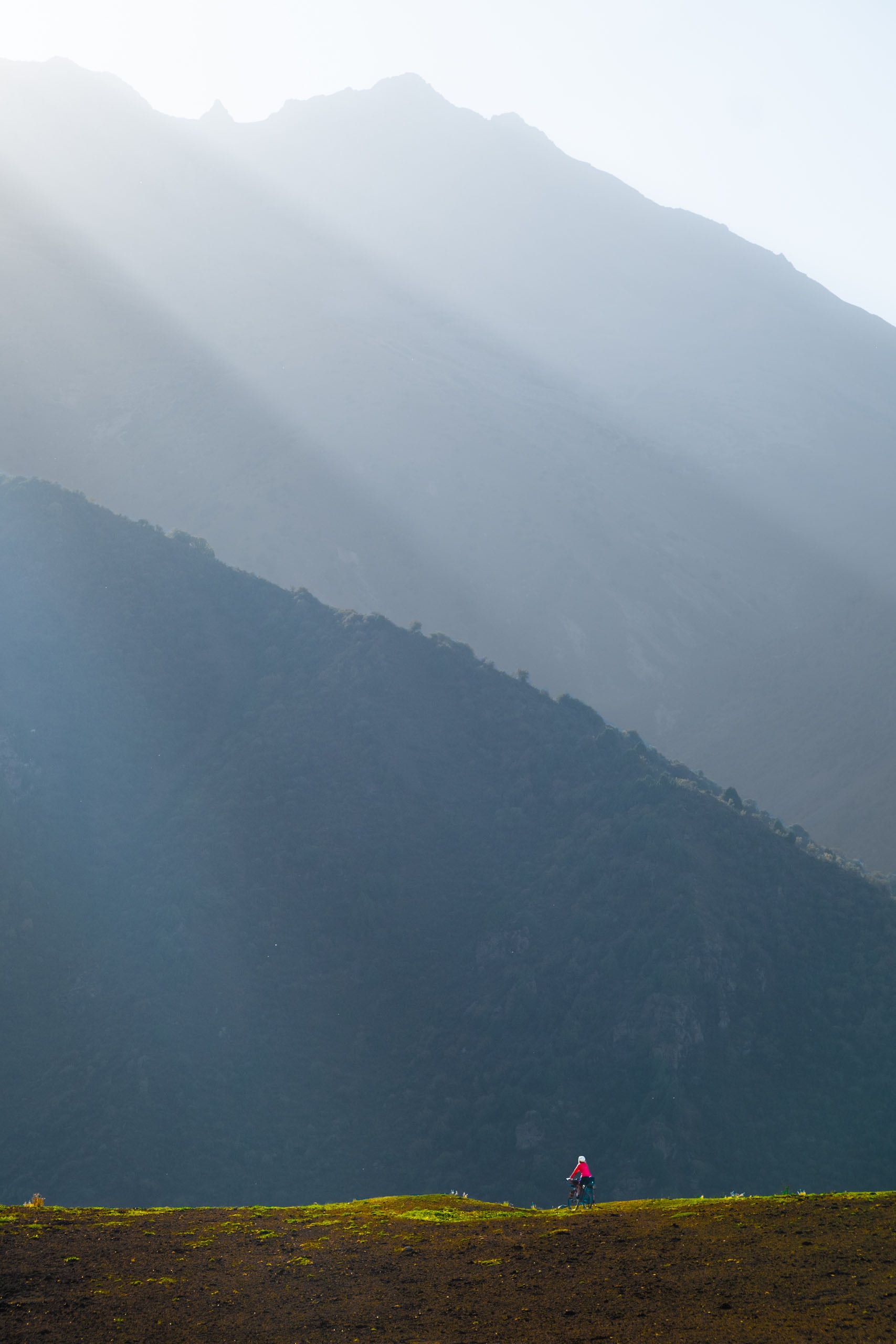
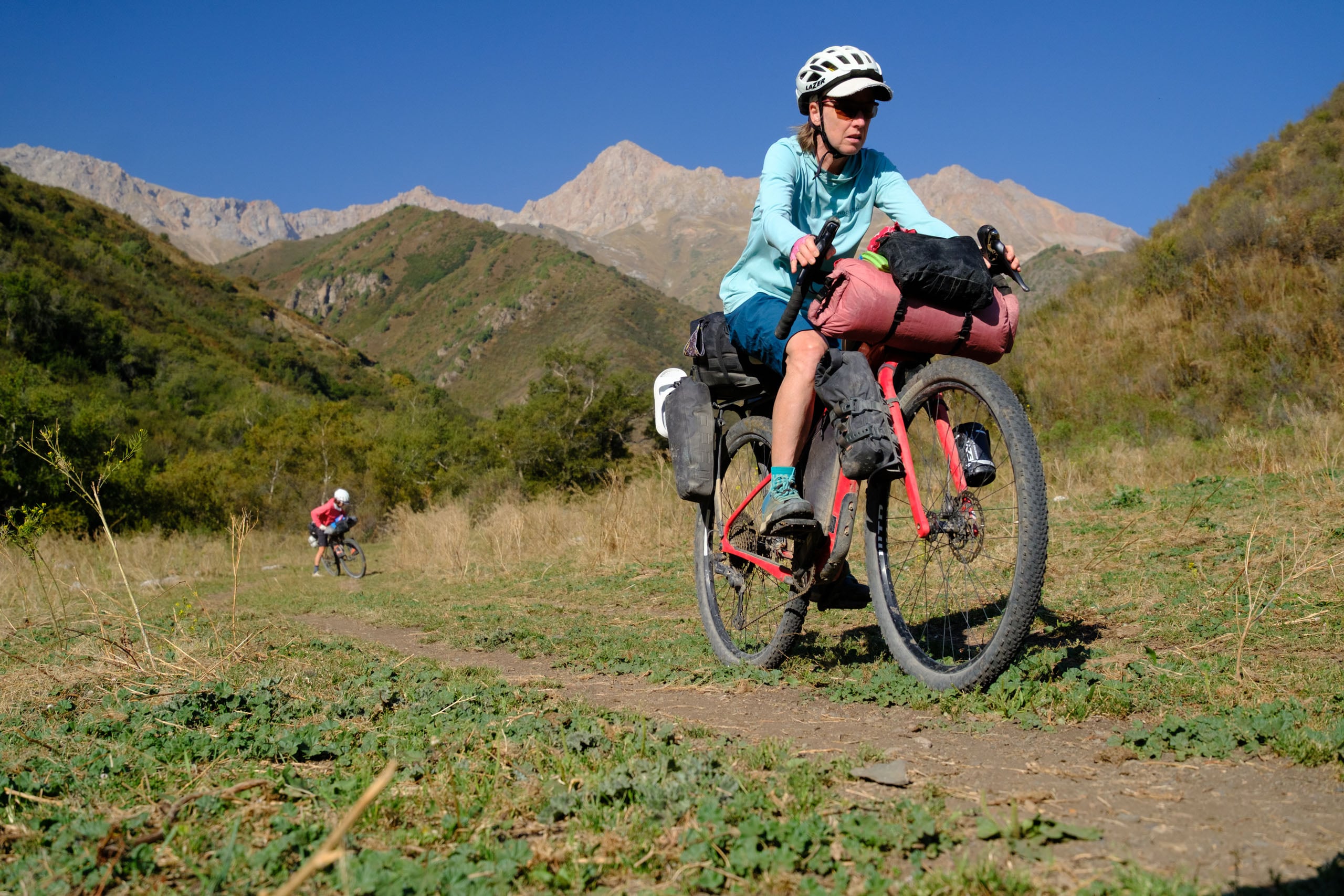
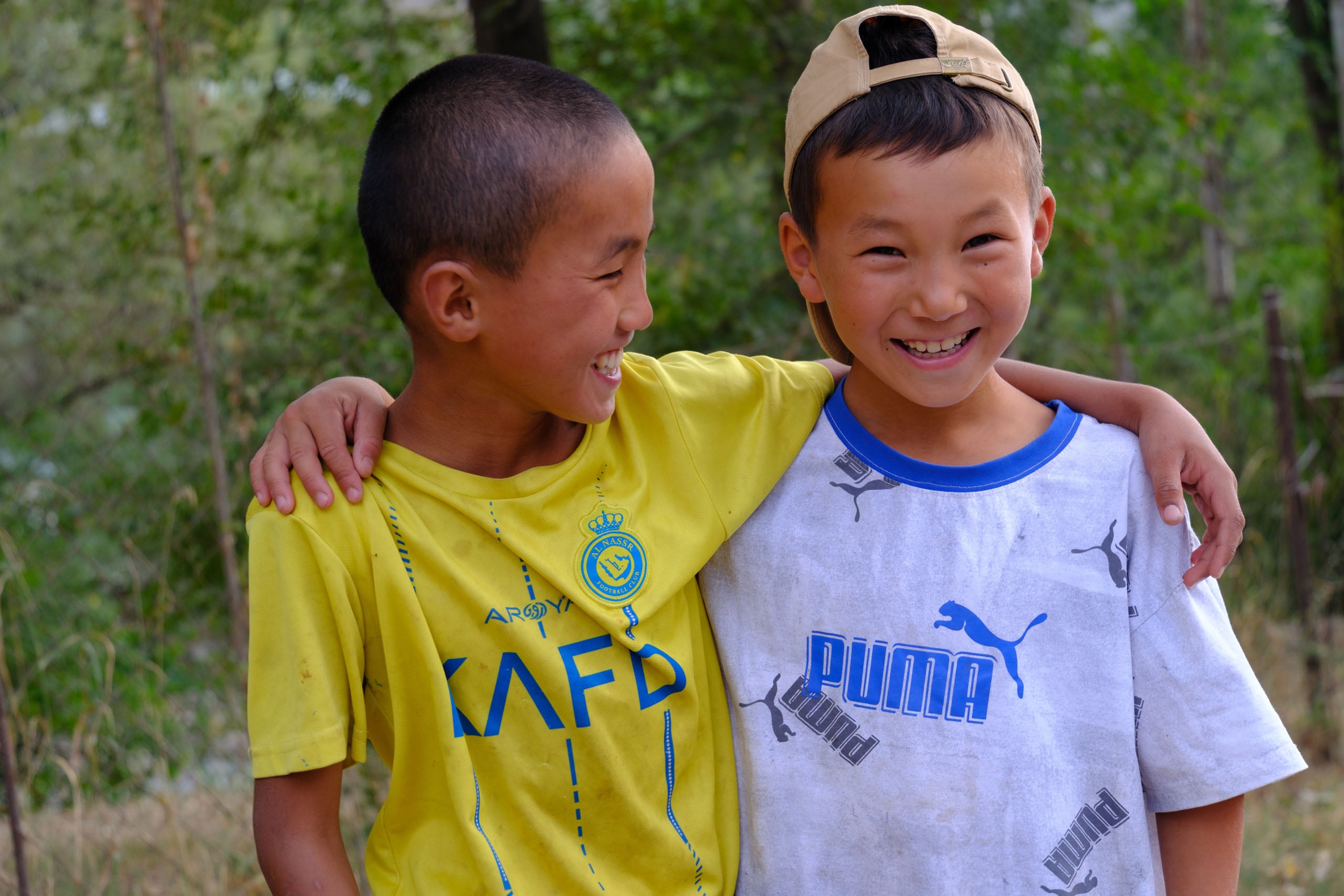
While power zooms are rarely the first choice for fast-paced still photography because of their electronic zoom response, the constant f/4 aperture provided adequate subject separation and allowed low ISO settings under shifting alpine light. And with practice, you learn to work around the zoom speed.
Supplemental Primes
To add variety to the visual narrative, I packed two tiny specialty lenses:
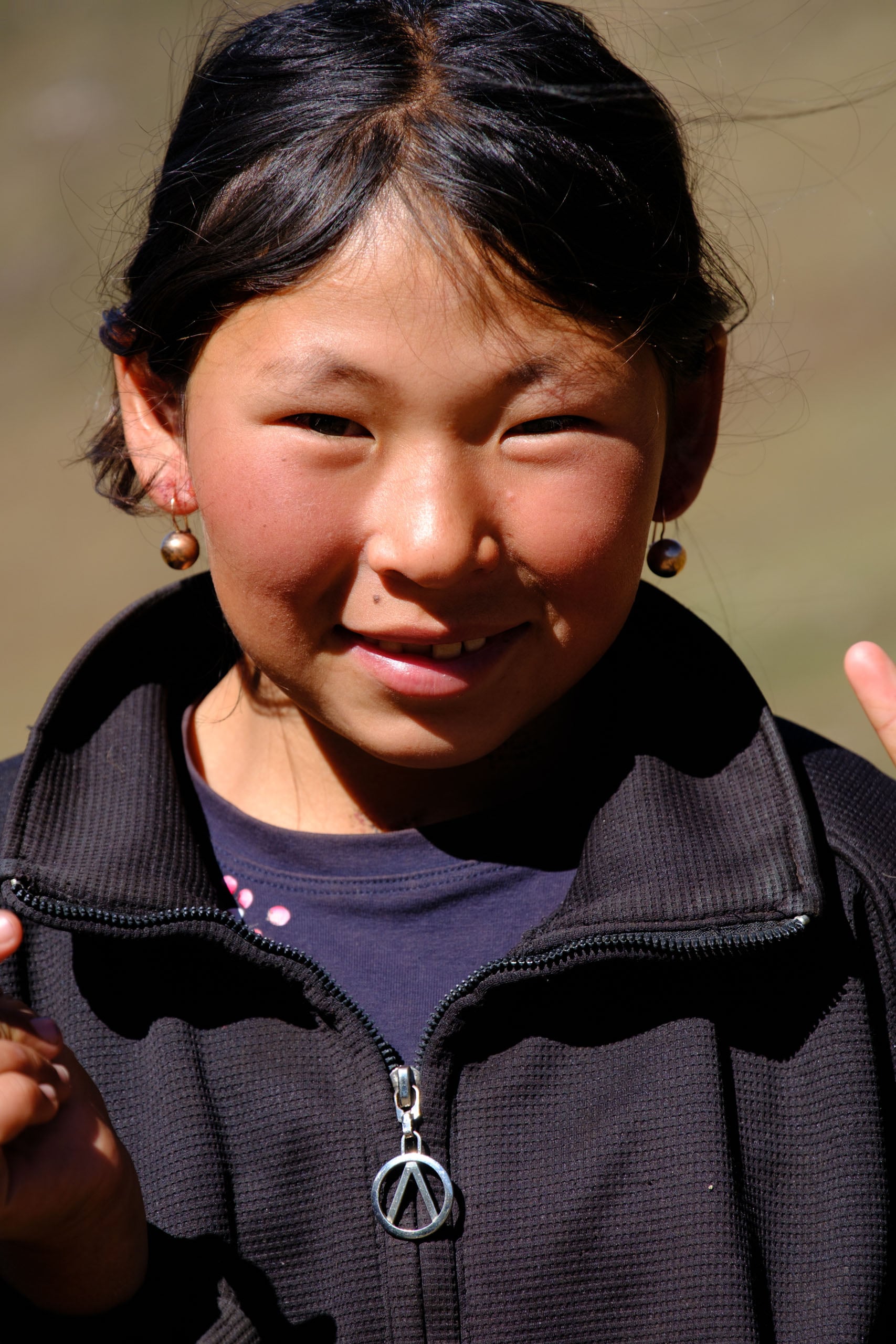
- 35mm f/1.4: Reserved for low-light campsite portraits and shallow depth-of-field detail shots.
- Laowa 10mm Ultra-Wide Pancake: A minuscule optic for sweeping mountain vistas and immersive cockpit shots.
The camera and three-lens setup weighed under three pounds and fit comfortably inside a compact waist pack worn while riding.
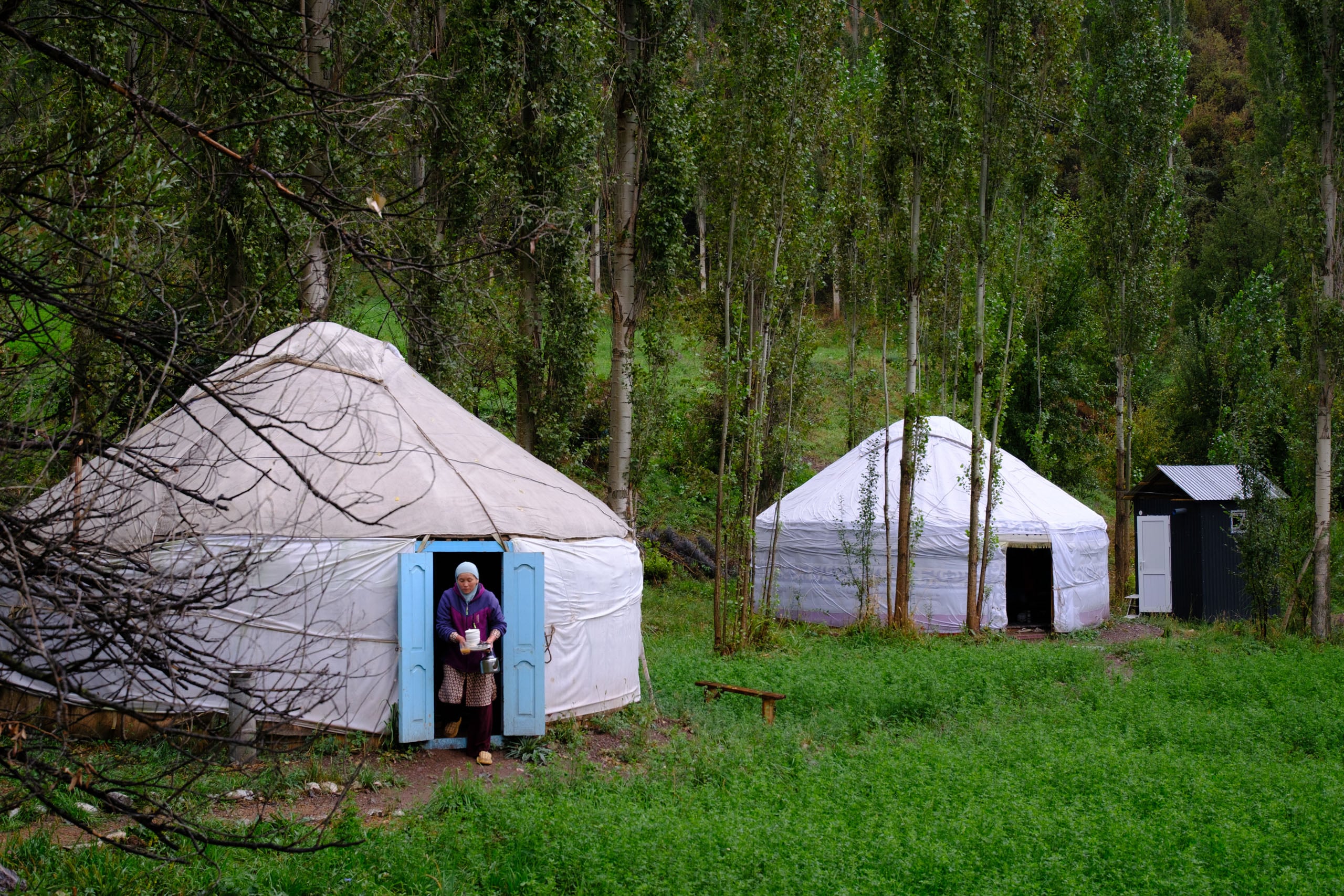
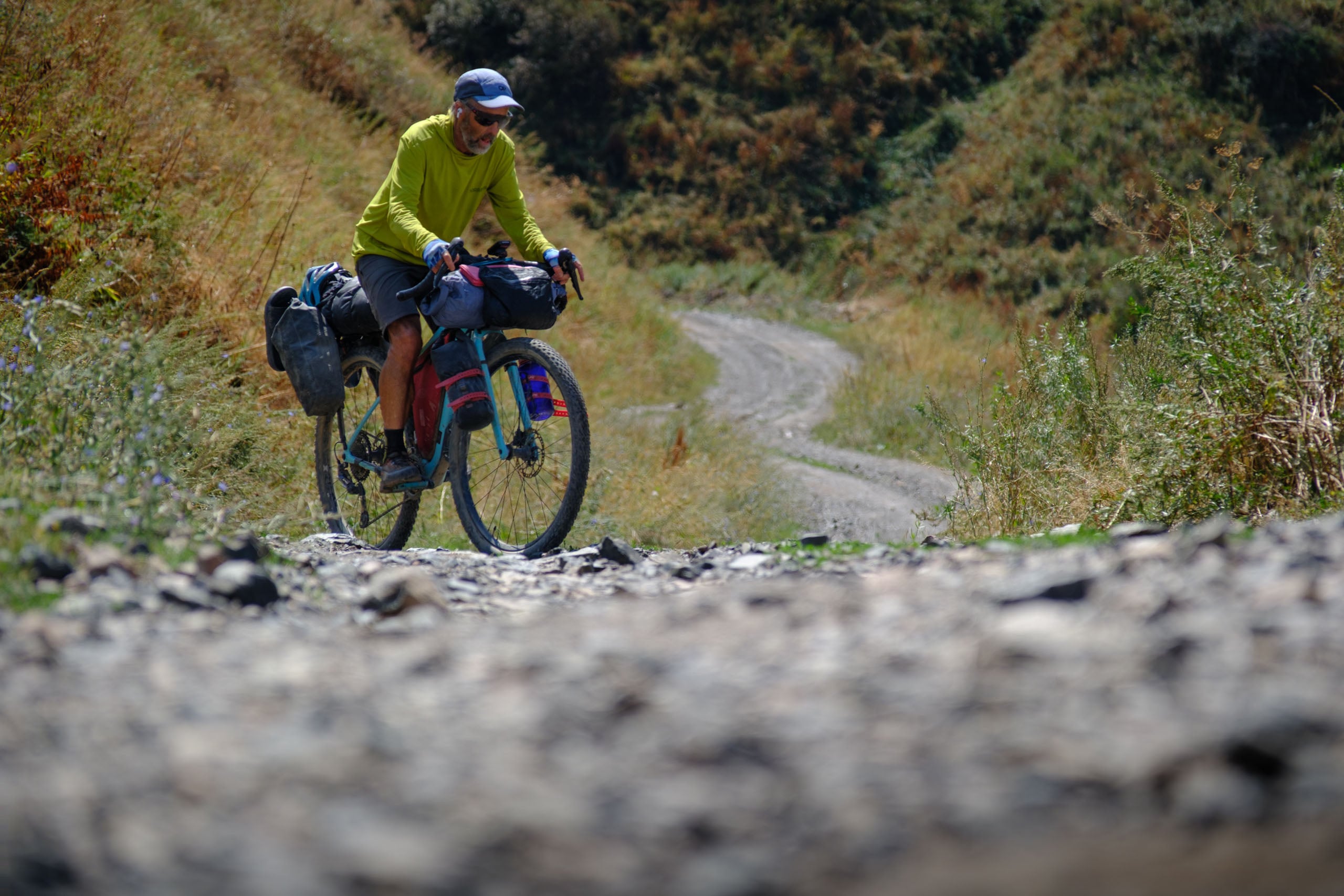
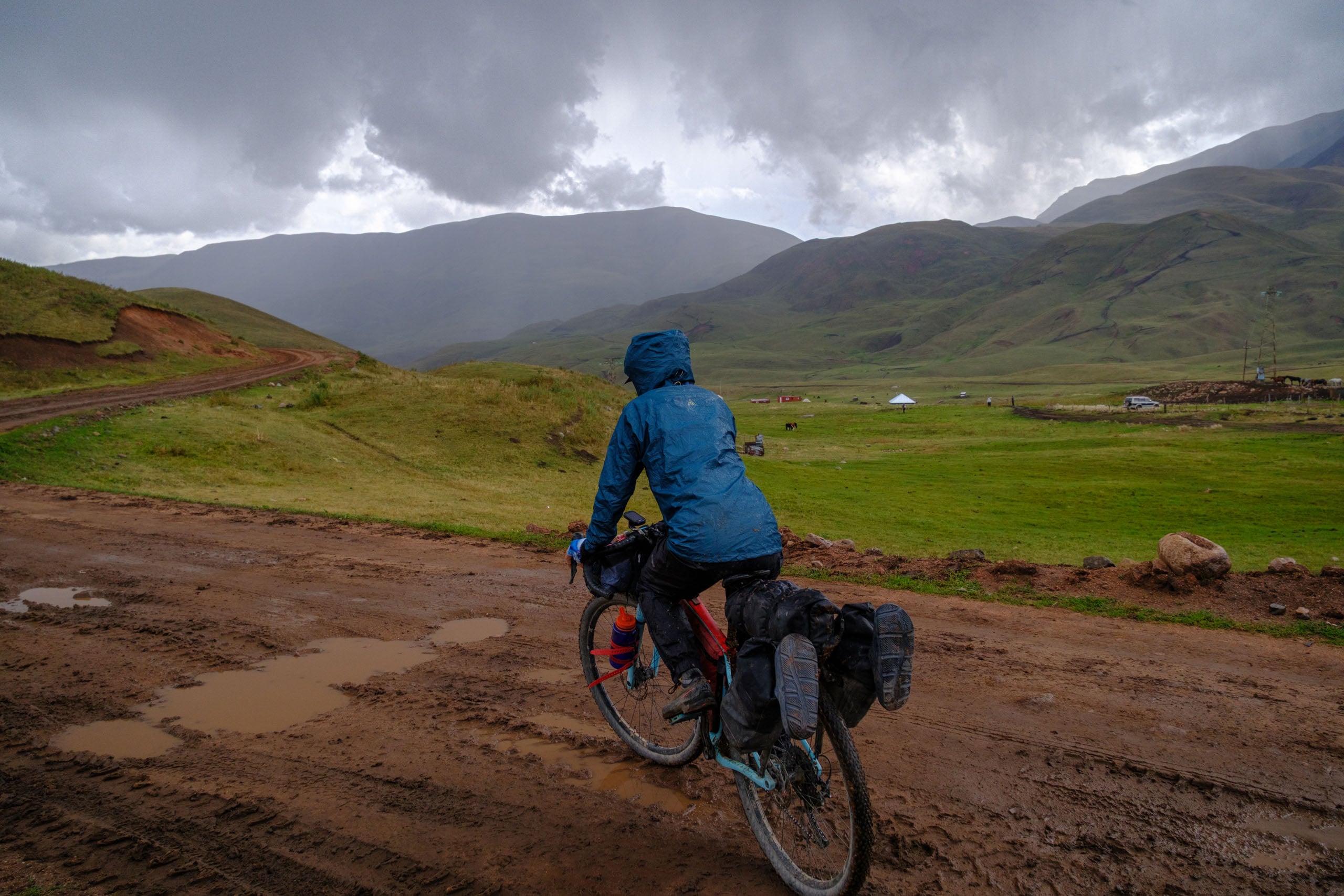
Versatility Over Categorization
Pairing a rangefinder-style street camera with an electronically zoomed video lens might seem ill-suited for a rugged 1,000-kilometer crossing. Prior to the trip, I rigorously tested two bodies and three lenses on domestic shakedown rides to verify performance under load.
Modern camera gear is often pigeonholed into hyper-specific marketing categories. This expedition reinforced that understanding your gear’s nuances and tailoring its controls to your workflow matters far more than adhering to nominal camera genres.
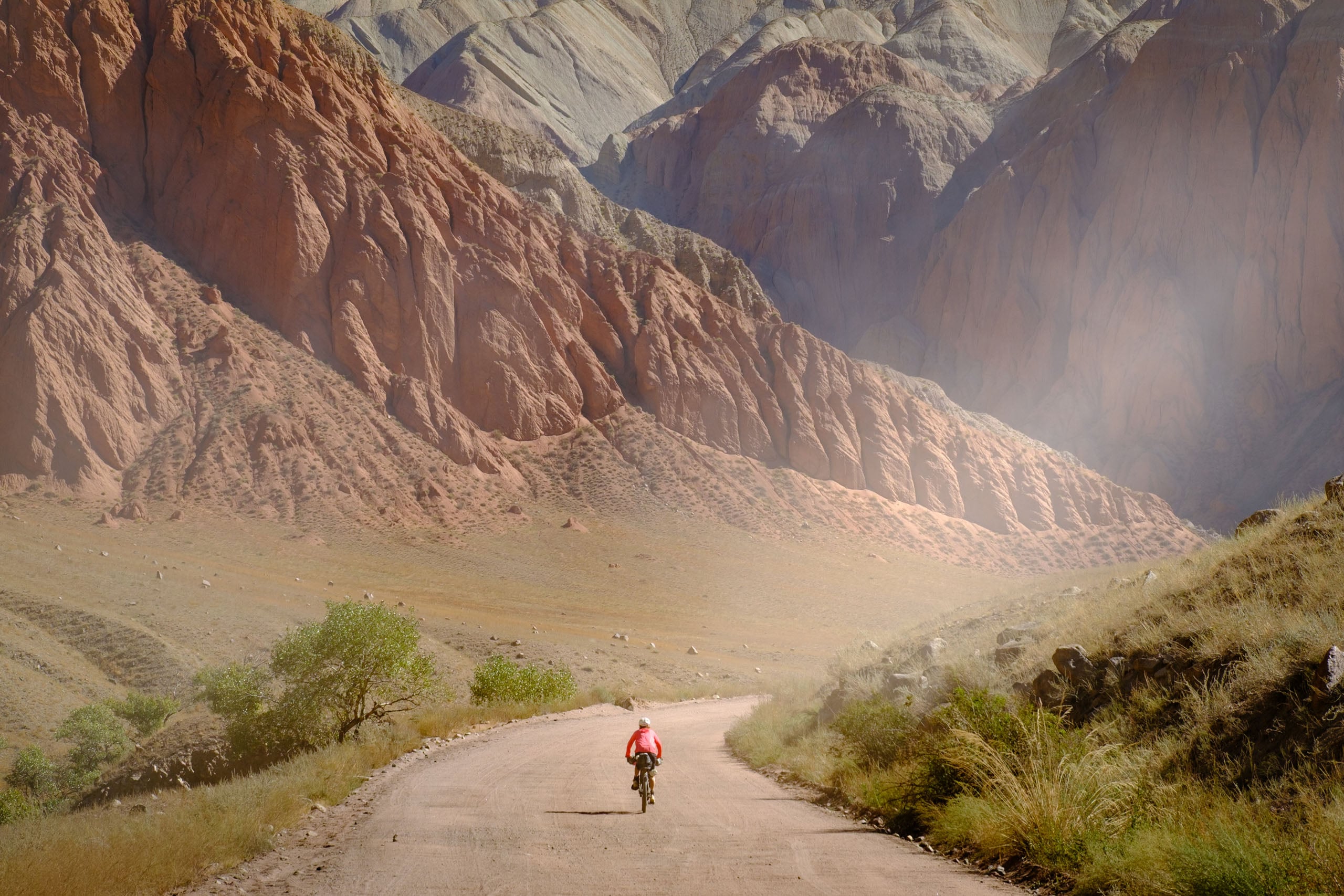
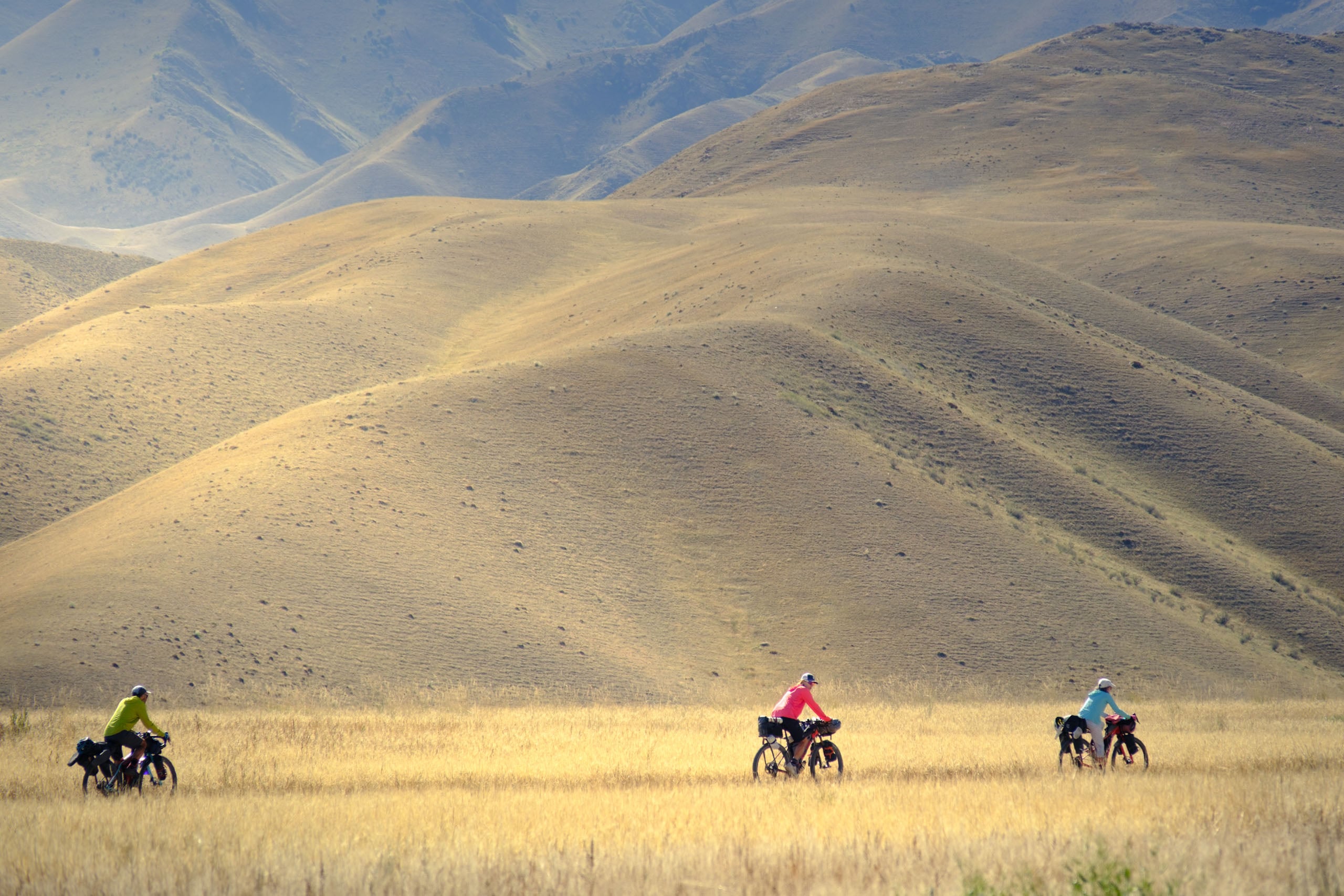
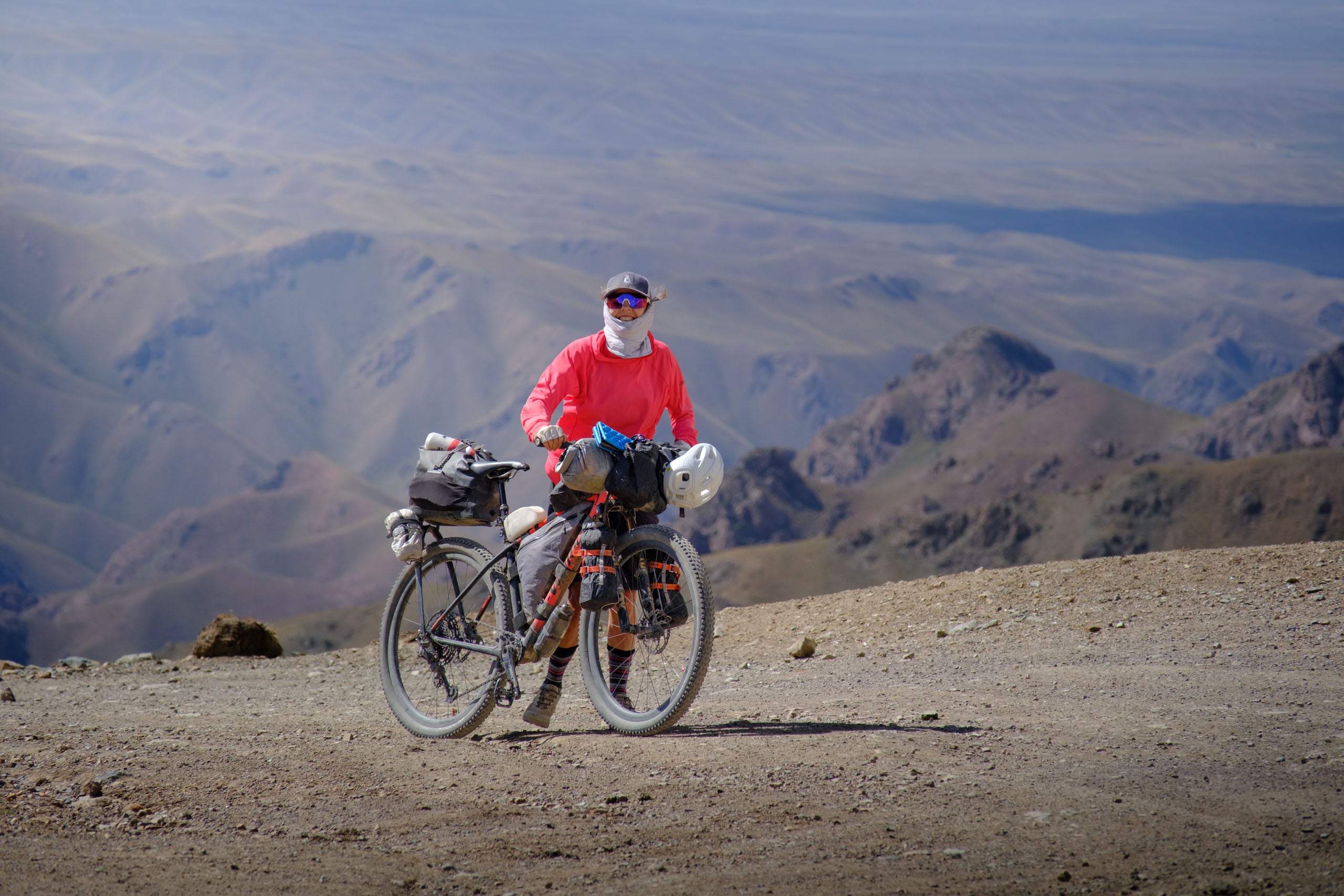
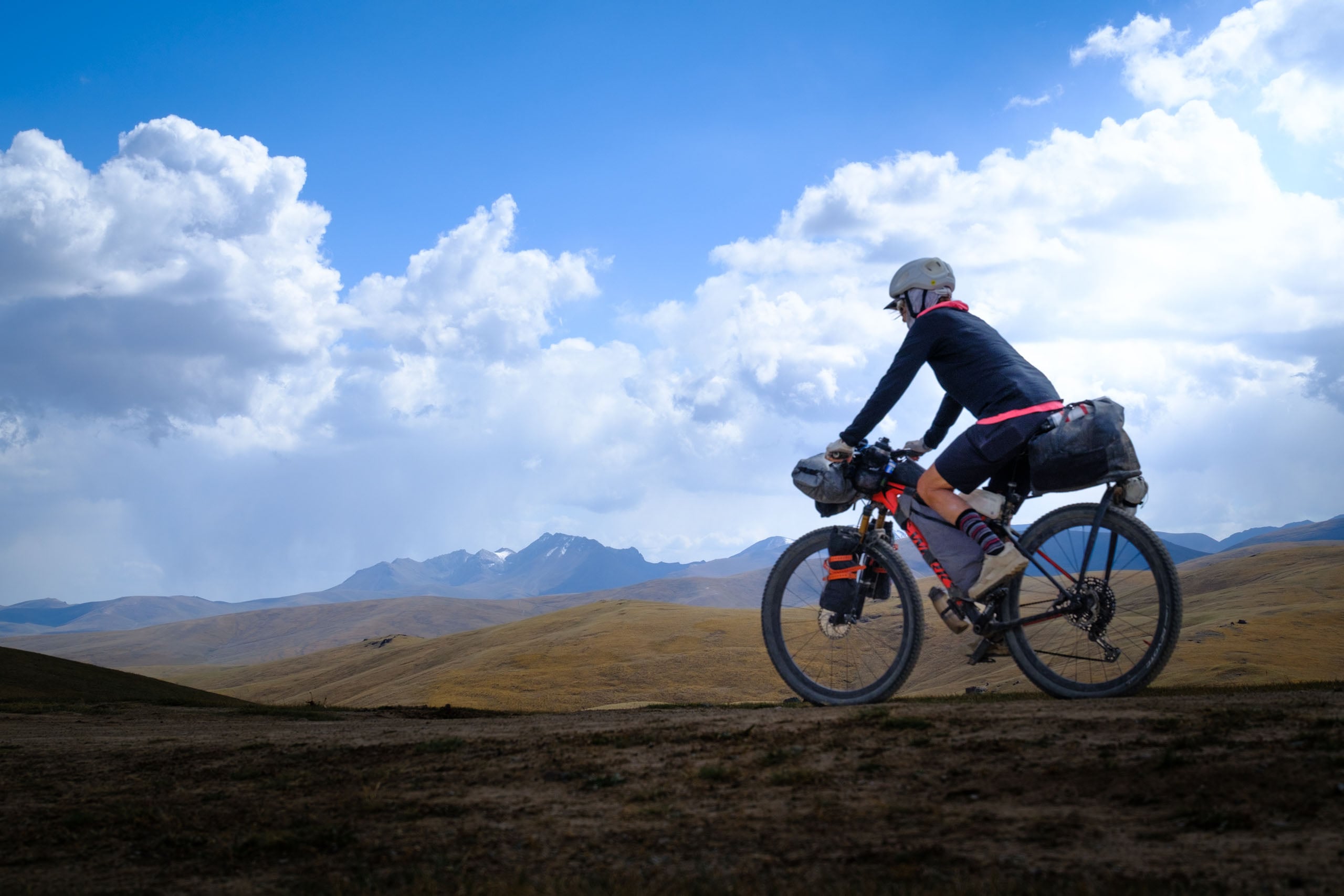
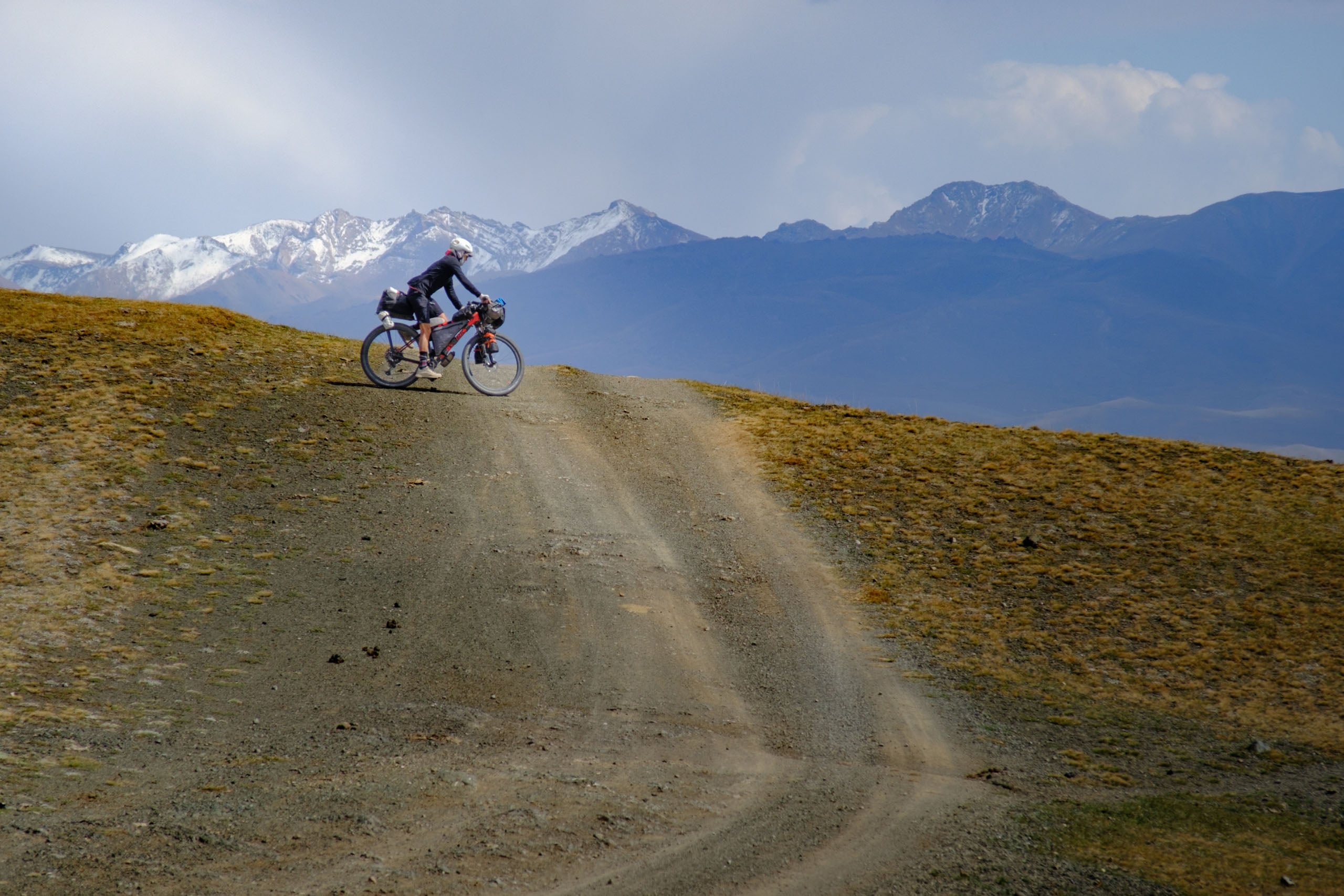
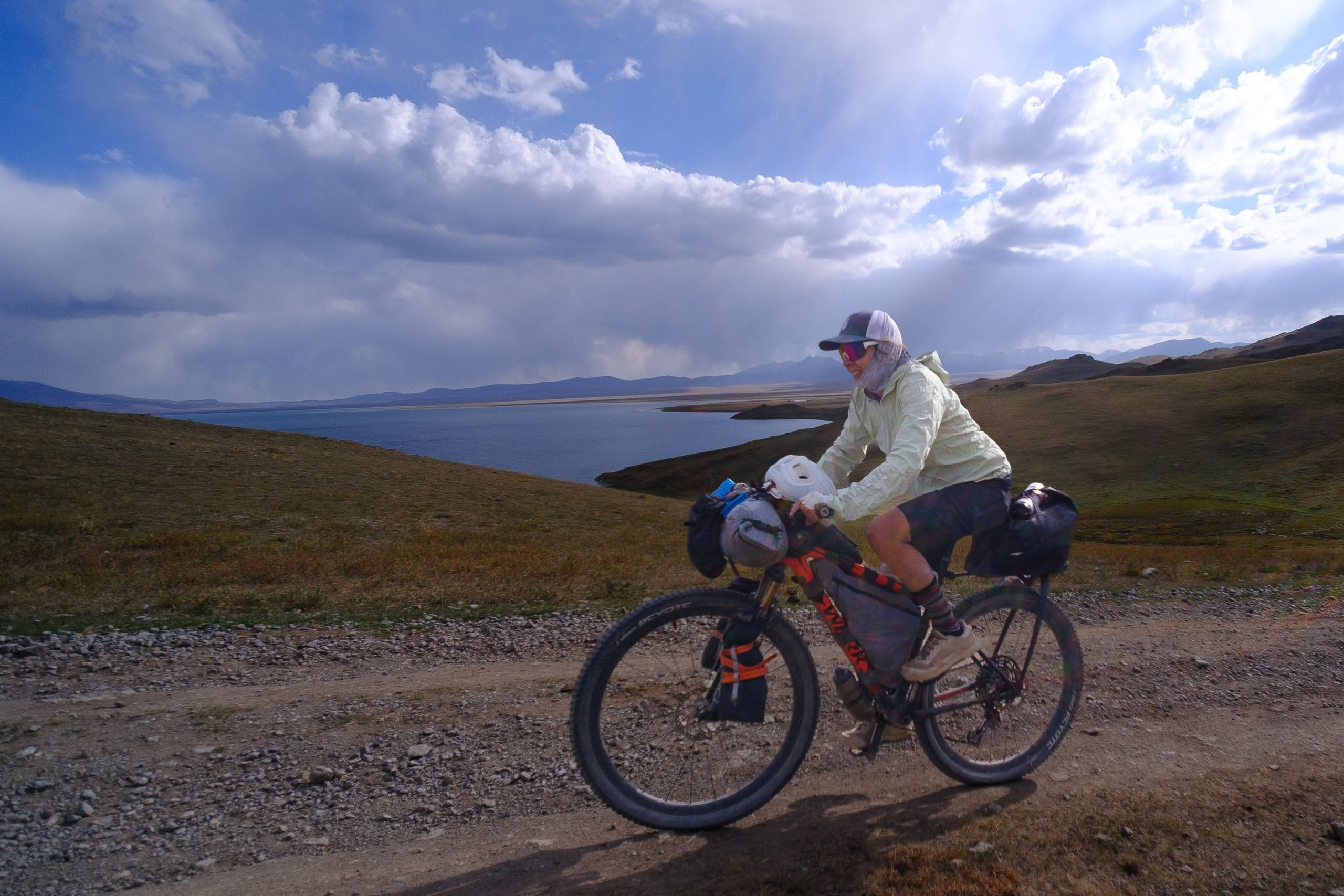
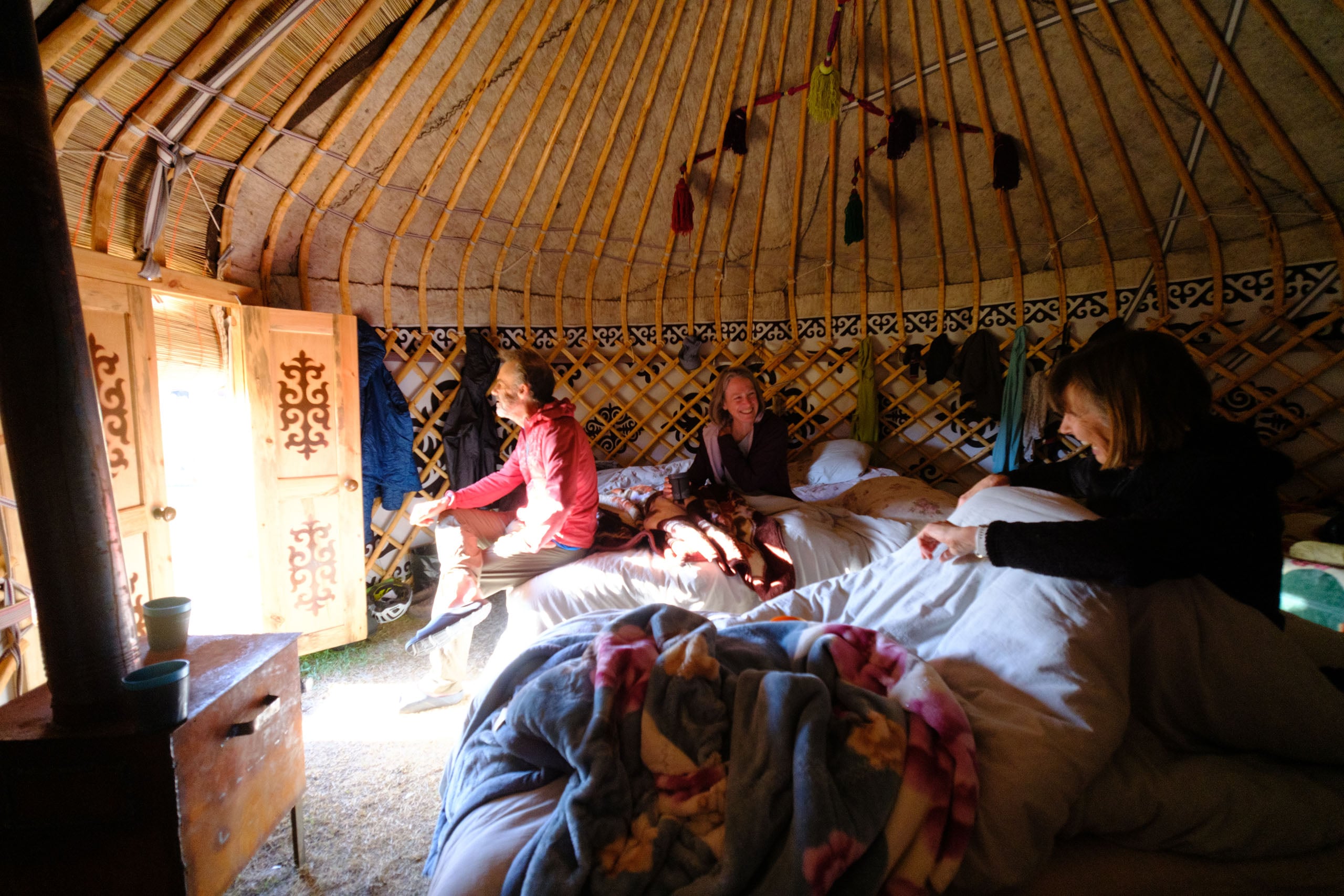
After climbing the elevation equivalent of Mount Everest more than twice over 25 days, carrying a light, highly capable imaging system proved invaluable. Kyrgyzstan’s vast landscapes, nomadic culture, and dramatic passes demand respect — and an agile camera kit ready for every turn in the trail.
Image creditsMatt Hyde (@mattalatta)
Affiliate Disclosure PetaPixel articles may include affiliate links; we may earn a commission if you buy through one.