Backlash Over ‘Robots’ Taking Photos at Christmas Lights Event
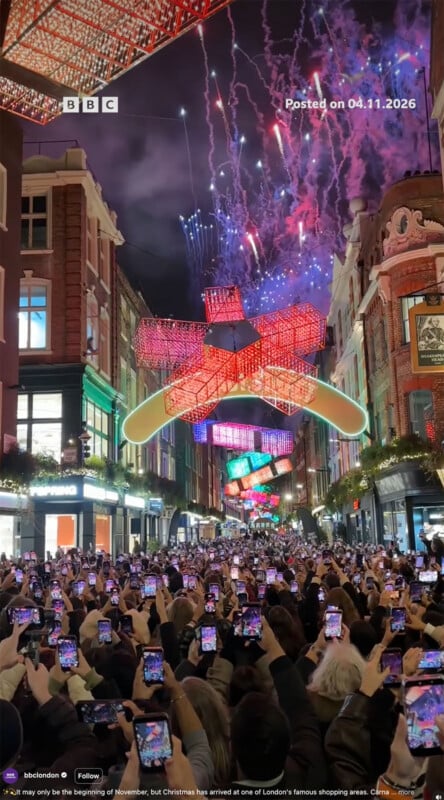
A video of Christmas lights being switched on in Central London has provoked a debate about people’s picture-taking habits and the importance of living in the moment.
The video was shared by BBC London on November 4. It shows a sea of people, seemingly every single one of them with their phones aloft, filming in anticipation of the elaborate lights on Carnaby Street turning on and the fireworks that followed.
The comments were flooded with people disgusted that no one appeared to be taking in the moment, instead watching a real event that was unfolding right in front of them through the small screen of their phone.
“I’ve stopped filming most things like fireworks and concerts when I realized I haven’t watched a single one of them back,” says Sufian Ahmed. “It’s so much about being in the moment. Experiencing it with the person you’re next to. You lose all that when watching it through a narrow screen.”
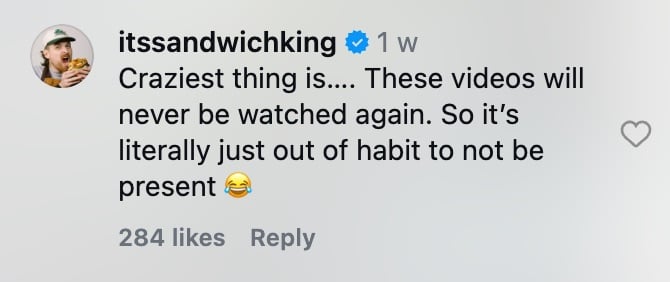
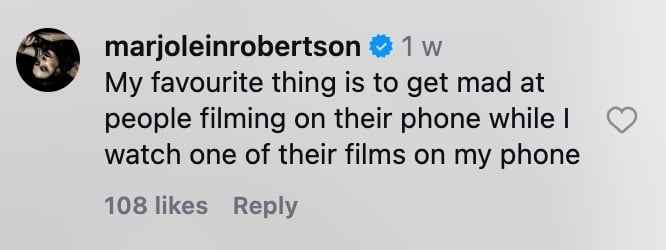
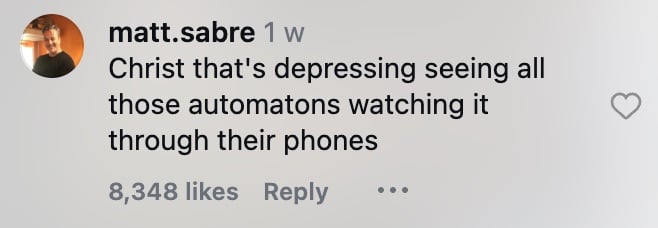
Many compared it to an episode of the Black Mirror TV show, while others called out the people for being “robots.” Others pointed out the hypocrisy of social media users complaining about the video while watching it on their phone.
Previous studies have found that taking a photo of an event affects human memory. A 2018 psychological study suggested that shooting photos or videos gives people a false sense that they preserved a moment, when in actual fact it’s the camera that did it for them.
In 2013, researchers asked one group of people to tour an art museum without taking photos, while another group was assigned to take photos. Those who took photos were significantly worse at identifying items in the museum and recalled fewer details about the items they did remember than those who didn’t take photos.
Dr. Kaitlyn Regehr of University College London and the University of Toronto says public attitudes toward smartphones and technology are shifting.
“This is not the first year that people have attended events and watched those events through screens,” the smartphone academic tells the BBC.
“But what’s significant is that this year there’s a lot of critical public discourse happening. And that, I think, is really, really positive.
Dr. Regehr says the backlash could be down to “our discomfort with the amount of influence that big tech is playing on our lives.”
Affiliate Disclosure PetaPixel articles may include affiliate links; we may earn a commission if you buy through one.