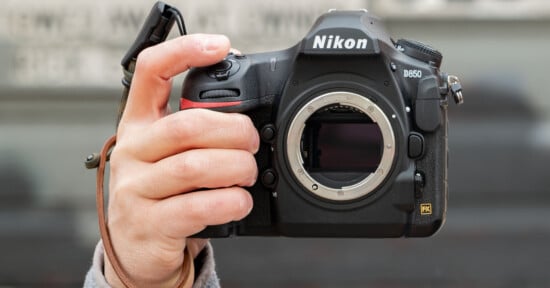
Inside Nikon’s New Exhibit Celebrating the Art and Evolution of the Viewfinder
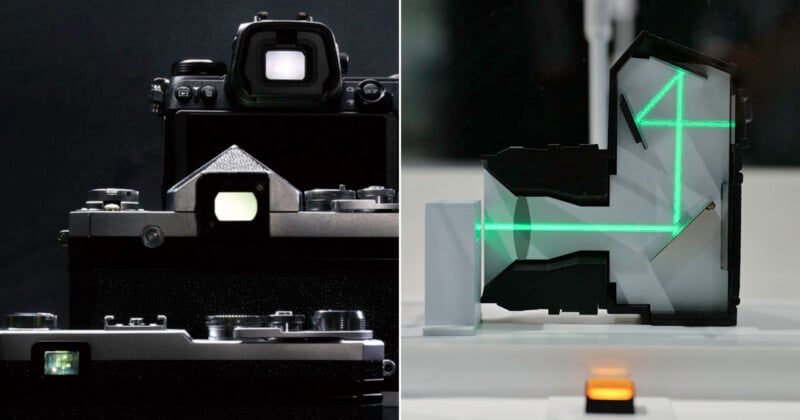
The Nikon Museum in Tokyo is hosting a special exhibit that celebrates the viewfinder, one of a camera’s most integral and enduring components, from the analog era through today’s mirrorless models.
While the nature of the viewfinder has evolved—moving from an optical system reliant on a mirror in SLR and DSLR cameras to today’s bright, high-resolution OLED panels—photographers throughout Nikon’s illustrious history have relied on viewfinders to compose their shots.
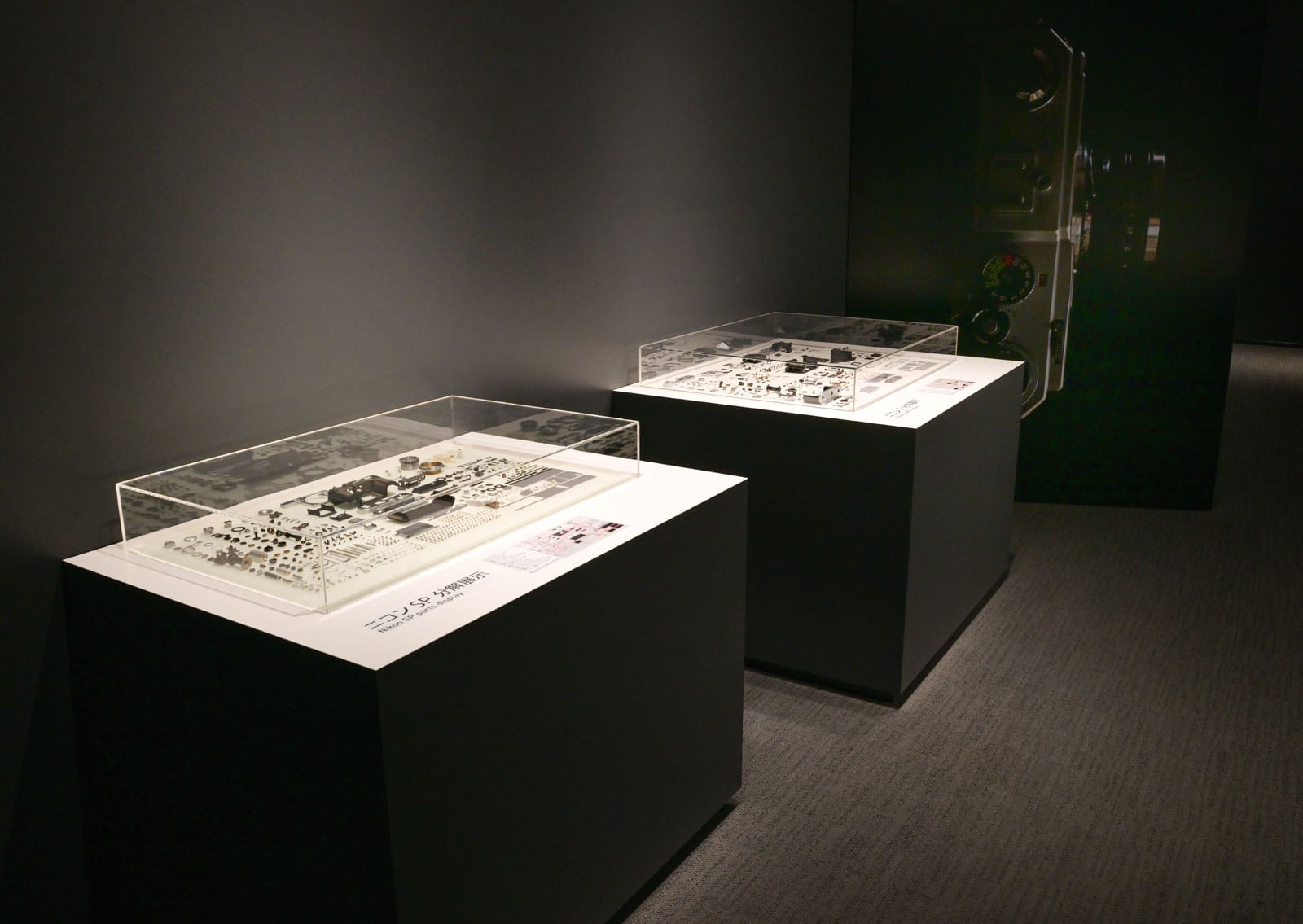
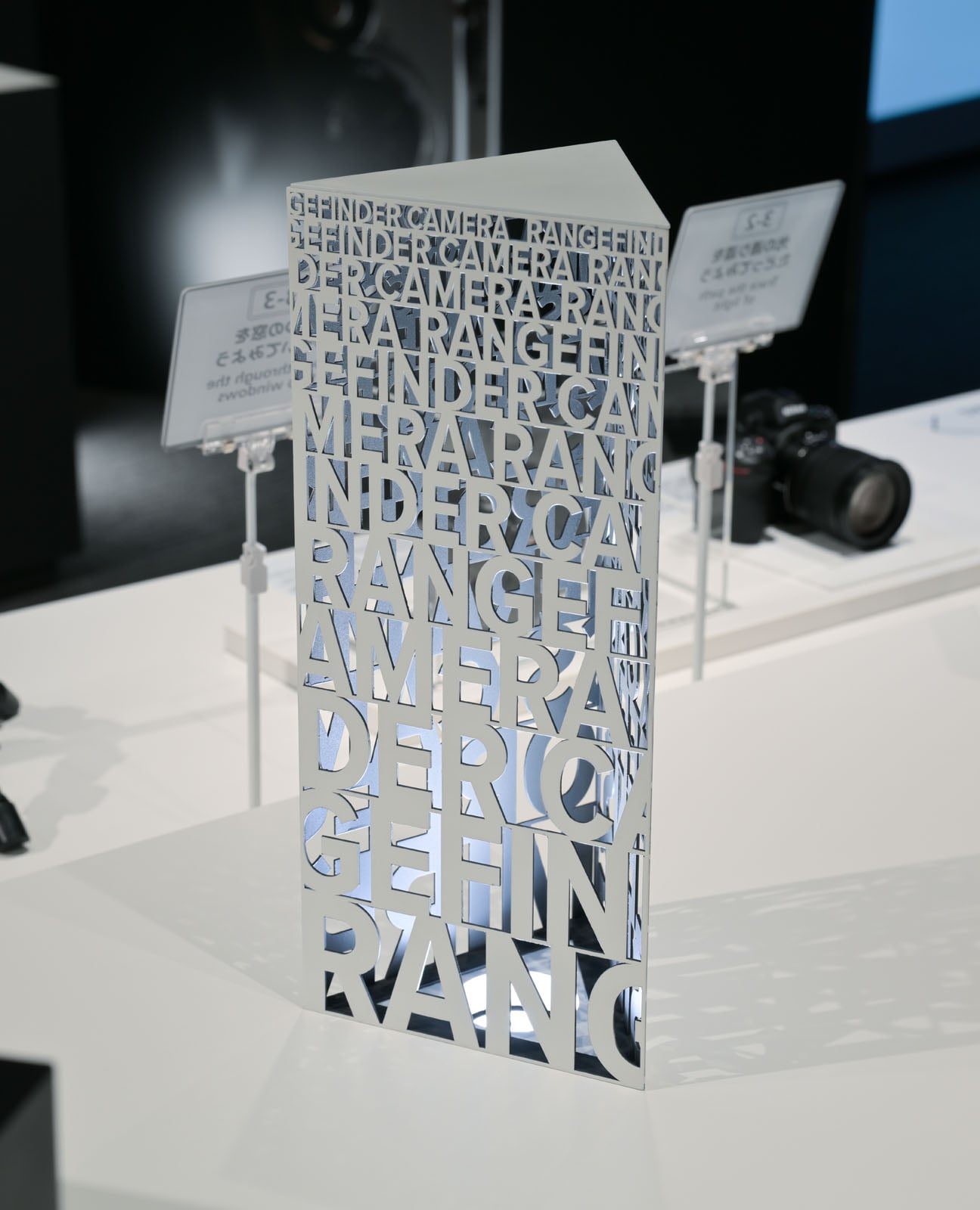
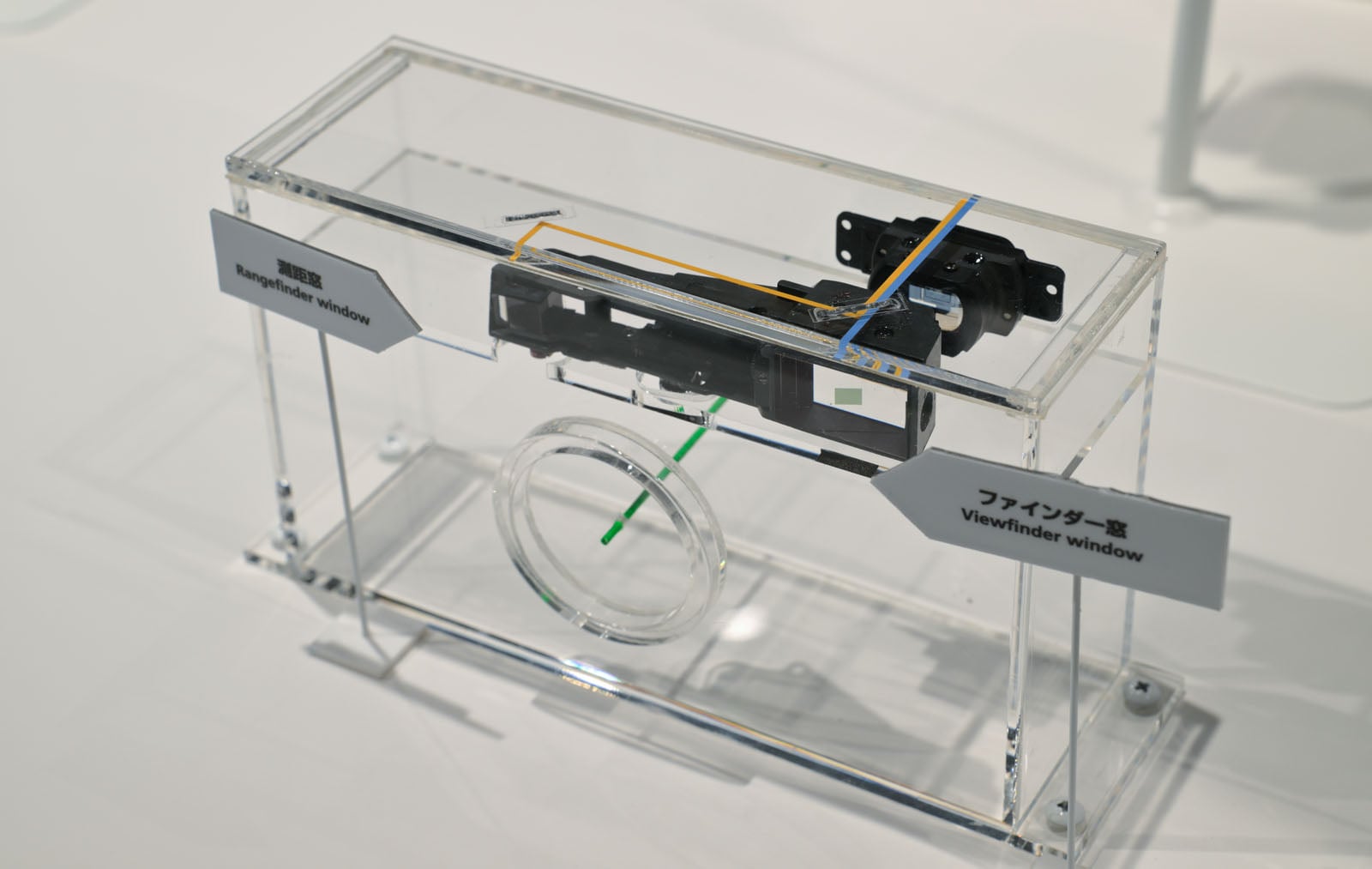
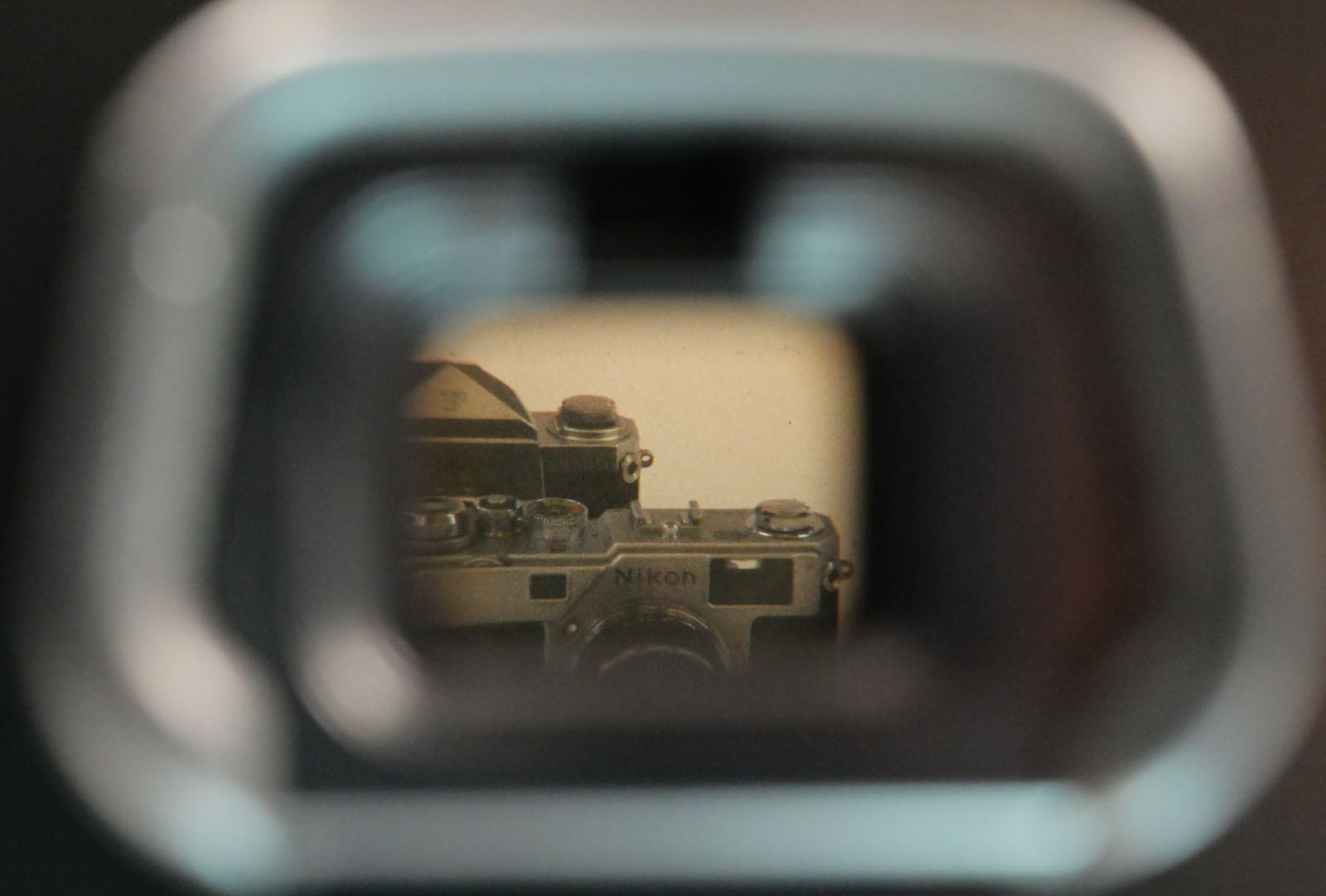
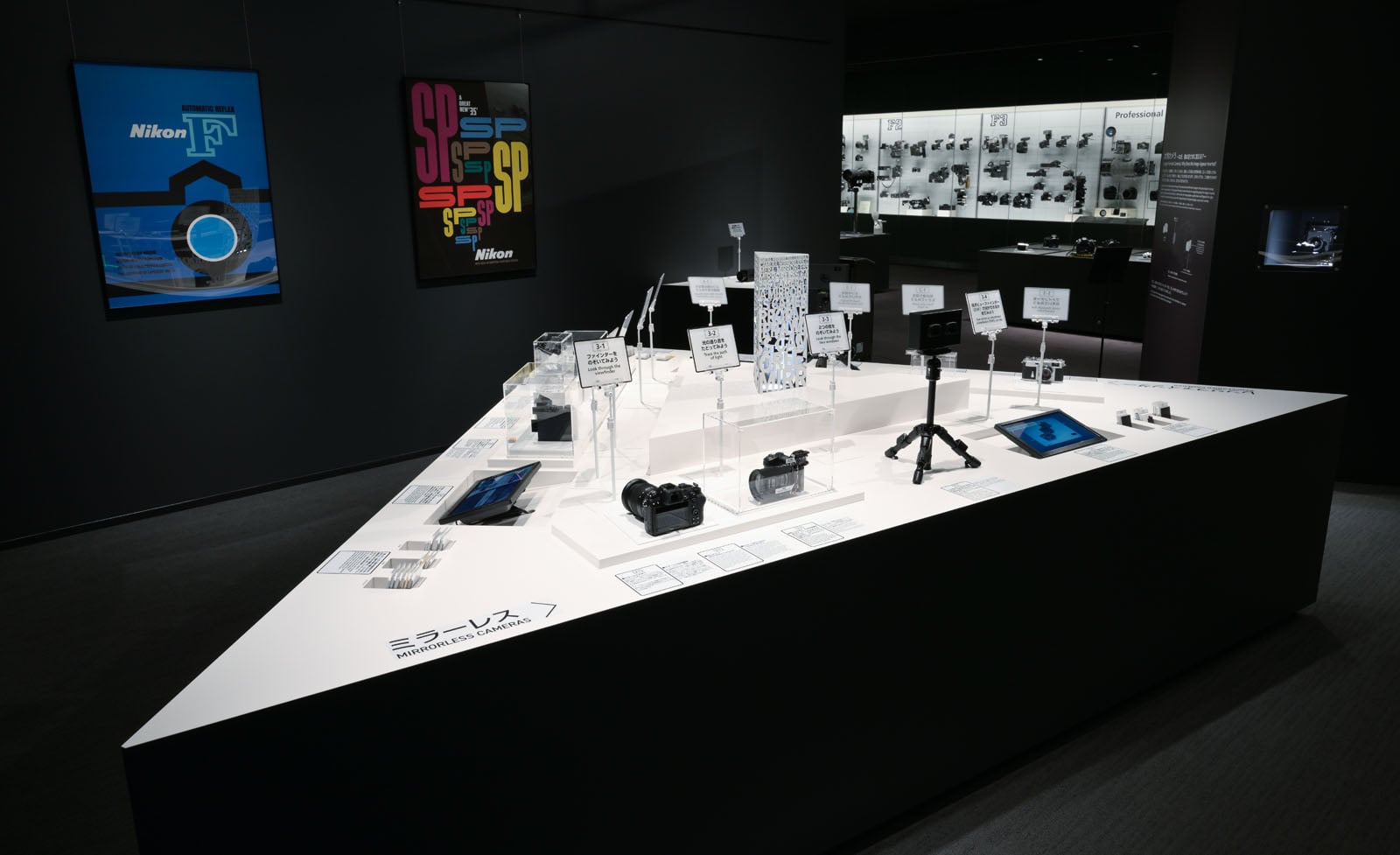
As Digital Camera Watch explains, Nikon’s new exhibit, Secrets Behind the Viewfinder, focuses on three primary types of viewfinders: rangefinder, SLR, and mirrorless. Visitors can read about each viewfinder type and its related technology in both Japanese and English, explore viewfinder components, and interact with cameras and models.
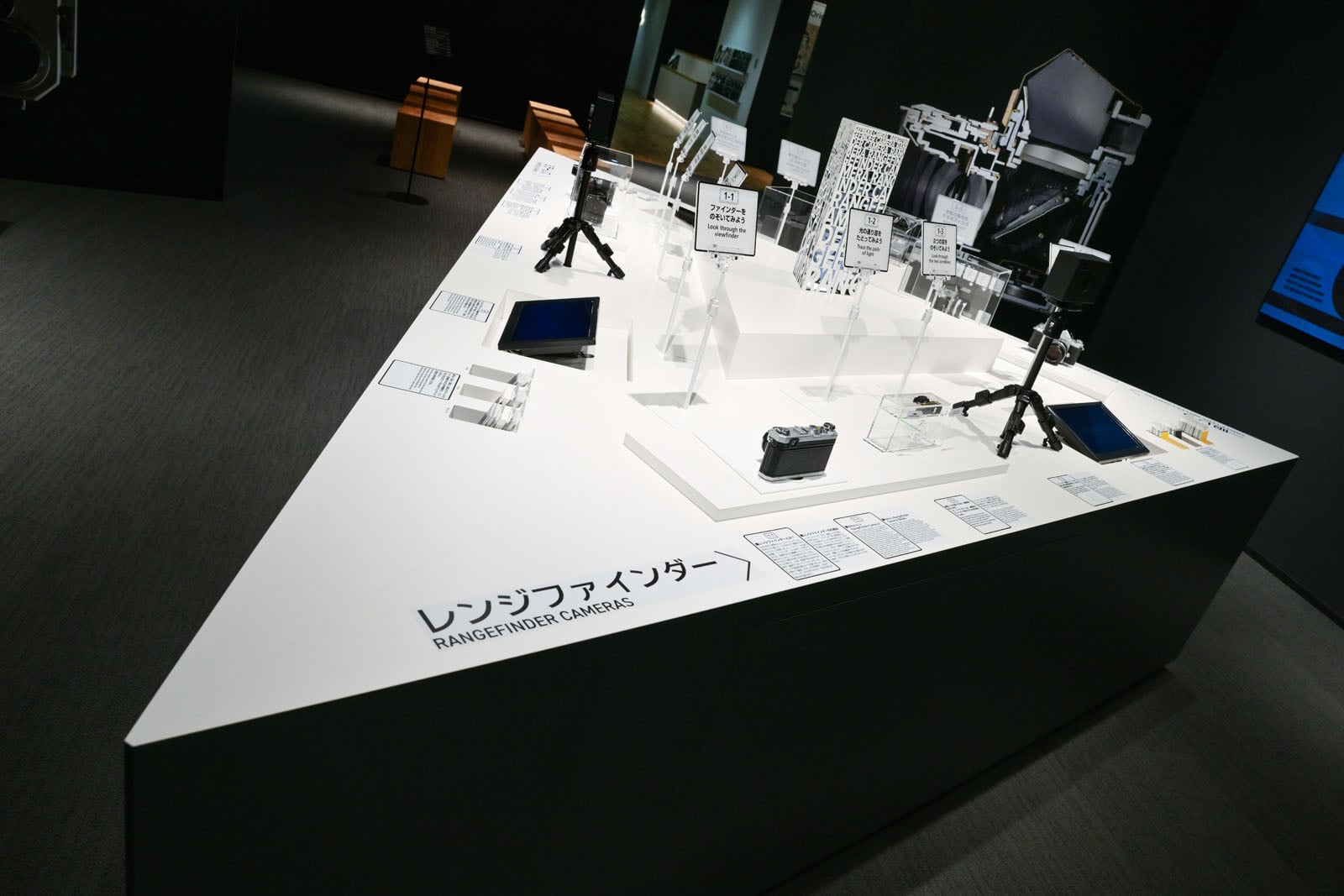
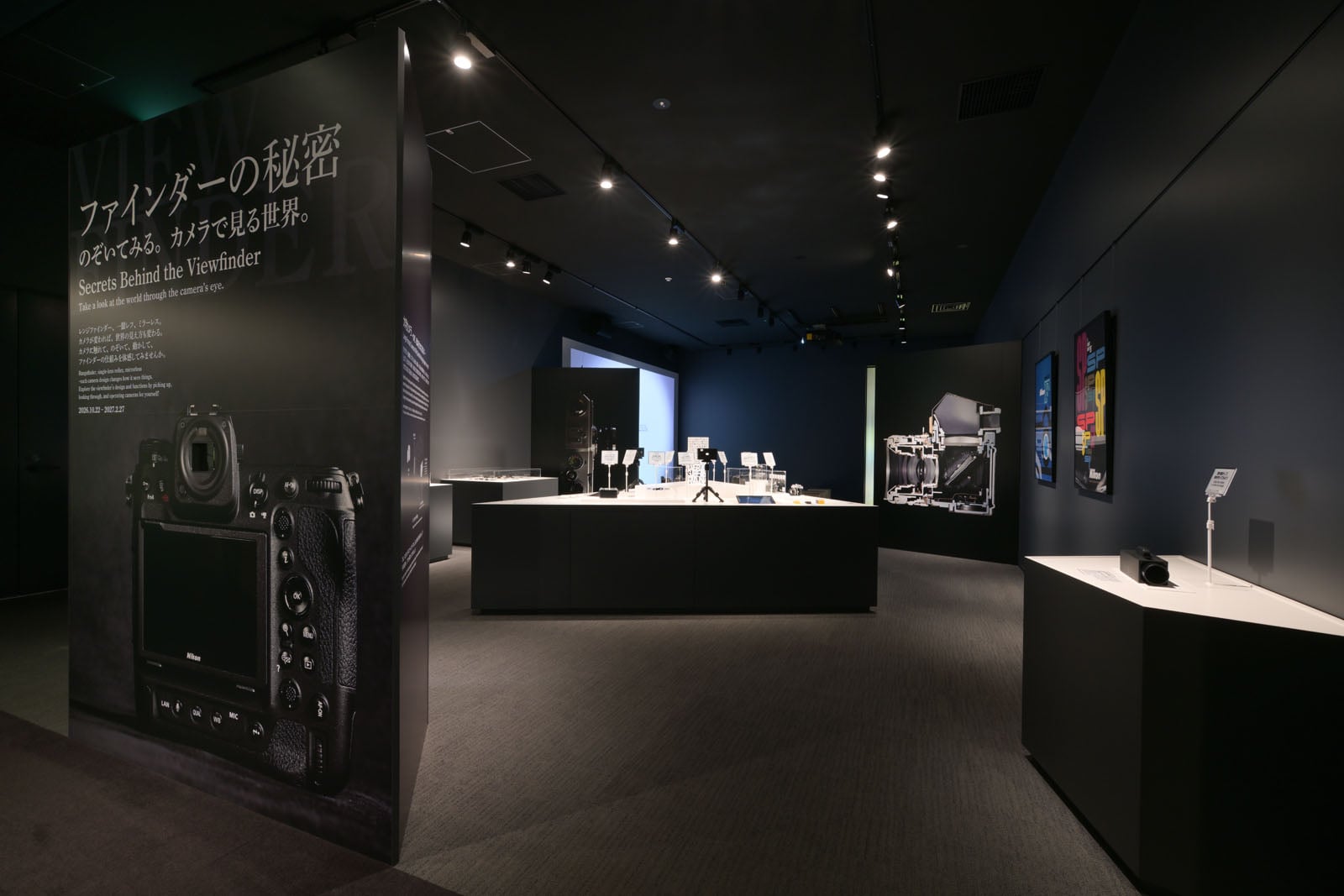
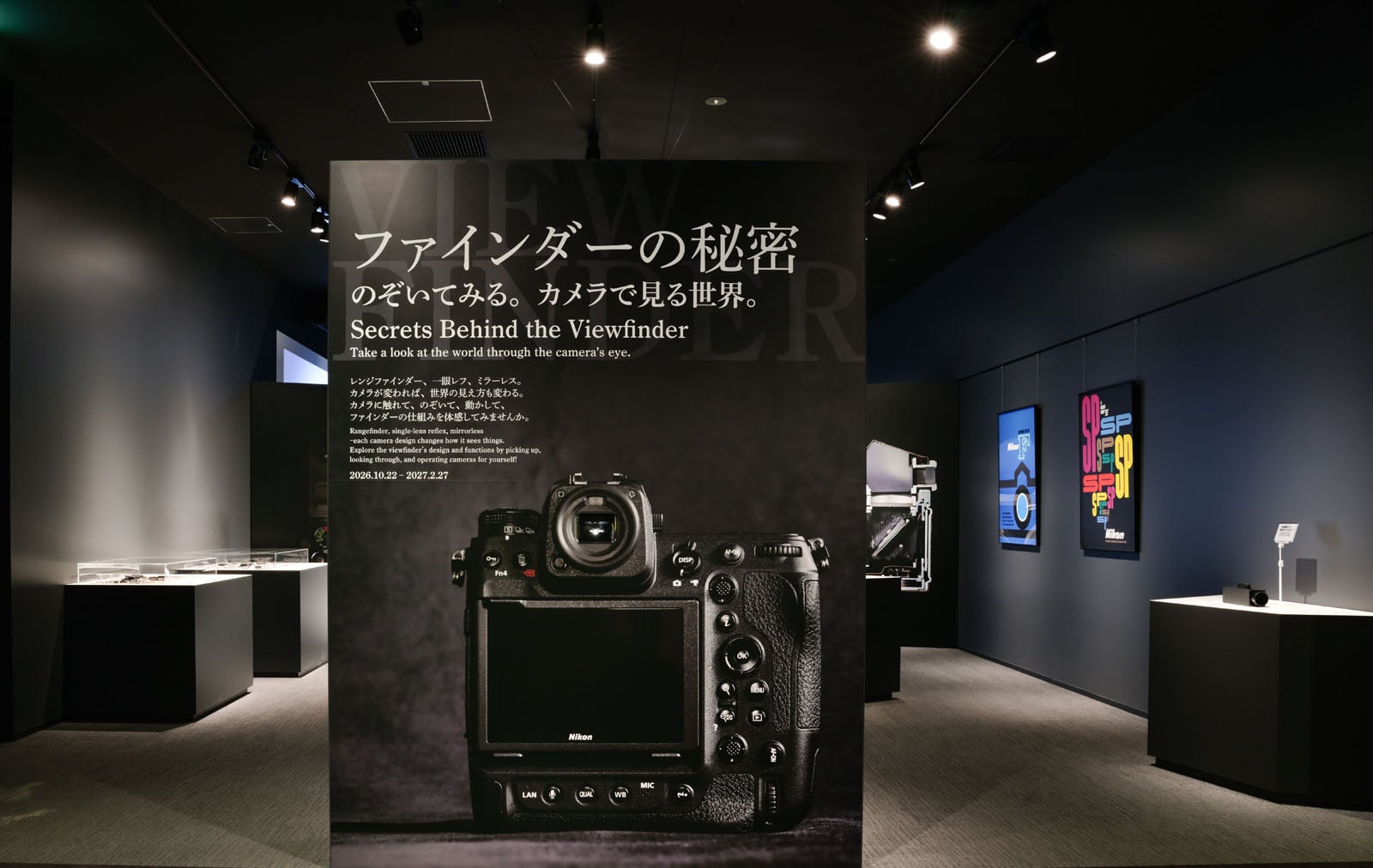
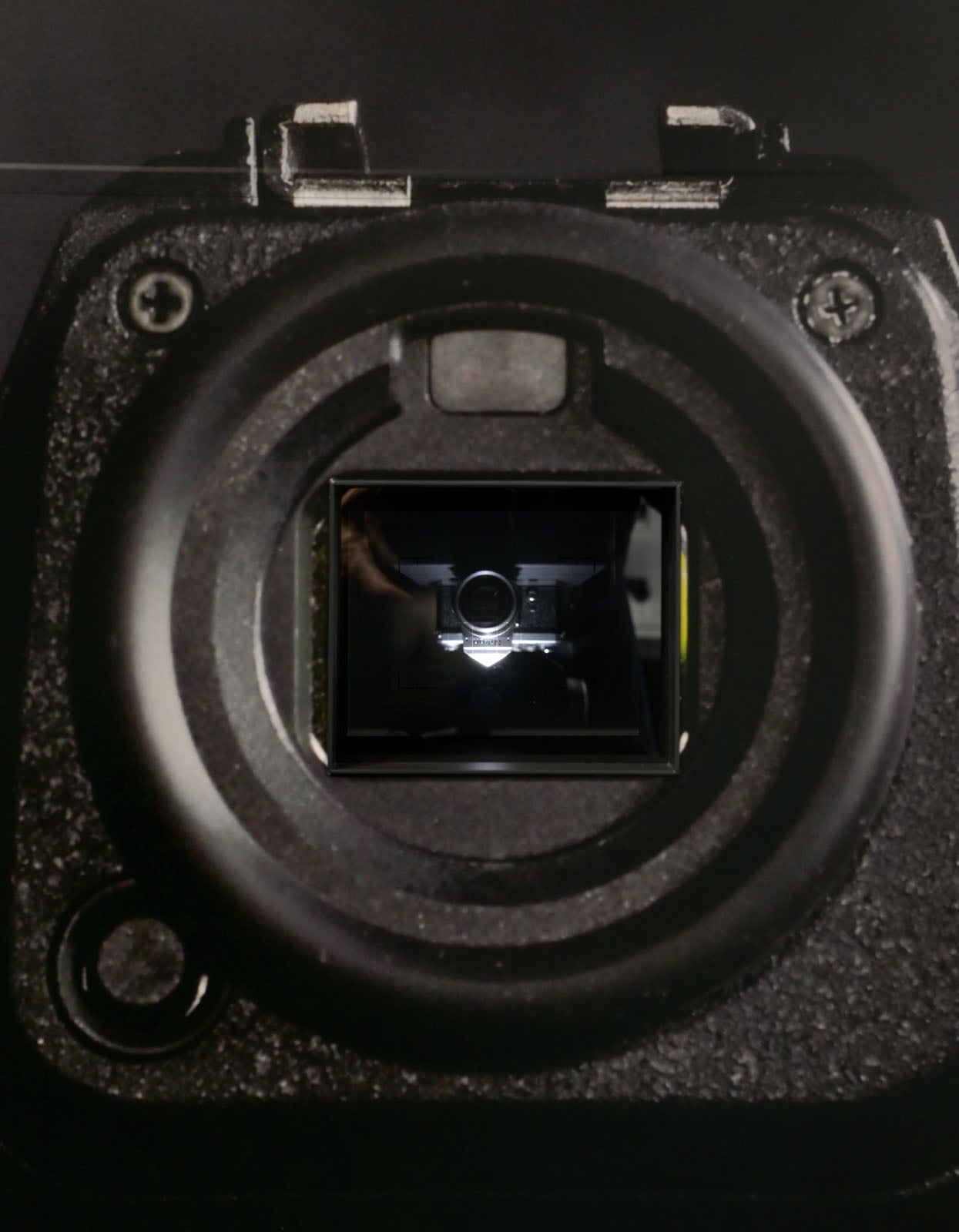
The Nikon Museum’s special exhibition project leader tells PetaPixel that their favorite part of the exhibit is “the triangular table where visitors can experience three different types of viewfinders firsthand: rangefinder, SLR, and mirrorless.”
“By picking up each camera and looking through the viewfinder, visitors can directly compare the three systems and gain an intuitive understanding of how they differ.”
The leader adds that visitors can take home bookmarks—available in both Japanese and English—that celebrate stories from Nikon’s history of viewfinder designs.
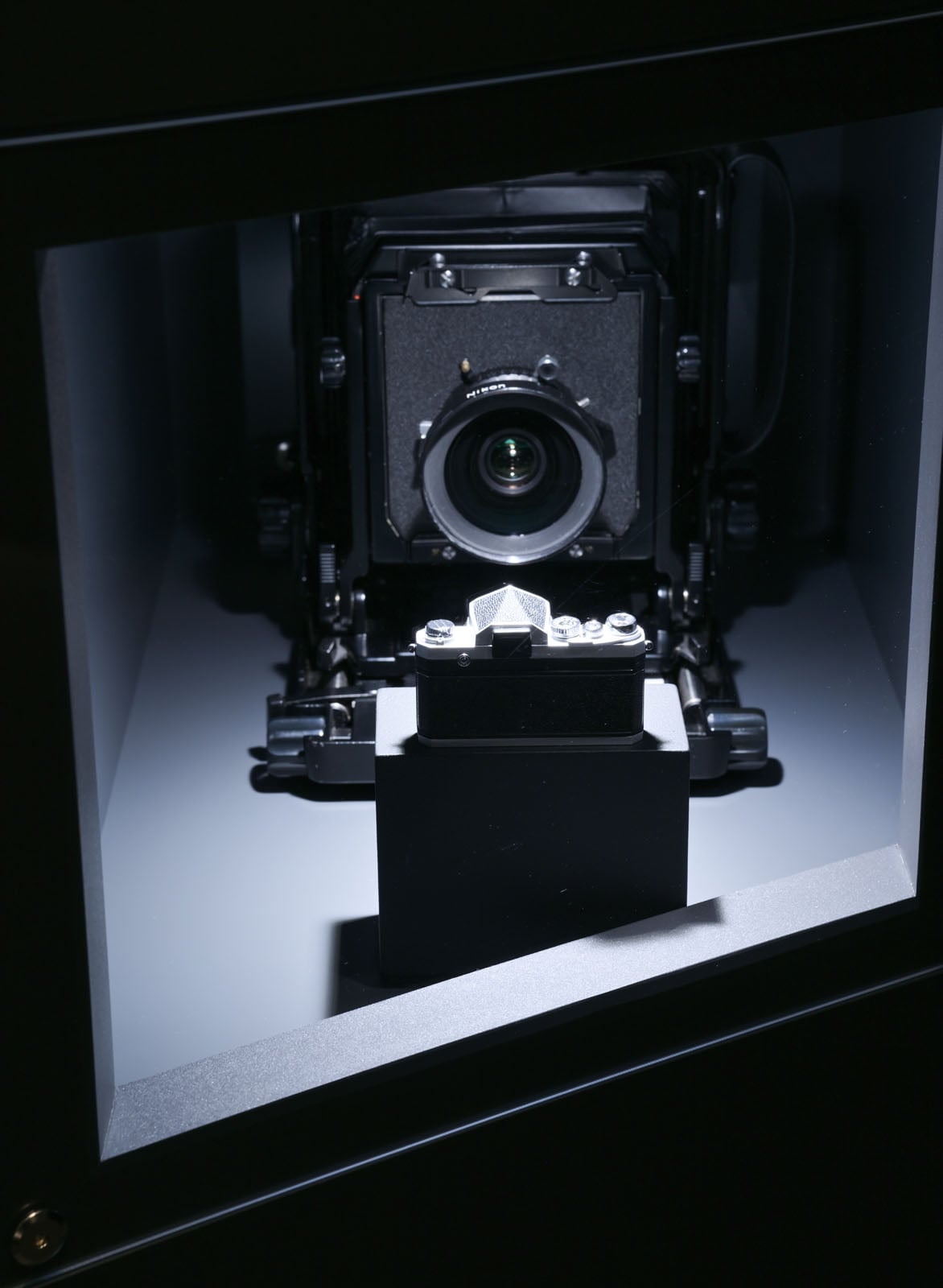
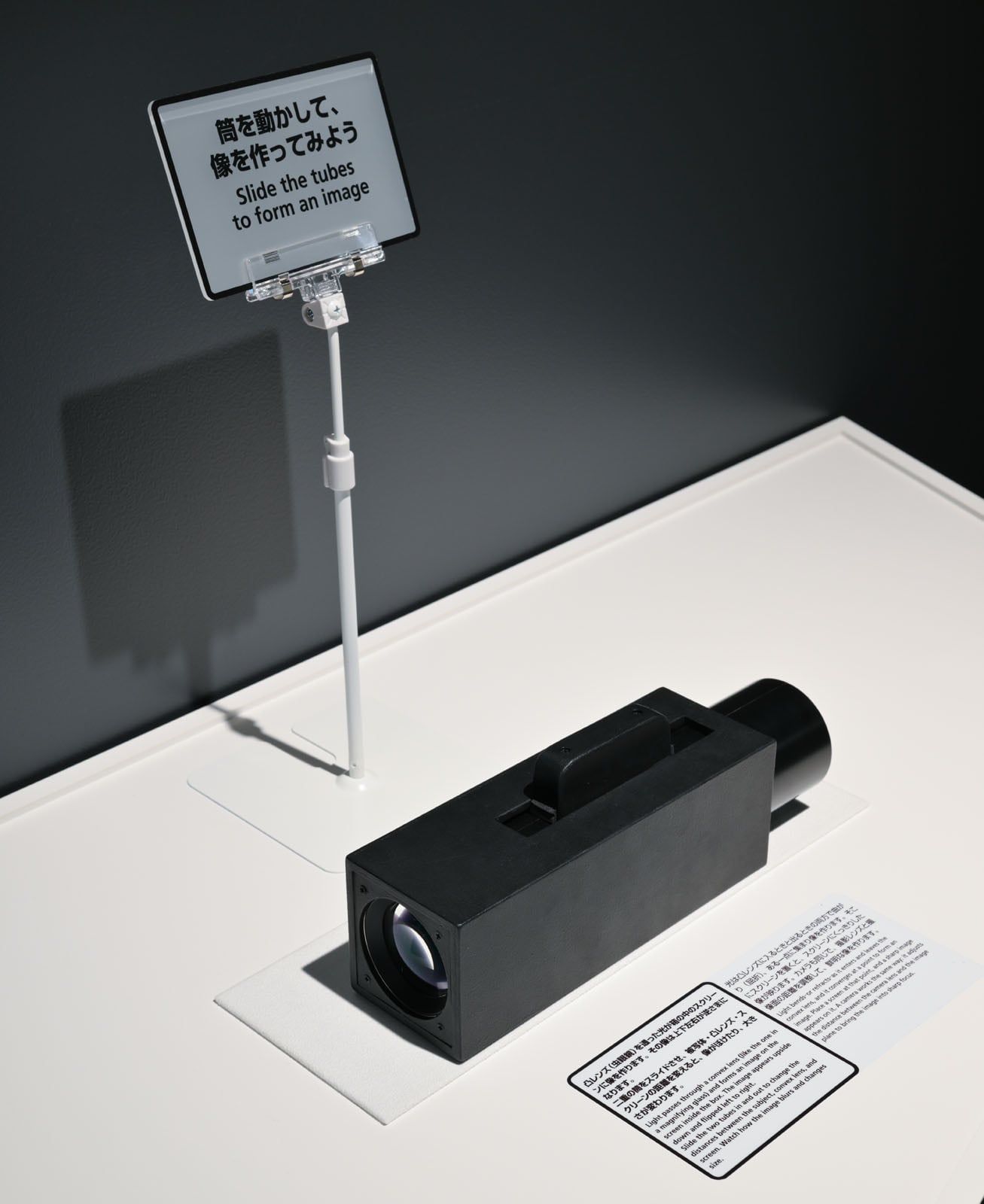
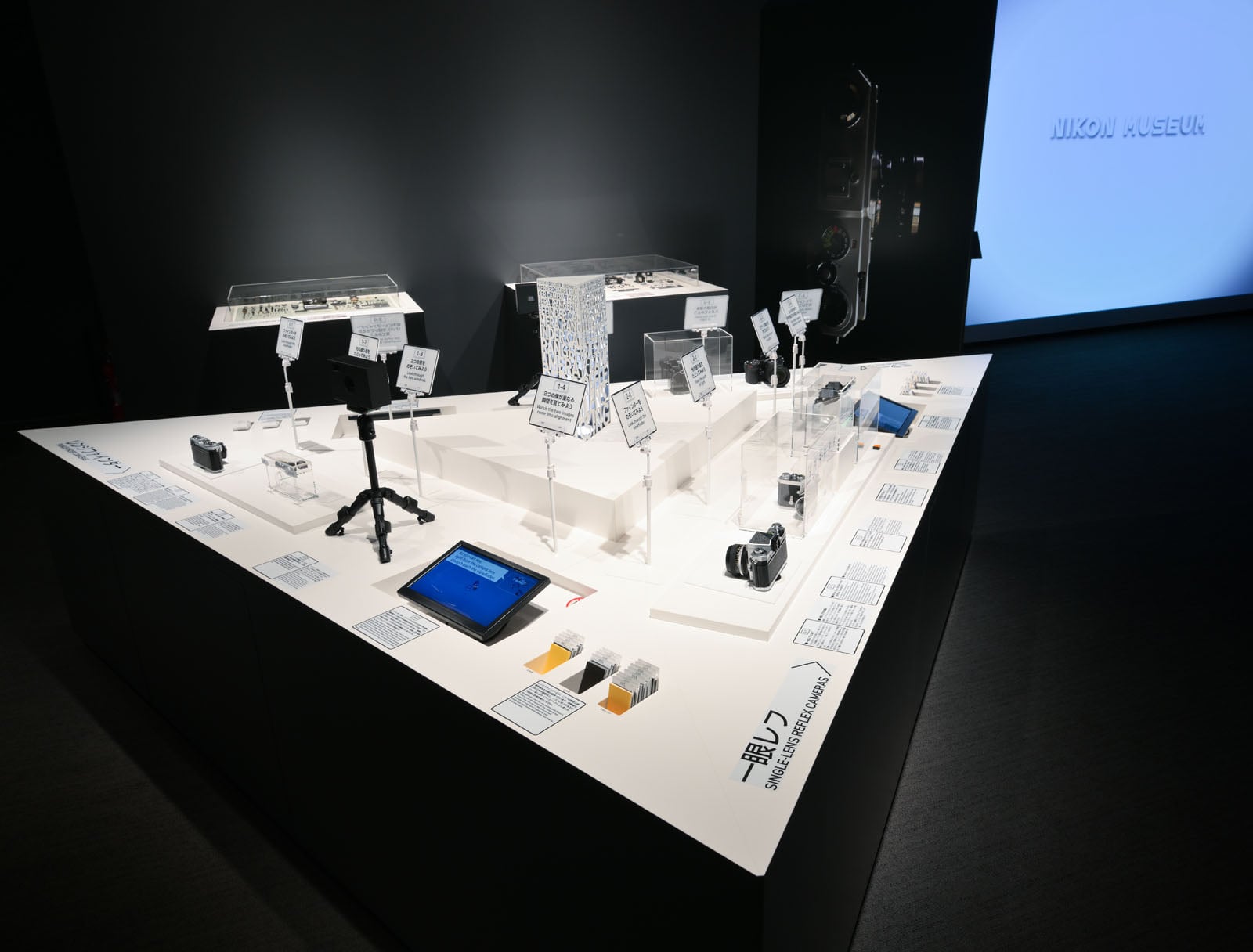
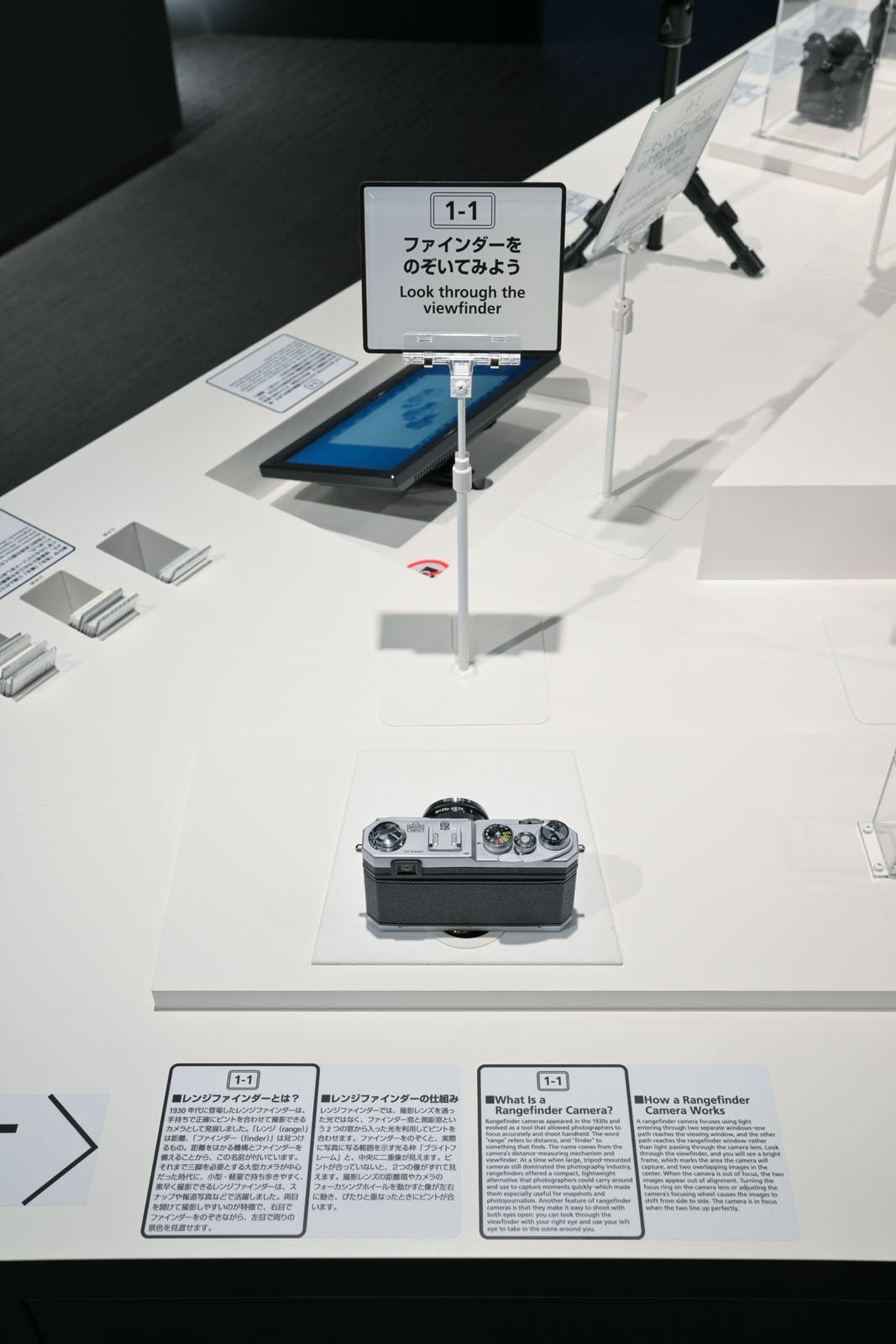
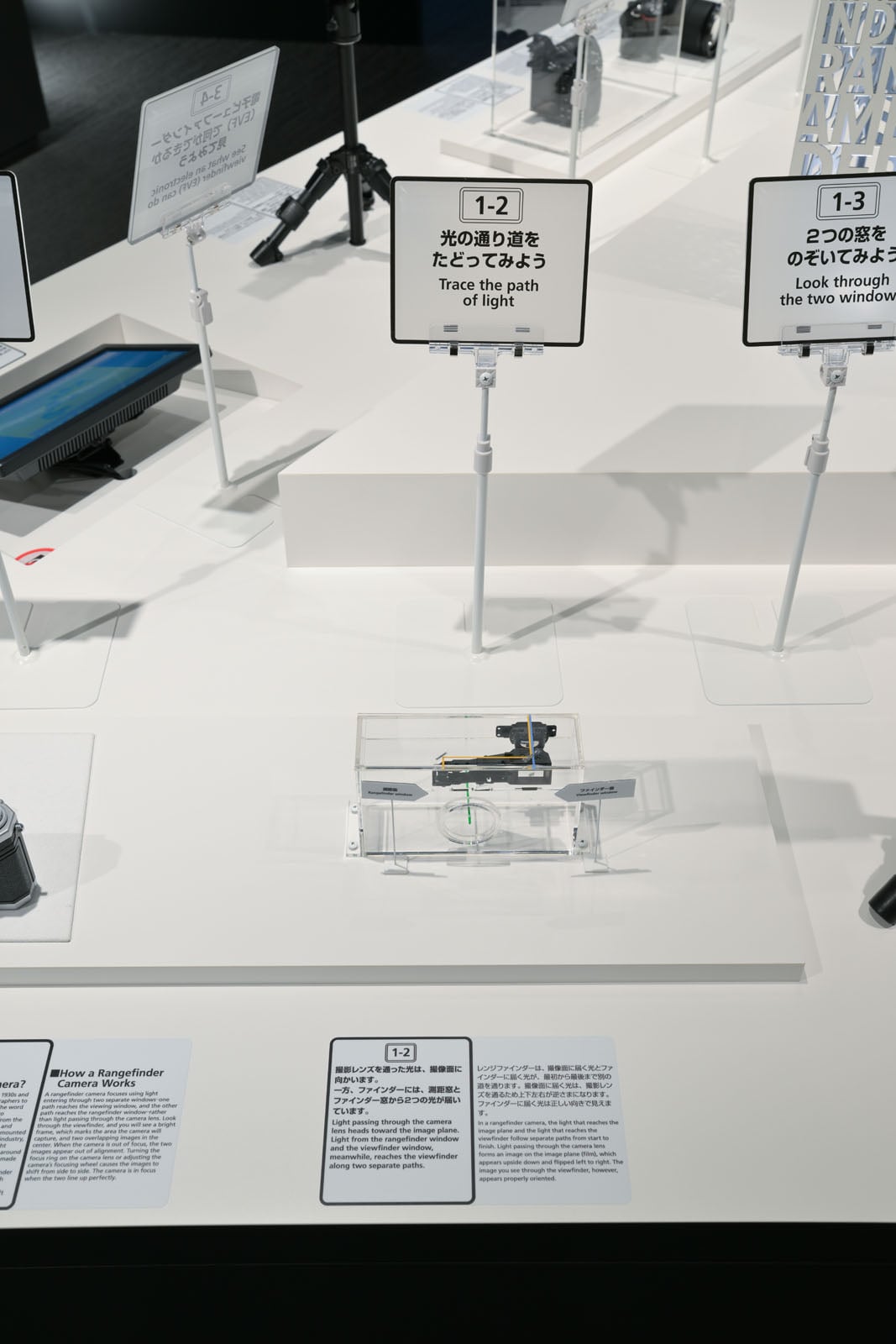
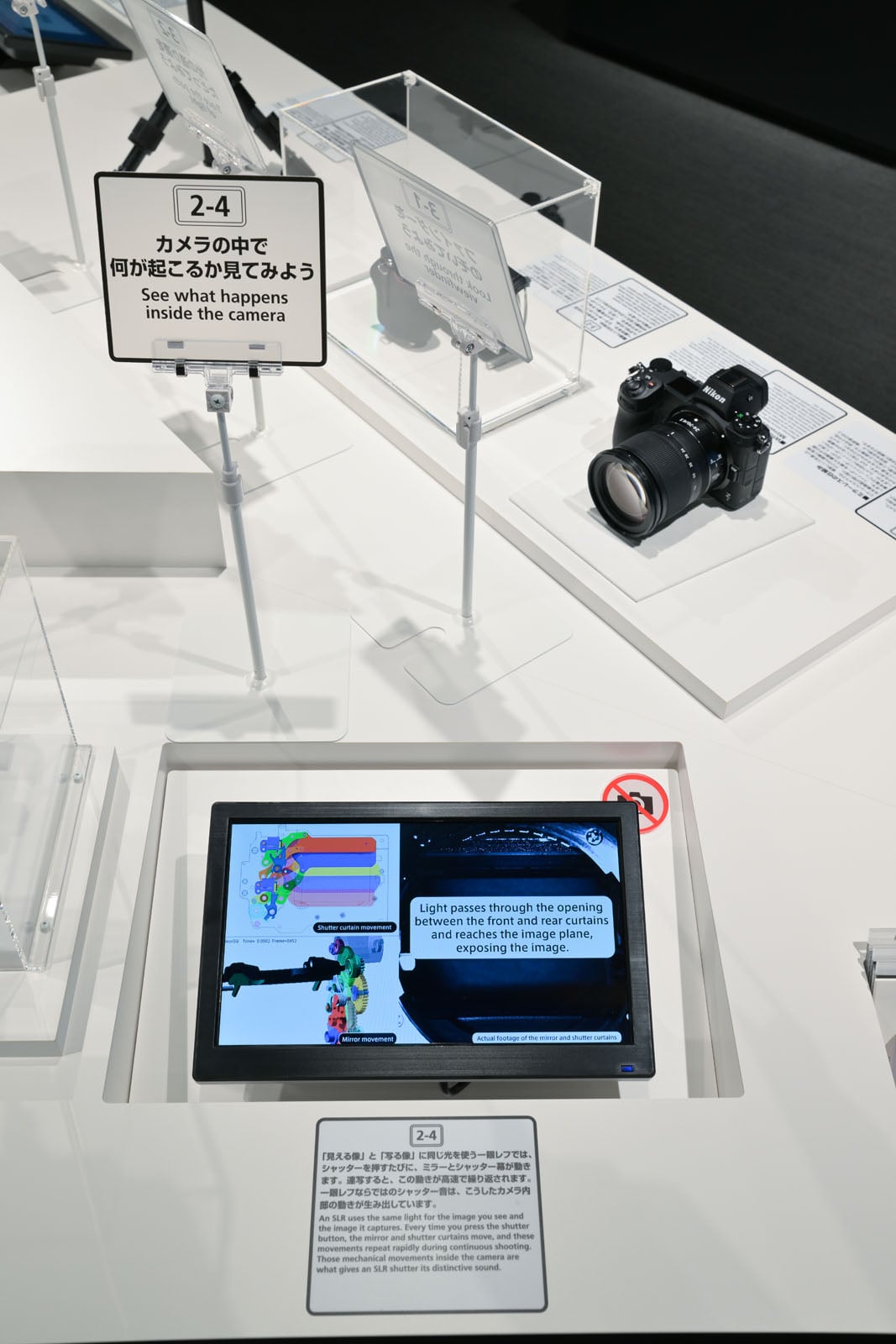
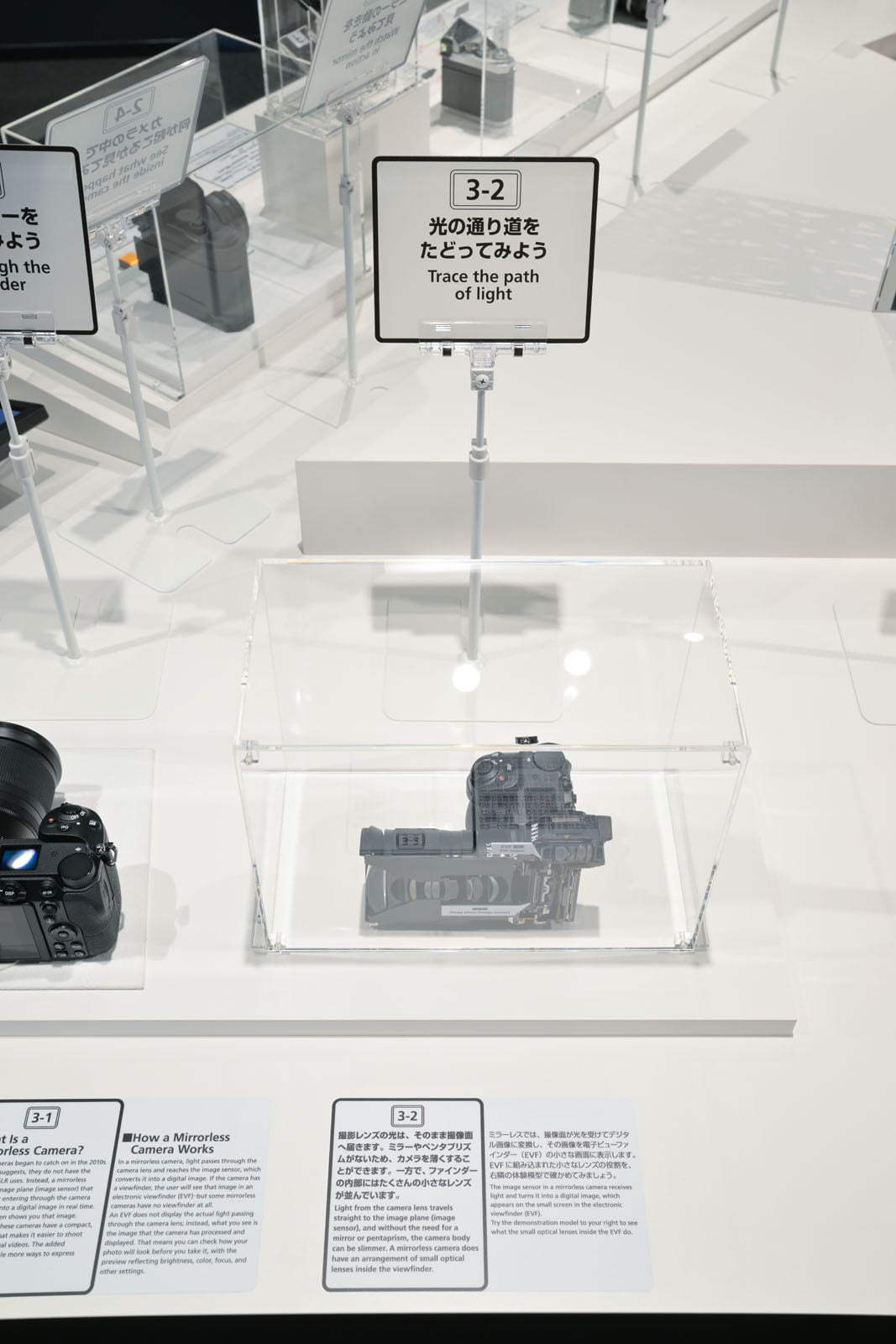
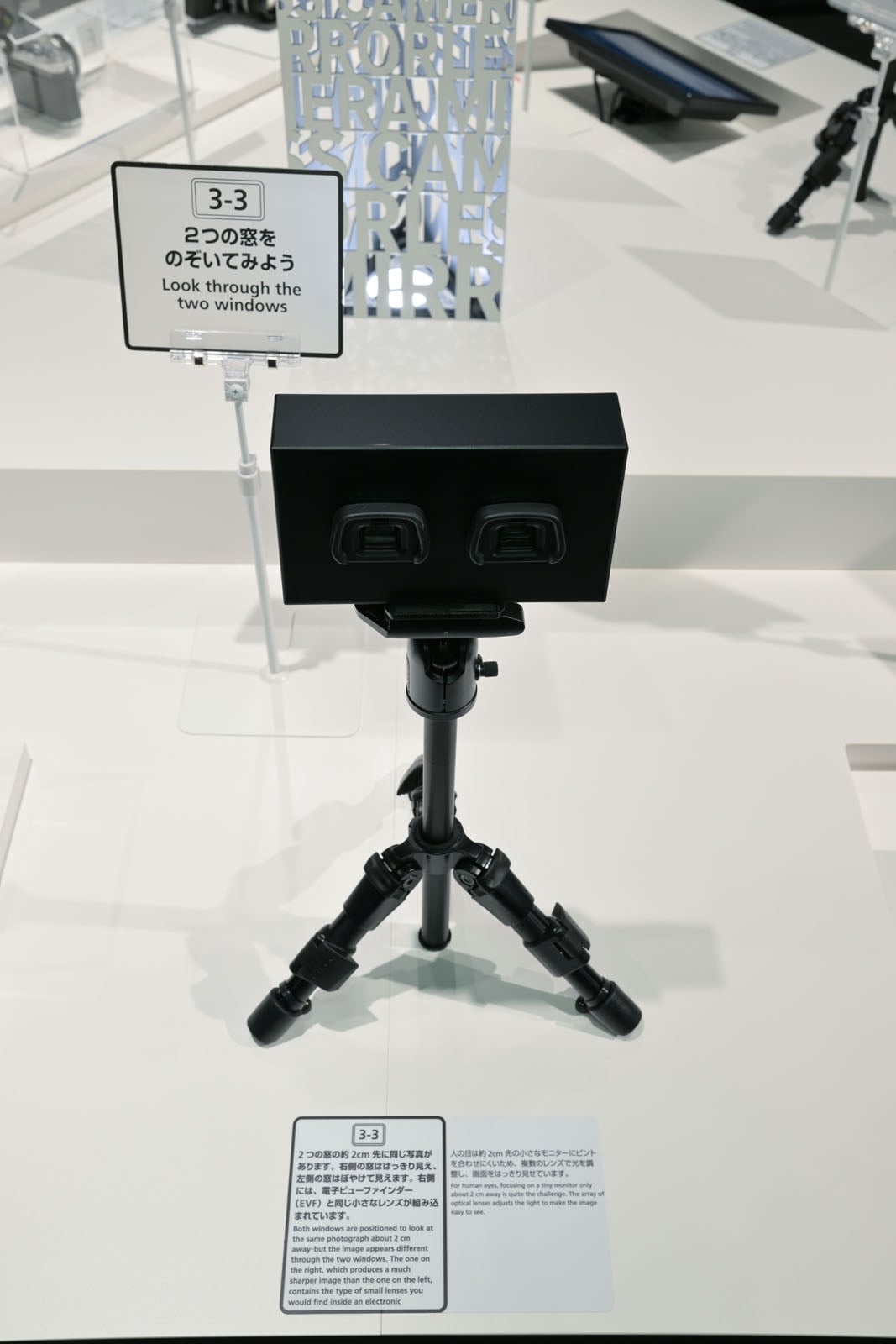
“I hope visitors will take them home and enjoy exploring the stories behind Nikon’s viewfinders in more depth.”
Nikon says the viewfinder has played an “essential role throughout the photographic process, right up to the moment the shutter is released.”
“Nikon has therefore always placed great importance on allowing photographers to concentrate fully on their subjects when looking through the viewfinder. I believe we have been able to maintain this approach for so long because it has been valued and supported by our users.”
Nikon points to two key factors that have enabled it to make such beloved viewfinders decade after decade, starting with its optical technology.
“Nikon has developed comprehensive expertise in optics over many years, spanning everything from the production of optical materials to the assembly of optical instruments. We have also applied our optical technologies in a wide range of industrial fields beyond cameras. This broad base of expertise has allowed us to continuously improve our viewfinders by drawing on the right technologies at the right time. For example, optical technologies from the semiconductor field were applied to the development of screens for SLR cameras,” Nikon tells PetaPixel.

The second factor is the company’s commitment to quality.
“We have continuously gathered and analyzed feedback from photographers and reflected it in our products, while applying that level of quality appropriately across a broad range of camera models,” Nikon continues.
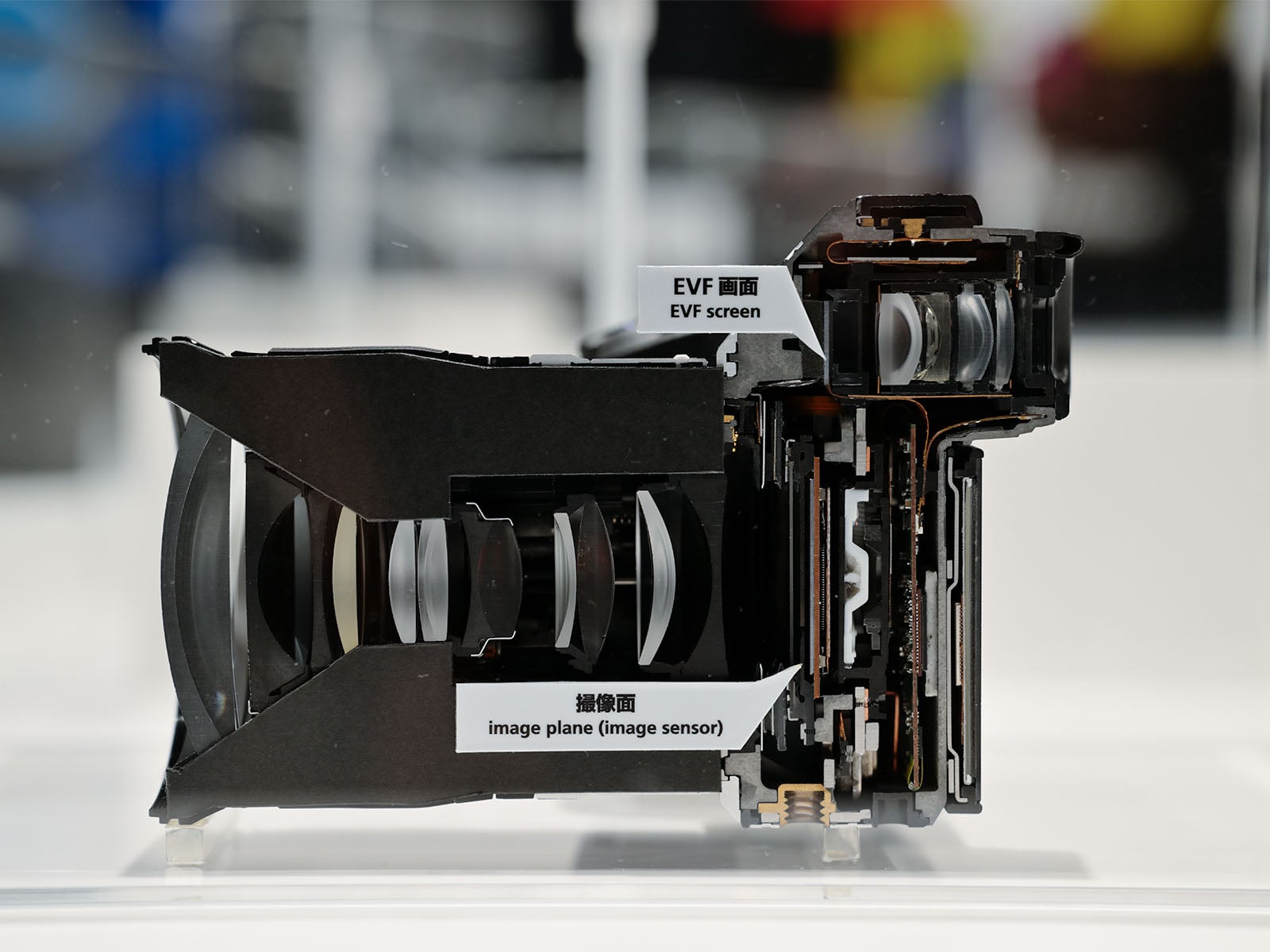
Of course, today’s mirrorless viewfinders are fundamentally different from those in SLR cameras. However, they still rely on extremely clear, sharp optical glass. With its modern electronic viewfinders (EVFs), Nikon says it has dedicated significant time, energy, and resources to creating the clearest, most comfortable viewing experience possible.
In PetaPixel‘s experience, viewfinders like the ultra-sharp unit on the Nikon Z9 and the exceptionally bright one on the Z6 III have been industry standouts.
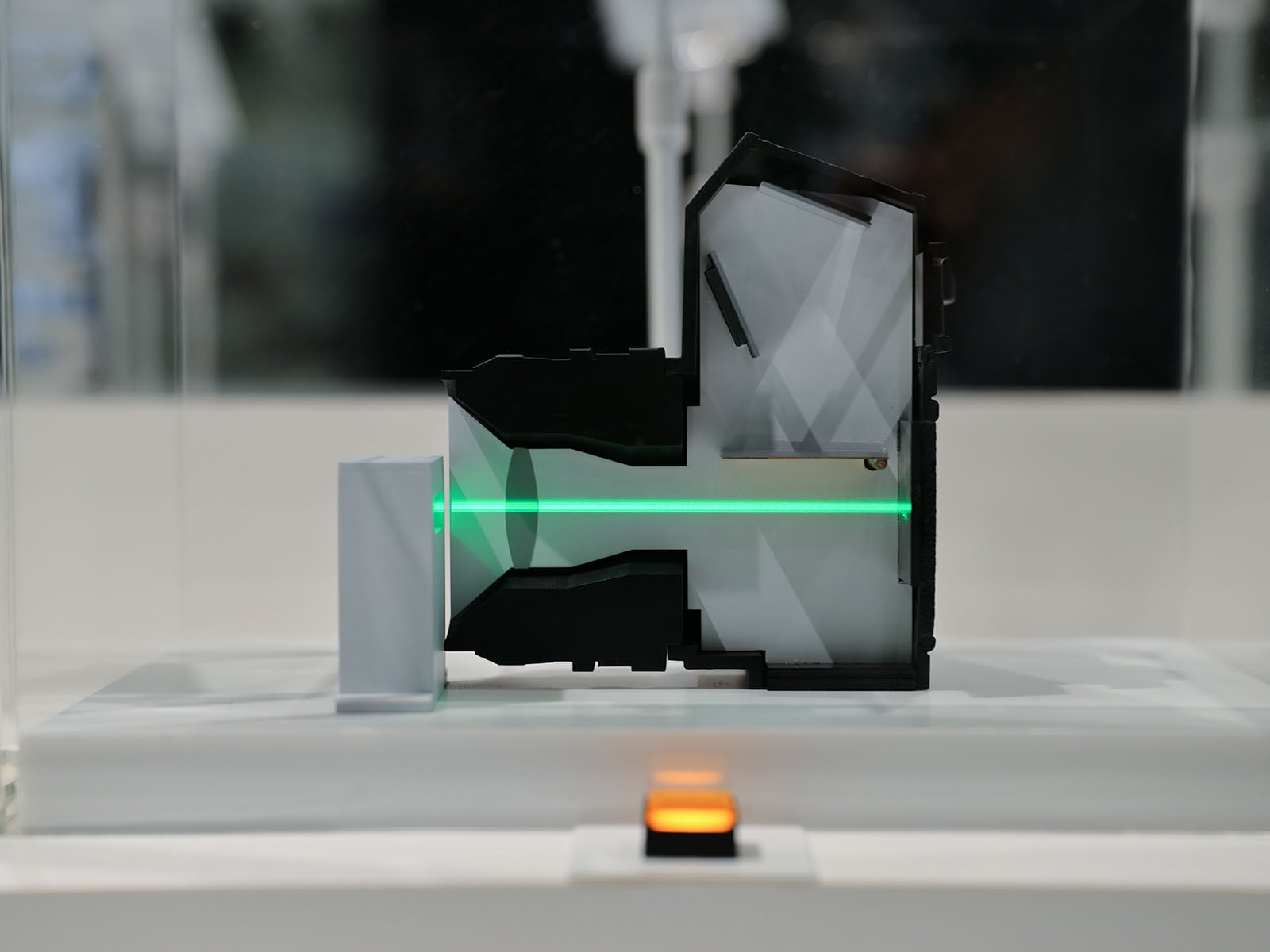
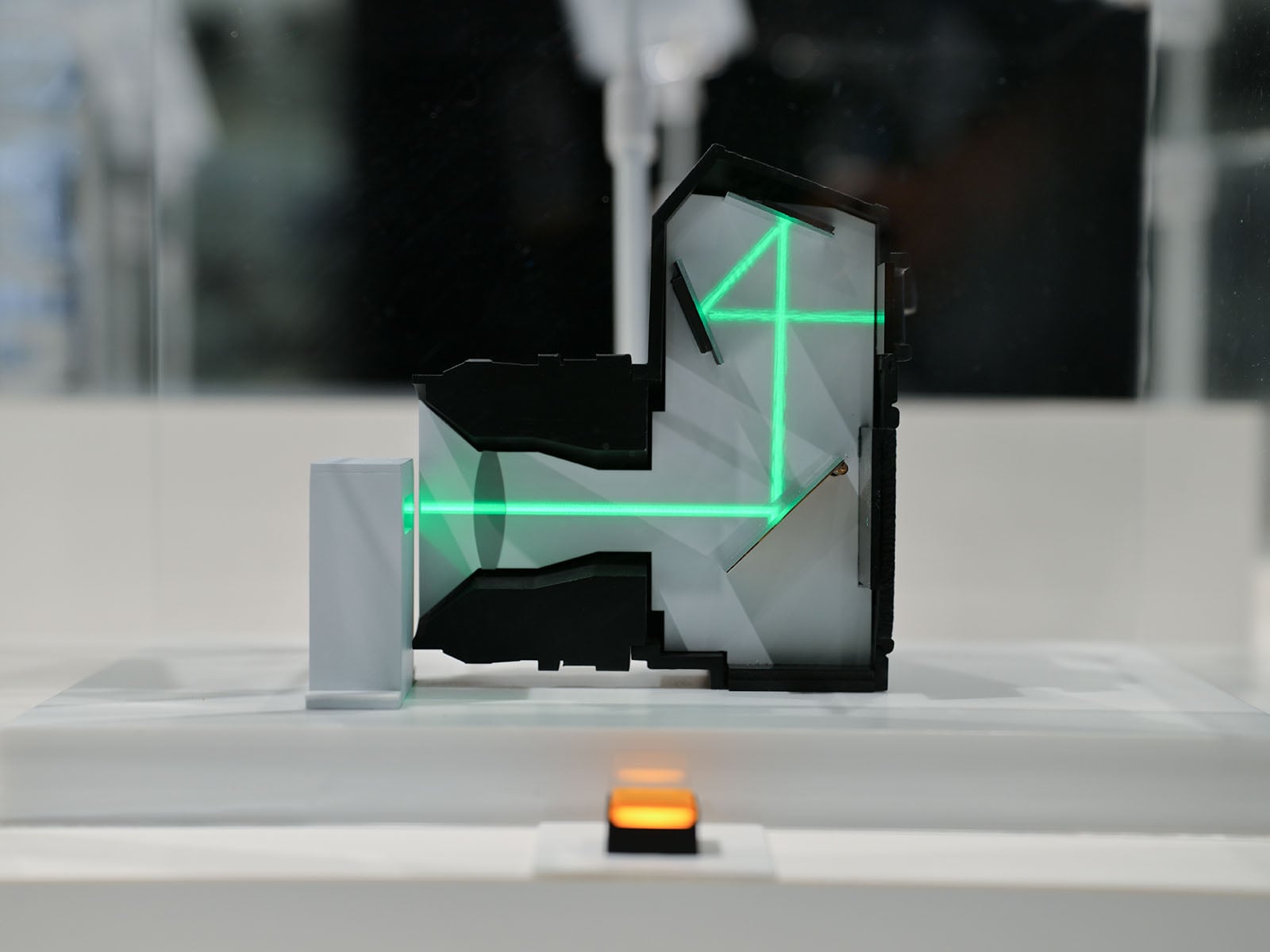
But even in the era of the EVF, Nikon says a lot has changed. Early EVFs had relatively narrow viewing angles, which required specialized optical designs to work around physical space limitations.
However, with the introduction of OLED displays, wider viewing angles have enabled greater flexibility in optical design, resulting in more compact EVF modules.
“At the same time, we have continued to pursue in EVFs the same principle that Nikon has valued since the days of optical viewfinders: a view that allows photographers to concentrate fully on their subjects,” Nikon says. “One example is the Real-Live Viewfinder in the Z 9. Its dual-stream technology processes image data for recording and live-view data independently and simultaneously, enabling an uninterrupted view through the viewfinder even at the moment of capture.”
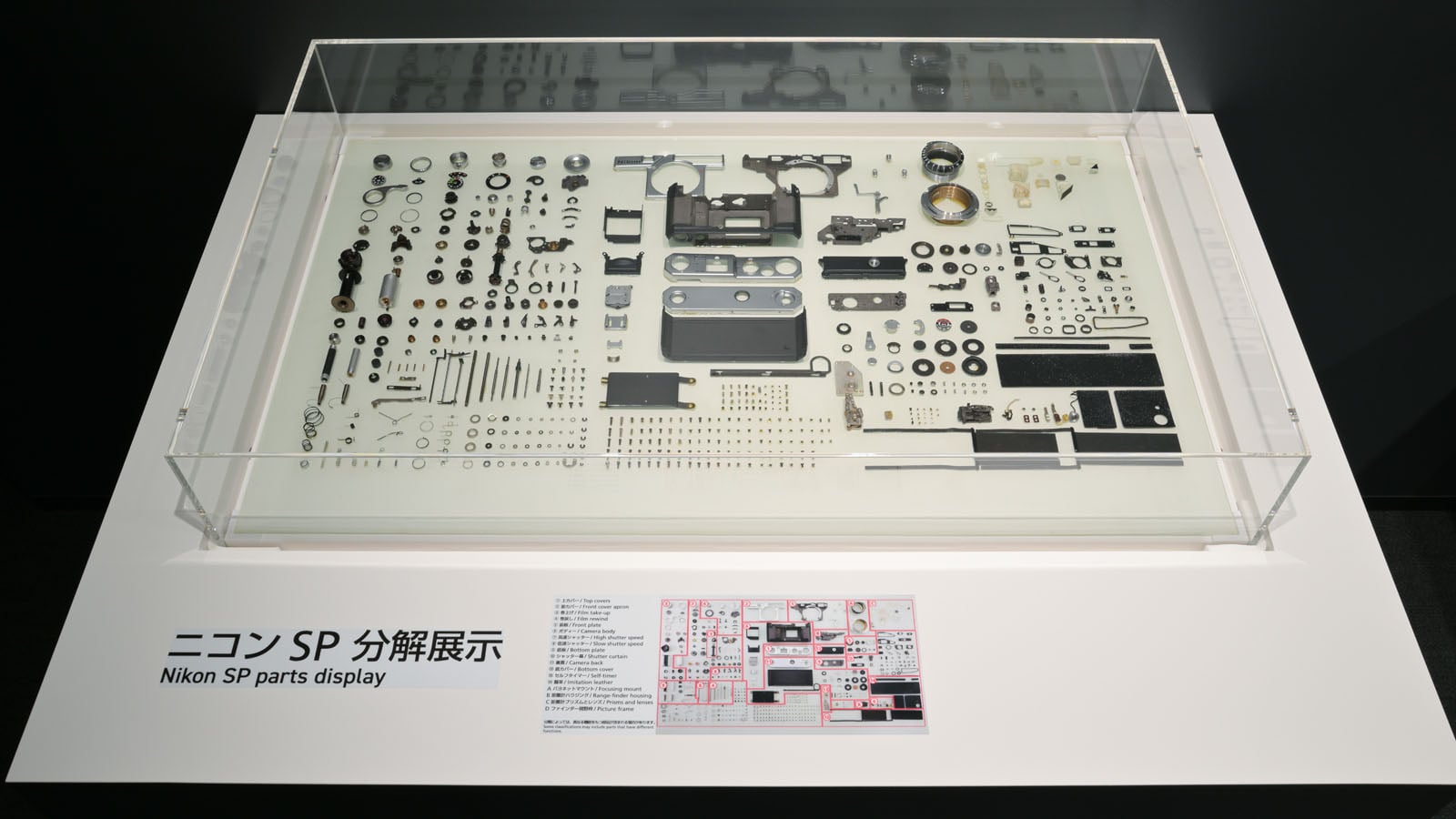
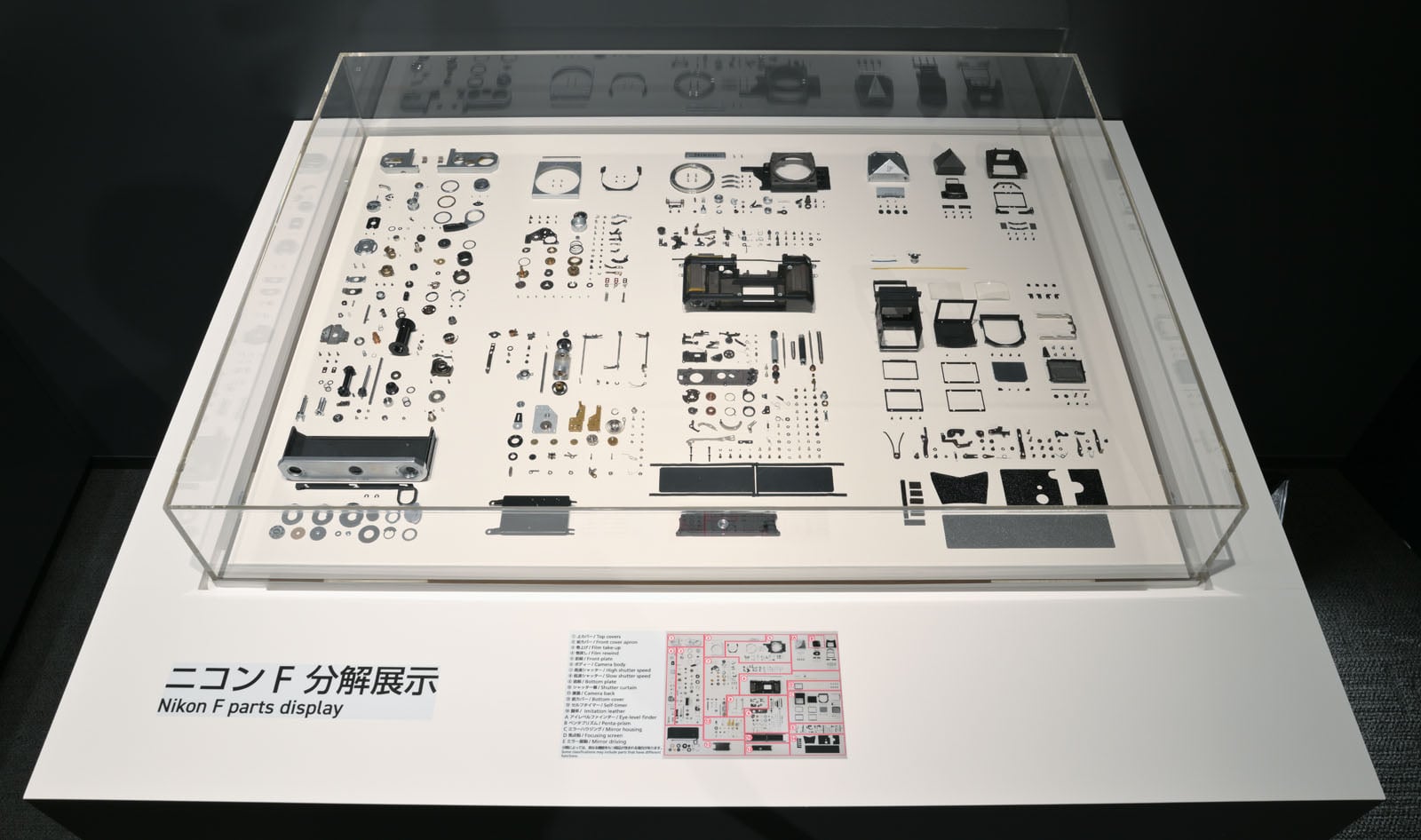
“In this way, Nikon has carried forward its long-standing commitment to a clear and comfortable viewing experience, while evolving it into a new kind of shooting experience that only an EVF can provide.”
Nikon’s Secrets Behind the Viewfinder exhibition is on now at the Nikon Museum, located at the company’s headquarters in Tokyo. It runs through February 27, 2027.
Image creditsNikon
Affiliate Disclosure PetaPixel articles may include affiliate links; we may earn a commission if you buy through one.